
Pruning
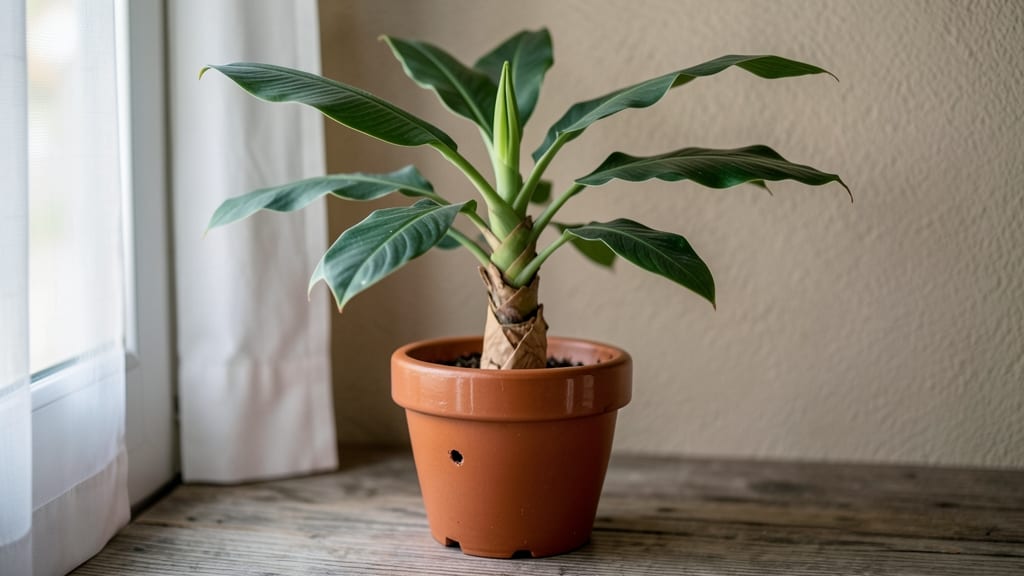
The truly tiny banana tree on your balcony isn't just a dream—it's a reality with the right dwarf varieties and care. I’ve grown these compact wonders in 15-gallon pots for years, and they produce edible (though small) bananas that taste sweeter than anything you’d find in a grocery store.
The key? Matching the right variety to your space and climate, then mimicking their tropical roots without the humidity headaches.
You’ll need a variety like ‘Dwarf Cavendish’ or ‘Red Dwarf’, which stay under 6 feet tall—perfect for containers. These thrive in bright, indirect light (think morning sun and afternoon shade), well-draining soil (equal parts potting mix and perlite), and consistent moisture without soggy roots.
A south-facing balcony or a sunny windowsill works, but avoid cold drafts—they’re tropical divas at heart.
By summer’s end, you’ll watch broad, glossy leaves unfurl and tiny flower spikes emerge, followed by clusters of miniature bananas. They won’t feed a family, but the novelty of harvesting your own—even if it’s just a handful—makes it worth every bit of patience.
The real magic? These plants reward consistency with lush growth and occasional fruit, proving small spaces can deliver big rewards.
Cold snaps and pests are the only real challenges, but a move indoors during winter and occasional neem oil sprays keep them thriving. Whether you’re a balcony gardener or a city dweller with limited space, this is your chance to grow something exotic without sacrificing your sanity—or your square footage.
📚 In This Guide
- What you need
- Instructions
- Tips and common mistakes
- Wrapping up and next steps
What you need
- ● Banana plant (Dwarf Cavendish or 'Lady Finger' variety) – Look for a young, healthy plant (1–2 feet tall) from a nursery or online. Pro tip: 💡 Start with a potted plant to avoid transplant shock!
- ● Container (10–15 gallons) – Choose a pot with drainage holes (plastic or ceramic). Size matters: 🌡️ Too small = stunted growth!
- ● Well-draining potting mix – A blend of 60% peat/coco coir, 30% perlite, and 10% compost works best.
- ● Slow-release fertilizer (balanced 10-10-10 or organic) – Apply at planting and again in 3 months.
- ● Pruning shears (sterilized) – For trimming dead leaves or shaping growth.
- ○ Support stake or trellis (optional but helpful) – Helps guide the plant as it grows taller.
- ● Sunlight – At least 6–8 hours of direct sun daily (south-facing balcony ideal).
- ● Watering routine – Keep soil consistently moist but not soggy (banana trees hate "wet feet").
- ● Warmth – Bananas thrive in 70–85°F (21–29°C) temperatures.
- ● Patience! – Dwarf varieties may take 1–2 years to bear fruit.
- ● Humidity tray or pebble tray to boost moisture.
- ● Mulch (straw or shredded leaves) to retain soil moisture.
- ● Growth regulator (like hydrogen peroxide) to prevent fungal issues.
How to grow a miniature banana tree on your balcony
Here's how to coax a dwarf banana variety into producing fruit without taking over your space.
🌱 Step 1: Select the Right Dwarf Variety and Container
Choose a dwarf banana cultivar like 'Dwarf Cavendish' or 'Red Dwarf'—these stay under 6 feet tall when grown in containers. Your pot needs at least 15 gallons of space to support root growth without crowding. I use a black plastic grow bag because it retains heat better than ceramic, which helps in cooler climates. The container must have multiple drainage holes—banana roots rot quickly in soggy conditions.
Fill the bottom 2 inches with gravel or expanded clay pebbles for drainage. This prevents water from pooling at the roots, which is critical since bananas are tropical plants that hate wet feet. If your balcony gets strong afternoon sun, add a 1-inch layer of perlite to the top of the drainage layer to improve aeration.
☀️ Step 2: Plant and Provide Warmth for Establishment
Plant your dwarf banana in the prepared container, burying the root ball 1 inch deeper than it was in the nursery pot. This encourages stronger root development. Water immediately after planting until it drains freely from the bottom holes—you'll know it's enough when water runs out the drainage holes within 5-10 minutes.
Place the container in a spot that gets full sun (6+ hours daily). Bananas are heavy feeders, so move it to a warm, sheltered area if your balcony gets chilly nights. If temperatures drop below 55°F, cover the plant with frost cloth or bring it indoors near a sunny window. The first few weeks are critical—this is when roots establish or fail.
💧 Step 3: Water and Fertilize for Compact Growth
Water your banana deeply 2-3 times per week, letting the top 2 inches of soil dry out between waterings. Overwatering is the #1 killer of container bananas—yellowing leaves usually mean roots are drowning. Stick your finger in the soil: if it feels damp more than 1 inch down, wait another day before watering.
Feed every 2 weeks with a balanced liquid fertilizer (10-10-10) diluted to half strength. When you see new leaves unfurling, switch to a high-potassium fertilizer (5-10-15) to encourage flowering. I like to mix in 1 tablespoon of Epsom salt monthly—it boosts magnesium, which prevents yellowing between leaf veins.
✂️ Step 4: Prune and Support for Balcony-Friendly Size
As your banana grows, you'll need to prune suckers to keep it compact. These are the smaller shoots that emerge from the base. Remove all but 1-2 strongest suckers—keeping more than that will overcrowd the pot. Use clean pruning shears and cut at a 45-degree angle just above the soil line. This redirects energy to fruit production instead of extra foliage.
Install a 3-foot bamboo stake when the plant reaches 2 feet tall. Tie the main stem loosely to the stake with soft plant ties as it grows. This prevents the heavy fruit from snapping the stem. If your balcony gets windy, add a second stake for extra support—banana bunches can weigh 5-10 pounds when mature.
🍌 Step 5: Encourage Flowering and Fruit Set
When your banana reaches 3-4 feet tall, it may produce a flower spike from the center of the plant. This is your signal to reduce nitrogen—switch to a low-nitrogen, high-phosphorus fertilizer to support flowering. If the spike appears but doesn't bloom, your plant may need warmer temperatures (above 65°F) or more sunlight.
Once flowers appear, hand-pollinate by gently shaking the spike 2-3 times daily to distribute pollen. Bananas are wind-pollinated, and container-grown plants often need help. Cover the flowers with fine mesh netting to protect them from pests while they develop. With patience, you'll see small green bananas forming within 8-12 weeks.
Tips & tricks for perfect miniature banana tree growth
Here's what I learned after watching my first banana tree thrive on a tiny balcony—these tricks make all the difference between a struggling plant and a productive harvest.
Container Selection: While the instructions mention a 15-gallon pot, I've found that adding a 2-inch layer of coconut coir along the inner walls helps retain moisture better than standard potting mix. This is especially helpful if your balcony gets hot afternoons—it mimics the tropical humidity bananas love. For extra insulation in cooler climates, wrap the container with bubble wrap during chilly nights, which helps maintain temperatures above 55°F.
Planting Depth Matters: The instructions specify burying the root ball 1 inch deeper, but here's the thing: if your nursery pot has a thick base, you might need to trim the bottom roots slightly before planting. This prevents the roots from sitting too deep in the drainage layer, which can lead to rot. I always check that the top of the root ball sits just below the soil surface—this gives you that perfect balance of stability and airflow.
Watering Wisdom: The 2-3 times per week guideline works, but timing is everything. Water your banana in the morning so excess moisture has time to evaporate before evening. I've seen too many balcony gardeners drown their plants by watering late in the day—condensation on leaves at night can invite fungal diseases. Also, if you notice water pooling on top of the soil after 5-10 minutes, you're overdoing it on the drainage layer. That 2-inch gravel base should drain freely, not act like a sponge.
Fertilizer Timing: When switching to high-potassium fertilizer at the flowering stage, I like to apply it in the early afternoon when the plant is actively photosynthesizing. This gives the nutrients time to be absorbed before nightfall. And here's a pro move: mix your Epsom salt directly into the top inch of soil rather than dissolving it in water—this targets magnesium deficiency right at the roots where it's needed most.
Pro Tips for Truly Tiny Banana Tree
- Here's what I learned after watching my first banana tree thrive on a tiny balcony—these tricks make all the difference between a struggling plant and a productive harvest.
- Container Selection: While the instructions mention a 15-gallon pot, I've found that adding a 2-inch layer of coconut coir along the inner walls helps retain moisture better than standard potting mix.
- Planting Depth Matters: The instructions specify burying the root ball 1 inch deeper, but here's the thing: if your nursery pot has a thick base, you might need to trim the bottom roots slightly before planting.
Frequently asked questions
Got questions about growing a truly tiny banana tree? You’re not alone! Here are answers to the most common curiosities—from care to troubleshooting—so you can keep your mini harvest thriving on your balcony.
How fast does a dwarf banana tree grow?
A Musa velutina or other compact banana variety typically grows 6–12 inches per year under ideal conditions. With proper pruning and care, you might see faster growth in spring/summer. Patience is key—these trees take 2–3 years to produce edible fruit, but the journey is rewarding!
Can I grow a tiny banana tree indoors?
Yes, but with caveats! Place it near a south-facing window (or use grow lights) for 12+ hours of sunlight daily. Keep humidity high (a pebble tray helps) and temperatures above 60°F (15°C). Expect slower growth indoors—outdoor balconies with partial shade are ideal for year-round success.
How do I prune a banana tree to keep it small?
Prune after flowering to redirect energy to compact growth. Cut back 1/3 of the oldest leaves (never more than 50%) to encourage bushier habits. Remove suckers (side shoots) unless you want multiple trunks. Never prune during winter—wait until spring for best results.
Why isn’t my banana tree flowering?
Lack of flowering often stems from insufficient light, age, or stress. Ensure it gets full sun (6+ hours daily) and is at least 2–3 years old. Adjust fertilizer to low-nitrogen, high-potassium (like 5-10-10) in late summer to trigger blooming. Patience pays off—some varieties flower sporadically!
What’s a good alternative if my climate is too cold?
If your balcony dips below 50°F (10°C), try Ensete ventricosum (false banana) or Heliconia—both thrive in cooler temps and stay compact. For true bananas, opt for Musa acuminata ‘Dwarf Cavendish’ (hardier than most) and grow it in a pot you can move indoors in winter.
Troubleshooting: Yellow leaves on my banana tree
Yellow leaves usually signal overwatering, nutrient deficiency, or pests. Check soil moisture (let it dry 2–3 inches deep between waterings). Feed with a balanced fertilizer (10-10-10) every 2 months. Inspect for spider mites or aphids—spray with neem oil if needed. Brown edges? Low humidity—mist leaves or use a humidifier!
Wrapping up and next steps
Growing a truly tiny banana tree on your balcony isn’t just possible—it’s a rewarding way to enjoy fresh, homegrown fruit in small spaces! 🌱 With the right pruning techniques, dwarf varieties, and a little patience, you can keep your plant compact while maximizing harvests.
Whether you’re trimming for shape, managing size, or encouraging fruit production, every snip brings you closer to a thriving mini orchard.
Ready to take the next step? Start small—pick one pruning tip to try this week, then gradually experiment with others. Before you know it, your balcony will be bursting with tiny but mighty banana trees! 🍌✨