
Pruning
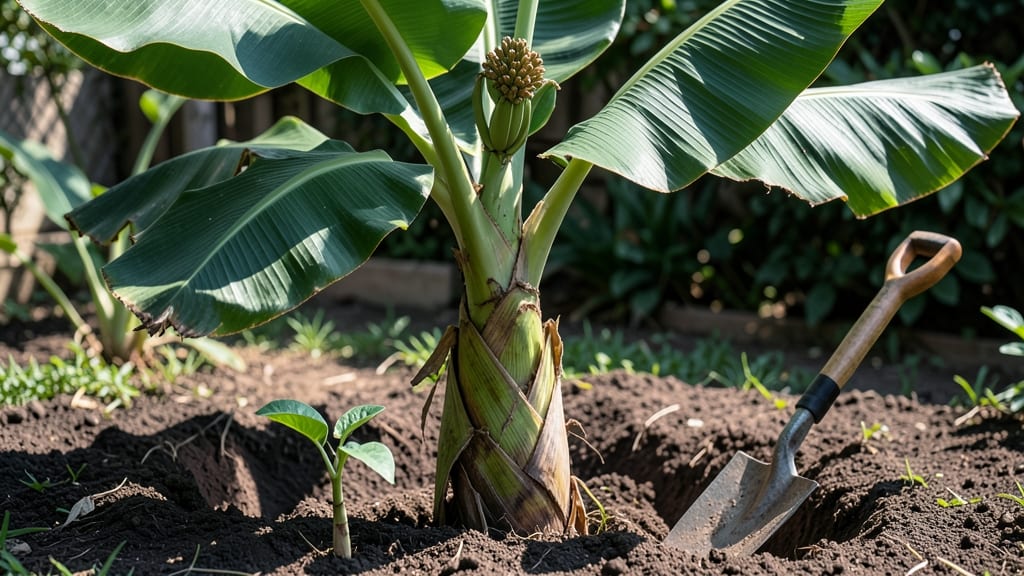
Planting banana trees in your yard means tropical harvests are just six months away—even if you’ve never grown one before. 🌿 I’ve watched these giants go from a 12-inch pot to 10-foot-tall producers in my own subtropical climate, and the secret isn’t complicated: it’s all about the soil, the sun, and a little patience.
The first time I saw those massive, glossy leaves unfurl, I knew I’d never buy store bananas again.
You’ll need rich, well-draining soil mixed with compost, a spot that gets full sun for at least six hours a day, and a warm climate (zones 10-12 for in-ground planting). Containers work too—just use a pot at least 18 inches deep with drainage holes.
The biggest mistake I see? Planting too deep or in cold soil, which stunts growth. Banana trees are tropical divas—they need warmth to thrive, so wait until nighttime temperatures stay above 55°F before planting.
Once planted, keep the soil consistently moist but not soggy—think of a wrung-out sponge. Within 3-4 months, you’ll spot those iconic banana flower buds, and by month six, you could be harvesting your own fruit.
The first harvest might be small, but each year, the plant gets stronger, producing more and larger bunches. Imagine plucking bananas straight from your backyard instead of the grocery store—it’s a game-changer.
Whether you’re growing in the ground or a container, the same rules apply: protect young plants from frost, fertilize lightly every few months, and watch for pests like aphids.
With the right care, your banana tree will reward you with harvests for years—and maybe even a few extra bananas to share with neighbors. Ready to grow your own tropical oasis?
📚 In This Guide
- What you need
- Instructions
- Tips and common mistakes
- Wrapping up and next steps
What you need
- ● Banana plant (sucker or rhizome): 1 healthy, disease-free plant (choose a variety suited to your climate, like Cavendish or Dwarf Cavendish for beginners).
- ● Well-draining soil: 1 bag (1-2 cubic feet) of a mix of topsoil, compost, and perlite (ratio: 60% topsoil, 30% compost, 10% perlite).
- ● Organic fertilizer: 1 lb of balanced fertilizer (10-10-10 or 5-5-5) or banana-specific fertilizer.
- ● Shovel or trowel: 1 medium-sized shovel for digging holes (12-18 inches deep).
- ● Watering can or hose: 1 with a gentle spray nozzle (banana plants love moisture but hate soggy roots!).
- ○ Mulch (optional but recommended): 2-3 inches of straw, wood chips, or pine needles to retain moisture and regulate soil temperature.
- ● Epsom salt: 1 small container (1 tbsp per plant monthly for magnesium boost).
- ● Support stake or bamboo poles: 2-3 poles (6-8 feet tall) to train the banana plant as it grows.
- ● Pruning shears: 1 pair for trimming dead leaves or suckers (once the plant matures).
- ● Drip irrigation system: 1 kit (if planting multiple trees, for consistent watering).
- ● Pest control: Neem oil or insecticidal soap (to deter aphids or spider mites).
Step-by-Step guide to planting banana trees for fast growth
Here's the straightforward method I've used to grow banana plants from start to harvest in just six months.
🌱 Step 1: Choose the Right Planting Site and Prepare the Soil
Banana trees thrive in warm climates with full sun exposure—at least 6-8 hours daily. If you're in a cooler zone, pick the warmest, most sheltered spot in your yard. I always test the soil first—bananas prefer rich, well-draining soil with a pH between 6.0 and 7.5. If your soil is heavy clay, mix in 3-4 inches of compost to improve drainage and fertility.
Dig a hole twice as wide as the banana plant’s root ball but only as deep as the container it came in. This prevents waterlogging, which can rot the roots. Loosen the sides of the hole with a shovel to encourage root spread. Here's the thing—banana trees have shallow but extensive roots, so don’t bury the base too deep.
🪴 Step 2: Plant the Banana Tree Properly for Stability
Gently remove the banana plant from its container and loosen any circling roots with your fingers. Place it in the hole so the top of the root ball sits 1-2 inches below soil level—this helps stabilize the plant and encourages new growth. Fill the hole with soil, pressing lightly around the edges to remove air pockets but avoiding compaction.
Banana trees grow tall and top-heavy, so staking is essential from the start. Insert a 5-6 foot bamboo or wooden stake into the hole before backfilling with soil. Tie the main stem to the stake with soft plant ties or strips of old fabric, leaving some wiggle room for growth. Water the plant deeply after planting to settle the soil and encourage root contact.
☀️ Step 3: Water and Fertilize for Rapid Growth
Banana trees need consistent moisture, especially in their first 3-4 months. Water deeply 2-3 times per week, giving 1-2 gallons per plant each time. You’ll know you’re doing it right when the soil feels moist 2-3 inches down but not soggy. Overwatering is the fastest way to kill a banana tree—roots rot quickly in waterlogged soil.
Start fertilizing 2 weeks after planting with a balanced, slow-release fertilizer (like 10-10-10). Apply ½ cup per plant every 4-6 weeks during the growing season. Bananas are heavy feeders, so don’t skimp—you’ll see new leaves emerge within 2-3 weeks of fertilizing. Here’s the trick: split fertilizing into two lighter applications instead of one heavy dose to avoid burning the roots.
✂️ Step 4: Prune and Protect for a Healthy Harvest
As your banana tree grows, you’ll notice old, yellowing leaves at the base. These aren’t just unsightly—they drain energy from the plant. Remove them when they’re fully dry, cutting them off at the base with clean pruners. Never prune more than 25% of the foliage at once, or you’ll shock the plant. I like to do this once every 2-3 months to keep the tree focused on producing fruit.
Banana trees are tropical and sensitive to cold. If temperatures drop below 50°F, cover the plant with frost cloth or move it to a sheltered spot. Even a light frost can damage the leaves, but the plant often recovers. Watch for banana weevils or aphids—spray with neem oil if you spot any pests. A healthy banana tree will show new, vibrant leaves and a sturdy stem by month 4, setting you up for a harvest in 6 months.
Tips & tricks for perfect banana tree planting
Here's what I learned after growing banana trees from start to harvest—these tricks cut down on common mistakes and speed up your 6-month timeline.
Soil Preparation Secret: Before planting, mix a handful of egg shells into the soil around the root ball. The calcium helps prevent heart rot, a common disease in banana trees. I crush them into small pieces and work them into the top 6 inches of soil—it's a free, organic boost that makes a real difference.
Staking Technique: When inserting your 5-6 foot stake in Step 2, angle it slightly toward the strongest winds in your area. This gives the tree better support against lateral pressure. I also recommend using two stakes tied together in an "A" shape for extra stability—especially if you're in a windy climate. The extra support helps the tree grow straighter and taller.
Watering Wisdom: The 2-3 times per week watering guideline works for most climates, but adjust based on your soil type. Sandy soil drains quickly and may need daily watering in hot weather, while clay soil holds moisture longer. I test by sticking my finger 2-3 inches down—if it's dry, water again. Mulching with straw helps retain moisture and keeps roots cool, which is especially important in the first 3-4 months.
Fertilizer Timing: When you start fertilizing 2 weeks after planting, I recommend using a fertilizer with slightly higher potassium (like 10-10-20) to support root development and fruit formation. The ½ cup every 4-6 weeks schedule works, but if you notice yellowing leaves between feedings, that's your cue to fertilize sooner. Split applications really do prevent root burn—never apply more than ¼ cup at a time.
Pro Tips for Planting Banana Tree
- Here's what I learned after growing banana trees from start to harvest—these tricks cut down on common mistakes and speed up your 6-month timeline.
- Soil Preparation Secret: Before planting, mix a handful of egg shells into the soil around the root ball.
- Staking Technique: When inserting your 5-6 foot stake in Step 2, angle it slightly toward the strongest winds in your area.
Frequently asked questions
Got questions about growing your own banana tree? You’re not alone! Here are some of the most common concerns—and their straightforward solutions—to help you plant with confidence.
How long does it take for a banana tree to produce fruit after planting?
A banana tree typically takes 9–18 months to bear fruit, depending on the variety and growing conditions. Dwarf varieties (like ‘Dwarf Cavendish’) may fruit in as little as 6–12 months if planted in warm, tropical climates with proper care. Patience is key—focus on healthy growth first!
Can I grow a banana tree in a pot, or does it need to be planted in the ground?
Yes! Banana trees thrive in large containers (15+ gallons) if you live in cooler climates or urban areas. Use well-draining soil, keep the pot near a sunny window or balcony, and repot every 2–3 years. Just ensure the container is sturdy—these plants get heavy and top-heavy as they grow!
What are the most common pests or diseases, and how do I prevent them?
Watch for banana weevils, aphids, and fungal diseases like sigatoka leaf spot. Prevent issues by:
- Watering at the base (avoid wetting leaves to reduce fungal risk).
- Using organic neem oil as a natural pesticide.
- Pruning dead leaves to improve airflow.
Can banana trees survive frost, or do I need to protect them in cold weather?
Banana trees are tropical and cannot tolerate frost. If temperatures drop below 32°F (0°C), protect your plant by:
- Moving potted trees indoors or to a garage.
- Covering outdoor plants with frost cloth.
- Using mulch around the base to insulate roots.
What’s the best time of year to plant a banana tree?
The ideal time to plant is during the warmest months of your region—typically spring or early summer. This gives the tree time to establish roots before cooler weather. Avoid planting in late fall or winter unless you’re in a frost-free zone. Young plants are delicate, so aim for 60–80°F (15–27°C) soil temperatures for best success.
Wrapping up and next steps
Planting a banana tree is a rewarding journey that brings lush greenery and delicious fruit to your space—whether you’re a seasoned gardener or a curious beginner! 🌱 With the right soil, sunlight, and care, you’ll be enjoying your tropical harvest in just six months.
Now that you’re equipped with the essentials, it’s time to roll up your sleeves and get planting!
🌟 Your Next Step:
Start by selecting a sunny spot in your yard (or a large container if space is limited), gather your supplies, and follow the steps outlined above. Track your progress—take photos, journal your growth milestones, and soon, you’ll be savoring homegrown bananas straight from your own tree!
Ready to grow? Dig in today!