
Trees
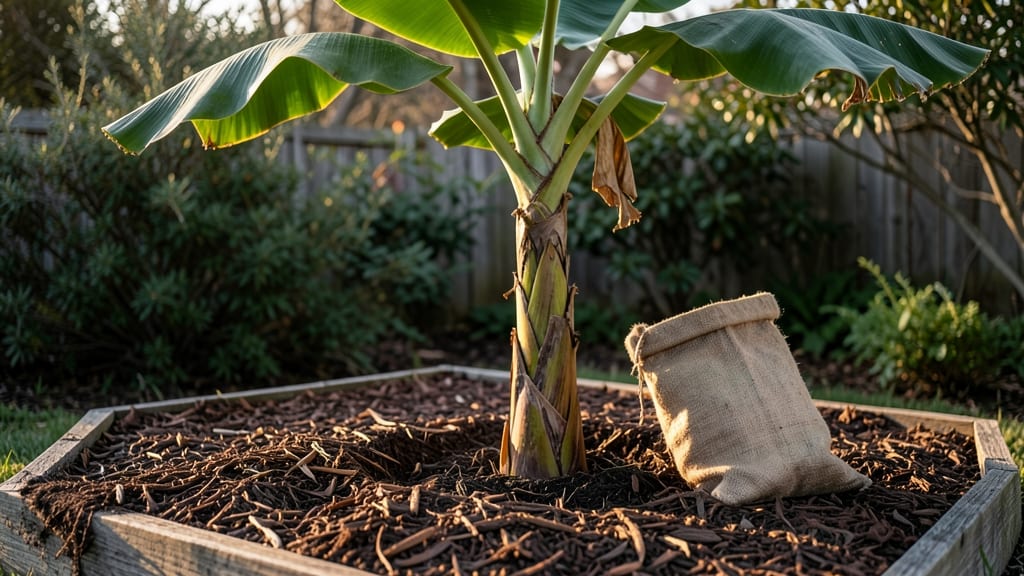
Your banana trees can survive winter with the right prep—it’s all about timing, insulation, and a little patience. 🌿 I’ve overwintered mine for five years now, and the secret lies in protecting the roots, shielding the trunk, and giving them a cozy spot to rest.
The key is acting before temperatures drop below 32°F, because once frost hits, even the hardiest varieties struggle.
You’ll need basic supplies: burlap or frost cloth for wrapping, mulch (straw or leaves work), and either a large container or a sheltered spot in your garage. For outdoor plants, prune back the leaves in late fall, leaving just the trunk and a few lower branches.
Then mound mulch around the base—think 6 to 12 inches deep—to lock in warmth. If you’re bringing them indoors, pot them up first and let them acclimate to lower light over a week.
By spring, you’ll see fresh shoots pushing through the soil, often within weeks of the last frost. The plants might look dormant at first, but with proper care, they’ll bounce back stronger than ever—sometimes even flowering by summer.
The payoff? Year-round growth in zones where bananas shouldn’t survive. Just watch for mold on wrapped trunks (unroll and air them out if you see fuzzy spots) and avoid overwatering while they’re dormant.
This method works for both dwarf varieties (like ‘Dwarf Cavendish’) and larger types, though smaller plants overwinter more reliably. Start prep in October, and by March, you’ll be harvesting again—no tropical climate required. Here’s how to do it step by step without losing your plants to the cold.
📚 In This Guide
- What you need
- Instructions
- Tips and common mistakes
- Wrapping up and next steps
What you need
- ● Insulating wrap: 1–2 rolls of burlap, frost cloth, or horticultural fleece (enough to wrap the entire plant, ~10–20 sq. ft. per tree).
- ● Mulch: 4–6 inches of straw, wood chips, or leaves (organic, weed-free).
- ● Container (if potted): A durable, insulated pot (15+ gallons for dwarf varieties, 30+ for large trees) with drainage holes.
- ● Cold-frame or greenhouse: A small hoop house or low tunnel (4’x6’ minimum) with clear plastic sheeting (6–8 mil thickness).
- ● Pruning tools: Clean, sharp bypass pruners and loppers (sterilized with rubbing alcohol).
- ● Support stakes: 4–6 bamboo or metal stakes (5–6 ft. tall) to secure the tree.
- ● Soil amendments: Compost or well-rotted manure (1–2 gallons per tree) for nutrient boost.
- ● Watering can or hose: With a gentle spray nozzle to avoid disturbing roots.
- ● Heating mat: A small electric heat mat (for potted trees in extreme cold zones).
- ● Anti-desiccant spray: Wax-based spray to protect leaves from drying.
- ● Thermometer: A soil or air thermometer to monitor temps (ideal: 40–50°F).
- ● Drip irrigation: Low-flow system for consistent moisture in containers.
- ● Reflective bubble wrap: To wrap the base and reflect sunlight.
Step-by-Step instructions for overwintering banana trees
Here's how I've kept my banana plants thriving through winters—no fancy tools, just smart timing and care.
🪴 Step 1: Choose the Right Location for Protection
Move your banana tree to a sheltered spot before the first frost hits. I like to place mine near a south-facing wall or under an overhang where it gets morning sun but afternoon shade. This mimics their tropical roots while protecting against freezing winds. If you have a garage or basement with 50-60°F temperatures, that works too—just avoid cold drafts.
Here's the thing—banana trees can't handle freezing soil. If your ground freezes, lift the pot and place it on a layer of 2-3 inches of straw or mulch to insulate the roots. You'll see the difference when spring arrives: plants that stayed too cold often rot from the bottom up.
💧 Step 2: Reduce Watering and Fertilizer
Cut back on watering once temperatures drop below 55°F. Let the top 2 inches of soil dry out between waterings—overwatering in cold weather suffocates roots. I water mine every 7-10 days in winter, checking soil moisture with my finger. If it feels damp below the surface, wait longer.
Stop fertilizing completely. Banana trees go dormant in winter, and feeding them triggers soft, weak growth that won't survive cold snaps. I also trim off any dead or yellowing leaves with clean pruners—this prevents disease and helps the plant focus energy on root survival.
☀️ Step 3: Provide Supplemental Light if Needed
If your banana tree loses most of its leaves (which is normal in winter), it needs less light but still benefits from 4-6 hours of indirect sunlight daily. Place it near a bright window or use a grow light 12-18 inches away for 6-8 hours a day. You'll notice new growth starting in late winter—those are your cues that the plant is waking up.
Watch for leggy growth if the light is too far away. If stems stretch toward the window and leaves space out, move the light closer. Banana trees are forgiving, but they won't recover from weak, stretched growth once spring arrives.
⏰ Step 4: Gradually Reintroduce Sun and Water in Spring
When daytime temperatures consistently stay above 60°F, start moving your banana tree back outside for 2-3 hours daily. I begin with a shaded spot and slowly increase sun exposure over 2-3 weeks. This prevents sunburn on leaves that have been dormant. You'll see new fronds unfurl—this is your signal to increase watering gradually.
Resume fertilizing with a balanced 10-10-10 formula once you see 4-6 inches of new growth. I start with half-strength fertilizer to avoid shocking the plant. By late spring, your banana tree should be ready to return to full sun and regular care—just like it was never cold at all.
Tips & tricks for overwintering banana trees
Real talk: Overwintering banana trees isn't rocket science, but these small tweaks make all the difference between a plant that barely survives and one that thrives come spring.
Location Insulation: If you're moving your banana tree to a garage or basement, add an extra layer of protection by wrapping the pot in bubble wrap or placing it on a wooden pallet. The 2-3 inches of straw or mulch mentioned in Step 1 is crucial, but adding this extra barrier keeps roots from getting chilled through cold concrete floors. I've seen banana trees in uninsulated garages with 50-60°F temps survive just fine, but those with the extra insulation show new growth weeks earlier in spring.
Watering Watch: The 7-10 day watering schedule in Step 2 works, but here's the secret: use your finger to check moisture at the 2-inch mark—this is where roots are most active. If it feels damp, wait another day or two. I've ruined banana trees by overwatering in winter, and the telltale sign is black, mushy roots when you check. A moisture meter makes this easier, but even a clean chopstick works in a pinch.
Lighting Strategy: For the 4-6 hours of indirect sunlight in Step 3, position your banana tree near a south-facing window where it gets morning sun. If you're using a grow light, set a timer for 6-8 hours daily—consistency matters more than intensity. I've noticed that plants under grow lights for shorter periods develop leggy growth, while those with consistent lighting stay compact and healthy. Rotate the pot every few days so all sides get even light exposure.
Spring Transition: When you're ready to reintroduce sun in Step 4, start with just 2-3 hours daily in a shaded spot. I like to use a sheer curtain to filter sunlight for the first week. The key is gradualness—banana leaves that go from winter dormancy to full sun too quickly can scorch. Watch for leaves that look pale or crispy at the edges; this is your plant's way of saying "slow down."
Pro Tips for Overwintering Banana Trees
- Real talk: Overwintering banana trees isn't rocket science, but these small tweaks make all the difference between a plant that barely survives and one that thrives come spring.
- Location Insulation: If you're moving your banana tree to a garage or basement, add an extra layer of protection by wrapping the pot in bubble wrap or placing it on a wooden pallet.
- Watering Watch: The 7-10 day watering schedule in Step 2 works, but here's the secret: use your finger to check moisture at the 2-inch mark—this is where roots are most active.
Frequently asked questions
Got questions about keeping your banana trees alive through winter? You’re not alone!
Here are answers to the most common concerns—from timing to troubleshooting—so you can overwinter with confidence.
When is the best time to start overwintering banana trees?
Start preparing before the first frost—typically 4–6 weeks ahead. In colder zones (USDA 8–10), protect plants by late October or early November. For milder climates (USDA 10+), delay until temperatures consistently dip below 50°F (10°C). Monitor your local frost dates to stay ahead of the chill!
Can I overwinter banana trees in pots instead of moving them indoors?
Potted banana trees are easier to move and protect. Bury the pot in the ground (leave the rim exposed) or wrap it in bubble wrap and insulate with straw or mulch. Place pots in a sheltered spot (like a garage or against a south-facing wall) to retain heat. Just ensure good drainage to prevent root rot!
What do I do if my banana tree’s leaves turn brown or black during winter?
Brown/black leaves are normal and often a sign of dormancy—but prune only the dead fronds (cut 6–12 inches above the base). Avoid over-pruning, as healthy leaves photosynthesize even in low light. If mold appears, improve airflow and reduce moisture. Pro tip: Apply a fungicide like neem oil if fungal issues persist.
How much light do overwintered banana trees need indoors?
Banana trees thrive on bright, indirect light (6+ hours daily). Place them near a south- or west-facing window or supplement with a grow light (12–14 hours/day). Yellowing leaves? They’re likely light-deprived. Rotate the pot weekly for even growth. Avoid drafts (like AC vents) or heat sources!
Can I overwinter banana trees outdoors in cold climates (Zone 7 or below)?
Outdoor overwintering is risky below Zone 8, but you can try! Plant in a sheltered microclimate (e.g., near a brick wall), mound soil around the base for insulation, and wrap the trunk in burlap or cardboard. Add a cloche or cold frame for extra protection. Expect some leaf damage—focus on protecting the crown and roots.
What’s the fastest way to revive a banana tree that’s struggling after winter?
Revive with these steps:
- Water deeply but avoid soggy soil (wait until top 2 inches are dry).
- Fertilize lightly with a balanced 10-10-10 once new growth appears.
- Trim dead fronds but leave some green leaves for energy.
- Move outdoors gradually (acclimate to sun over 2 weeks).
Wrapping up and next steps
Overwintering banana trees is totally doable with the right prep—whether you’re protecting tender varieties in pots or shielding in-ground plants from frost! 🌱 By following these steps, you’ll give your banana trees the best shot at bouncing back strong in spring.
The key? Stay consistent with monitoring, insulation, and patience—your green thumb will thank you.
Now that you’re armed with tips, take action! Start by assessing your banana trees’ needs today—whether it’s mulching, wrapping, or moving pots to safety. Your future harvest (or just a happy, healthy plant!) depends on it. Ready to make it happen? 🌟