
Trees
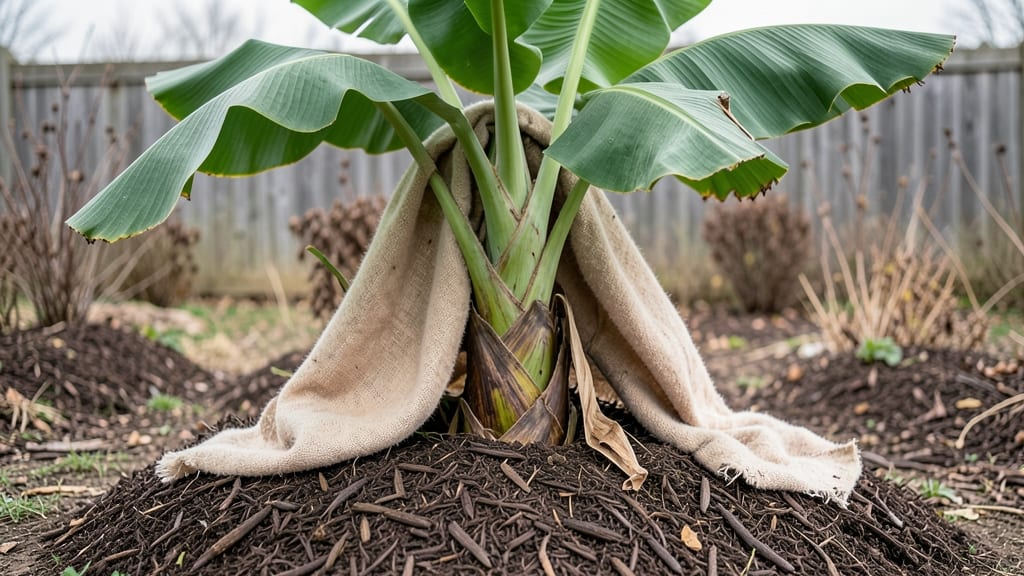
Winterizing banana trees in freezing zones isn’t just about survival—it’s about giving them a fighting chance to bounce back stronger next spring. 🌿 I’ve watched banana plants shiver in 20°F nights and still push out new leaves by May, and the secret lies in the right prep work.
The key is protecting the crown, insulating the roots, and choosing varieties that can handle your coldest temperatures without turning into a science experiment.
You don’t need fancy equipment—just a few basic supplies: thick mulch (straw or pine needles work best), burlap or frost cloth for wrapping, and a way to monitor soil temperature (a simple soil thermometer does the trick).
For containerized plants, move them to a sheltered spot or into a garage with good airflow. The goal is to keep the roots from freezing while letting the plant breathe—too much insulation can cause rot.
By spring, you’ll see those familiar banana leaves unfurling again, sometimes even before the last frost. The plants might look battered, but with proper care, they’ll reward you with fruit the following summer.
And if you’re growing in a colder zone, opting for cold-hardy varieties like ‘Dwarf Cavendish’ or ‘Red Dwarf’ makes all the difference.
Whether you’re dealing with in-ground plants or pots, the principles stay the same: protect the crown, insulate the roots, and don’t overdo it. A little prep now means lush, productive banana trees later—no guesswork, just results. Let’s get those plants through winter like a pro.
📚 In This Guide
- What you need
- Instructions
- Tips and common mistakes
- Wrapping up and next steps
What you need
- ● Mulch: 4–6 inches of straw, wood chips, or shredded leaves (organic and breathable). Avoid plastic or dense materials.
- ● Burlap or frost cloth: 2–3 sheets (10x15 ft each) to wrap trunks and leaves.
- ● Pruning shears: Sharp, sterilized pair for trimming dead or damaged fronds.
- ● Garden twine or burlap strips: For securing wraps around trunks.
- ○ Cold-frame or cloche (optional): Clear plastic dome (18"–24" tall) for extra insulation.
- ○ Thermometer (optional): Soil or air thermometer to monitor temperature drops.
- ● Know your zone: Confirm if your area falls under USDA Zones 8–10 (or equivalent) where banana trees need protection.
- ● Healthy tree baseline: Ensure your banana tree is pest-free and well-hydrated before winter.
- ● Sun exposure check: Note if your tree is in full sun or partial shade—this affects wrapping needs.
Step-by-Step instructions for winterizing banana trees
Here's how to protect your banana plants through freezing temperatures—no fancy tools needed.
🌱 Step 1: Stop Fertilizing and Reduce Watering
About 6 weeks before the first frost, switch to a low-nitrogen fertilizer (like a 5-5-5 blend) to help the plant toughen up. This signals the banana to focus on root and stem strength rather than leaf growth. Cut back on watering too—water only when the top 2 inches of soil feel dry. Overwatering now encourages soft growth that freezes easily.
Watch for yellowing leaves at the base—they’re the plant’s way of shedding weak growth. Let them fall naturally; don’t prune them off. This natural process redirects energy to the pseudo-stem, which stores nutrients for regrowth after cold snaps.
✂️ Step 2: Prune Back and Mulch Heavily
When nighttime temps drop to 40°F, it’s time to prune. Cut back all but the lowest 12 inches of the pseudo-stem—this reduces the plant’s surface area exposed to cold. Use clean, sharp pruners to avoid tearing the tissue. Discard the pruned fronds immediately to prevent disease.
Spread a 4-6 inch layer of straw or leaves around the base, piling it 6-8 inches deep against the trunk. This acts like a blanket, insulating roots from freezing ground temps. Avoid plastic mulch—it traps moisture and can rot the stem. Check the mulch weekly and add more if it settles below 4 inches deep.
🪴 Step 3: Wrap the Trunk and Protect the Crown
Once temps hit 35°F, wrap the pseudo-stem with burlap or cardboard tubes secured with twine. This adds an extra 5-10°F of protection against radiant heat loss. Leave the top 6 inches open to allow some airflow—banana stems rot if smothered in moisture.
For extra protection, drape a clear plastic sheet over the entire plant, securing it with bricks or stakes. This creates a mini greenhouse effect, trapping warmth during cold snaps. Remove it during the day if temps rise above 50°F to prevent overheating and fungal growth.
⏰ Step 4: Monitor and Adjust Through Freezes
During hard freezes (below 28°F), check your banana tree every 2-3 hours. If ice forms on the plastic cover, gently brush it off to maintain light penetration. Never let ice build up—it blocks sunlight and can crush tender new growth.
If the trunk shows blackened or mushy spots, it’s already damaged. Cut back to healthy green tissue immediately to prevent further rot. Even if the above-ground parts die, roots often survive—new shoots will emerge from the base in spring.
Tips & tricks for winterizing banana trees
Took me years of trial and error to master these cold-hardy banana survival tricks—your plants will thank you.
Timing Secret: That 6-week window before the first frost isn't just arbitrary—it's when banana plants naturally start preparing for dormancy. Watch for the first nighttime temps dipping into the 50°F range as your cue to begin the low-nitrogen fertilizer transition. This gives the plant exactly 6 weeks to harden off before winter hits.
Pruning Precision: When you're cutting back to that 12-inch pseudo-stem in Step 2, aim to leave a clean, slightly tapered cut rather than jagged edges. The smoother the surface, the better it'll withstand cold winds. I've found that using a sterilized razor blade for the final trim after the initial pruning eliminates any microscopic tears that can invite disease during winter.
Mulch Maintenance: The 4-6 inch mulch layer isn't just about thickness—it's about creating an air pocket that insulates roots. After applying your straw or leaves, gently press down the outer edges to seal any gaps where cold air might sneak in. I like to add a layer of cardboard underneath the mulch for extra insulation, especially in zones where temps drop below 20°F.
Plastic Protection: That clear plastic sheet in Step 3 works wonders, but here's the key: leave about 6 inches of space between the plastic and the plant's crown. This prevents condensation buildup that can lead to fungal issues. During sunny winter days, prop the plastic up slightly to allow some airflow while still trapping heat. I've seen plants survive -5°F temps with this method!
Pro Tips for Winterizing Banana Trees
- Took me years of trial and error to master these cold-hardy banana survival tricks—your plants will thank you.
- Timing Secret: That 6-week window before the first frost isn't just arbitrary—it's when banana plants naturally start preparing for dormancy.
- Pruning Precision: When you're cutting back to that 12-inch pseudo-stem in Step 2, aim to leave a clean, slightly tapered cut rather than jagged edges.
Frequently asked questions
Got questions about winterizing banana trees?
You’re not alone! Here are answers to the most common concerns—from timing to troubleshooting—so your tropical beauty thrives through frost and freeze.
When is the best time to winterize banana trees?
Start preparing before the first frost hits—typically 4–6 weeks ahead in freezing zones (USDA 8–10). If temps dip below 32°F (0°C), act fast! Cut back fronds, mulch, and wrap trunks by late fall (October–November in most regions). Late winter (February–March) is for cleanup and pruning dead growth.
Can banana trees survive winter without protection?
Most banana varieties (like Musa acuminata) are not cold-hardy below 25°F (−4°C). Without winterizing—mulch, wraps, or microclimates—they’ll suffer frostbite, dieback, or rot. Hardy cultivars (e.g., Musa basjoo) tolerate 10–15°F (−9 to −12°C) but still need strategic protection.
What’s the easiest way to winterize if I’m not experienced?
Start with mulching: Pile 12+ inches of straw or leaves around the base (but not touching the trunk). Add a burlap wrap or frost cloth for extra insulation. For potted trees, move them to a garage or insulate with bubble wrap. Pro tip: Skip complex systems—focus on heat retention first!
My banana tree’s leaves turned black after winterizing—what went wrong?
Blackened leaves often signal over-moisture (from soggy mulch) or frost damage despite protection. Check for:
- Mulch depth: Too thick? Reduce to 6–8 inches to prevent rot.
- Wrap tightness: Loose fabric lets cold air in—secure snugly but not crushing.
- Drainage: Ensure pots have holes; raised beds prevent waterlogging.
Can I winterize banana trees in containers differently than in-ground?
Yes! Potted trees need extra care:
- Move indoors: Shift pots to a bright, unheated garage (50–60°F/10–15°C ideal).
- Insulate roots: Wrap pots in bubble wrap or bury in straw.
- Avoid watering: Reduce to once every 3–4 weeks—overwatering kills roots in cold.
Wrapping up and next steps
Winterizing your banana trees doesn’t have to be a daunting task—with the right preparation and care, you can help them thrive even in freezing zones! 🌱❄️ Remember, the key is timing, insulation, and protection, whether you’re mulching, wrapping, or moving potted plants indoors.
Your efforts now will reward you with lush regrowth come spring.
Ready to put your newfound knowledge into action? Start by assessing your banana trees this week—check for early signs of frost sensitivity and begin your winterizing routine. Happy gardening, and may your banana trees bounce back stronger than ever! 🌟