
Trees
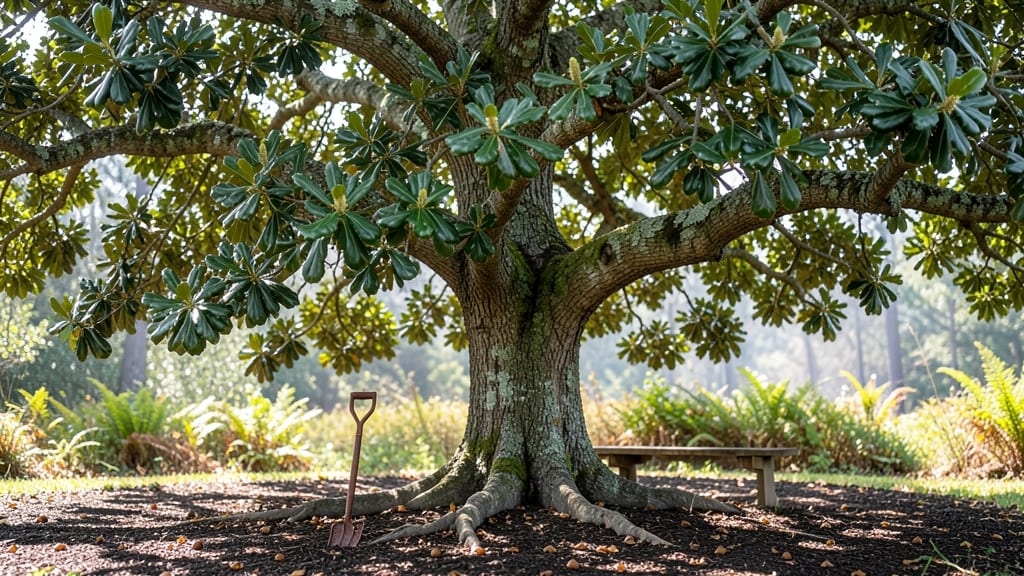
Planting native trees in Dallas, TX, transforms your yard into a thriving ecosystem that handles our brutal summers and unpredictable winters with ease. 🌳 I’ve learned the hard way—non-native trees wilt under our heat, while the right species stand tall year after year, offering shade, wildlife support, and stunning seasonal color.
The key is choosing species that match Dallas’ clay-heavy soil and hot, dry climate. Native favorites like Eastern Redbud (spring blooms), Texas Mountain Laurel (fragrant purple flowers), and Live Oak (evergreen shade) thrive with minimal fuss.
These trees also attract birds and butterflies, turning your yard into a local hotspot for wildlife.
You’ll love how these trees stay lush even during droughts, their deep roots accessing water others can’t reach. Plus, their year-round beauty—from redbud’s pink blossoms in March to live oak’s glossy leaves in December—keeps your landscape vibrant without extra work.
Maintenance is simple: just water deeply once established and prune in late winter.
Perfect for front yards, parks, or even large containers. Whether you’re replacing an old tree or starting fresh, these native species will give you decades of low-maintenance beauty—and maybe even a few new backyard friends in the form of birds and bees.
📚 In This Guide
- What you need
- Instructions
- Tips and common mistakes
- Wrapping up and next steps
What you need
- ● Tree: Choose a native species like Eastern Redbud, Texas Red Oak, or Mexican Sycamore (check local nurseries for Dallas-friendly options).
- ● Shovel: A round-point shovel (18–24 inches) for digging holes.
- ● Garden Gloves: Heavy-duty to protect your hands.
- ● Mulch: 2–4 inches of organic mulch (pine straw, wood chips) to retain moisture.
- ● Watering Can or Hose: With a gentle spray nozzle for post-planting hydration.
- ○ Tree Stake & Ties (Optional): For young trees in windy areas (use biodegradable ties).
- ● Location: Pick a spot with 6+ hours of sunlight (adjust for shade-tolerant species).
- ● Soil Test: Check pH (Dallas soil is often slightly alkaline—amend if needed).
- ● Permits: Verify with blank">Dallas City Hall if planting near power lines or sidewalks.
- ● Weather Check: Plant on a cool, cloudy day (avoid extreme heat/cold).
Step-by-Step guide for planting native trees in Dallas, TX
Here's how to establish thriving native trees that handle Dallas' heat, clay soil, and seasonal extremes.
🌱 Step 1: Choose the Right Native Species for Your Site
Dallas' USDA Hardiness Zones 7b-8a support a stunning array of native trees that require minimal care once established. For sun-drenched yards, Chinkapin Oak (Quercus muehlenbergii) and Texas Redbud (Cercis canadensis var. texensis) thrive with 6+ hours of direct sun and tolerate the city's alkaline soil. Shadier spots? Eastern Redbud or American Beautyberry (Callicarpa americana) add seasonal interest without demanding perfect conditions.
Here's the thing—avoid non-natives like Bradford Pear. They're invasive, weak-wooded, and attract pests that native trees naturally resist. Your local Dallas Arboretum plant sale offers certified native stock, or check with Texas A&M AgriLife Extension for region-specific recommendations. I always plant 2-3 trees per property to create a balanced ecosystem.
🪴 Step 2: Prepare the Planting Site Like a Pro
Native trees in Dallas need well-draining soil—and that means amending the heavy clay. Dig a hole twice as wide as the root ball but only as deep. The top of the root ball should sit 1-2 inches above grade to prevent waterlogging. Mix the excavated clay soil with 20% compost (I use Native Texas Blend from local nurseries) to improve structure and fertility.
Real talk: Don't add fertilizer at planting. Native trees establish better with minimal nutrients—they'll send roots deeper in search of natural resources. Water the hole thoroughly 24 hours before planting so the soil settles properly. If your site has compacted soil, rent a soil aerator to loosen the top 12 inches before planting.
☀️ Step 3: Plant with Proper Technique for Long-Term Health
Gently remove the tree from its container and loosen any circling roots with your fingers—this prevents girdling as the tree matures. Place it in the hole so the root flare (where roots meet trunk) is visible above the soil line. Backfill with the amended soil mixture, tamping lightly every 6 inches to eliminate air pockets.
Create a watering basin by mounding soil around the edges of the hole to direct water to the roots. Water deeply until the soil 6 inches down feels moist. Mulch with 2-3 inches of shredded hardwood mulch (keep it 6 inches away from the trunk to prevent rot). I use cedar mulch because it resists decomposition and suppresses weeds for 6-12 months.
💧 Step 4: Establish a Watering Routine for First Two Years
Dallas' summer heat demands consistent moisture during establishment. Water 2-3 times per week during the first growing season, delivering 5-10 gallons per tree each time. Use a soaker hose or drip irrigation to water at the drip line (edge of the tree's canopy), not just the trunk. This encourages deep root growth.
Check soil moisture weekly by inserting a screwdriver 6 inches deep. If it goes in easily, wait a day or two. If it's dry, water again. The first year is critical—native trees planted in fall need winter watering when rainfall drops below 1 inch per week. I set a reminder on my phone because forgetting leads to stress and poor establishment.
✂️ Step 5: Prune and Maintain for Lifelong Beauty
Wait 6-12 months before pruning to let the tree recover from transplant shock. Remove only dead, diseased, or crossing branches using clean, sharp pruners. Native trees like Texas Red Oak develop strong branch structure naturally—avoid heavy pruning that weakens the canopy. Prune in late winter (February) when the tree is dormant but before new growth begins.
Monitor for oak wilt (common in native oaks) and aphids (on redbuds). Treat with neem oil if needed, but prevention is key. Fertilize only if growth is stunted after 2 years, using a slow-release native plant fertilizer with 10-10-10 ratio. Dallas' clay holds nutrients well once the tree's root system expands.
Tips & tricks for perfect native tree planting in Dallas
A few key strategies that'll help your native trees thrive in Dallas' challenging conditions.
Species Selection: Pay attention to the 6+ hours of direct sun requirement for Chinkapin Oak and Texas Redbud—these varieties are perfect for sun-drenched Dallas yards. For shadier spots, Eastern Redbud or American Beautyberry are excellent choices. I always verify the mature height of each species before planting to ensure they fit your space—Chinkapin Oak can reach 25-35 feet while Redbud stays compact at 10-20 feet.
Soil Preparation: The 20% compost amendment is non-negotiable for Dallas' heavy clay soil. I recommend using Native Texas Blend compost available at local nurseries—it contains mycorrhizal fungi that help native trees establish stronger root systems. For compacted areas, rent a soil aerator to loosen the top 12 inches before planting, which mimics natural soil conditions and prevents waterlogging.
Planting Technique: When creating the watering basin in Step 3, make it 2-3 feet wide around the tree to ensure water reaches the entire root zone. The 6 inches deep soil moisture check is crucial—if your screwdriver goes in easily, your tree has enough moisture. Pro tip: Use a soaker hose for the first watering to saturate the soil without disturbing the newly planted roots.
Establishment Care: The 2-3 times per week watering schedule during the first growing season is critical, but timing matters just as much. Water in the early morning to reduce evaporation and fungal risks. For winter watering, I set a reminder when rainfall drops below 1 inch per week—this prevents drought stress during the critical first year. Remember that 5-10 gallons per tree is a range, so adjust based on your soil type and weather conditions.
Pro Tips for Trees In Dallas Tx
- A few key strategies that'll help your native trees thrive in Dallas' challenging conditions.
- Species Selection: Pay attention to the 6+ hours of direct sun requirement for Chinkapin Oak and Texas Redbud—these varieties are perfect for sun-drenched Dallas yards.
- Soil Preparation: The 20% compost amendment is non-negotiable for Dallas' heavy clay soil.
Frequently asked questions
Got questions about choosing, planting, or caring for trees in Dallas, TX? You’re not alone! Here are some of the most common queries—plus straightforward answers to help you make the best decisions for your yard.
What are the best fast-growing trees for Dallas that still provide shade?
If you want quick shade, consider Green Ash or Eastern Redbud—both thrive in Dallas’ climate and grow at a moderate pace. For faster results, Silver Maple is a top pick, but it needs regular pruning to manage its aggressive roots. Always check local soil conditions before planting!
When is the best time to plant a tree in Dallas to ensure it survives?
Dallas’ mild winters and hot summers make fall (October–November) the ideal time to plant. The cooler weather helps roots establish before summer stress. Spring (February–March) is a close second—just avoid planting during extreme heat or drought. Pro tip: Water deeply 2–3 times per week for the first month!
Are there any trees I should avoid planting in Dallas due to pests or diseases?
Yes! Bradford Pear (invasive, weak wood) and Chinese Elm (susceptible to Dutch elm disease) are common culprits. Instead, opt for native species like Texas Red Oak or Mexican Sycamore, which are hardier and support local wildlife. Always research before buying!
How often should I water a newly planted tree in Dallas’ heat?
Newly planted trees need deep, infrequent watering: about 15–20 gallons per week for the first year. Water slowly at the base (not the leaves) to encourage deep root growth. During Dallas’ brutal summers, increase to twice weekly—but reduce as roots establish. Mulch 2–3 inches around the base to retain moisture!
Can I plant a tree in a small urban yard, or are they only for large properties?
Dallas’ urban yards can accommodate dwarf or compact varieties like Dwarf Yaupon Holly or Little Gem Magnolia. Just ensure it has enough space for mature root spread (check the species’ tag). Container-grown trees are also great for tight spaces—just plant them slightly deeper than their nursery pot!
Wrapping up and next steps
Dallas’s native trees aren’t just stunning—they’re resilient, eco-friendly, and perfect for year-round beauty! From the towering Pecan to the vibrant Texas Redbud, these species thrive in local climates while supporting wildlife and improving air quality.
Whether you’re a gardener, homeowner, or nature lover, planting the right tree can transform your space into a thriving green oasis. 🌳
Ready to make a difference? Start by choosing a species that fits your yard’s needs, then reach out to local nurseries or Dallas Arboretum for expert advice. Your future tree—and the planet—will thank you! 🌱