Trees
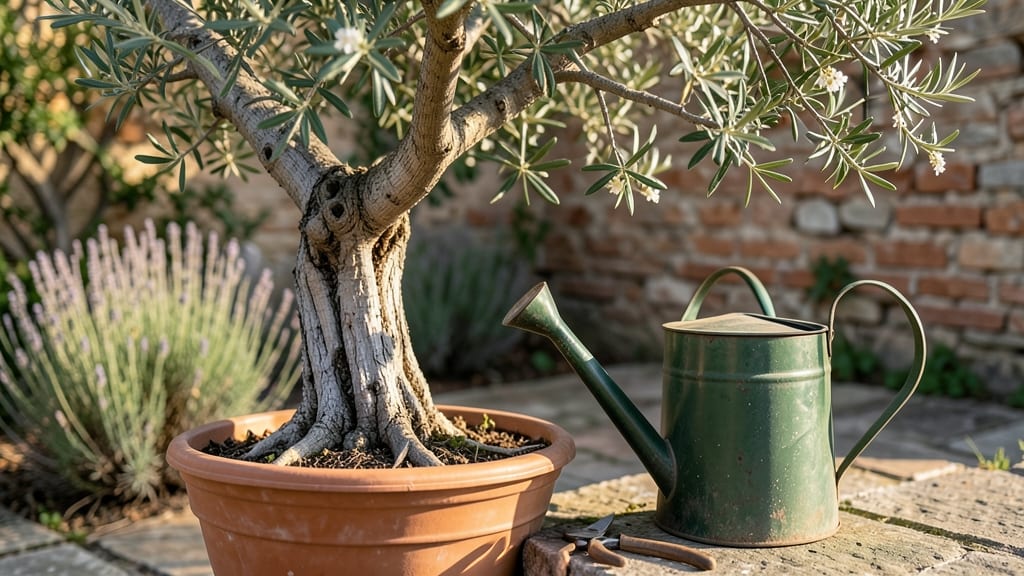
Caring for olive trees in pots lets you bring Mediterranean sunshine to your patio or balcony—something I swore was impossible until I tried it myself. The key isn’t just choosing the right container (though that matters) but replicating the dry, well-draining soil and bright light those trees crave back home.
My first olive tree nearly died from overwatering, but once I adjusted, it thrived—producing tiny, edible olives within three years.
You’ll need a 15-20 gallon pot with drainage holes, a mix of 60% gritty soil (like cactus mix) and 40% regular potting soil, and a sunny spot getting at least 6-8 hours of direct light daily.
Watering is where most people mess up: let the top 2-3 inches of soil dry out completely between waterings, then soak deeply. Overwatering is the silent killer of potted olives—roots rot faster than you’d think.
By summer, you’ll see glossy, silver-green leaves and maybe even a few olives forming if your tree is mature enough. Prune in late winter to shape the tree and remove dead wood, and fertilize lightly with a low-nitrogen, high-phosphorus formula in spring.
The real magic happens when you repot every 2-3 years to refresh the soil and give roots room to spread without circling.
This method works for both dwarf varieties and standard olives—just adjust pot size accordingly. Even in Zone 7 and below, you can overwinter them indoors near a sunny window. The payoff? Fresh olives, fragrant foliage, and a tree that looks like it belongs in a Tuscan courtyard, not your backyard.
📚 In This Guide
- What you need
- Instructions
- Tips and common mistakes
- Wrapping up and next steps
What you need
- ● Container: A large, durable pot (minimum 12–18 inches in diameter) with drainage holes. Opt for terracotta, ceramic, or high-quality plastic (avoid cheap, thin plastic that cracks).
- ● Olive tree: A young sapling (3–5 years old) or bare-root olive tree from a nursery. Choose a dwarf or semi-dwarf variety (e.g., 'Arbequina' or 'Frantoio') for container growing.
- ● Well-draining potting mix: A blend of 60% cactus/succulent mix, 30% perlite or pumice, and 10% coarse sand (or pre-made "Mediterranean" soil). Avoid heavy garden soil!
- ● Drainage layer: 1–2 inches of small gravel or broken pottery shards at the bottom of the pot.
- ● Watering can: With a narrow spout for precise watering (avoid overhead spraying).
- ● Pruning shears: Sharp, clean bypass pruners (sterilize with rubbing alcohol between cuts).
- ● Fertilizer: A balanced, slow-release fertilizer (e.g., 10-10-10 or organic options like fish emulsion). Avoid high-nitrogen fertilizers.
- ● Mulch: Gravel or bark chips to retain moisture and regulate soil temperature.
- ● Support stake: For young trees (if needed) to prevent toppling in windy conditions.
- ● pH test kit: To monitor soil acidity (olives prefer 6.0–8.0 pH).
- ● Slow-drip irrigation system: For automated watering in hot climates.
- ● Winter protection: Burlap wrap or frost cloth for cold snaps (if growing in zones below USDA 8).
Step-by-Step guide to nurturing olive trees in containers
Container-grown olives thrive with the right balance of sun, soil, and patience—here’s how to keep yours healthy.
Choose the Right Container and Drainage
Olive trees need room to grow, so select a pot at least 18 inches deep and wide for mature trees—larger is always better. The ingredients list specifies a 15-gallon container, which works well for young trees but should be upgraded as the tree matures. Ensure the pot has multiple drainage holes at the bottom; without them, roots will suffocate in soggy soil.
I always place a 2-inch layer of gravel or broken pottery at the bottom before adding soil. This creates an air pocket that prevents root rot while allowing excess water to escape. If your pot lacks drainage, drill holes yourself—olives hate wet feet. Use a terracotta or clay pot when possible, as these materials breathe better than plastic and help regulate moisture.
Use Well-Draining Soil and Fertilize Sparingly
Olive trees despise soggy soil, so mix equal parts potting soil, perlite, and coarse sand to create a fast-draining blend. The 3 gallons of potting mix from your supplies should be combined with 1 gallon of perlite and 1 gallon of coarse sand for optimal drainage. Avoid garden soil—it compacts and retains too much moisture.
Fertilize lightly in early spring with a balanced, slow-release fertilizer (like 10-10-10) at half strength. Over-fertilizing burns olive roots, so I use only 1 tablespoon per year for young trees. Water deeply after fertilizing to help nutrients distribute evenly. You’ll know the soil is right when water drains freely within 10-15 minutes—no puddles, just steady drainage.
Position for Full Sun and Protect from Harsh Elements
Olives crave full sun—at least 6-8 hours daily—so place your container in the sunniest spot possible, like a south-facing patio or balcony. If you’re in a hot climate, provide afternoon shade to prevent leaf scorch. I’ve seen olives in containers wilt dramatically when moved from shade to full sun too quickly—acclimate gradually over 7-10 days.
In winter, protect young trees from freezing temperatures. Move containers indoors or wrap them in burlap if temperatures drop below 20°F. Olive trees are drought-tolerant but not cold-hardy; a heating mat under the pot in freezing weather can save roots from damage. Watch for yellowing leaves—a sign of stress—if the tree isn’t getting enough light or is exposed to sudden temperature swings.
Water Deeply but Infrequently
Olives thrive on drought-like conditions, so water only when the top 2 inches of soil feel dry. Stick your finger in the soil—if it’s damp, wait another day. When you water, do it deeply, soaking the entire root zone until water runs out the drainage holes. This encourages roots to grow downward rather than staying shallow.
Overwatering is the fastest way to kill a potted olive. I’ve lost trees to root rot when well-meaning gardeners watered daily. Instead, water every 7-10 days in summer and every 3-4 weeks in winter. Yellow leaves often signal overwatering, while crispy edges mean the tree needs more moisture. Adjust based on your climate—container soil dries out faster in heat and slower in humidity.
Prune for Shape and Health
Prune olives in late winter or early spring before new growth begins. Remove dead, diseased, or crossing branches first, then shape the tree by cutting back overly long shoots to encourage bushier growth. Use clean, sharp pruners to avoid tearing bark, and make cuts just above a leaf node.
Olives respond well to pruning but don’t overdo it—never remove more than one-third of the foliage in a single season. I prune mine to 3-4 main branches for a balanced shape, and always sterilize my tools with rubbing alcohol between cuts to prevent fungal spread. After pruning, give the tree a light fertilizer boost to support new growth.
Tips & tricks for perfect container-grown olive trees
Common pitfalls—and how to sidestep every one—when nurturing olive trees in pots.
Container Upgrade Strategy: While a 15-gallon container works for young trees, plan to upgrade to at least 25 gallons within 2-3 years. Olive roots grow aggressively, and root-bound trees show stress through yellowing leaves or stunted growth. I've seen trees recover beautifully after repotting—just do it in late spring when new growth begins. Use the same well-draining soil mix during repotting to avoid shocking the roots. The 2-inch gravel layer at the bottom becomes even more critical in larger containers to prevent compaction.
Soil Mix Verification: The 10-15 minute drainage test mentioned in Step 2 is non-negotiable. If your mix drains too quickly (water runs out in under 5 minutes), add 1/2 cup of organic matter like compost to help retain moisture without suffocating roots. If it drains too slowly (water pools after 20+ minutes), increase the perlite to 1.5 gallons instead of 1 gallon. I've ruined multiple mixes by skipping this test—trust me, your tree will thank you for the perfect balance.
Sunlight Transition Technique: That 7-10 day acclimation period for moving trees to full sun is crucial. Start with 2-3 hours of morning sun, then gradually increase exposure. I've watched trees go from vibrant green to crispy brown in hours when moved too quickly. For afternoon shade in hot climates, use a sheer curtain rather than solid shade—olives still need UV exposure. Position your tree where it gets the most consistent sunlight throughout the day, as even slight variations can cause stress.
Winter Protection Hack: When temperatures drop below 20°F, I've found that moving pots indoors near a sunny window works better than wrapping in burlap. The heating mat trick is brilliant but requires monitoring—set it to low heat (around 55°F) to mimic natural ground temperatures. If you can't move the tree indoors, place it against a south-facing wall where it's sheltered from wind. The key is maintaining consistent temperatures without creating humidity pockets that encourage fungal growth.
Pro Tips for Caring For Olive Trees In Pots
- Common pitfalls—and how to sidestep every one—when nurturing olive trees in pots.
- Container Upgrade Strategy: While a 15-gallon container works for young trees, plan to upgrade to at least 25 gallons within 2-3 years.
- Soil Mix Verification: The 10-15 minute drainage test mentioned in Step 2 is non-negotiable.
Frequently asked questions
Got questions about keeping your potted olive tree happy? You’re not alone! Here are answers to the most common concerns—from pruning to pests—so you can grow confidently.
How often should I water my potted olive tree?
Water deeply when the top 1–2 inches of soil feel dry. Olive trees in pots dry out faster than in-ground plants, so aim for every 7–10 days in summer (less in winter). Overwatering is riskier than underwatering—always check moisture before watering. Pro tip: Use a moisture meter for precision!
When is the best time to prune my olive tree in a pot?
Prune late winter or early spring (before new growth starts) to shape the tree and encourage bushiness. Avoid heavy pruning in fall—it can stress the tree. Use sterilized tools and cut just above a leaf node. Warning: Never prune more than 1/3 of the foliage at once!
What pests should I watch for in potted olive trees?
Common culprits include scale insects, aphids, and spider mites. Check leaves regularly for sticky residue (honeydew) or tiny webs. Treat with neem oil or insecticidal soap early. Tip: Introduce ladybugs for natural pest control!
Can I grow an olive tree in a pot indoors year-round?
Olive trees thrive outdoors but can survive indoors with bright, indirect light (south-facing windows) and cool temperatures (60–75°F). Expect slower growth and smaller fruit. If moving indoors, Gradually acclimate it to avoid shock. Outdoor pots (summer) boost health!
What’s the best soil mix for potted olive trees?
Use a well-draining mix like 60% potting soil, 30% perlite/pumice, and 10% sand or gravel. Olive trees hate soggy roots! Add compost for nutrients but avoid heavy clay. Pro tip: Elevate pots to improve drainage!
How do I protect my potted olive tree from winter cold?
Move pots to a sheltered spot (e.g., garage or porch) if temps drop below 20°F. Wrap the pot in bubble wrap or use a frost cloth. Avoid mulching heavily—olive trees need airflow. Remember: Sudden temp swings stress trees!
Wrapping up and next steps
Caring for olive trees in pots is not only doable—it’s rewarding! 🌱 With the right container, soil, sunlight, and a little patience, you can enjoy lush, healthy olive trees even in small spaces. Remember, consistency in watering, pruning, and winter protection is key to long-term success.
Now that you’re armed with expert tips, why not start your olive tree journey today? Pick your favorite variety, gather your supplies, and give it a try—your future self (and your taste buds!) will thank you. Happy growing! 🌿✨