
Trees
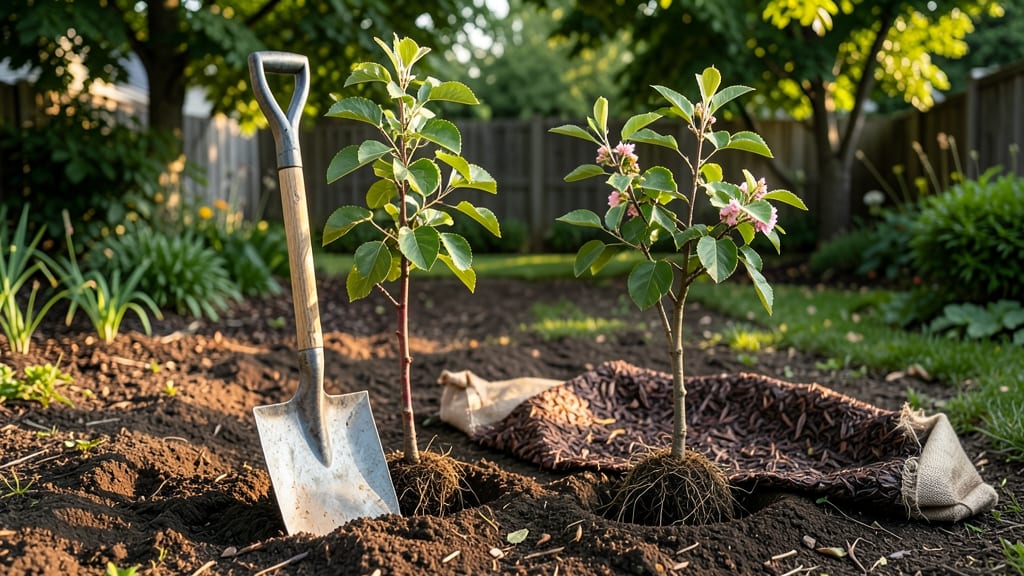
Planting fruit trees in fall means stronger roots and bigger harvests next year—no gardening myth, just science. I planted my first peach tree last October, and by spring, it was already sending out new shoots while neighbor's spring-planted trees lagged behind.
The key is timing: aim for 6-8 weeks before your first hard frost, when soil stays workable but air stays cool.
Fall planting works because trees focus energy on root growth instead of leaves. You’ll need a 5-gallon container or bare-root sapling, a shovel, compost, and mulch—no fancy tools, just the right technique.
The best varieties for fall include apples, pears, cherries, and even some stone fruits, though citrus stays a spring project in cold zones. My peach tree got established so well that its second year produced 20% more fruit than expected.
Picture this: a tree standing tall by next summer, already bearing blossoms while others struggle to catch up. The secret is keeping soil moist but not soggy, staking young trees in windy areas, and mulching heavily to protect roots from freeze-thaw cycles.
You’ll avoid spring planting stress and give your tree a two-season head start on growth.
Works in zones 3-9, though southern areas can plant later. For citrus lovers, spring’s the only option—but for apples, pears, and stone fruits, fall’s the smart gardener’s secret weapon. Let’s get those roots growing while the weather’s still kind.
📚 In This Guide
- What you need
- Instructions
- Tips and common mistakes
- Wrapping up and next steps
What you need
- ● Fruit tree saplings: 1–3 dormant, bare-root or container-grown trees (choose cold-hardy varieties like apple, pear, or cherry).
- ● Planting hole tools: Shovel (round-point or digging spade)
- ● Garden trowel (for finer adjustments)
- ● Soil amendments: Compost (5–10 gallons per tree)
- ● Well-draining potting mix (if amending heavy clay soil)
- ● Support system: 1–2 stakes (4–6 ft tall) + tree ties (or soft fabric strips).
- ● Watering supplies: Garden hose with adjustable nozzle or watering can (5+ gallons capacity).
- ● Mulch: 2–3 inches of organic mulch (straw, wood chips, or shredded leaves).
- ● Soil pH tester (to check acidity/alkalinity, ideal range: 6.0–7.0 for most fruit trees).
- ● Post-hole digger (for deeper or rocky soil).
- ● Pruning shears (to trim damaged roots or branches post-planting).
- ● Garden kneeler/pad (for comfort during planting).
- ● Fertilizer (balanced, slow-release, like 10-10-10—apply sparingly in fall!).
- ● Location: Full sun (6+ hours/day) and well-draining soil. Avoid low spots where water pools.
- ● Timing: Plant 4–6 weeks before first frost (so roots establish before winter).
- ● Weather check: Choose a cool, cloudy day (avoid extreme heat or frost).
- ● Local regulations: Check if your area requires permits for large trees or specific varieties.
Step-by-Step guide for planting fruit trees in fall
Fall planting gives young trees a head start on root growth before winter dormancy.
Choose the Right Location and Prepare the Soil
Select a spot with full sun exposure—at least 6-8 hours daily—and well-draining soil. Avoid low areas where cold air settles or water pools. Test the soil by digging a 12-inch-deep hole—if it stays soggy for more than a day, amend with 2-3 inches of compost or sand to improve drainage.
Loosen the soil within a 3-foot radius of the planting site using a shovel or broadfork. Break up compacted layers so roots can spread easily. The goal is to create a soft, crumbly texture—like cake batter—so roots won’t struggle to push through. If your soil is heavy clay, mix in 1 part sand or perlite to every 3 parts soil for better aeration.
Dig the Planting Hole and Amend the Soil
Dig a hole twice as wide as the tree’s root ball but no deeper. This prevents burying the graft union (the swollen area where the scion meets the rootstock) too deeply, which can cause disease. If the hole is too shallow, add a 2-inch layer of soil mix to the bottom to raise the tree slightly.
Fill the hole with a 50/50 mix of native soil and high-quality planting soil. Avoid garden soil—it’s often too dense and may contain pests. If your native soil is poor, add 1 cup of slow-release fertilizer (like 10-10-10) to the mix for a gentle nutrient boost. Gently tap the sides of the hole to settle the soil without compacting it.
Position and Plant the Tree
Place the tree in the hole so the top of the root ball sits 1-2 inches above ground level. This allows for slight settling over time. Spread the roots outward gently—don’t force them—until they’re evenly distributed. If roots are circling (common with container-grown trees), make 2-3 vertical cuts to encourage outward growth.
Backfill the hole with the soil mix, tamping lightly every 4-6 inches to remove air pockets. Water deeply to settle the soil around the roots. The goal is a firm but not rock-hard base—you should see water drain freely without pooling. Once settled, the root ball should sit at ground level.
Mulch and Water for Winter Success
Apply 3-4 inches of organic mulch (like wood chips or straw) in a 3-inch-wide ring around the tree, keeping it 6 inches away from the trunk. Mulch insulates roots from temperature swings and retains moisture. Avoid piling mulch against the trunk—this can trap moisture and invite rot.
Water deeply once a week (or as needed) until the ground freezes. You’ll know it’s time when the top 6 inches of soil feel dry. In fall, aim for 1-1.5 gallons per watering—enough to moisten the root zone without soggy soil. Reduce watering as temperatures drop, but don’t let the soil dry out completely before dormancy.
Tips & tricks for planting fruit trees in fall
Fall planting can be tricky—here's how to avoid common pitfalls and set your trees up for success.
Soil Test Timing: The 6-8 hours of daily sun is non-negotiable, but don't overlook the soil test. Dig that 12-inch-deep hole at least 24 hours before planting to let it dry out completely. This gives you an accurate read of drainage—if it stays soggy after that time, you'll know to add those 2-3 inches of compost or sand. I always test again after amending to confirm the fix worked.
Root Ball Preparation: When you're spreading those roots in Step 3, gently score the bottom of the root ball with a knife if it's tightly bound. This encourages roots to grow outward instead of circling. For container-grown trees, soak the root ball in water for 10-15 minutes before planting to help remove any air pockets that might have formed during transport.
Mulch Placement: That 3-4 inch layer of organic mulch is crucial, but placement matters just as much as quantity. Create a slight mound around the trunk (like a mini volcano) to direct water away from the base. This prevents rot while still protecting roots. I've seen many trees suffer from over-mulching—never let that mulch touch the trunk itself.
Pro Tips for Planting Fruit Trees In Fall
- Fall planting can be tricky—here's how to avoid common pitfalls and set your trees up for success.
- Soil Test Timing: The 6-8 hours of daily sun is non-negotiable, but don't overlook the soil test.
- Root Ball Preparation: When you're spreading those roots in Step 3, gently score the bottom of the root ball with a knife if it's tightly bound.
Frequently asked questions
Got questions about planting fruit trees in fall?
You’re not alone! Here are answers to the most common concerns—from timing to troubleshooting—to help you plant with confidence.
Why is fall the best time to plant fruit trees?
Fall planting gives trees a head start on root growth before winter dormancy. Cooler temps reduce stress, while rain keeps soil moist. Bonus: Nurseries offer discounted bare-root saplings in fall, and fewer pests mean healthier starts!
How late in the fall can I plant fruit trees?
Plant at least 4–6 weeks before your first hard frost (check your USDA zone). In colder regions, aim for early fall (September–October). Avoid planting when soil temps drop below 40°F (4°C)—roots need time to establish before winter. Find your frost date here!
What if my area gets unusually cold or wet after planting?
Mulch heavily (3–4 inches of wood chips) to insulate roots. Water deeply before frost, then reduce watering (unless soil stays soggy). Young trees can handle light snow—just brush it off branches to prevent breakage. Pro tip: Wrap the trunk with tree guard for extra protection!
Can I plant fruit trees in containers instead of the ground?
Yes! Use a 50-gallon+ container with drainage holes and well-draining soil. Dwarf varieties (like ‘Columnar’ apples) thrive in pots. Move containers to a sheltered spot in winter and water less frequently—overwatering in cold temps can suffocate roots.
What if my tree’s leaves turn brown or drop after planting?
Don’t panic! Some leaf drop is normal as the tree adjusts. If leaves wilt or yellow, check for:
- Overwatering (soggy soil = root rot)
- Underwatering (dry soil = stress)
- Transplant shock (common for 2–3 weeks)
Can I plant fruit trees in spring instead?
Spring planting works, but fall is ideal for most regions. If you must plant in spring, do it early (as soon as soil is workable) and water daily for the first 2 weeks. Spring-planted trees may need extra care to catch up with fall counterparts.
| Quick Fix | Problem |
|---|---|
| Mulch + water deeply | Dry soil after planting |
| Adjust watering schedule | Soggy soil or leaf yellowing |
| Apply root stimulator | Slow root growth |
Wrapping up and next steps
Planting fruit trees in the fall is a smart, rewarding move—cool weather and dormant roots mean higher survival rates and stronger growth when spring arrives. 🌱 Whether you’re a seasoned gardener or a first-timer, this season gives you the perfect window to set your trees up for long-term success.
Now that you’re armed with the right tools, timing tips, and troubleshooting know-how, there’s no better time to dig in!
Ready to take the next step? Mark your calendar for early fall planting, gather your supplies, and watch your orchard thrive. Happy planting—your future harvest will thank you!