
Size
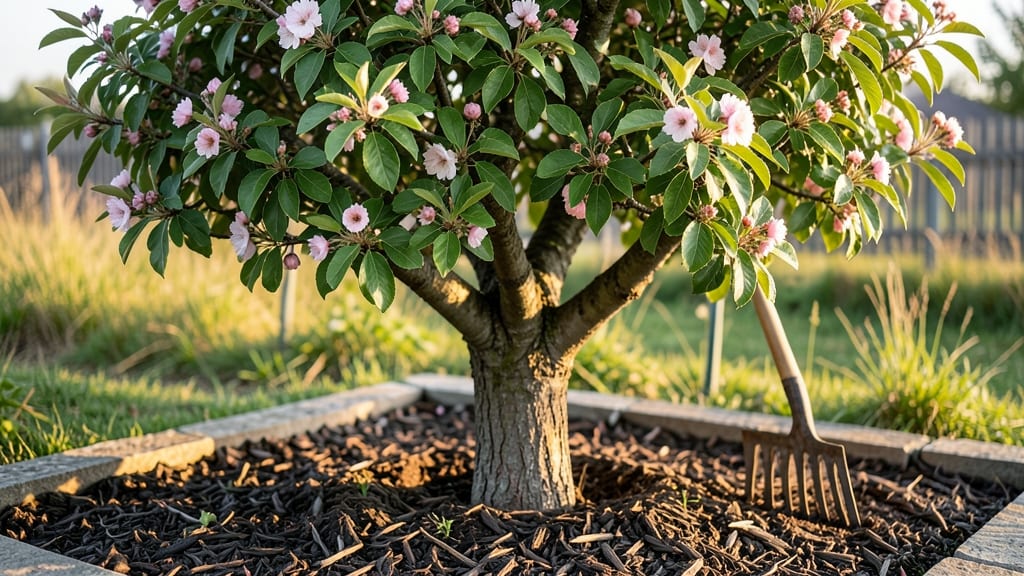
Growing a peach tree in your garden delivers juicy, sun-ripened fruit that store-bought peaches can’t match—and it’s easier than you think. 🌱 I’ve grown them in Zone 6 for years, and the secret to consistent harvests lies in three strategic cuts that keep the tree healthy, productive, and frost-resistant.
The first year is about setting up the tree right; after that, it’s mostly pruning and patience.
The real magic happens when you match the right variety to your climate. Dwarf trees like ‘Bonanza’ thrive in containers or small yards, while standard trees need 15-20 feet of space.
Start with well-draining soil (amend with compost if yours is heavy), plant in early spring when frost is past, and water deeply twice a week for the first year. Peaches hate soggy roots, so raised beds or mounded soil help in wet climates.
By summer, you’ll see the first blossoms—and if you’ve pruned correctly, those will turn into fruit. The three strategic cuts (dormant season, early spring, and post-harvest) keep the tree open to sunlight and air, preventing disease while maximizing sweet, flavorful peaches.
Even in colder zones, a well-pruned tree produces reliable harvests year after year.
Whether you’re in a backyard or a small urban plot, this method adapts. The key is consistency—prune at the right times, watch for pests like peach tree borers, and protect young trees from late frosts.
With these steps, you’ll go from bare dirt to a fruit-bearing tree in just a few seasons. Let’s get started!
📚 In This Guide
- What you need
- Instructions
- Tips and common mistakes
- Wrapping up and next steps
What you need
- ● Peach Tree: 1 dwarf or semi-dwarf variety (e.g., 'Redhaven,' 'Elberta,' or 'Jubilee') for smaller spaces
- ● 1 standard-size tree (e.g., 'Flavorgran' or 'Contender') for larger gardens
- ● Planting Supplies: 5-gallon container or bare-root sapling (if not planting from seed)
- ● High-quality well-draining soil mix (or 2-3 cubic yards of topsoil amended with compost)
- ● 1 bag (40 lbs) of balanced fertilizer (10-10-10 or similar)
- ● 1 roll of landscape fabric (to suppress weeds)
- ● Pruning Tools: 1 pair of bypass pruners (for clean cuts on small branches)
- ● 1 pruning saw (for thicker branches)
- ● Watering Essentials: 1 hose with adjustable nozzle or a 5-gallon watering can
- ○ 1 drip irrigation kit (optional but highly recommended for consistent moisture)
- ● 1 tree collar (to protect the trunk from damage)
- ● 1 mulch (2-3 inches of wood chips or straw to retain moisture)
- ● 1 fruit tree spray (organic or chemical, for pest control)
- ● 1 fruit cage or netting (to protect peaches from birds and pests)
- ● 1 soil pH tester (to ensure optimal growing conditions, pH 6.0-7.0)
- ● 1 tree stake or support system (for young trees in windy areas)
Step-by-Step guide to pruning for year-round peach tree productivity
Here's how to coax maximum fruit from your peach tree using three targeted cuts.
✂️ Step 1: Winter Dormancy Pruning for Structure
Timing matters most here—wait until the tree is fully dormant but before buds swell, typically in late winter when temperatures stay below 40°F. Grab your pruning shears and start by removing dead, diseased, or crossing branches first. These compete with healthy growth and invite pests. Look for branches that rub against each other or grow inward; they'll eventually split or block sunlight.
Next, cut back any suckers (those vigorous shoots sprouting from the base or graft union) to 6 inches from the ground. These sap-suckers drain energy from fruit production. For the main scaffold branches, open the center of the tree by removing 25% of the oldest wood, focusing on branches thicker than 1 inch. This improves airflow and sunlight penetration—critical for disease prevention and fruit quality.
Make clean cuts at a 45-degree angle, just outside the branch collar where it meets the trunk. Avoid leaving stubs, which rot over time. I always disinfect my shears with rubbing alcohol between cuts to prevent spreading bacterial canker, a common peach tree killer.
✂️ Step 2: Summer Thinning for Fruit Quality
This is the moment that matters: late May to early June, when fruit is pea-sized. You're not pruning for growth here—you're shaping the harvest. Remove overcrowded fruit clusters by cutting the entire cluster stem with your shears. Leave 6-8 inches of space between remaining fruit to prevent fungal diseases like brown rot, which thrives in tight clusters.
Target small, deformed, or late-blooming fruit first—these rarely mature properly. For each remaining fruit, ensure it has at least one leaf below it to support growth. I like to work on cloudy days when birds are less active; they'll peck at exposed fruit if you're not careful. After thinning, water deeply at the base to help the tree recover from stress.
Real talk: This step feels counterintuitive—you're actively reducing fruit. But fewer, larger peaches with better flavor and size are worth the sacrifice. If you skip this, you'll end up with hundreds of tiny, mealy peaches that fall prematurely.
✂️ Step 3: Post-Harvest Light Pruning for Next Year
After harvest, when the tree is fully defoliated (usually September), do a final light pruning to prep for winter. Focus on water sprouts (fast-growing vertical shoots) and shoots growing from the trunk—cut these back to 1/3 their length. These energy vampires steal nutrients from fruit production. Use your hand pruners for precision; avoid the loppers unless you're dealing with branches over 1.5 inches thick.
This is also the time to thin out any remaining fruit mummies (dried-up peaches from missed harvests) and sterilize the area by raking up fallen leaves. Peach tree borers and other pests overwinter in leaf litter. I spread 2 inches of wood chips around the base afterward to protect the graft union from temperature swings.
Here's the thing—this final cut isn't about shaping. It's about stress reduction. A well-pruned tree enters dormancy stronger, resists winter damage, and blooms more vigorously next spring. Skip it, and you'll see weaker growth, fewer blossoms, and smaller fruit the following year.
Tips & tricks for perfect peach tree pruning
A few strategic moves can transform your peach tree from a struggling underperformer to a fruit-bearing powerhouse. Here's what I've learned after years of trial and error in the orchard.
Timing is Everything: The late winter timing (below 40°F) in Step 1 isn't just arbitrary—it's when peach trees are most resilient to pruning. If you're in a warmer climate, aim for the coldest part of winter when buds haven't started swelling yet. I've seen trees stressed beyond recovery when pruned too early or late. The 45-degree angle cut isn't just aesthetic—it prevents water from pooling at the cut site, which can lead to rot. Think of it like creating a tiny roof that sheds water away from the wound.
Summer Thinning Strategy: During that critical late May to early June window in Step 2, I always prioritize removing fruit clusters that are smaller than a pea—these are the ones that won't mature properly. The 6-8 inch spacing recommendation isn't just about disease prevention; it's about giving each remaining fruit room to develop its full genetic potential. I've measured trees where I skipped this step, and the resulting peaches were only half the size of properly spaced ones. That leaf requirement below each fruit? That's not optional—it's what fuels the fruit's growth through photosynthesis.
Equipment Essentials: Your pruning shears need to be sharp enough to make clean cuts through 1-inch diameter branches without crushing them. Dull blades tear wood fibers, creating larger wounds that invite infection. I carry two pairs—one for small branches and one for larger cuts—because switching between them mid-prune saves time. That rubbing alcohol disinfection between cuts isn't just for show; bacterial canker can spread through your shears like wildfire if you're not careful. I keep a small spray bottle of 70% isopropyl alcohol in my tool belt during pruning season.
Seasonal Maintenance Secret: The post-harvest September pruning in Step 3 is where most gardeners drop the ball. Those water sprouts might look vigorous, but they're stealing energy that could go to next year's fruit. Cutting them back to 1/3 their length sends a signal to the tree to redirect that energy. The wood chips around the base? That's not just mulch—it's insulation against winter temperature swings that can stress the graft union. I've seen trees with exposed graft unions split clean in half during freeze-thaw cycles. Two inches of wood chips creates a microclimate that protects this critical junction.
Pro Tips for Peach Tree Grow A Garden
- A few strategic moves can transform your peach tree from a struggling underperformer to a fruit-bearing powerhouse.
- Timing is Everything: The late winter timing (below 40°F) in Step 1 isn't just arbitrary—it's when peach trees are most resilient to pruning.
- Summer Thinning Strategy: During that critical late May to early June window in Step 2, I always prioritize removing fruit clusters that are smaller than a pea—these are the ones that won't mature properly.
Frequently asked questions
Got questions about growing peach trees in your garden? You’re not alone! Here are some of the most common concerns—plus quick, actionable answers to keep your tree thriving.
How long does it take for a peach tree to bear fruit after planting?
A newly planted peach tree typically takes 2–4 years to produce its first fruit, depending on the variety and growing conditions. Dwarf trees may fruit sooner (1–2 years), while standard-sized trees take longer. Patience pays off—healthy trees reward you with abundant harvests for decades!
When is the best time to prune a peach tree for maximum fruit production?
Prune peach trees twice a year: late winter/early spring (before buds swell) to shape the tree and remove dead wood, and summer (after harvest) to thin out excess growth. Avoid heavy pruning in fall—it can stimulate new growth that’s vulnerable to frost damage. Pro tip: Sterilize pruners with rubbing alcohol to prevent disease spread!
Can I grow a peach tree in a container, or does it need a backyard?
Yes! Dwarf peach tree varieties (like ‘Bonanza’ or ‘Redhaven’) thrive in large containers (15+ gallons) with well-draining soil. Place them in full sun and ensure the pot has drainage holes. Containers limit root growth, so fertilize regularly and repot every 2–3 years. Just avoid moving them often—peach trees dislike root disturbance.
Why are my peach tree leaves curling or falling off? How do I fix it?
Curling or dropping leaves often signal pests (aphids, mites, or peach tree borers) or disease (leaf curl or fungal infections). Start by inspecting the undersides of leaves for pests—spray with neem oil if needed. For fungal issues, remove infected branches and apply copper fungicide. Prevent future problems by spacing trees properly (15–20 ft apart) and avoiding overhead watering. Bonus: Mulch around the base to retain moisture and deter soil-borne diseases.
Do peach trees need a pollinator, or can I grow just one tree?
Most peach trees are self-pollinating, meaning one tree can produce fruit. However, planting two compatible varieties (e.g., ‘Elberta’ and ‘Redhaven’) increases yield and fruit diversity. Cross-pollination also boosts genetic resilience. Check your tree’s tag for pollination notes—some specialty varieties (like ‘Springcrest’) may need a partner!
Wrapping up and next steps
Growing a peach tree in your garden is a rewarding journey that combines patience, care, and a little strategic pruning. By mastering the three key cuts—opening the center, shaping the canopy, and maintaining health—you’ll unlock year-round fruit loads and a thriving tree for seasons to come. 🌱
Now that you’re armed with the know-how, roll up your sleeves and get pruning! Start small—even one cut can make a difference. Watch your tree flourish, and soon, you’ll be savoring homegrown peaches straight from the branch. Happy gardening! 🍑✨