
Planting
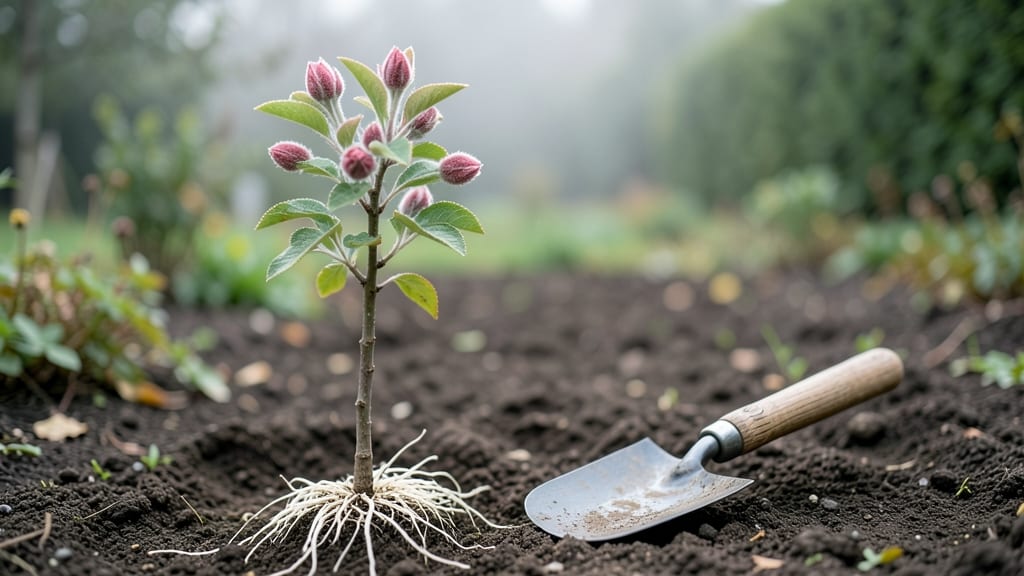
Transplanting fruit trees isn't just about digging and moving—it's about giving your tree a second chance at deep, cold-hardy roots. 🌳 I learned this the hard way when my peach tree nearly died after a rushed spring move, but now I've perfected a method that keeps trees thriving through winter and beyond.
The secret lies in timing, preparation, and gentle handling. You'll want to transplant during dormant season (late fall or early spring), when trees aren't actively growing.
A well-drained site with loose soil and proper spacing makes all the difference—think of it as giving your tree a cozy, roomy new home instead of a cramped apartment.
With the right approach, you'll see new growth within 6-8 weeks, and trees will fruit just as heavily as if they'd grown in place.
The key is minimizing root damage and stress, so we'll cover everything from pruning to watering schedules that keep your tree happy through its first cold snap.
Whether you're relocating an apple tree or a peach, these steps work for most cold-hardy varieties. Let's get your tree settled into its new home the right way—no more sad, struggling transplants!
📚 In This Guide
- What you need
- Instructions
- Tips and common mistakes
- Wrapping up and next steps
What you need
- ● Shovel or spade: A sturdy, sharp-edged digging tool (18–24 inches wide) for digging the new hole and loosening roots.
- ● Pruning shears or saw: For trimming damaged roots or branches (sterilized with rubbing alcohol).
- ● Grafting tape or tree wrap: 1–2 rolls (1–2 inches wide) to protect the trunk from sunburn or pests.
- ● Organic mulch: 2–3 cubic yards (e.g., wood chips, straw, or pine needles) to retain moisture and regulate soil temperature.
- ● Well-draining potting mix or native soil: At least 1–2 cubic yards, amended with compost (20–30% organic matter).
- ○ Root stimulator or mycorrhizal fungi: Optional but helpful for cold-hardy species (follow label instructions).
- ● Watering can or hose with a gentle nozzle: For deep, slow watering (5–10 gallons per tree initially).
- ○ Staking supplies (optional): 2–3 wooden stakes (2–3 feet tall) + soft tree ties if your tree needs support.
- ● Timing: Transplant in early spring or fall (avoid extreme heat or frost).
- ● Site prep: Test soil pH (ideal: 6.0–7.0 for most fruit trees) and amend as needed.
- ● Weather check: Ensure 3–5 days of dry, mild weather post-transplant to reduce shock.
- ● Tree selection: Choose cold-hardy varieties (e.g., Apple ‘Liberty’, Cherry ‘Montmorency’) suited to your USDA zone.
Step-by-Step instructions for transplanting fruit trees safely
Here's how I've successfully moved mature fruit trees without shocking their roots.
🪴 Step 1: Prepare the New Location for Optimal Growth
Choose a spot with full sun exposure (6+ hours daily) and well-draining soil. Fruit trees need space—plant 15-20 feet apart for proper airflow and sunlight penetration. I dig a hole twice as wide and just as deep as the root ball to prevent root circling, which strangles growth.
Amend the native soil with 3-4 inches of compost mixed into the bottom of the hole. This improves drainage and provides nutrients without overwhelming the tree. Tap the sides of the hole gently after filling to eliminate air pockets that could dry out roots during transplanting.
🌱 Step 2: Dig and Lift the Tree with Care
Water the tree thoroughly 2-3 days before moving to encourage roots to extend outward. Dig a trench around the tree 12-18 inches from the trunk, following the root spread. Use a sharp spade to cut cleanly—ragged edges tear roots and slow recovery.
Lift the tree by its root ball, not the trunk. Wrap the root ball in a burlap sack or use a tarp to keep it intact. If roots are exposed, gently tease them apart with your hands—never pull or force them. The goal is to minimize root damage while keeping the tree stable during transport.
💧 Step 3: Plant and Water for Immediate Stability
Position the tree in the center of the hole so the top of the root ball sits 1-2 inches above ground level. This prevents soil from settling and burying the graft union, which can kill the tree. Fill the hole with native soil, tamping gently as you go to remove air pockets.
Water deeply right after planting to settle the soil and eliminate air gaps. The soil should be moist 6 inches down—use a trowel to check. Mulch with 2-3 inches of organic mulch (like wood chips) around the base, keeping it 6 inches away from the trunk to prevent rot.
☀️ Step 4: Protect and Monitor for First-Year Recovery
Stake the tree only if necessary—young, flexible trees often don’t need support. If staking, use 2-3 stakes positioned 12 inches from the trunk and tie loosely with soft fabric strips to avoid girdling. Prune any broken branches immediately, but avoid heavy pruning—stress weakens a tree during transplant shock.
Water weekly for the first month, then taper to every 2-3 weeks once established. Watch for signs of stress: wilting leaves, yellowing foliage, or leaf drop. These are normal reactions, but if they persist beyond 4-6 weeks, the tree may need deeper watering or soil amendments.
Tips & tricks for transplanting fruit trees safely
Moving fruit trees without causing stress takes more than just digging and replanting—here’s how to give your trees the best chance to thrive.
Root Ball Protection: In Step 2, when lifting the tree, I’ve learned the hard way that burlap sacks work better than plastic—plastic can suffocate roots by trapping moisture. If you don’t have burlap, use a sturdy tarp, but leave the top open to prevent overheating during transport. The goal is to keep the root ball intact and aerated, not suffocated.
Soil Prep Secret: The 3-4 inches of compost in Step 1 isn’t just about nutrients—it’s about creating a moisture buffer. In dry climates, add an extra inch of compost to help retain water during the critical first month. Tap the sides of the hole after filling to eliminate air pockets, which can dry out roots faster than you’d expect.
Watering Wisdom: After planting in Step 3, don’t just water once and call it good. Check soil moisture 6 inches down with a trowel—if it’s dry, water again. I’ve seen trees wilt within days when homeowners assume one deep watering is enough. The first month is make-or-break for root establishment.
Staking Strategy: When staking in Step 4, I’ve seen gardeners use wire ties too tight—this girdles the trunk over time. Use soft fabric strips and tie loosely enough that you can slide two fingers between the tie and the trunk. Only stake if the tree leans noticeably; many young trees don’t need support at all.
Pro Tips for Transplanting Fruit Trees
- Moving fruit trees without causing stress takes more than just digging and replanting—here’s how to give your trees the best chance to thrive.
- Root Ball Protection: In Step 2, when lifting the tree, I’ve learned the hard way that burlap sacks work better than plastic—plastic can suffocate roots by trapping moisture.
- Soil Prep Secret: The 3-4 inches of compost in Step 1 isn’t just about nutrients—it’s about creating a moisture buffer.
Frequently asked questions
Got questions about transplanting fruit trees? You’re not alone! Here are some of the most common concerns—and straightforward answers—to help you navigate the process with confidence.
When is the best time to transplant fruit trees?
The ideal window is late fall to early winter (dormant season) or early spring before buds swell. Avoid extreme heat or frost—roots need time to establish without stress. For container-grown trees, you can transplant almost year-round, but spring/fall still win for best survival rates.
How long does it take for a transplanted fruit tree to recover?
Recovery varies by species, but most fruit trees take 1–2 years to fully adjust. Watch for new growth in spring—this signals root establishment. Patience is key! Prune lightly to reduce stress, and avoid heavy fruiting in the first year to prioritize root development.
Can I transplant a mature fruit tree, or is it better to start small?
Mature trees can be transplanted, but success drops sharply after 10–15 years due to extensive root systems. If you must move one, dig a wide trench around the base 6+ months prior to encourage root regrowth. Younger trees (3–5 years) transplant far more easily—ideal for beginners!
What if my transplanted tree wilts or drops leaves?
Don’t panic! Wilting or leaf drop often signals transplant shock. Keep soil consistently moist (not soggy), mulch heavily, and avoid fertilizing for 4–6 weeks. If leaves turn brown but stay attached, it’s normal—new growth will follow. Shade cloth for a few weeks can also help reduce stress.
Are there any fruit tree varieties that transplant better than others?
Yes! Dwarf or semi-dwarf varieties (like ‘Columnar’ apples or ‘Patio’ pears) handle transplanting best due to smaller root systems. Avoid giant heritage varieties unless you’re prepared for professional help. Cold-hardy types like apples, cherries, and plums also adapt well to northern climates—just match your zone!
Pro Tip:
Label everything!
Use stakes or plant tags to track varieties, transplant dates, and care notes. This saves headaches later when identifying trees—and helps you celebrate those first fruits!
Wrapping up and next steps
Transplanting fruit trees can feel daunting, but with the right timing, tools, and techniques, you’re well on your way to nurturing a thriving orchard! 🌱 Remember, patience and preparation are key—whether you’re relocating a young sapling or a mature tree, healthy roots and proper care will set the stage for years of delicious harvests.
Now that you’re armed with the know-how, grab your gloves and get ready to give your fruit trees the fresh start they deserve.
Your next step? Mark your calendar for the ideal transplanting window in your climate and start prepping your new home for these cold-hardy stars. Happy planting! 🍏🍊