Pruning
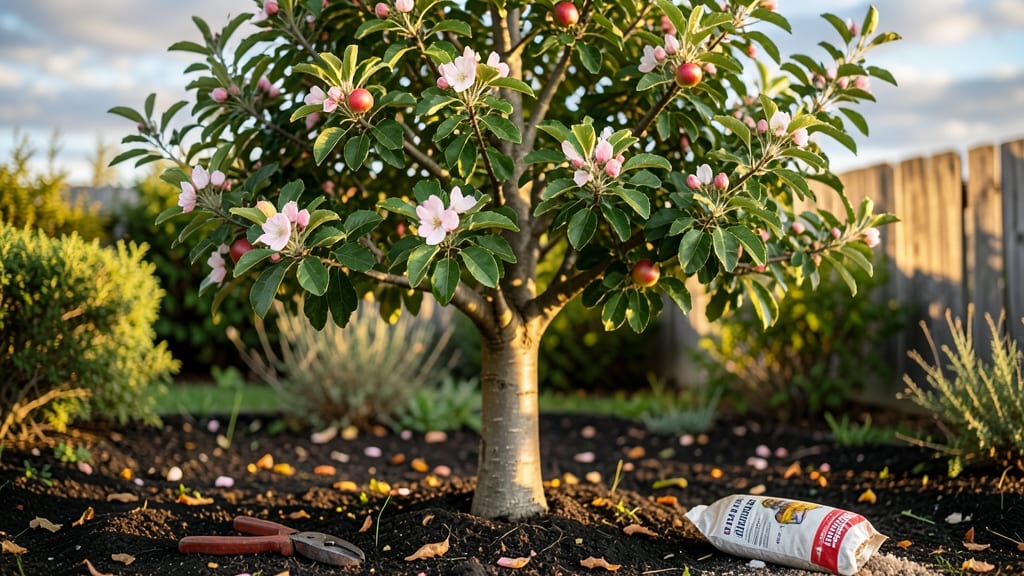
Growing a hybrid apple tree isn’t just about planting a seed—it’s about shaping a future harvest with every cut. I’ve watched my own trees go from scraggly saplings to heavy-fruiting giants, all thanks to a disciplined pruning schedule that keeps branches strong and productive year-round.
The key isn’t just timing; it’s understanding how each snip encourages more fruit, not more leaves.
Most gardeners prune once in late winter, but hybrid apple trees reward year-round attention—summer thinning prevents overcrowded fruit, and winter shaping sets the stage for next year’s bloom.
You’ll need basic tools (pruners, loppers, and a saw for thicker branches) and a clear goal: open the canopy to sunlight and air, so every apple gets the space to ripen properly. It’s not rocket science, but it does require patience—those first few years are about building structure, not harvests.
By the time you’re done, your tree will look like a well-oiled machine: branches angled for sunlight, no dead wood, and a perfect balance between fruit and foliage. The payoff? Baskets of crisp, flavorful apples that neighbors will envy—and a tree that lives for decades if you keep it healthy.
Let’s get those pruners sharp and start shaping that future harvest.
This works for dwarf, semi-dwarf, and standard trees, though smaller varieties need lighter pruning. Whether you’re in a cold climate or a mild one, the principles stay the same—just adjust timing for frost dates. Ready to turn that backyard tree into a fruit-bearing powerhouse?
📚 In This Guide
- What you need
- Instructions
- Tips and common mistakes
- Wrapping up and next steps
What you need
- ● Hybrid apple tree sapling (choose disease-resistant varieties like Liberty, Enterprise, or Zestar!)
- ● Pruning shears (bypass pruners, 7–9" blade, sharp and sterilized)
- ● Loppers (for thicker branches, 20–24" cutting capacity)
- ● Hand saw (for large branches, 8–10" curved blade)
- ○ Pruning sealant (optional but helpful for wound closure)
- ● Gloves (heavy-duty gardening gloves for protection)
- ● Watering can or hose (with adjustable nozzle)
- ● Mulch (wood chips or straw, 2–3" layer around the base)
- ● Fertilizer (balanced 10-10-10 or organic compost)
- ● Staking system (if planting young trees, use 2–3 stakes + ties)
- ● Tree support cage (for windy areas)
- ● Drip irrigation kit (for consistent moisture)
- ● Pest control spray (neem oil or horticultural oil)
- ● Soil tester kit (to check pH and nutrient levels)
- ● Tree wrap (to protect young bark from sunscald)
- ● Pruning paint (for sealing larger cuts)
Step-by-Step pruning plan for hybrid apple trees
Here's the method I use to keep my hybrid apple trees productive and healthy.
✂️ Step 1: Late Winter Dormant Pruning
Start in late winter (just before buds swell) when the tree is fully dormant. This is the most critical time to remove dead, diseased, or crossing branches—they compete for energy and invite pests. I always begin by inspecting the tree's structure, looking for branches that rub against each other or grow inward. These are the first to go, as they create wounds that weaken the tree over time.
Use clean, sharp pruning shears to make cuts just outside the branch collar—the swollen area where the branch meets the trunk. Avoid leaving stubs; they slow healing and invite rot. For larger branches over ½ inch thick, switch to a pruning saw and make the cut at a slight angle to prevent water from pooling. After each cut, I wipe the shears with rubbing alcohol to prevent spreading disease between branches.
✂️ Step 2: Summer Thinning for Airflow and Fruit Quality
In early summer, when fruit is still small (about pea-sized), thin out clusters to leave 6-8 inches between remaining apples. This prevents overcrowding, which leads to small, misshapen fruit and increased disease risk. I start by removing the smallest or weakest apples first—these are the ones least likely to mature well. For hybrid varieties, I also look for fruit growing on suckers (vigorous shoots at the base) or water sprouts (vertical shoots from the trunk or branches). These rarely produce quality fruit and should be pruned back completely.
Use sharp hand pruners for precise cuts, and always cut the fruit stem at a 45-degree angle just above a leaf or bud. This encourages faster healing. If you notice branches with too many apples, thin them more aggressively—hybrid trees often set excessive fruit, and thinning now prevents the tree from becoming overburdened later in the season.
✂️ Step 3: Post-Harvest Light Pruning
After harvest, in late fall, do a final light pruning to remove any dead wood, broken branches, or suckers that may have appeared during the growing season. This keeps the tree tidy and reduces the risk of pests overwintering in damaged areas. I also check for water sprouts—these fast-growing vertical shoots drain energy from the tree and should be pruned back to a bud or lateral branch. Avoid heavy pruning now, as the tree is preparing for dormancy and needs to conserve energy.
For hybrid trees, pay special attention to fruit-bearing branches. If a branch has produced well but is now overcrowded or weak, consider thinning it out slightly to encourage stronger growth next year. Always make cuts just above an outward-facing bud to promote healthy new growth. After pruning, I apply a wound sealant (like pruning paint) only to cuts larger than ½ inch to prevent disease entry.
✂️ Step 4: Year-Round Monitoring and Maintenance
Throughout the year, keep an eye out for suckers, water sprouts, or dead branches and prune them as soon as they appear. Hybrid apple trees are vigorous growers, so regular maintenance prevents them from becoming unmanageable. In early spring, before buds break, do a quick check for any winter damage—frost cracks or broken branches—and prune them out immediately. This ensures the tree directs its energy into healthy growth rather than repairing damage.
I also recommend sanitizing your tools before and after each pruning session, even if it's just a quick wipe-down. Hybrid trees are prone to fire blight and apple scab, and contaminated tools spread disease rapidly. If you notice blackened, oozing cankers on branches, prune those areas out 6 inches below the affected spot and dispose of the debris in the trash (not the compost). This aggressive approach prevents the disease from spreading further.
Tips & tricks for perfect hybrid apple tree pruning
Keeping your hybrid apple tree productive takes more than just occasional trimming—it's about strategic timing and precision cuts that make all the difference.
Seasonal Timing Matters: The late winter dormant pruning in Step 1 is your foundation—this is when you remove up to 25% of the tree's canopy to encourage strong new growth. I've found that pruning too early in winter can stimulate premature budding, while waiting too late risks losing the dormancy advantage. For hybrid varieties, which often bear fruit heavily, this step is especially critical to prevent overcrowding that leads to smaller fruit.
Visual Cues for Summer Thinning: When you're thinning in Step 2, look for fruit clusters where apples are touching each other—these will develop misshapen fruit. The 6-8 inch spacing recommendation isn't arbitrary; it allows for proper airflow, which dramatically reduces disease risk. I always start by removing the smallest apples first, as they're the least likely to mature well. For hybrid trees, you might need to thin more aggressively than with standard varieties—they often set excessive fruit.
Wound Care is Essential: After making any cut larger than ½ inch in Step 3, I always apply wound sealant immediately. The tree's natural healing process can take weeks, and during that time, open wounds are vulnerable to infection. For smaller cuts, let the tree's natural healing begin without sealant—it actually strengthens the branch over time. Remember that hybrid trees, with their vigorous growth, need this extra protection to maintain their productivity.
Tool Maintenance Prevents Disease: The rubbing alcohol wipe-down after each cut in Step 1 isn't just about cleanliness—it's a disease prevention strategy. Hybrid apple trees are particularly susceptible to fire blight and apple scab, which can spread rapidly through contaminated tools. I keep a small bottle of rubbing alcohol in my tool bag and wipe down shears between every 3-5 cuts, especially when working with diseased branches.
Pro Tips for Hybrid Apple Tree
- Keeping your hybrid apple tree productive takes more than just occasional trimming—it's about strategic timing and precision cuts that make all the difference.
- Seasonal Timing Matters: The late winter dormant pruning in Step 1 is your foundation—this is when you remove up to 25% of the tree's canopy to encourage strong new growth.
- Visual Cues for Summer Thinning: When you're thinning in Step 2, look for fruit clusters where apples are touching each other—these will develop misshapen fruit.
Frequently asked questions
Got questions about growing and maintaining hybrid apple trees?
Here are answers to the most common concerns—from pruning tips to troubleshooting—so you can keep your tree thriving and productive year-round.
When is the best time to prune a hybrid apple tree for maximum fruit?
Prune hybrid apple trees in late winter or early spring (just before buds swell) to encourage strong growth and heavy fruit loads. Light summer pruning (after harvest) can also improve airflow, but avoid heavy cuts then—it stresses the tree. Pro tip: Use sharp tools and sanitize them with rubbing alcohol to prevent disease!
How long does it take for a hybrid apple tree to bear fruit after planting?
Most hybrid apple trees start producing fruit in 3–5 years, but some vigorous varieties (like ‘Liberty’ or ‘Enterprise’) may bear within 2 years with proper care. Patience pays off—young trees focus on root and branch growth first. Speed it up: Fertilize in early spring and prune to open the canopy for sunlight.
Can I grow hybrid apple trees in containers, or do they need a yard?
Yes! Dwarf or semi-dwarf hybrid varieties (like ‘Columnar’ or ‘Spindle Bush’) thrive in large containers (20+ gallons) with well-draining soil. Place them in full sun and water deeply 2–3 times weekly. Container hack: Use a trellis for support and swap pots every 2–3 years for fresh soil.
Why are my hybrid apple tree’s leaves yellowing, and how do I fix it?
Yellow leaves often signal overwatering, nutrient deficiency, or pests. Check soil moisture (it should be dry 1–2 inches down) and test for nitrogen/iron (use a soil kit). Pest alert: Spider mites or aphids can cause yellowing—spray with neem oil if you spot them. Quick fix: Mulch to retain moisture and balance pH.
Are hybrid apple trees self-pollinating, or do I need two trees?
Many hybrids (like ‘JonaGold’ or ‘Gala’) are self-pollinating, but planting a second variety nearby (even 20 feet away) can double your yield by encouraging cross-pollination. Bonus: Bees love hybrid trees—plant flowers nearby to attract them!
Wrapping up and next steps
Growing a hybrid apple tree with year-round pruning isn’t just about patience—it’s about unlocking a bountiful harvest that rivals the pros!
By mastering the art of seasonal trimming, you’ll boost fruit quality, improve air circulation, and keep your tree thriving for decades. Your hard work will pay off in juicy, homegrown apples that taste like summer in every bite!
Ready to take the next step? Start small—pick one pruning session this season (like winter’s dormant cut) and build from there. Before you know it, you’ll be a hybrid apple tree whisperer, reaping rewards that make the effort 100% worth it. 🍏✨