
Pruning
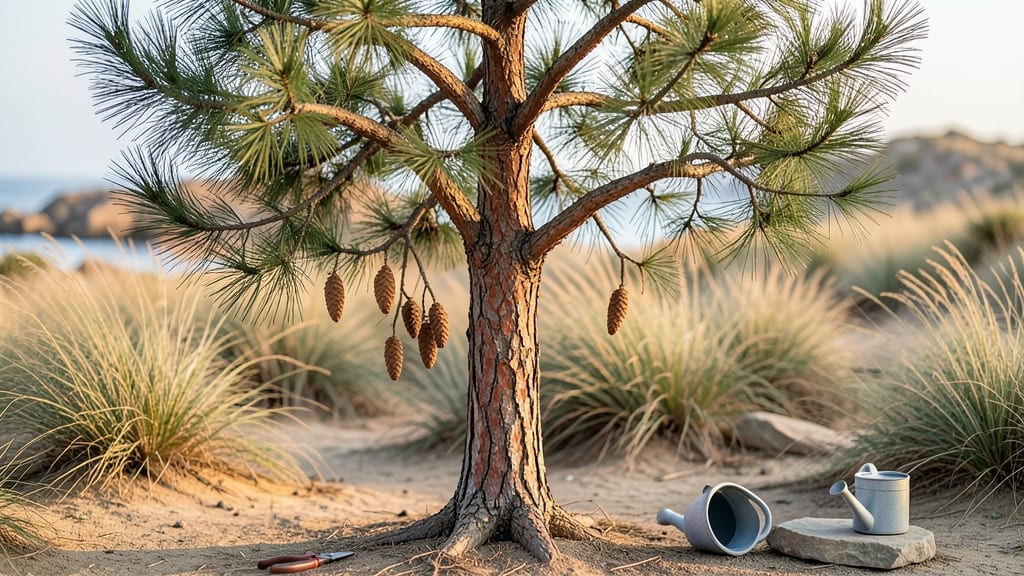
Your Torrey Pine tree thrives when you prune like a coastal breeze—light, strategic, and never too heavy. 🌿 This rare native isn’t just a landscape statement; it’s a living piece of Southern California’s wild heritage, and proper pruning keeps it healthy year-round while preserving its iconic silhouette.
The key? Mimicking its natural habitat where winds shape its branches, not hacking away like a novice with a chainsaw.
Start by understanding its needs: coastal climates with 60-80°F temperatures, well-draining sandy soil, and full sun exposure—just like its wild counterparts. Pruning should happen in late winter or early spring, removing only dead, diseased, or crossing branches.
Think of it as giving your tree a spa day, not a haircut. The goal is to maintain airflow and sunlight penetration without stressing the plant.
You’ll end up with a tree that stays disease-resistant, grows stronger each year, and maintains that signature windswept shape. The branches will hold their needles longer, and the overall structure will remain stable—critical for a species already struggling in the wild.
Plus, you’ll be doing your part to protect an endangered native.
Works perfectly for coastal gardens, urban landscapes, and even large containers if you’re in the right zone. Here’s how to keep yours thriving without turning it into a sad, over-pruned stump—because nobody wants that.
📚 In This Guide
- What you need
- Instructions
- Tips and common mistakes
- Wrapping up and next steps
What you need
- ● Pruning shears: Sharp, bypass-style shears (for small branches, ¼"–½" thick). Quantity: 1 pair.
- ● Loppers: For medium branches (½"–2" thick). Quantity: 1 pair.
- ● Pruning saw: Curved-tooth saw for thick branches (2"+). Quantity: 1.
- ● Ladder or extension pole: Sturdy, 12–20 ft tall (for hard-to-reach branches). Quantity: 1.
- ● Gloves: Heavy-duty, cut-resistant gloves (to protect from thorns and sharp edges). Quantity: 1 pair.
- ● Disinfectant: 70% isopropyl alcohol or bleach solution (1 part bleach to 9 parts water) to sterilize tools. Quantity: Small spray bottle or wipe.
- ● Heavy-duty trash bags: For collecting pruned branches. Quantity: 2–3.
- ○ Pruning sealant: Optional but recommended for large cuts (to prevent disease). Quantity: Small tube.
- ● Pole pruner: For high branches without a ladder.
- ● Work boots: With ankle support for stability.
- ● Safety glasses: To protect from debris.
- ● Notebook & pen: To track pruning notes (dates, branch sizes, etc.).
- ● Tree growth regulator: If addressing overgrowth aggressively.
Step-by-Step guide for pruning Torrey pines trees
Mastering this coastal native's growth takes precision—here's how to maintain its iconic shape while keeping it thriving.
🌿 Step 1: Assess Growth Patterns and Identify Pruning Zones
The Torrey pine's natural branching creates its signature layered look, so pruning should never remove more than 25% of the canopy in any single session. Start by examining the tree's structure: look for dead or crossing branches (these compete for resources) and overcrowded growth near the trunk. The lower branches often thicken into classic "skirt" growth—preserve these unless they're diseased.
Use a pruning saw for branches over 1.5 inches in diameter and bypass pruners for thinner branches. I mark each cut with flagging tape before making it—this helps track progress and prevents over-pruning. The goal is to open the canopy for better air circulation while maintaining that signature wind-swept silhouette.
✂️ Step 2: Remove Dead Wood and Structural Weaknesses
Begin with dead or dying branches—these are your top priority. Torrey pines are susceptible to fungal infections through open wounds, so make clean cuts just outside the branch collar (the swollen area where the branch meets the trunk). For branches over 2 inches thick, use a three-cut method: make the first cut about 12 inches from the trunk, then a second cut 1 inch farther out, and finally sever the branch with a downward cut.
Next target water sprouts (fast-growing vertical shoots) and rubbing branches (where two branches cross). These compete for sunlight and nutrients. I always step back after each cut to visualize the tree's new shape—Torrey pines respond well to gradual shaping, so avoid aggressive thinning. The key is to prune just enough to improve structure without sacrificing the tree's natural beauty.
🌱 Step 3: Thin the Canopy for Airflow and Light Penetration
Torrey pines need good airflow to prevent fungal diseases like needle blight. Focus on thinning the outer canopy first, removing branches that grow inward or downward. Aim to reduce density by 10-15%—this opens the tree up while preserving its iconic layered form. Start at the top of the tree and work downward, as this prevents overloading lower branches.
Watch for sucker growth (shoots emerging from the base or trunk). These often indicate stress or poor pruning practices. Remove them immediately with clean cuts at the base. The tree's natural growth habit should guide your cuts—never prune more than one-third of the live branches in any season. After thinning, step back to ensure sunlight reaches the inner canopy—this is your signal that airflow has improved.
🪴 Step 4: Shape and Maintain the Tree's Signature Form
Torrey pines are famous for their horizontal branches and layered skirts, so pruning should enhance—not alter—this natural shape. Use hand pruners to trim back overly long branches by one-third to encourage bushier growth. For branches that grow too vertically, make a heading cut just above a lateral bud to redirect growth outward.
Here's the thing—Torrey pines respond best to light, frequent pruning rather than heavy annual cuts. I recommend pruning twice a year: late winter (before new growth starts) and early summer (to shape the current year's growth). After each session, apply wound dressing (like tree sealant) to cuts over 1 inch in diameter to prevent disease entry.
⏰ Step 5: Post-Pruning Care for Optimal Recovery
The first 4-6 weeks after pruning are critical for recovery. Water deeply once a week during dry periods to reduce stress on the tree. Torrey pines are drought-tolerant, but new cuts need time to heal. Avoid fertilizing immediately after pruning—wait until new growth appears (usually 6-8 weeks later) before applying a balanced slow-release fertilizer.
Monitor the tree for sap oozing from cuts—this is normal for the first few days but should stop as the wound seals. If you see yellowing needles or wilting branches, you may have over-pruned. Torrey pines are resilient, but they signal stress through needle drop. In this case, reduce future pruning and focus on watering and mulching to support recovery.
Tips & tricks for pruning Torrey pines trees
These precision-focused techniques will help you maintain your Torrey pine’s health while preserving its iconic coastal beauty.
Tool Selection Matters: For branches over 1.5 inches in diameter, a pruning saw is non-negotiable—bypass pruners simply can’t handle the job cleanly. I’ve learned this the hard way after struggling with thick branches that tore instead of cutting. For branches between 0.5 and 1.5 inches, use bypass pruners—their sharp blades create clean cuts that heal faster, reducing disease risk. Always keep your tools sharp; dull blades crush rather than cut, creating larger wounds that invite infection.
Visual Pruning Guide: In Step 1, when assessing growth patterns, imagine your tree as a layered cake—each horizontal branch should contribute to that signature silhouette. For the classic "skirt" growth, preserve branches that create that natural wind-swept look. A helpful trick is to hold your hand at arm’s length and compare branch thickness to your fingers: branches thicker than your thumb (about 1.5 inches) need the pruning saw, while those thinner than your index finger can be handled with bypass pruners. This visual reference prevents over-pruning and helps maintain the tree’s natural shape.
Three-Cut Technique for Large Branches: When removing branches over 2 inches thick in Step 2, the three-cut method isn’t just recommended—it’s essential. First cut about 12 inches from the trunk creates a notch that prevents bark tearing when you make the final cut. The second cut, 1 inch farther out, ensures you’re not leaving a stub. The final downward cut completes the removal while preserving the branch collar. This technique minimizes damage to the trunk and speeds up healing. I’ve seen too many trees develop cankers from improper cuts—don’t make that mistake.
Seasonal Timing Insight: The twice-yearly pruning schedule in Step 4 isn’t arbitrary—it aligns with the tree’s natural growth cycles. Late winter pruning (before new growth starts) removes winter-damaged branches, while early summer shaping encourages bushier growth for the next season. Pro tip: If you miss these windows, avoid pruning during fall when the tree is preparing for dormancy or during spring when new growth is most vulnerable. The key is to work with the tree’s rhythm, not against it.
Pro Tips for Torrey Pines Tree
- These precision-focused techniques will help you maintain your Torrey pine’s health while preserving its iconic coastal beauty.
- Tool Selection Matters: For branches over 1.5 inches in diameter, a pruning saw is non-negotiable—bypass pruners simply can’t handle the job cleanly.
- Visual Pruning Guide: In Step 1, when assessing growth patterns, imagine your tree as a layered cake—each horizontal branch should contribute to that signature silhouette.
Frequently asked questions
Got questions about keeping your Torrey Pines tree thriving with expert pruning? You’re not alone! Here are some of the most common questions—and their straightforward answers—to help you care for this iconic, drought-resistant beauty like a pro.
When is the best time to prune a Torrey Pines tree?
The ideal time to prune your Torrey Pines is late winter to early spring (February–March), just before new growth begins. This timing minimizes stress on the tree and promotes healthy regrowth. Avoid pruning in fall or summer, as it can weaken the tree or attract pests. Pro tip: If you must prune outside this window, do so during a mild, dry spell to reduce disease risk.
How often should I prune my Torrey Pines tree?
For most Torrey Pines trees, a light pruning every 1–2 years is sufficient to maintain shape and health. Focus on removing dead, diseased, or crossing branches first. If your tree is young (under 5 years), you can prune annually to encourage strong structure. Warning: Avoid over-pruning—these trees are slow-growing, and aggressive cuts can harm them.
Can I prune a Torrey Pines tree myself, or should I hire a professional?
For small trees or minor pruning tasks (like removing a few branches), DIY is fine if you have basic pruning tools and knowledge. However, for large or mature Torrey Pines trees (especially those over 20 feet tall), hiring a certified arborist is safest. They’ll ensure proper cuts, reduce risk of damage, and handle heavy branches safely. Look for: ISA-certified arborists with experience in native California trees.
What should I do if my Torrey Pines tree has brown or dead branches?
Brown or dead branches are a red flag—act fast! Use clean, sharp pruners to remove the affected branches completely (cut back to the branch collar, not into it). Sterilize your tools with rubbing alcohol to prevent spreading disease. If more than 25% of the tree is dead, consult an arborist to rule out pests (like bark beetles) or fungal infections. Prevention tip: Water deeply but infrequently to avoid root rot.
Are there alternatives to pruning if my Torrey Pines tree is too large to manage?
If your Torrey Pines is too big for regular pruning, consider these low-maintenance strategies:
- Strategic shaping: Focus on removing only hazardous branches (dead, diseased, or weak).
- Natural thinning: Allow the tree to grow its signature open canopy—this reduces the need for heavy pruning.
- Mulching: Apply 2–3 inches of mulch around the base (keep it 6 inches away from the trunk) to retain moisture and reduce stress.
- Watering wisely: Deep watering 1–2 times per month (more in extreme drought) supports resilience.
For truly massive trees, professional pruning on a 3–5 year cycle is your best bet.
Wrapping up and next steps
The Torrey Pines tree isn’t just a stunning coastal staple—it’s a masterclass in pruning science that keeps it thriving year-round! 🌿 From understanding its unique growth habits to mastering the right tools and timing, you now have the knowledge to nurture one like a pro.
Whether you’re a gardening newbie or a seasoned green thumb, every snip brings you closer to a healthier, more resilient tree.
Ready to put your skills to the test? Start small—pick a branch or two and practice your cuts with confidence. And if you’re feeling ambitious, why not share your progress with fellow plant lovers? Happy pruning! 🌱✂️