
Pruning
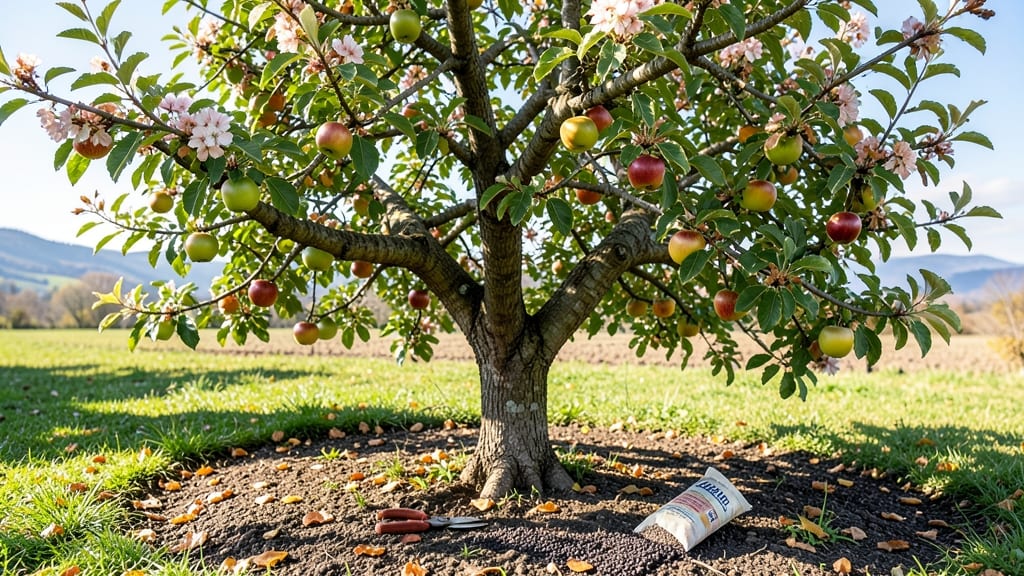
Tracking your apple tree's growth year by year transforms guesswork into a clear, visual plan. 🌳 My first apple tree grew from a 2-inch whip to a 12-foot beauty in just five years—and this chart is what kept me from over-pruning or missing key growth spurts.
The chart breaks growth into three critical phases: seedling (0-2 years), sapling (3-5 years), and fruiting (6+ years), with height, width, and annual growth rates for each. You’ll spot when to prune for structure (first 3 years) versus fruit production (years 4-6), plus how seasonal changes affect growth.
By month 12, you’ll see your tree’s first blossoms—and the chart helps you time pruning to maximize next year’s harvest. No more second-guessing when to cut or how much to leave. The visual timeline makes adjustments effortless, even for beginners.
Works for dwarf, semi-dwarf, and standard varieties, and adapts to your climate’s last frost date. Here’s how to use it for year-round success—no horticulture degree required.
📚 In This Guide
- What you need
- Instructions
- Tips and common mistakes
- Wrapping up and next steps
What you need
- ● Apple tree sapling or bare-root tree – Choose a variety suited to your climate (e.g., Fuji, Gala, or Honeycrisp).
- ● High-quality potting soil or compost – At least 5 gallons for planting, enriched with organic matter.
- ● Balanced fertilizer (10-10-10 or 5-10-10) – 1-2 lbs per tree at planting time, plus seasonal applications.
- ● Mulch (wood chips or straw) – 2-3 inches to retain moisture and suppress weeds.
- ○ Tree stakes (optional but helpful) – 2-3 stakes (1.5–2 inches wide) and soft tree ties for support.
- ● Pruning shears – Bypass pruners (7–9 inches) for small branches.
- ● Loppers – 16–24 inches for thicker branches (up to 1.5 inches in diameter).
- ● Pruning saw – For branches 2+ inches thick.
- ● Gloves (cut-resistant) – To protect hands from thorns and sharp tools.
- ● Disinfectant (rubbing alcohol or bleach solution) – For cleaning tools between cuts.
- ● Tree spray (fungicide/insecticide) – For pest/disease prevention (e.g., Neem oil).
- ● Drip irrigation system – Ensures consistent watering, especially for young trees.
- ● Soil pH tester – Ideal pH for apples: 6.0–7.0.
- ● Plant tags or labels – To track varieties and growth stages.
Step-by-step guide to tracking apple tree growth through the seasons
Watch your orchard thrive with this seasonal growth tracker—no guesswork, just clear milestones.
🌱 Step 1: Spring Awakening (March–April)
Start by inspecting your tree for bud swell—tiny green bumps along branches signaling new growth. This is your cue to prune dormant branches (those without buds) first, using clean, sharp pruners to make 45-degree cuts just above outward-facing buds. You’ll see fresh sap oozing—this is normal and means the tree is waking up.
Next, remove any dead wood (gray, brittle branches) or crossing limbs (rubbing against each other). These cuts encourage airflow and sunlight penetration. By the time pink buds appear (late April), your tree will be ready for its first flush of leaves. This is also when you’ll notice suckers—shoots growing from the base or graft union. Snip these off at the ground to redirect energy to fruit production.
☀️ Step 2: Summer Growth Spurt (May–July)
Once first true leaves unfurl (usually 4–6 weeks after bud break), your tree enters rapid growth. This is when you’ll spot fruit clusters forming—look for tiny green apples about the size of a marble. Thin them now by removing every other fruit to leave 6–8 inches between remaining apples. This ensures larger, higher-quality harvests later.
Monitor for leaf curl or aphid infestations (sticky residue on leaves). If you see yellowing leaves, it might signal iron deficiency—apply chelated iron if needed. By mid-July, your tree’s growth slows as it shifts energy to fruit maturation. This is your last chance to prune water sprouts (fast-growing vertical shoots) before they drain energy from the tree.
✂️ Step 3: Fall Preparation (August–October)
As leaves begin yellowing (usually late September), it’s time for light pruning to remove any diseased or dead branches. Focus on thinning the canopy by cutting back overlapping branches to improve airflow—this reduces winter rot risk. You’ll notice fruit drop as apples mature; leave only the largest, healthiest ones on the tree.
Apply a 2–3 inch layer of mulch around the base (but not touching the trunk) to insulate roots. This is also when you’ll see buds forming for next year’s crop—they’ll appear as small, rounded swellings along branches. If your region experiences hard frosts, wrap the trunk with tree guard to prevent sunscald damage.
⏰ Step 4: Winter Dormancy (November–February)
During dormancy, your tree’s growth halts, but pruning planning begins. Inspect branches for dead wood or storm damage—these should be removed in early spring before sap rises. This is also when you’ll notice cracks in the bark (common in older trees). Seal these with pruning sealant to prevent pests from entering.
Check for mouse or rodent nests in the bark crevices—these can gnaw through branches. If you see sawdust-like frass (wood shavings), you’ve got wood-boring pests. Treat with beneficial nematodes in early spring. By late winter, you’ll spot silver buds—a sign the tree is preparing to bloom. This is your final check before spring pruning begins.
Tips & tricks for perfect apple tree growth tracking
Mastering your orchard's growth cycle takes patience—and these key insights will help you spot the right moments.
Spring Pruning Precision: When you see those first pink buds in late April, that's your final check before the growing season kicks into high gear. I've learned the hard way that pruning too early can stimulate new growth that gets damaged by late frosts. Wait until you see 50% of buds showing color before doing any final shape pruning—this ensures you're not cutting off potential fruit clusters.
Summer Fruit Thinning: The 6–8 inch spacing between apples isn't just arbitrary—it's about light penetration. I recommend thinning on a cloudy day when temperatures are below 80°F. The stress of thinning on hot days can cause fruit drop. Look for apples that are uniform in size and shape to keep on the tree; the odd-shaped ones will likely fall naturally anyway.
Fall Canopy Management: That 2–3 inch mulch layer should be your winter insulation blanket. I always use wood chips or straw because they break down slowly and improve soil structure over time. The key is keeping it 3 inches away from the trunk—piling mulch against the bark creates moisture that leads to rot. Think of it like a donut: thick in the middle (around the drip line), but clear at the center.
Winter Pest Prevention: Those silver buds in late winter are your tree's promise for next year's crop. Here's what I do to protect them: I wrap the trunk with tree guard only on the south-facing side—this prevents sunscald while allowing airflow on other sides. For wood-boring pests, I've found that pruning sealant works best when applied to cuts made during the dormant season (November–February).
Pro Tips for Apple Tree Growth Chart
- Mastering your orchard's growth cycle takes patience—and these key insights will help you spot the right moments.
- Spring Pruning Precision: When you see those first pink buds in late April, that's your final check before the growing season kicks into high gear.
- Summer Fruit Thinning: The 6–8 inch spacing between apples isn't just arbitrary—it's about light penetration.
Frequently asked questions
Got questions about nurturing your apple tree? You’re not alone! Here are answers to the most common queries about tracking growth and pruning success—so you can keep your tree thriving year-round.
How fast does an apple tree grow in its first year?
In its first year, a young apple tree typically grows 12–24 inches in height, depending on the variety and care. Dwarf varieties may reach 6–12 inches, while standard trees can shoot up faster. Focus on root development—healthy roots mean faster growth later! Pro tip: Mulch well to protect roots and encourage steady growth.
When is the best time to prune an apple tree?
Prune your apple tree during late winter or early spring (before buds swell) for best results. Avoid heavy pruning in fall, as wounds take longer to heal. Light pruning to remove dead branches can happen anytime, but major cuts should wait until dormancy. Pro tip: Use sharp tools to make clean cuts—no jagged edges!
Can I prune an apple tree in summer?
Yes, but lightly! Summer pruning helps control size and shape, but avoid heavy cuts—it stresses the tree. Focus on removing suckers, water sprouts, or crossing branches to improve airflow. Stop by mid-July to prevent new growth from struggling before winter. Pro tip: Prune on a cool, cloudy day to reduce stress.
What if my apple tree isn’t growing like the chart?
Slow growth could stem from poor soil, pests, disease, or overcrowding. Check for yellowing leaves (nutrient deficiency) or holes (pests). Test soil pH—apple trees thrive in 6.0–6.5. If roots are shallow, amend soil with compost. Pro tip: Consult a local extension office for soil tests and tailored advice!
Do dwarf apple trees need the same pruning as standard trees?
Yes, but more frequently! Dwarf trees grow slower and need annual pruning to maintain shape and productivity. Use the same techniques (open-center vs. central leader), but keep cuts smaller and more precise. Their compact size makes them ideal for containers—just ensure they get enough sunlight! Pro tip: Dwarf trees fruit earlier—prune to encourage strong scaffold branches for heavy harvests.
Wrapping up and next steps
Tracking your apple tree’s growth with a visual timeline isn’t just helpful—it’s your secret weapon for healthy, fruitful trees! 🌳 From saplings to mature canopies, understanding each stage lets you prune with confidence, boost yields, and keep pests at bay.
Whether you’re a first-time gardener or a seasoned orchard keeper, this chart gives you the clarity and control to nurture your tree year-round.
Ready to transform your pruning game? Grab your tools, dust off that growth chart, and schedule your next pruning session—your tree’s best harvest ever starts with the right cuts today! 🍏✂️