
Pruning
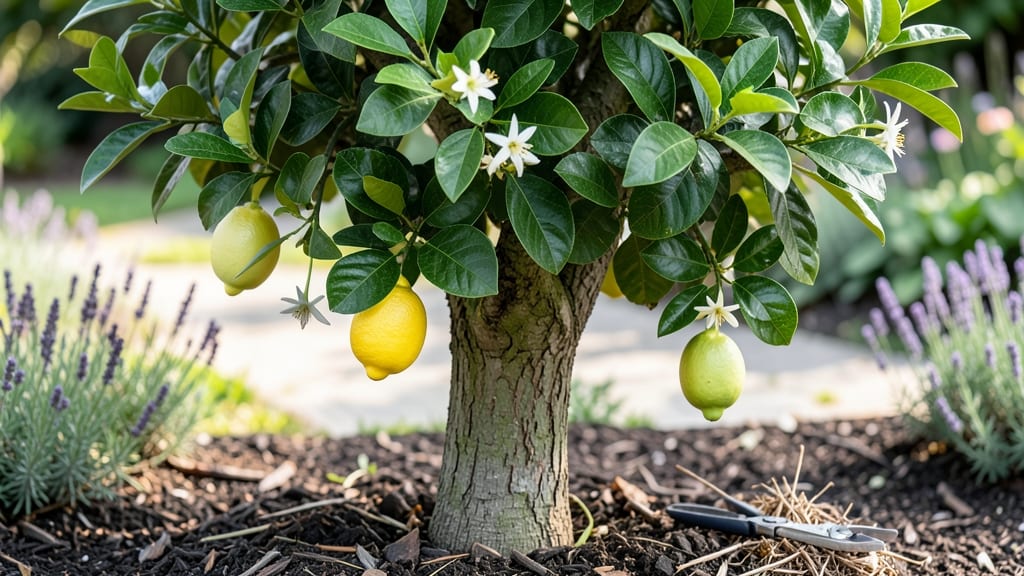
Understanding the growth stages of lemon tree is like learning the secret language of citrus—each phase reveals what your tree truly needs to thrive. 🌱 From the first sprout breaking through soil to the first tart-sweet fruit ripening, every milestone matters.
I’ve watched my own lemon tree go from a fragile seedling to a heavy-fruiting powerhouse, and the difference comes down to knowing exactly when to water, prune, or protect it.
The journey starts with germination, where warmth and patience are everything—think of it as coaxing a tiny miracle from a seed. Then comes the juvenile stage, where your tree focuses on building roots and leaves, not fruit.
This is when most gardeners make the mistake of expecting lemons too soon; rushing it leads to stunted growth.
By the time it hits maturity at 3-5 years, you’ll see those iconic white blossoms and, eventually, fruit—but only if you’ve given it the right light, soil, and care all along.
What you’ll end up with is a tree that not only survives but produces lemons year-round in warm climates, or at least a bountiful harvest in its active seasons.
The key is matching each stage to its needs: more water for new growth, strategic pruning to shape it, and protection from pests that target vulnerable stages. Even experienced gardeners learn something new when they track these phases.
Whether you’re starting from seed or caring for a young tree, this guide breaks down every step—from the first green shoot to the first ripe lemon—so you can troubleshoot issues before they become problems. Let’s grow that citrus dream together.
📚 In This Guide
- What you need
- Instructions
- Tips and common mistakes
- Wrapping up and next steps
What you need
- ● Lemon seeds: 3–5 fresh, organic seeds (from a ripe lemon—avoid store-bought lemons treated with preservatives!)
- ● Potting soil: 1 bag (10–15 lbs) of well-draining cactus or citrus mix (or DIY: 60% peat moss, 30% perlite, 10% sand)
- ● Containers: 1 small seed-starting pot (3–4 inches wide) for germination
- ● 1 medium pot (8–10 inches wide) for seedlings
- ● 1 large pot (12–16 inches wide) for mature trees (or a 5-gallon container with drainage holes)
- ● Drainage: Small rocks or broken pottery shards (for the bottom of pots)
- ● Watering can: With a fine rose nozzle for gentle watering
- ● Fertilizer: Balanced liquid fertilizer (10-10-10 or 20-20-20, diluted to half-strength)
- ○ Citrus-specific slow-release granules (optional, for mature trees)
- ● Pruning tools: Sharp bypass pruners (for clean cuts)
- ● Sterilizing alcohol or bleach (to disinfect tools)
- ● Support: Small stakes or a trellis (for young trees to prevent toppling)
- ● Grow lights or a sunny windowsill (south-facing, 6+ hours of light daily)
- ● Humidity tray (pebbles + water to boost moisture for seedlings)
- ● Mulch (straw or wood chips to retain soil moisture)
- ● pH test kit (ideal soil pH: 6.0–7.0 for lemons)
- ● Pest control: Neem oil or insecticidal soap (for aphids/spider mites)
- ● Gloves (to protect hands from thorns and soil)
Step-by-step guide to lemon tree growth stages
Watch your citrus thrive with these clear milestones from tiny seed to fruit-bearing maturity.
🌱 Step 1: Germination and Seedling Stage (0-6 Months)
Start with fresh lemon seeds—scrub off any pulp and let them dry for 24 hours. Plant them ½ inch deep in a well-draining mix (equal parts potting soil and perlite) and keep the soil consistently moist but never soggy. Place the container in a warm spot (70-75°F) with bright, indirect light.
Germination takes 2-4 weeks—you'll know it's working when you see the first tiny green shoot breaking through the soil. Once the seedling reaches 3-4 inches tall, transplant it into a 4-inch pot with fresh mix. This is when you'll notice the first true leaves (not the initial seed leaves) forming—these mark the transition to the juvenile stage.
🌿 Step 2: Juvenile Growth (6 Months-3 Years)
Your lemon tree is now in its "teen years"—expect rapid growth but no flowers or fruit yet. Move it to a 6-inch pot when roots outgrow the current container (tap the pot gently; if soil falls away easily, it's time). Place it in full sun (6+ hours daily)—this prevents the leggy, weak growth that happens when light is insufficient.
Water when the top inch of soil feels dry, but avoid letting it sit in water. Prune leggy growth back by ⅓ to encourage bushier development. You'll see the first thorny branches appear around 12-18 months—this is normal and signals the tree is maturing structurally.
☀️ Step 3: Maturity and Flowering (3-5 Years)
By year 3, your tree should be in a 15-gallon pot (or planted in the ground if winters are mild). You'll notice white, fragrant flowers forming in spring—this is the first sign of reproductive maturity. Flowers appear on new wood, so avoid heavy pruning in winter. Keep soil consistently moist but well-drained during bloom time to support fruit set.
If flowers drop without fruiting, your tree may need more sunlight (8+ hours daily) or warmer temperatures (above 60°F at night). Once fruit forms, thin it to 6-8 inches apart—this ensures larger, sweeter lemons. You'll see the first tiny green lemons around 6-8 months after flowering, growing slowly at first.
🍋 Step 4: Fruit Production and Maintenance (5+ Years)
A mature lemon tree produces harvests twice yearly in warm climates. Lemons ripen 6-12 months after flowering—they're ready when they turn bright yellow and yield slightly to gentle pressure. Harvest by twisting gently or cutting with pruners, leaving a ¼-inch stem attached.
After harvest, fertilize lightly with citrus-specific fertilizer (high in nitrogen for regrowth). Prune dead or crossing branches in late winter to improve airflow. In colder zones, bring potted trees indoors before temperatures drop below 40°F—sudden cold shocks can kill the tree.
Tips & tricks for lemon tree growth stages
Real talk: Growing a lemon tree from seed to harvest takes patience, but these tricks will help you avoid common pitfalls along the way.
Seed Prep Matters: That 24-hour drying period for your seeds is non-negotiable. Wet seeds can rot before they even sprout. I learned this the hard way after losing three batches—always let them dry completely on a paper towel before planting. Also, use a well-draining mix of potting soil and perlite (equal parts) to prevent soggy soil, which can drown your delicate seedlings.
Light and Temperature Balance: During the germination stage, keep your seeds in a warm spot (70-75°F) with bright, indirect light. Too much direct sun can scorch the tiny sprouts, while too little light leads to weak, leggy seedlings. Once your tree reaches the juvenile stage (6 months+), move it to full sun (6+ hours daily) to prevent that classic "etoliation" stretch where branches grow long and weak.
Pruning for Bushier Growth: When your tree enters the juvenile phase and you see those first thorny branches around 12-18 months, it's time to prune. Cut back leggy growth by one-third to encourage a fuller shape. This isn't just about looks—proper pruning improves airflow, which reduces the risk of fungal diseases as your tree matures.
Flowering Conditions: If your tree is flowering but the blooms drop without fruiting, check two things: sunlight and nighttime temperatures. You need at least 8 hours of direct sun daily, and nights should stay above 60°F. I once had a tree that flowered beautifully but produced no fruit—turns out my bedroom (where I kept it) dipped below 55°F at night. Move it to a warmer spot or supplement with a small space heater if needed.
Pro Tips for Growth Stages Of Lemon Tree
- Real talk: Growing a lemon tree from seed to harvest takes patience, but these tricks will help you avoid common pitfalls along the way.
- Seed Prep Matters: That 24-hour drying period for your seeds is non-negotiable.
- Light and Temperature Balance: During the germination stage, keep your seeds in a warm spot (70-75°F) with bright, indirect light.
Frequently asked questions
Got questions about nurturing your lemon tree through every growth stage? You’re not alone! Here are answers to the most common queries—from curious beginners to seasoned gardeners.
How long does it take for a lemon tree to bear fruit?
A lemon tree typically takes 3–5 years to produce fruit from seed, while grafted trees (common in nurseries) may bear lemons in 1–2 years with proper care. Patience is key—focus on watering, sunlight, and soil health during early stages to speed up maturity!
Can lemon trees survive winter? What’s the best protection?
Most lemon trees (like Citrus × limon) are tender perennials and struggle below 20°F (-6°C). For outdoor trees, wrap the trunk in burlap, cover with mulch, or move potted trees indoors near a sunny window. Dwarf varieties are easier to protect!
Why aren’t my lemon tree leaves turning yellow? Is it a disease?
Yellow leaves can signal overwatering, nutrient deficiency (like iron or nitrogen), or root rot. Check soil moisture—it should be dry 1–2 inches deep—and test pH (ideal: 6.0–7.0). Yellowing between veins often means chlorosis; amend soil with chelated iron or citrus fertilizer.
Should I prune my lemon tree? When and how?
Prune late winter or early spring (before new growth) to shape the tree, remove dead wood, and improve airflow. Use sterilized shears to cut at a 45° angle just above a leaf node. Avoid heavy pruning—lemon trees produce fruit on older wood, so trim sparingly to maintain structure.
Can I grow a lemon tree indoors? What’s the best setup?
Yes! Choose a dwarf variety (like Meyer lemon) and place it near a south-facing window (6+ hours of light daily). Use a 10–12 inch pot with drainage holes, well-draining soil, and a grow light if natural light is limited. Rotate the pot weekly for even growth!
Wrapping up and next steps
Understanding the growth stages of a lemon tree transforms your gardening journey from guesswork to a rewarding adventure! From nurturing a tiny seed to harvesting juicy lemons, each phase offers unique challenges—and triumphs.
With patience, proper care, and a little know-how, you’re well on your way to a thriving citrus tree.
Ready to take the next step? Start pruning your lemon tree now—it’s the perfect way to encourage healthy growth and maximize fruit production! 🌱🍋