
Lawn
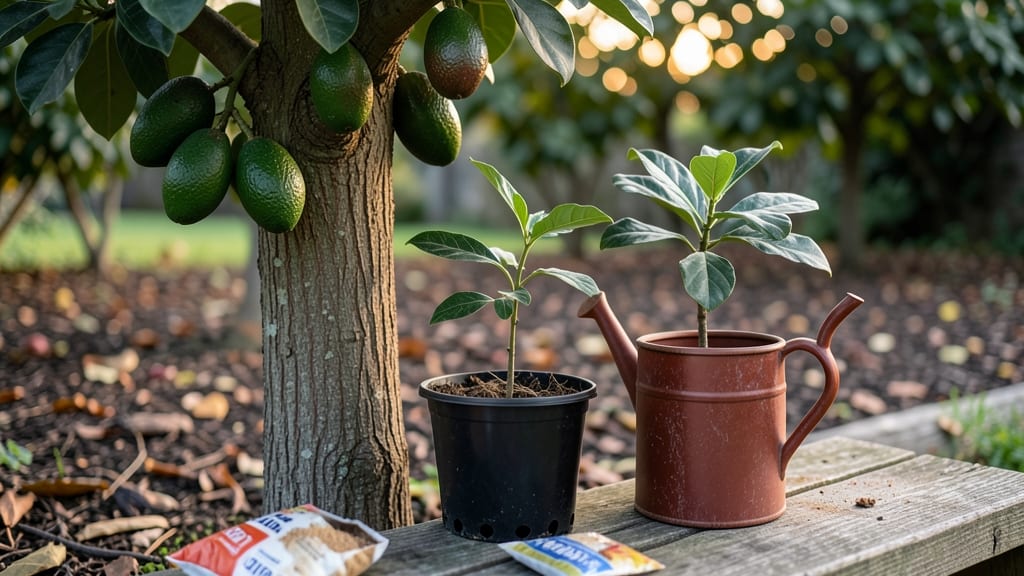
The journey from avocado pit to fruit-bearing tree is one of the most rewarding gardening adventures you’ll ever take—if you’re patient enough. 🌱 I’ve grown three from seed, and while only one has fruited so far, the process itself is pure magic: watching a brown pit sprout roots, then leaves, then branches that one day might hold your own homegrown avocados.
It takes three years, but every step is worth it.
Here’s the thing—you don’t need fancy tools or a greenhouse. Just a clean pit, patience, and a sunny spot. The real secret is consistency: watering just enough to keep soil damp but not soggy, rotating the pot for even growth, and pruning to shape the tree early.
Most people quit when the first leaves turn yellow, but that’s where the fun begins.
By year three, you’ll have a sturdy tree with glossy leaves and the potential for fruit. The first blossoms might not set fruit, but with proper care—like hand-pollinating flowers and protecting against pests—you’ll taste that creamy, rich avocado you’ve been dreaming of.
It’s a slow process, but nothing beats the pride of growing something from scratch.
This method works indoors or out, in pots or ground, as long as you mimic the tropical conditions avocados love. Let’s turn that pit into a tree—and eventually, a harvest—one step at a time.
📚 In This Guide
- What you need
- Instructions
- Tips and common mistakes
- Wrapping up and next steps
What you need
- ● Avocado pit: 1 fresh, organic pit (preferably Hass variety for best results).
- ● Glass or jar: 1 wide-mouth container (16–24 oz) for water propagation.
- ● Toothpicks or chopsticks: 3–4 to suspend the pit.
- ● Water: Room-temperature, filtered or distilled (change weekly).
- ● Potting soil: 1 bag (10–20 lbs) of well-draining, organic potting mix (e.g., cactus/succulent blend).
- ● Small pot: 1 (6–8 inch diameter) with drainage holes.
- ● Spray bottle: 1 for gentle watering.
- ● Fertilizer: Balanced liquid fertilizer (e.g., 10-10-10) or organic options like fish emulsion.
- ● Pruning shears: 1 pair for shaping the tree as it grows.
- ● Sunlight access: A sunny windowsill or grow light (12+ hours/day).
- ● Humidity dome or plastic wrap to retain moisture during germination.
- ● Growth regulator (e.g., seaweed extract) to boost root development.
- ● Soil moisture meter to track hydration levels.
- ● Trellis or support stake for training the tree as it matures.
- ● Label markers to track planting dates and care notes.
How to grow an avocado tree from seed to fruit
Here's the simple method I've used to grow avocado trees from seed—no fancy tools, just patience and the right conditions.
🌱 Step 1: Germinate the Seed Using the Toothpick Method
Start by removing the pit from a ripe avocado and rinsing off any remaining fruit. Insert 3-4 toothpicks evenly around the pit, about ½ inch down from the top. Place the pit in a glass of water so the bottom half is submerged—just the flat side, not the pointed end. The toothpicks keep it suspended without touching the sides.
Change the water every 2-3 days to prevent mold and keep it warm (around 70-75°F). In about 2-6 weeks, you'll see a small sprout emerge from the top and roots growing downward. This is your signal to move to soil—roots should be 2-3 inches long before transplanting.
🪴 Step 2: Plant the Germinated Pit in Soil
Fill a 6-inch pot with well-draining potting mix (avoid garden soil—it compacts too much). Dig a hole about 1 inch deep and place the avocado pit so the top half (where the sprout is) stays above soil. Gently cover the roots with soil, leaving the sprout exposed. Water lightly until the soil feels evenly moist.
Place the pot in bright, indirect light—too much direct sun now will scorch the delicate sprout. A south-facing window with sheer curtains works well. Keep the soil consistently moist but not soggy; let the top inch dry out slightly between waterings. You'll see the first true leaves appear in about 4-6 weeks—this is when the real growth begins.
☀️ Step 3: Transition to Sunlight and Fertilize
Once the seedling has 4-5 true leaves and is about 6 inches tall, it's ready for more sun. Gradually introduce it to morning sunlight first, then slowly increase exposure over 2-3 weeks to full sun. Avocado trees need 6+ hours of sunlight daily to grow strong and produce fruit later.
Start fertilizing when the seedling is 3-4 months old with a balanced, water-soluble fertilizer (like 10-10-10) diluted to half-strength. Apply every 4-6 weeks during spring and summer. Over-fertilizing now will burn the roots—always water thoroughly before fertilizing. You'll notice new leaves growing faster and a thicker stem forming.
✂️ Step 4: Prune and Repot for Growth
When the seedling reaches 12-18 inches tall, it's time to prune and repot. Trim any leggy or weak growth to encourage bushier growth—cut just above a leaf node where new branches can form. Repot into a 10-inch pot with fresh potting mix to give roots more room to grow. Water deeply after repotting to help the soil settle.
Continue fertilizing every 4-6 weeks and keep the tree in full sun. With proper care, your avocado tree will grow 1-2 feet per year. In about 3 years, you may see flowers—though fruit production can take longer, especially indoors. Patience is key; some trees take 5-7 years to bear fruit from seed.
Tips & tricks for growing avocado trees from seed
Here's what I've learned after growing several avocado trees from seed—these little details make all the difference between a thriving plant and a sad, stunted seedling.
Water Temperature Matters: Keep that glass of water at 70-75°F for faster germination. I place mine near a sunny window where the ambient warmth helps, or even on top of my fridge where it stays consistently warm. Avoid cold drafts—roots grow slower in chilly water, and you'll be waiting much longer than those 2-6 weeks for sprouts to appear.
Root Development Check: Before transplanting, make sure your roots are 2-3 inches long—this is your cue that the seedling is ready for soil. I check by gently lifting the pit out of water and measuring the longest roots. If they're shorter, give it another week or two. Rushing this step often leads to weak seedlings that struggle to adapt to soil.
Light Transition Strategy: When moving your seedling from bright indirect light to full sun in Step 3, do it gradually over 2-3 weeks. I start by placing the pot outside in the morning shade for an hour, then slowly increase exposure. Sudden full sun can scorch delicate leaves—you'll see them turn yellow or crispy if you move too fast. Think of it like giving your tree sunglasses that you slowly take off.
Fertilizer Timing: Wait until your seedling is 3-4 months old before introducing fertilizer. I use a diluted 10-10-10 mix because concentrated fertilizer can burn young roots. Always water thoroughly first—this helps distribute nutrients evenly and prevents salt buildup in the soil that can harm your tree.
Pro Tips for Avocado Tree Seed To Fruit
- Here's what I've learned after growing several avocado trees from seed—these little details make all the difference between a thriving plant and a sad, stunted seedling.
- Water Temperature Matters: Keep that glass of water at 70-75°F for faster germination.
- Root Development Check: Before transplanting, make sure your roots are 2-3 inches long—this is your cue that the seedling is ready for soil.
Frequently asked questions
Got questions about growing an avocado tree from seed?
You’re not alone! Here are answers to the most common queries—from patience to pitfalls—so you can grow your own avocado tree with confidence.
How long does it really take for an avocado seed to produce fruit?
While the average timeline is 3–5 years, many homegrown avocado trees from seed take 5–10 years to bear fruit—if ever. Store-bought grafted trees (like Hass) fruit in 2–3 years, but seed-grown varieties are unpredictable. Patience is key!
Can I grow an avocado tree indoors, or does it need outdoor sunlight?
Avocado trees thrive outdoors in USDA Zones 9–11 with full sun (6+ hours daily). Indoors, they’ll grow slowly with bright, indirect light (south-facing window) and need supplemental grow lights. If kept inside long-term, expect stunted growth and fewer chances of fruiting.
Why isn’t my avocado seed sprouting? Troubleshooting tips?
Try these fixes if your seed sits idle:
- Check moisture: Keep the toothpick end damp but not soggy (rot kills seeds!).
- Warmth matters: Place the jar in a sunny spot or near a heater (70–80°F ideal).
- Patience: Seeds can take 2–12 weeks to sprout—don’t give up!
- Test viability: If no sprouts after 3 months, the seed may be non-viable.
What’s the best climate for growing an avocado tree?
Avocado trees love warm, frost-free climates (Zones 9–11). Ideal conditions include:
- Temperatures: 60–85°F (avoid below 30°F—frost kills them!).
- Humidity: Moderate to high (they hate dry air).
- Soil: Well-draining, slightly acidic (pH 6.0–7.0).
Can I eat fruit from a seed-grown avocado tree?
Yes, but don’t expect Hass avocados! Seed-grown trees produce small, inconsistent fruit with bitter, bland, or fibrous flavors. For reliable, tasty avocados, graft a known variety (like Hass or Fuerte) onto your seedling later.
Wrapping up and next steps
Growing an avocado tree from seed to fruit is a rewarding journey that blends patience, care, and a little creativity! 🌱 You’ve learned that with the right materials, a nurturing environment, and consistent attention, your seedling can transform into a thriving tree producing delicious fruit in just three years.
The key? Staying consistent with watering, sunlight, and soil health—while troubleshooting challenges like pests or slow growth along the way.
Now that you’re equipped with the know-how, it’s time to take action. Start with that avocado pit in your kitchen and follow the steps—your future harvest (and bragging rights!) are waiting. Happy growing! 🍑✨