
Neem Oil
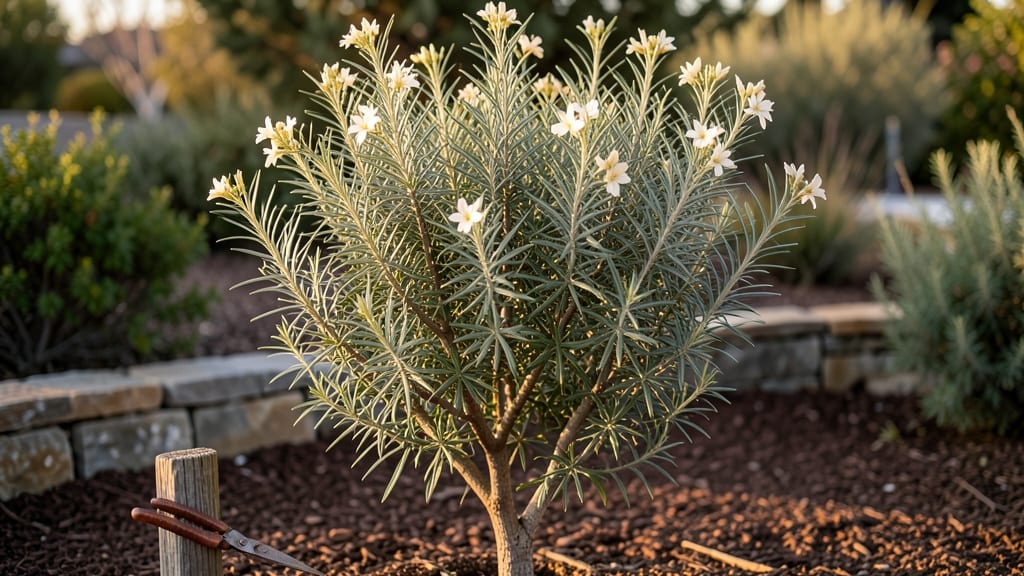
Growing a tea tree oil plant from seed means waking up to an evergreen bush that smells like a spa day in your own backyard. 🌿 The cold-hardy varieties—like Melaleuca alternifolia—thrive even in zones 8-11, and their silvery leaves release that signature medicinal scent year-round, whether you're brushing past them or harvesting for remedies.
You’ll need well-draining soil (think sandy loam mixed with compost), full sun to partial shade, and patience—these plants grow 2-3 feet tall but take 3-5 years to mature enough for oil extraction.
The key is consistent moisture without soggy roots; once established, they’re drought-tolerant, which makes them perfect for low-maintenance gardens or even large pots.
By late summer, you’ll be snipping leaves for homemade antiseptic salves, insect repellent sprays, or even tea (yes, it’s safe in small amounts!). The fragrance alone repels mosquitoes and spiders, so your patio becomes a natural bug-free zone.
Prune lightly in early spring to encourage bushier growth—just avoid heavy cuts, or you’ll delay oil production.
Even in winter, the leaves stay fragrant and the plant keeps its glossy sheen, making it a standout in any landscape. Whether you’re growing for health, beauty, or just the joy of a fragrant bush, this one’s a game-changer for gardeners who want both function and beauty.
Let’s get those seeds in the ground!
📚 In This Guide
- What you need
- Instructions
- Tips and common mistakes
- Wrapping up and next steps
What you need
- ● Tea tree seeds or cuttings: Seeds: 10–20 (for germination testing or bulk planting). Note: Seeds can be tricky—consider pre-sprouted seedlings for faster results!
- ● Cuttings: 3–5 healthy, 4–6 inch stems (from a mature tea tree plant).
- ● Well-draining potting mix: 1 bag (5–10 gallons) of cactus/succulent mix or a blend of: 50% peat moss or coconut coir
- ● 30% perlite or pumice
- ● 20% coarse sand or horticultural grit
- ● Containers: Seedlings: 4–6 inch pots (3–5 pots)
- ● Mature plants: 1–2 gallon pots or in-ground planting area (with full sun exposure, <6 hours/day)
- ● Fertilizer: Balanced, slow-release fertilizer (10-10-10 or 20-20-20, 1–2 tbsp per plant, every 3–4 months).
- ○ Optional: Liquid seaweed fertilizer (for nutrient boost during growing season).
- ● Tools: Pruning shears (sterilized with rubbing alcohol)
- ● Spray bottle (for misting)
- ● Gloves (tea tree oil can irritate skin)
- ● pH testing kit (ideal soil pH: 5.5–6.5)
- ● Cold-hardy varieties: Choose Melaleuca alternifolia cultivars rated for USDA Zones 8–11. Pro tip: In colder zones, grow in containers and overwinter indoors!
- ● Sunlight: Full sun (6+ hours/day) is a must—partial shade may stunt growth.
- ● Water: Drought-tolerant once established, but keep soil moist (not soggy) during the first year.
- ● Patience: Tea trees grow slowly—harvesting oil takes 3–5 years!
- ● Humidity dome or plastic wrap (to retain moisture during germination)
- ● Rooting hormone (for cutting propagation)
- ● Mulch (pine bark or straw to retain soil moisture)
- ● Essential oil extraction kit (if harvesting oil at home)
Step-by-step guide to growing cold-hardy tea tree plants
Here's how to cultivate resilient tea tree varieties that thrive even in cooler climates.
🌱 Step 1: Select and Prepare Your Planting Site
Choose a location with well-draining soil and at least 6 hours of sunlight daily. Tea trees tolerate partial shade but produce stronger oil yields in full sun. Test your soil's pH—ideal levels range between 6.0 and 7.0. If your soil is heavy clay, amend it with 2-3 inches of compost mixed into the top 12 inches of soil before planting.
Dig a hole twice as wide as the root ball but only as deep. This encourages roots to spread horizontally rather than settle too deeply. Gently loosen the roots if they're circling in the container, but don't prune them unless they're severely tangled. The reason we avoid deep planting is that tea trees are prone to root rot in waterlogged conditions.
☀️ Step 2: Plant at the Right Time and Depth
Plant your tea tree in early spring, after the last frost date in your zone. This gives roots 6-8 weeks to establish before summer heat arrives. Handle the root ball carefully—tea trees are sensitive to root disturbance. Place the plant so the top of the root ball sits 1 inch below soil level. This prevents stem rot while allowing roots to access moisture.
Backfill with the native soil you removed, pressing gently around the base to eliminate air pockets. Water immediately after planting with 1 gallon of water to settle the soil. You'll know it's properly settled when the soil surface looks firm but not compacted. Mulch with 2-3 inches of organic mulch (like wood chips) to retain moisture and regulate soil temperature.
💧 Step 3: Water and Fertilize for Optimal Growth
Water deeply once a week during the first growing season, providing 2-3 gallons per plant. Tea trees are drought-tolerant once established but need consistent moisture to develop strong root systems. Check soil moisture by sticking your finger 2 inches deep—water when it feels dry. Overwatering is the most common mistake, leading to root rot and leaf yellowing.
Fertilize twice a year—once in early spring and again in mid-summer—using a balanced 10-10-10 fertilizer. Apply ½ cup per plant and water thoroughly to distribute nutrients. Avoid high-nitrogen fertilizers, which promote leafy growth at the expense of oil production. You'll notice new growth within 3-4 weeks after fertilizing if the plant is healthy.
✂️ Step 4: Prune and Maintain for Year-Round Fragrance
Prune in late winter or early spring before new growth begins. Remove dead, diseased, or crossing branches first, then shape the plant by cutting back overly long branches to maintain an open, airy form. Tea trees respond well to pruning, so don't hesitate to trim back 1/3 of the plant if needed—this encourages bushier growth and more abundant oil production.
Harvest leaves 2-3 times a year for oil extraction, but never take more than 1/3 of the plant's foliage at once. The best time is late spring or early summer when leaves are fully mature but before flowering. You'll know it's time to harvest when leaves feel firm and emit a strong aromatic scent when crushed. Always use clean, sharp pruners to avoid damaging the plant.
Tips & tricks for perfect cold-hardy tea tree cultivation
Between us, growing tea trees in cooler climates takes a little extra finesse—but these tricks will help you avoid common pitfalls and maximize your plant's potential.
Soil Preparation Secret: The 2-3 inches of compost mixed into the top 12 inches of soil isn't just about drainage—it's about creating a microclimate that mimics the tea tree's native Australian environment. I like to add a handful of perlite to the mix for extra aeration, especially if your native soil is dense. This prevents that dreaded root rot while still holding enough moisture for young roots to establish properly. The key is working the compost in thoroughly so it's evenly distributed, not just piled at the bottom of the hole.
Planting Depth Matters: That 1-inch depth below soil level might seem minor, but it makes all the difference in preventing stem rot while allowing roots to access moisture. I've seen beginners plant too shallow, which exposes the stem to temperature fluctuations, or too deep, which suffocates the roots. Think of it like Goldilocks—just right is critical. After planting, press the soil gently but firmly around the base to eliminate air pockets without compacting it. This ensures good soil-to-root contact.
Watering Wisdom: The once-weekly deep watering recommendation is perfect for establishing strong roots, but timing matters just as much as quantity. Water in the morning so the leaves have time to dry before evening—this prevents fungal issues that can develop in damp foliage. I also recommend using a soaker hose or drip irrigation for the first few weeks to deliver water directly to the roots without wetting the leaves. This mimics natural rainfall patterns and reduces disease risk.
Pruning for Productivity: When you're harvesting those aromatic leaves 2-3 times a year, remember that each harvest should never exceed one-third of the plant's foliage. I've found that pruning in late winter encourages new growth that's particularly rich in oil content. Always use clean, sharp pruners and make cuts just above a leaf node—this prevents tearing and promotes faster healing. The open, airy form you create also reduces humidity within the plant, which naturally deters fungal problems.
Pro Tips for Tea Tree Oil Plant
- Between us, growing tea trees in cooler climates takes a little extra finesse—but these tricks will help you avoid common pitfalls and maximize your plant's potential.
- Soil Preparation Secret: The 2-3 inches of compost mixed into the top 12 inches of soil isn't just about drainage—it's about creating a microclimate that mimics the tea tree's native Australian environment.
- Planting Depth Matters: That 1-inch depth below soil level might seem minor, but it makes all the difference in preventing stem rot while allowing roots to access moisture.
Frequently asked questions
Got questions about growing your own tea tree oil plant? We’ve got answers!
Whether you’re a beginner or a seasoned gardener, these FAQs will help you navigate common challenges and maximize your plant’s potential.
Can tea tree oil plants survive winter in cold climates?
Yes! While tea trees (Melaleuca alternifolia) are native to Australia’s subtropical regions, cold-hardy varieties like Melaleuca linariifolia (narrow-leaf paperbark) can tolerate temperatures down to 15–20°F (-9 to -7°C). Plant in well-draining soil, mulch heavily, and choose a sheltered spot to protect roots from frost.
How long does it take for a tea tree plant to produce oil?
Patience is key—tea trees typically take 3–5 years to mature enough for oil extraction. Focus on nurturing healthy growth first: prune regularly, ensure full sun (6+ hours/day), and avoid overwatering. Once established, you can harvest leaves for DIY oil infusion (though commercial-grade oil requires specialized processing).
What’s the best soil mix for tea tree plants?
Tea trees thrive in sandy, acidic soil (pH 5.0–6.5) with excellent drainage. Mix equal parts:
- Potting soil
- Perlite or coarse sand
- Peat moss or coconut coir
How do I prevent pests like aphids or spider mites?
Tea trees are resilient but can attract pests. Start with neem oil spray (diluted 1 tbsp/quart water) as a preventive. For infestations, blast off pests with water, introduce ladybugs, or apply insecticidal soap. Prune affected leaves promptly and improve airflow by spacing plants 4–6 feet apart.
Can I grow tea tree plants in containers?
Use a 12-inch or larger pot with drainage, and repot every 2–3 years. Choose a fast-draining mix (like cactus soil) and place in full sun. Container-grown tea trees may grow slower but can still thrive with consistent care. Just remember: they’ll need winter protection if temps drop below 20°F.
Wrapping up and next steps
Growing a tea tree oil plant is a rewarding journey that brings natural beauty and therapeutic benefits right to your doorstep—even in colder climates! 🌿 With the right cold-hardy varieties and a little care, you’ll enjoy fragrant foliage and potential medicinal perks for years.
Whether you’re a seasoned gardener or just starting out, this guide gives you the confidence to nurture your own thriving plant.
Ready to take the next step? Start small—pick a variety that suits your zone, gather your supplies, and plant with patience. Watch your garden transform into a fragrant haven, one leaf at a time! 🌱