
Planting
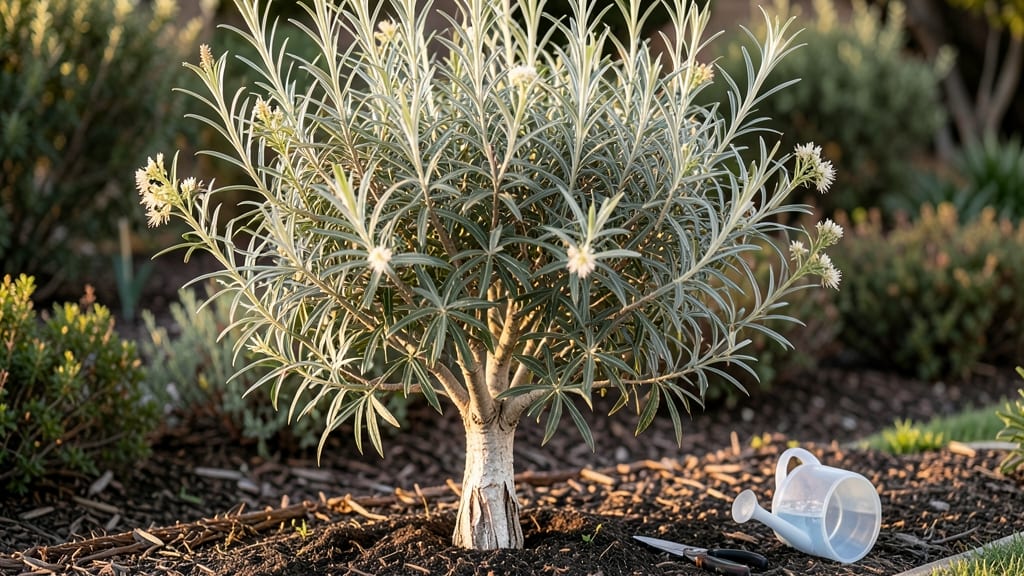
Growing a tea tree plant from seed or cutting means you’ll have a cold-hardy, fragrant evergreen that thrives where most plants struggle. 🌿 I learned the hard way—my first attempt nearly died from too much water, but once I mastered the balance, it became the most resilient plant in my yard.
The key is mimicking its native Australian conditions: well-draining soil, full sun (or at least six hours daily), and occasional pruning to encourage bushy growth.
Tea trees tolerate cold down to 10°F, making them perfect for zones 7-10, and they reward you with silvery-green foliage that smells like medicine when crushed.
By mid-summer, you’ll harvest leaves for homemade essential oil or use them as a natural pest repellent—mosquitoes hate the scent. The plant grows slowly but lives for decades, so every pruning and watering adjustment compounds into a stronger, healthier specimen over time.
Whether you’re growing it for its ornamental value, medicinal uses, or just because it’s tougher than your last failed experiment, this blueprint covers everything from propagation to long-term care. Let’s get that tea tree thriving!
📚 In This Guide
- What you need
- Instructions
- Tips and common mistakes
- Wrapping up and next steps
What you need
- ● Tea tree seeds or saplings: 1–3 (ensure they’re Melaleuca alternifolia or a cold-hardy variety).
- ● Well-draining potting mix: 5–10 gallons (or native sandy soil if planting outdoors).
- ○ Container (optional but recommended for beginners): 1–2 large pots (12–18 inches deep) with drainage holes.
- ● OR a raised garden bed (if planting in colder zones).
- ● Organic fertilizer: 1–2 cups of slow-release compost or balanced 10-10-10 fertilizer.
- ● Mulch: 2–3 inches of pine bark or straw (to retain moisture and insulate roots).
- ● Garden trowel or shovel (for planting).
- ● Pruning shears (to trim dead branches).
- ● Watering can or hose with a gentle spray nozzle (tea trees hate soggy roots!).
- ○ pH test kit (optional): Ideal soil pH is 5.5–6.5.
- ○ Thermometer (optional): Monitor soil temps in winter (tea trees thrive in USDA Zones 8–11 but can survive brief cold snaps with protection).
- ● Sunlight: Full sun (6+ hours daily)—no shade-loving tea trees here!
- ● Water access: Consistent moisture (but never waterlogged).
- ● Cold-hardiness prep (for Zones 7 and below): Use a greenhouse or cold frame in winter.
- ● Wrap pots in burlap for insulation.
Step-by-step guide for planting and cultivating cold-hardy tea trees
Here's how to establish a thriving tea tree that thrives through winter and summer alike.
🌱 Step 1: Select and Prepare the Planting Site
Tea trees (Melaleuca alternifolia) need well-draining soil and full sun to develop their signature cold-hardiness. Choose a location with 6+ hours of direct sunlight daily—even partial shade weakens their resilience. The ideal spot has soil with a pH between 5.0-7.0, which you can test with a simple soil kit.
If your native soil is heavy clay, amend it with 2-3 inches of organic matter like compost or aged bark. Tea trees hate soggy roots, so avoid low-lying areas where water pools. Dig a hole twice as wide as the root ball but only as deep—planting too deep suffocates the roots and stresses the plant.
☀️ Step 2: Plant at the Right Time and Depth
Fall is the best time to plant tea trees in colder climates, giving roots time to establish before winter. If planting in spring, do it early—once temperatures exceed 75°F, transplant shock becomes a bigger risk. Remove the plant from its container and gently loosen the roots if they're circling.
Place the tea tree in the hole so the top of the root ball sits 1 inch above soil level. This prevents water from pooling around the stem, which causes rot. Backfill with native soil, tamping lightly to remove air pockets. Water deeply until the soil settles—you'll see it sink about an inch.
💧 Step 3: Water and Mulch for Winter Protection
After planting, water the tea tree every 2-3 days until new growth appears—this signals roots have connected to the soil. Once established, they're drought-tolerant, but young plants need consistent moisture. Water at the base, avoiding the foliage to prevent fungal diseases like powdery mildew.
Spread a 3-inch layer of mulch around the base, keeping it 6 inches away from the trunk. Use pine straw or shredded bark—these insulate roots in winter while allowing airflow. Replenish mulch annually, as it breaks down and loses effectiveness. This layer is critical for cold-hardy tea trees, as it moderates soil temperature swings.
✂️ Step 4: Prune and Fertilize for Year-Round Health
Prune tea trees in late winter or early spring before new growth begins. Remove any dead, damaged, or crossing branches first—these compete with healthy growth. Thin out the center to improve airflow, which reduces disease risk. Use clean, sharp shears and make cuts just above a leaf node to encourage new growth.
Fertilize lightly in early spring with a balanced, slow-release fertilizer (10-10-10 ratio). Tea trees aren’t heavy feeders, so over-fertilizing leads to weak, disease-prone growth. Apply only ½ the recommended dose the first year, then adjust based on foliage color—dark green means it’s happy; yellowing means it’s overfed.
⏰ Step 5: Monitor and Adjust for Seasonal Changes
In winter, tea trees enter dormancy and need minimal care. If temperatures drop below 10°F, wrap the base with burlap for extra protection—young trees are most vulnerable. Check soil moisture monthly; water only if the top 2 inches feel dry, as winter rains often provide enough hydration.
By summer, your tea tree should show new growth at the tips and a glossy, aromatic foliage. If leaves yellow or drop, it’s often due to overwatering or poor drainage. Adjust care by reducing water frequency and ensuring the mulch layer remains intact. With proper attention, your tea tree will thrive for decades, offering both beauty and cold resilience.
Tips & tricks for perfect cold-hardy tea tree planting
Establishing a tea tree that thrives through seasons takes thoughtful planning—here's how to avoid common pitfalls and maximize success.
Soil Preparation Secret: Before amending heavy clay soil, conduct a simple percolation test by digging a 12-inch hole and filling it with water. If it drains in under 4 hours, your soil is already suitable. If not, focus on creating raised beds or incorporating more organic matter than the suggested 2-3 inches—tea trees despise waterlogged conditions, and this test reveals your soil's natural drainage capacity.
Planting Timing Insight: The 75°F temperature threshold isn't just about heat—it's about humidity too. If your spring temperatures hit 75°F but your region still has high humidity (common in coastal areas), plant in early morning or late afternoon to reduce transplant shock. The combination of heat and humidity creates ideal conditions for fungal stress during the critical first week after planting.
Winter Protection Upgrade: For the burlap wrapping at 10°F and below, consider adding a layer of frost cloth over the burlap for extra insulation. This creates a microclimate that can raise soil temperatures by 5-10°F, which is crucial for young trees. The key is to secure the cloth loosely—too tight and you'll trap moisture that causes rot. You can also use this technique during unexpected late frosts in spring when new growth is vulnerable.
Pro Tips for Tea Tree Plant
- Establishing a tea tree that thrives through seasons takes thoughtful planning—here's how to avoid common pitfalls and maximize success.
- Soil Preparation Secret: Before amending heavy clay soil, conduct a simple percolation test by digging a 12-inch hole and filling it with water.
- Planting Timing Insight: The 75°F temperature threshold isn't just about heat—it's about humidity too.
Frequently asked questions
Got questions about growing tea tree plants? You’re not alone!
Here are answers to the most common queries to help you cultivate a thriving, cold-hardy tea tree with ease.
Can tea tree plants survive winter in cold climates?
Yes! While tea trees (Melaleuca alternifolia) are native to Australia, some cold-hardy varieties (like Leptospermum species) tolerate temperatures down to 15–20°F (-9 to -7°C). Mulch heavily, plant in sheltered spots, and avoid wet soil to protect roots. For true tea tree, grow in containers and overwinter indoors.
How do I prepare my tea tree for winter?
Start by pruning lightly in early fall to reduce stress. Wrap the trunk with burlap or bubble wrap to shield it from harsh winds. Apply a 3–4 inch layer of mulch around the base (but not touching the stem) to insulate roots. Water moderately before the first frost—never soggy!
What’s the fastest way to propagate tea tree plants?
Use stem cuttings for the quickest results. Take 4–6 inch tips in spring/summer, strip lower leaves, and dip in rooting hormone. Plant in a mix of perlite and peat moss, keep humid with a plastic bag, and place in bright, indirect light. Roots should form in 4–8 weeks!
Why are my tea tree leaves turning yellow?
Yellowing leaves usually signal overwatering or nutrient deficiency. Tea trees prefer well-draining soil—amend heavy clay with sand or gravel. Feed with a balanced fertilizer (10-10-10) in spring, and ensure pots have drainage holes. Check for pests like spider mites too!
Are there tea tree alternatives for colder zones?
If your climate is too harsh for tea tree, try these fragrant, cold-tolerant alternatives:
- Lavender (Lavandula) – Thrives in zones 5–9, drought-resistant, and calming.
- Rosemary (Rosmarinus officinalis) – Hardy to zone 7, loves sun, and repels pests.
- Wintergreen (Gaultheria procumbens) – Zones 3–6, evergreen, and minty-scented.
Wrapping up and next steps
The tea tree plant is a resilient powerhouse—packed with natural benefits and adaptable to various climates. Whether you're growing it for its health-boosting oils, pest-repelling prowess, or simply its beauty, this cold-hardy plant delivers year-round rewards with minimal fuss. 🌿
Ready to harness its magic? Start small: plant a seedling or propagate from cuttings, then watch your garden (or DIY wellness routine) thrive! For deeper growth tips, explore our full guide—your green-thumb journey begins now.