Trees
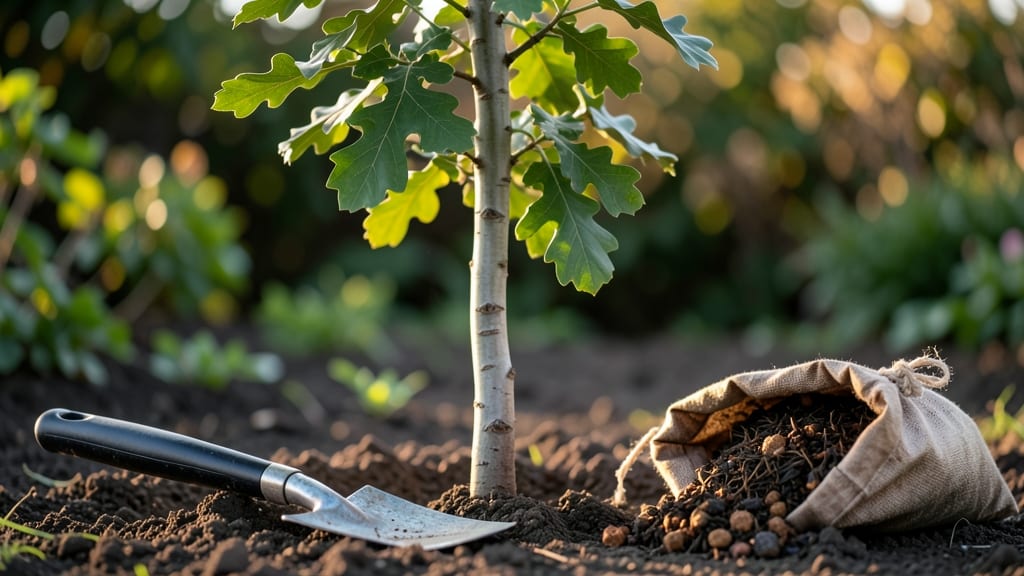
Growing trees in clay soil feels like battling a brick wall—until you learn the right tricks. 🌳 I’ve planted dozens of trees in heavy clay, and the difference between failure and success comes down to breaking through that compaction without smothering the roots.
The key isn’t fighting the clay; it’s working with it by improving drainage, choosing the right species, and giving roots room to breathe.
Most people assume clay soil is hopeless, but it’s actually rich in nutrients—it just needs the right amendments. A mix of compost, coarse sand, and wood chips loosens the structure over time, while deep planting (below the original soil line) encourages roots to grow downward where moisture lingers.
Native species like oak, hickory, and serviceberry thrive here, but even non-natives like redbud or crepe myrtle adapt with the right prep.
By summer’s end, you’ll see roots spreading deeper and wider, with trees that stay upright even in drought. The secret is patience: clay improves slowly, but once it does, your trees become nearly unstoppable. No more wilting saplings or stunted growth—just strong, resilient growth that outlasts the toughest seasons.
This works for backyards, farms, or even urban planting strips. The same principles apply whether you’re dealing with pure clay or just heavy, compacted soil. Let’s get those roots growing the way nature intended.
📚 In This Guide
- What you need
- Instructions
- Tips and common mistakes
- Wrapping up and next steps
What you need
- ● Amendments: Compost (3–5 gallons per hole) – look for well-aged, organic compost with a 2:1 carbon-to-nitrogen ratio
- ● Sand (coarse, 1–2 gallons per hole) – helps break up compaction but avoid overuse
- ● Peat moss or coconut coir (2–3 gallons per hole) – improves drainage and aeration
- ○ Gypsum (1–2 lbs per 10 sq ft) – optional but great for breaking up clay’s hardness
- ● Tools: Shovel (round-point or digging spade) – for deep, wide holes (12–18" diameter, 12–18" deep)
- ● Garden fork or aerator – to loosen compacted soil before planting
- ● Soil pH test kit – clay soil is often alkaline; aim for 6.0–7.0 for most trees
- ● Gloves & knee pads – because gardening should be comfortable!
- ● Mulch (wood chips or straw) – 2–4 inches around the base to retain moisture
- ● Slow-release fertilizer (balanced 10-10-10) – apply sparingly at planting time
- ● Drip irrigation or soaker hose – clay holds water, but roots still need consistent moisture
- ● Tree stakes & ties – for young trees in windy areas
How to plant trees in heavy clay soil for deep, thriving roots
Here's the method I rely on to help trees establish strong root systems in tough clay.
🌱 Step 1: Test and Amend the Soil Before Planting
Dig a hole about 12 inches deep and examine the clay. If it feels dense and holds its shape when squeezed, you'll need to improve drainage. Mix in 2-3 inches of compost or aged manure into the bottom third of the hole—this creates a nutrient-rich zone where roots will first establish.
For extremely heavy clay, I blend in 1 part perlite or coarse sand to 3 parts native soil in the planting hole. This loosens compaction without overwhelming the tree's natural rooting habits. Water the amended soil until it's moist but not soggy—this helps settle the mix before planting.
🪴 Step 2: Choose the Right Tree and Plant Properly
Select native or clay-tolerant species like oak, maple, or serviceberry—they thrive in heavy soils. Dig your planting hole twice as wide as the root ball but keep it the same depth. The extra width encourages roots to spread horizontally rather than circling.
Place the tree so the top of the root ball sits 1-2 inches above ground level. Backfill with a mix of native soil and your amended soil, tamping gently to eliminate air pockets. Water thoroughly to help the soil settle around the roots—you'll see water pooling at the surface before draining away.
☀️ Step 3: Create a Watering and Mulching System
Install a soaker hose or drip irrigation around the tree's root zone. Water deeply 2-3 times per week for the first month, then taper to once weekly once leaves appear. The goal is to encourage roots to grow deep rather than staying shallow in the moist top layer.
Apply 3-4 inches of mulch (wood chips or straw) in a 3-foot diameter circle around the tree, keeping it 6 inches away from the trunk. This retains moisture, regulates soil temperature, and prevents compaction from foot traffic. Replenish mulch annually—you'll notice it breaks down faster in clay soil.
✂️ Step 4: Monitor and Maintain Root Health
Check the soil 1 inch below the surface weekly. If it feels dry, water again—clay holds moisture but can dry out in hot weather. Look for signs of stress like yellowing leaves or stunted growth, which often mean roots aren't penetrating deeply enough.
After the first growing season, lightly scratch the soil surface with a trowel to check root growth. Healthy roots should spread 12-18 inches outward and grow 6-12 inches deep. If roots stay shallow, amend the soil again with compost and water deeply to encourage downward growth.
Tips & tricks for planting trees in heavy clay soil
Here's what I've learned after helping trees thrive in the toughest soil conditions.
Soil Amendment Strategy: When mixing in that 1 part perlite or coarse sand to 3 parts native soil in Step 1, don't just dump it in—layer it. Place the amended mix only in the bottom third of the hole where roots will first establish. The top two-thirds can remain native soil since roots will naturally grow deeper over time. This creates a perfect gradient for root development.
Tree Selection Insight: In Step 2, while native species like oak and maple are excellent choices, don't overlook understory trees like dogwood or serviceberry for smaller spaces. Their smaller root systems adapt better to clay's natural compaction. For larger trees, consider planting in late fall when soil temperatures are cooler—this reduces transplant shock in heavy clay.
Watering Technique: The 2-3 times per week watering schedule in Step 3 works best when done in the early morning. Water slowly until you see pooling at the surface—this indicates proper saturation. Clay soil can repel water if poured too quickly, so use a soaker hose or drip irrigation to ensure even moisture penetration. A moisture meter can help verify you're reaching the right depth.
Mulch Application Tip: For that 3-4 inches of mulch in Step 3, use wood chips rather than straw if you're in a humid climate—they break down more slowly and provide better moisture retention. Create a slight depression in the center of your mulch ring to help direct water toward the root zone. This simple adjustment can make a noticeable difference in root development during dry spells.
Pro Tips for Growing Trees In Clay Soil
- Here's what I've learned after helping trees thrive in the toughest soil conditions.
- Soil Amendment Strategy: When mixing in that 1 part perlite or coarse sand to 3 parts native soil in Step 1, don't just dump it in—layer it.
- Tree Selection Insight: In Step 2, while native species like oak and maple are excellent choices, don't overlook understory trees like dogwood or serviceberry for smaller spaces.
Frequently asked questions
Got questions about tackling clay soil for your trees? You’re not alone—this heavy, sticky ground can be tricky! Below are answers to the most common concerns, from quick fixes to long-term strategies. Let’s get those roots thriving!
Can I grow trees in clay soil without amending it?
Yes, but with some adjustments! Native trees like oaks, willows, and dogwoods often thrive in clay. Focus on improving drainage with raised beds or deep mulching. Avoid heavy tilling—it can worsen compaction. Pro tip: Plant in early spring when the soil is still workable but not waterlogged.
How long does it take for clay soil to improve for tree growth?
Patience is key! Organic matter (like compost or leaf mold) breaks down over 1–3 years. For faster results, mix in 2–3 inches of compost annually and mulch heavily. Test soil every 6 months to track progress—aim for a slightly loamy texture for optimal root expansion.
What’s the best mulch for clay soil?
Use wood chips, straw, or pine bark—they decompose slowly, improving structure without smothering roots. Avoid thick layers (keep it 2–4 inches deep) to prevent moisture issues. Bonus: Add a 1-inch layer of coarse sand beneath mulch to boost drainage near the base.
My tree’s leaves are yellowing—what’s wrong?
Yellow leaves often signal poor drainage or nutrient lockout in clay. Check for:
- Waterlogging: Ensure water drains within 6 hours after rain.
- Iron deficiency: Clay binds nutrients—apply chelated iron or use sulfur to acidify soil slightly.
- Root rot: If soil smells sour, aerate gently with a broadfork.
Adjust care based on the root cause!
Are there fast-growing trees that tolerate clay?
Try these clay-friendly, fast-growing options:
Tree
Growth Rate
Notes
Willow
3–5 ft/year
Loves moisture; great for erosion control.
Silver Maple
3–4 ft/year
Adapts well but needs space for roots.
Crabapple
2–3 ft/year
Ornamental; tolerates compacted soil.
Pro tip: Pair with mycorrhizal fungi to boost root health!
Wrapping up and next steps
Growing trees in clay soil may seem challenging, but with the right techniques—like improving drainage, amending soil, and choosing resilient species—you can create a thriving garden! 🌱 The key is patience and preparation, as healthy roots will reward you with stronger, more vibrant trees over time.
Ready to take the next step? Start small by testing your soil and selecting just one tree to begin. Your green thumb is closer than you think—dig in and watch your efforts bloom! 🌳