
Pruning
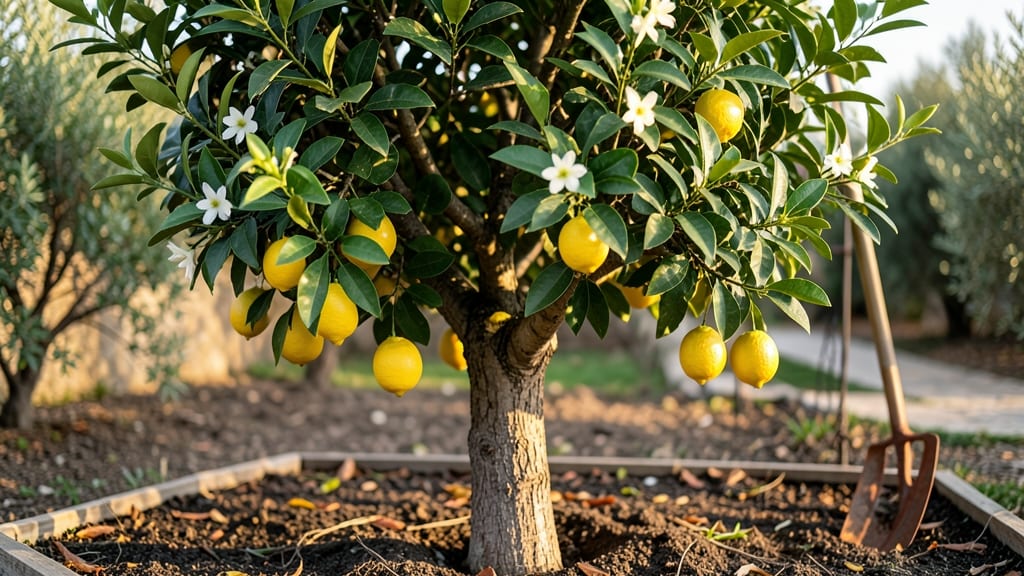
Your Sorrento lemon tree isn’t just a plant—it’s a sun-drenched promise of thick-skinned lemons and fragrant blossoms, but only if you prune it right. 🌿 I’ve watched these trees go from tangled messes to structured, fruit-heavy canopies in just one season, and the secret lies in timing, cuts, and a little Mediterranean know-how.
The wrong approach leaves you with sparse branches and bitter fruit, but the right one transforms your tree into a lemon-producing powerhouse.
This isn’t about hacking branches willy-nilly—it’s about shaping airflow, sunlight, and energy flow. You’ll need sharp pruners, a 3-foot ladder for taller trees, and a clear day to avoid spreading disease.
The best time to prune is late winter or early spring, right before new growth kicks in, but summer pruning can boost fruit set if done carefully. Even experienced gardeners skip this step, and that’s why their trees never hit their full potential.
What you’ll end up with is a tree that bears lemons year after year—not just a few here and there, but buckets of them.
The canopy stays open enough for sunlight to reach every branch, the fruit develops that signature thick peel, and the tree looks like it belongs in a Tuscan villa.
No more struggling to find ripe lemons in your own yard—just a steady harvest that makes jams, limoncello, and fresh lemonade feel like a daily luxury.
Whether you’re in Zone 9-11 or a container in a sunny patio, the same principles apply. We’ll cover how to adapt for smaller spaces, what to watch for in pests, and how to tell if you’ve pruned too much (or too little).
Let’s get those branches in shape for a harvest that’ll make your neighbors green with envy.
📚 In This Guide
- What you need
- Instructions
- Tips and common mistakes
- Wrapping up and next steps
What you need
- ● Pruning shears: Bypass pruners (sharp, 6-8" blades) for clean cuts on small branches.
- ● Loppers: Bypass or anvil type (10-14" blades) for thicker branches (½"–1.5" diameter).
- ● Pruning saw: Curved-tooth handsaw for branches thicker than 1.5".
- ● Disinfectant: 70% isopropyl alcohol or bleach solution (1 part bleach : 9 parts water) to sterilize tools between cuts.
- ● Gloves: Heavy-duty gardening gloves (cut-resistant for safety).
- ● Tree ties or twine: Soft cloth or plastic ties (for securing branches if needed).
- ● Bucket or tarp: For collecting pruned branches and debris.
- ● Hand pruners: For precision trimming of tiny shoots.
- ● Pole saw: If your tree is tall (extendable for hard-to-reach branches).
- ● Rubbing alcohol wipes: Quick tool disinfection on the go.
- ○ Tree wound sealant: (Optional) For large cuts (only if needed—healthy trees heal best without it!).
- ● Notebook & pen: To sketch your tree’s structure before pruning.
Step-by-step instructions for pruning a Sorrento lemon tree
Here's how I shape my Sorrento lemon trees for stronger branches and bigger harvests.
✂️ Step 1: Time Your Pruning for Maximum Growth
Prune your Sorrento lemon tree in late winter or early spring, just as new growth begins. This timing lets the tree focus its energy on fruit production rather than repairing cuts. Avoid pruning in fall or summer—you'll stress the tree when it's already working hard to produce lemons or handle heat.
Look for the first signs of bud swell on branches—those tiny bumps where new leaves will emerge. That's your cue to start. If you wait too long, you'll encourage excessive flowering instead of strong structural growth. I always mark my calendar for February in colder regions or January in warmer climates.
🌿 Step 2: Remove Dead, Diseased, or Crossing Branches First
Start with your pruning shears and cut out any branches that are dead, diseased, or rubbing against others. These are your top priorities—they compete with healthy growth and can spread problems. Look for branches with no green leaves, brown or blackened areas, or branches growing directly into each other.
Make clean cuts at a 45-degree angle, about ¼ inch above an outward-facing bud. This encourages new growth to sprout in the right direction. I always sanitize my tools with rubbing alcohol between cuts to prevent spreading any hidden infections. Remove any suckers at the base too—those are the tree's attempt to grow new trunks and waste energy.
☀️ Step 3: Open the Canopy for Sunlight and Airflow
Now focus on shaping the tree's natural form by thinning out crowded branches. Aim to create an open center that lets sunlight reach all parts of the canopy. Sorrento lemons need plenty of light to produce fruit, so don't be shy about removing branches that block light from the interior.
Cut back branches that grow inward or downward to maintain an outward-facing structure. Leave 3-4 main scaffold branches that form the tree's primary framework. These should be spaced evenly around the trunk. Remember, you're creating a balanced shape—think of it like sculpting a natural vase form that widens at the top.
⏰ Step 4: Lightly Prune for Fruit Production
For fruit production, make selective cuts to reduce the tree's overall size by about 20-30%. This might mean shortening some branches by up to one-third. Focus on branches that have produced fruit in previous years—these are your most productive limbs.
Look for clusters of fruit and make your cuts just above a leaf node where new growth can emerge. Avoid cutting back into old wood—you want to encourage new, vigorous growth. I always step back after pruning to check the tree's shape from all angles. If one side looks too heavy, I'll make a few more cuts to balance it out.
💧 Step 5: Clean Up and Fertilize After Pruning
After you've finished pruning, remove all the clippings from the area around your tree. These can harbor pests and diseases. I like to compost the healthy-looking clippings, but always dispose of any diseased branches immediately.
Apply a balanced citrus fertilizer to replace nutrients lost during pruning. Water deeply right after fertilizing to help the nutrients soak into the soil. This is also a good time to add a 2-3 inch layer of mulch around the base to retain moisture and regulate soil temperature. Your Sorrento lemon tree will reward you with stronger growth and more abundant fruit next season.
Tips & tricks for perfect Sorrento lemon tree pruning
These simple tricks will help you shape your tree like a pro and keep it thriving for years to come.
Bud Swell is Your Green Light: In Step 1, those tiny bumps on branches are your signal to start pruning. I learned this the hard way—waiting too long means you'll end up with too many flowers instead of strong branches. If your region has unpredictable winters, keep an eye on bud development rather than just dates. A quick check every few days ensures you're ready when the time comes.
Clean Cuts Matter More Than You Think: When you're making those 45-degree cuts in Step 2, precision pays off. The ¼ inch above the bud rule isn't just a suggestion—it's what determines whether new growth will face outward or inward. I always double-check with my finger: if I can't see the bud clearly, I adjust my cut. This small detail makes a huge difference in your tree's final shape.
Sunlight Strategy for Maximum Fruit: In Step 3, think of your tree like a chandelier—you want light to reach every part of the canopy. I like to imagine drawing lines from the center of the tree outward. Any branch that crosses these lines needs to go. This open center isn't just about looks; it's what lets your Sorrento produce those sweet, abundant lemons we all love.
Fertilizer Timing is Critical: After you've finished pruning in Step 5, don't rush the fertilizer. Water deeply first—this helps the nutrients soak into the soil where your tree can use them. I've seen people skip this step and wonder why their tree doesn't respond well. The 2-3 inch mulch layer is just as important; it's like putting a cozy blanket around your tree's roots during those first crucial weeks after pruning.
Pro Tips for Sorrento Lemon Tree
- These simple tricks will help you shape your tree like a pro and keep it thriving for years to come.
- Bud Swell is Your Green Light: In Step 1, those tiny bumps on branches are your signal to start pruning.
- Clean Cuts Matter More Than You Think: When you're making those 45-degree cuts in Step 2, precision pays off.
Frequently asked questions
Got questions about pruning your Sorrento lemon tree? You’re not alone!
Here are answers to the most common concerns—from timing to troubleshooting—so you can keep your citrus canopy thriving and fruitful.
When is the best time to prune a Sorrento lemon tree?
The ideal time is late winter or early spring (just before new growth starts). Avoid pruning in summer or fall—this can stress the tree or invite pests. For Mediterranean climates, aim for February or March when the tree is dormant but ready to rebound.
How often should I prune my Sorrento lemon tree?
Light maintenance pruning (removing dead or crossing branches) can happen year-round, but major structural pruning should occur every 1–2 years. Young trees need more frequent shaping (annually), while mature trees may only need occasional thinning to improve airflow and sunlight.
What if I prune at the wrong time?
Pruning during active growth (summer/fall) can weaken the tree, reduce fruit production, or attract pests like aphids. If you’ve already pruned too late, focus on watering deeply and fertilizing lightly to help recovery. Next year, stick to the late-winter schedule!
Will pruning reduce my lemon harvest?
Not if done correctly! Proper pruning boosts fruit quality by improving airflow and sunlight penetration. However, avoid over-pruning—never remove more than 25% of the canopy in one session. Thin out dense growth to prioritize larger, sweeter lemons.
How do I know if my Sorrento lemon tree is over-pruned?
Watch for yellowing leaves, stunted growth, or no new blooms—these are red flags. If you’ve cut too aggressively, pause pruning for a year and focus on care: water consistently, fertilize with citrus-specific nutrients, and protect from extreme temps. Patience helps the tree recover!
Can I prune a Sorrento lemon tree in containers?
Container-grown trees need more frequent pruning (every 6–12 months) to control size and roots. Use sterilized shears and repot every 2–3 years to refresh soil. Prune lightly in spring, then trim roots by 10% if they’re circling the pot.
Wrapping up and next steps
Growing a thriving Sorrento lemon tree is all about patience, precision, and a little Mediterranean magic! By mastering the art of pruning—timing, tools, and techniques—you’ll unlock a bountiful harvest of sweet, fragrant lemons while keeping your tree healthy and vibrant.
Whether you’re trimming for shape, airflow, or fruit production, remember: less is often more when it comes to pruning.
Ready to take the next step? Roll up your sleeves and schedule your first pruning session this fall—your tree (and your taste buds!) will thank you. 🌿✨ Grab your shears and dive back into our step-by-step guide to refine your skills!