
Pruning
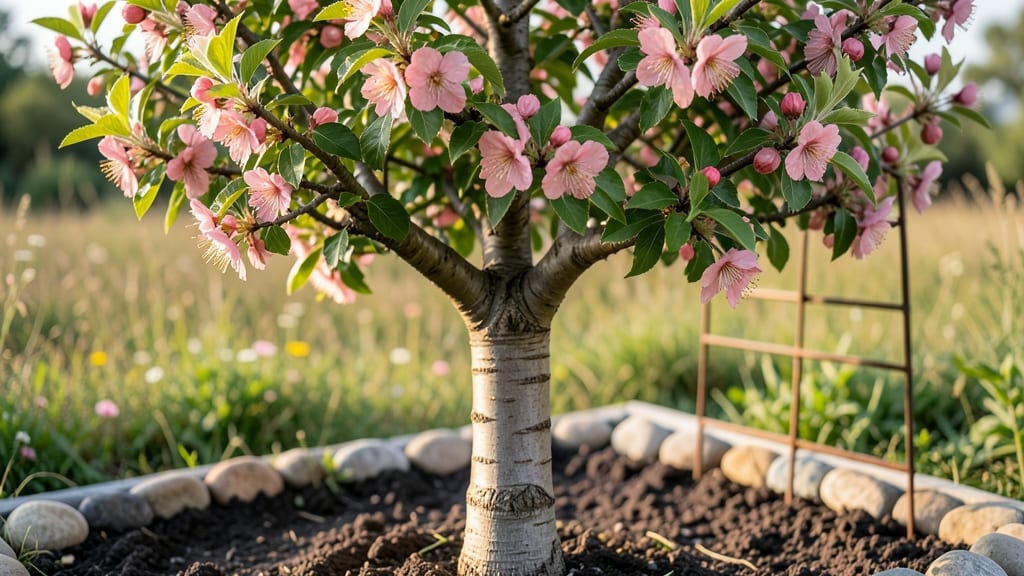
Your donut peach tree's flower pruning is the secret weapon for turning next year's blooms into a burst of pink perfection—and avoiding the heartbreak of broken branches under fruit weight. 🌸 I learned this the hard way after my first tree groaned under a record peach harvest, its flowers struggling to return the following spring.
The key is balancing two goals: keeping enough flower buds for fruit and thinning the load so the tree doesn't collapse. Start by removing water sprouts (those skinny vertical shoots) and crossing branches—these steal energy from blooms.
Then, cut back last year's fruit spurs by one-third, leaving the strongest buds. Think of it like editing a painting: you remove the clutter to let the masterpiece shine.
What you’ll end up with is a tree that blooms heavier and more reliably each year, with fruit that ripens evenly and doesn’t rot from overcrowding. The flowers themselves become showier too—more vibrant pink clusters that attract pollinators like crazy.
And yes, you’ll still get donut-shaped peaches, but now they’ll be the star of your harvest instead of the tree’s undoing.
Works for both young trees and mature ones, though timing matters—prune late winter to early spring before buds swell. The rest is just patience and a sharp pair of shears. Let’s get those branches in shape for next season’s showstopper blooms.
📚 In This Guide
- What you need
- Instructions
- Tips and common mistakes
- Wrapping up and next steps
What you need
- ● Pruning shears: Bypass pruners (sharp, clean, and disinfected with rubbing alcohol or bleach solution). Size: 6–8" blades for precision.
- ● Loppers: For thicker branches (1–2" diameter). Quantity: 1 pair (ergonomic grip recommended!).
- ● Hand saw: Bow saw or pruning saw for branches >2" thick. Blade length: 12–14".
- ● Gloves: Heavy-duty work gloves (cut-resistant, like mechanics' gloves) to protect from thorns and splinters.
- ● Disinfectant: 1 part bleach to 9 parts water (or store-bought pruning sealant) to prevent disease spread.
- ● Rag or paper towels: For wiping tools between cuts (sanitation is key!).
- ○ Pruning sealant: Optional but helpful for large cuts (>1/2") to prevent infection.
- ● Ladder or step stool: Sturdy and tall enough to reach the tree’s canopy safely.
- ● Trash bags or bucket: For collecting pruned branches (compost or dispose of diseased wood immediately).
- ● Notebook & pen: To sketch a pruning map of your tree’s structure.
- ● Pole pruners: Extendable shears for high branches (save your back!).
- ● Tree wound paint: For sealing cuts (controversial but some swear by it!).
- ● Safety glasses: Protect your eyes from debris (especially if sawing thick branches).
- ● Garden hose: For rinsing tools post-pruning.
- ● Pruning guidebook or app: Like “PruneTime” for real-time tree analysis.
Step-by-Step guide to pruning donut peach tree flowers for maximum fruit
Here's how to shape your tree for a bountiful harvest without overloading branches.
🌿 Step 1: Time Your Pruning for Peak Bloom Timing
Prune your donut peach tree immediately after harvest—this gives the tree time to heal before next year's flower buds form. Late summer to early fall is ideal. Avoid pruning in winter when the tree is dormant, as this can stimulate unwanted growth that won't harden off before spring.
Look for branches with last year's fruit scars—these are where this year's flower buds will develop. If you prune too early, you risk removing potential bloom sites. If you wait too late, you may encourage late-season growth that won't mature properly before winter.
✂️ Step 2: Remove Overlapping and Crossing Branches First
Start by eliminating any branches that cross or rub against each other. These create wounds that invite disease and weaken the tree's structure. Use sharp pruning shears to make clean cuts just outside the branch collar—the swollen area where the branch meets the trunk.
Next, remove branches growing straight upward ("water sprouts") unless they're part of the tree's natural scaffold. These compete with fruiting wood for energy and rarely bear fruit. Always cut back to a lateral branch or bud that grows at a 45-degree angle—this encourages outward growth where fruit develops best.
☀️ Step 3: Thin Out Flower Clusters for Optimal Fruit Size
Donut peach trees naturally produce heavy flower loads, which can lead to small, poor-quality fruit. After the petals fall but before the fruit sets, inspect each cluster and remove every other flower or leave only 2-3 flowers per spur on mature branches.
Use your fingers to gently twist off excess blooms at the base—don't pull from the stem, which can damage developing fruit. Focus first on the outer branches, as these receive the most sunlight and produce the largest fruit. You'll know you've done enough when you can see light filtering through the canopy.
💧 Step 4: Clean Up and Apply Post-Pruning Care
After pruning, sterilize your tools with rubbing alcohol to prevent spreading disease between cuts. Collect and dispose of all pruned material—don't leave it on the ground, as it can harbor pests and diseases that affect next year's blooms.
Water the tree deeply within 24 hours to help it recover from the pruning stress. Apply a balanced fruit tree fertilizer (10-10-10 ratio) around the drip line, keeping it 6 inches away from the trunk. This encourages root growth to support next year's fruit production.
Tips & tricks for perfect donut peach tree flower pruning
Real talk: Pruning a donut peach tree isn't just about cutting branches—it's about setting up next year's harvest while keeping your tree healthy. Here's what I've learned after years of trial and error (and a few over-enthusiastic pruning sessions that left my tree looking like a sad, lopsided bush).
Timing is Everything: The "immediately after harvest" window in Step 1 is critical because it gives your tree time to heal before winter sets in. I learned this the hard way after pruning too early one fall—my tree struggled to set buds the following spring. If you miss this window, wait until early spring before buds swell, but avoid pruning when the tree is actively growing in late spring or summer.
Branch Angle Matters: When removing water sprouts in Step 2, always cut back to a lateral branch growing at a 45-degree angle. This isn't just random advice—it's about encouraging outward growth where sunlight reaches all the fruiting wood. I used to cut back to the nearest bud, but my fruit production was always concentrated in the center of the tree, leaving the outer branches bare.
Thinning Strategy: The "every other flower" rule in Step 3 might seem extreme, but trust me on this: Donut peach trees are notorious for setting too many fruit, which leads to tiny, underripe peaches. Focus on the outer branches first—they get the most sunlight and produce the largest fruit. I've seen trees with 50% more fruit when I followed this method versus when I left clusters untouched.
Post-Pruning Recovery: That 24-hour watering deadline in Step 4 isn't just a suggestion—it's a lifesaver for stressed trees. I used to skip the immediate watering and noticed my trees took twice as long to recover. The fertilizer application is just as important: Spread it evenly around the drip line (not the trunk) to encourage strong root growth, which supports next year's flower production.
Pro Tips for Donut Peach Tree Flower
- Real talk: Pruning a donut peach tree isn't just about cutting branches—it's about setting up next year's harvest while keeping your tree healthy.
- Timing is Everything: The "immediately after harvest" window in Step 1 is critical because it gives your tree time to heal before winter sets in.
- Branch Angle Matters: When removing water sprouts in Step 2, always cut back to a lateral branch growing at a 45-degree angle.
Frequently asked questions
Got questions about pruning your donut peach tree to maximize those stunning peach tree flowers and fruit loads? You’re in the right place! Here are the answers to the most common queries from gardeners just like you:
When is the best time to prune my donut peach tree for flowers and fruit?
The ideal window is late winter or early spring (just before buds swell but before flowers appear). This timing ensures you don’t cut off next year’s blooms while still shaping the tree for a heavy fruit load. Avoid pruning in fall—it stresses the tree and invites disease. Pro tip: If you missed the window, prune after harvest (summer) but avoid heavy cuts.
How much should I prune? Will cutting too much hurt my tree’s flowers?
For a donut peach tree, aim to remove 20-30% of the canopy total—never more than 1/3 in one year. Focus on:
- Dead, diseased, or crossing branches ( disease prevention).
- Suckers at the base ( energy drain).
- Overcrowded areas to improve airflow ( flower health).
Can I prune my peach tree in summer to encourage more flowers?
Summer pruning is possible but risky—it can stress the tree and reduce flower buds for next season. If you must prune in summer (e.g., to remove storm damage), limit cuts to 10% of the canopy and focus on:
- Removing water sprouts (fast-growing vertical shoots).
- Thinning fruit clusters to avoid overburdening branches ( heavy loads = fewer flowers next year).
What if my peach tree isn’t flowering much? Could pruning help?
If your donut peach tree is flower-sparse, pruning might help—but first check these common culprits:
- Age: Young trees (under 3 years) focus on growth, not flowers. Be patient!
- Over-fertilizing with nitrogen ( leafy but no blooms). Switch to a balanced 10-10-10 or low-nitrogen fertilizer.
- Poor sunlight (peach trees need 6+ hours of sun daily).
- Disease or pests (e.g., peach leaf curl). Prune after treating the issue.
Are there alternatives to pruning for improving peach tree flowers?
Yes! Combine pruning with these flower-boosting tricks:
- Thin fruit (remove 50% of young fruit) to redirect energy to peach tree flowers.
- Apply bloom-enhancing sprays (like kelp or fish emulsion) in early spring.
- Ensure proper watering (deep, infrequent soakings) to avoid stress.
- Plant companion flowers (like dwarf fruit trees) nearby to attract pollinators.
Wrapping up and next steps
Watching your donut peach tree flower bloom into a fruit-bearing masterpiece is incredibly rewarding! With the right pruning techniques, you’ve set the stage for a bountiful harvest while keeping your tree healthy and vibrant. Remember, consistency is key—regular checks and adjustments will ensure your tree thrives year after year.
Now that you’re armed with knowledge, grab those pruners and give your tree the care it deserves! 🌸 Start by scheduling your next pruning session—whether it’s post-harvest cleanup or preparing for spring blooms—and enjoy the sweet rewards of your hard work. Happy pruning! 🌱