
Fertilization
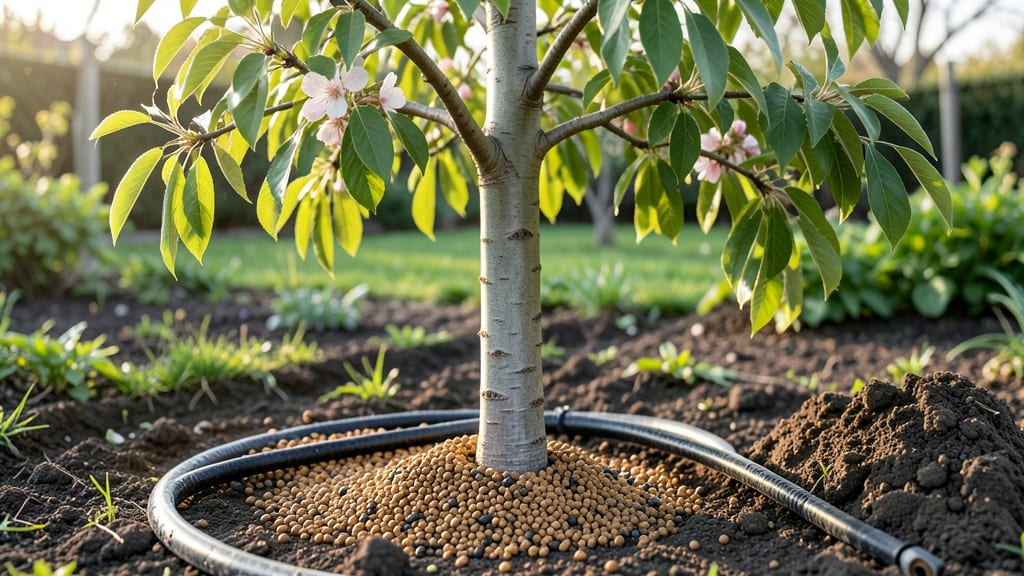
My homemade fertilizer for peach trees—crafted from kitchen scraps—has transformed my orchard, yielding bigger fruit and fewer pests in just a few seasons. 🌱 and stronger branches. The secret isn’t complicated: it’s about balancing nutrients naturally, without synthetic chemicals that disrupt the soil ecosystem.
This recipe relies on three powerhouse ingredients you likely already have: banana peels (for potassium), coffee grounds (for nitrogen), and eggshells (for calcium). Together, they create a slow-release fertilizer that mimics the natural decomposition process, giving your peach tree exactly what it needs to flower, fruit, and resist disease.
The best part? You’ll save money and reduce waste while giving your tree a healthier, more productive growing season.
What you’ll end up with is a rich, crumbly fertilizer that improves soil structure and microbial activity. Spread it around the drip line in early spring and again after harvest, and watch your peach tree reward you with juicier fruit, thicker canopies, and fewer empty blossoms.
The process takes less than 20 minutes to prepare, and the benefits last all season.
Works for both young trees and established ones, and adapts easily to container-grown peaches. Here’s how to make it—plus how to troubleshoot if your tree isn’t responding as expected.
📚 In This Guide
- What you need
- Instructions
- Tips and common mistakes
- Wrapping up and next steps
What you need
- ● Eggshells (crushed) – 1 cup (dried and ground) (for calcium)
- ● Coffee grounds (used) – ½ cup (dry) (adds nitrogen and acidity)
- ● Banana peels (dried & chopped) – ¼ cup (finely ground) (potassium boost)
- ● Wood ash (cool, from untreated wood) – ¼ cup (sifted) (potassium & trace minerals)
- ● Compost or well-aged manure – 2–3 cups (homemade or store-bought) (balanced organic matter)
- ● Water – 1 gallon (for liquid fertilizer) or dry mix for soil top-dressing
- ○ Blender or food processor – For crushing eggshells and grinding peels (optional but helpful!)
- ● Strainer or cheesecloth – To filter liquid fertilizer if making a tea
- ● Garden gloves – To protect your hands from wood ash or compost
- ○ Spray bottle or watering can – For applying liquid fertilizer (optional)
- ○ Epsom salt (magnesium sulfate) – 1 tbsp (optional, for extra magnesium)
- ○ Citric acid or vinegar – 1 tsp (optional, to enhance nutrient absorption)
Step-by-step guide to making homemade peach tree fertilizer
Here’s my foolproof method for crafting nutrient-rich fertilizer using common kitchen scraps—no store-bought chemicals needed.
🌱 Step 1: Collect and Prep Organic Materials
Start by gathering fruit and vegetable scraps (peels, cores, trimmings), coffee grounds, and eggshells—these are the powerhouses of your fertilizer. Avoid meat or dairy, as they attract pests. Chop scraps into small pieces to speed up decomposition. I like to store them in a sealed container in the freezer until I have enough for a batch.
For eggshells, crush them into a fine powder using a clean mortar and pestle or roll them with a rolling pin. The calcium in eggshells strengthens cell walls, helping peach trees resist disease. If you’re using coffee grounds, let them dry slightly before adding them to the mix—they can get moldy if too wet.
💧 Step 2: Create the Compost or Tea Base
You have two options: compost pile or fertilizer tea. For compost, layer your scraps with garden soil or finished compost in a bin. Keep it moist but not soggy—think of a damp sponge. Turn the pile every few days to aerate and speed up decomposition. In 4-6 weeks, you’ll have dark, crumbly compost ready to use.
For fertilizer tea, steep scraps in 5 gallons of water for 24-48 hours. Use a breathable bag (like an old pillowcase) to contain the materials. Stir occasionally to release nutrients. Strain before use—you want liquid gold, not a sludge. This tea is best used fresh, but you can store it in the fridge for up to a week.
☀️ Step 3: Apply to Peach Trees at the Right Time
Timing matters. Apply compost in early spring before buds swell or in fall after harvest. Spread a 2-3 inch layer around the tree’s drip line (the area where water drips from the branches), keeping it 6-12 inches away from the trunk. Water deeply afterward to help nutrients sink into the soil.
For fertilizer tea, dilute it 1:1 with water if it’s strong-smelling. Pour 2-3 gallons around the base of the tree every 4-6 weeks during growing season. Avoid applying tea when leaves are wet—this can burn foliage. I’ve found that peach trees fertilized this way produce larger, sweeter fruit and fewer leaf diseases.
✂️ Step 4: Monitor and Adjust for Best Results
Watch for signs your trees are thriving: dark green leaves, vigorous new growth, and more blossoms. If leaves turn yellow, your tree might need more nitrogen—add a handful of composted grass clippings to the mix. If growth slows, increase the frequency of tea applications to every 3 weeks during peak summer.
Here’s the thing—peach trees are heavy feeders, so don’t skimp. I like to top-dress with a fresh layer of compost every fall and use tea monthly during fruit development. The key is consistency. Over time, your trees will reward you with juicier peaches and stronger branches.
Tips & tricks for perfect homemade peach tree fertilizer
Real talk: turning kitchen scraps into garden gold takes a few strategic moves that make all the difference between mediocre compost and nutrient-packed fertilizer.
Material Selection Matters: While fruit and vegetable scraps are the base, don't overlook the power of banana peels (rich in potassium) and avocado pits (crushed and steeped) as optional boosters. I crush avocado pits with a hammer, then steep them with the other scraps for an extra nutrient punch. The key is balance—too many citrus peels can acidify your mix, so limit them to occasional additions rather than staples.
Compost Aeration Secret: When building your compost pile, alternate layers of garden soil with scraps in a 2:1 ratio (two parts scraps to one part soil). This creates air pockets that speed up decomposition by up to 30%. I use a garden fork to gently fluff the pile every 3-4 days during the 4-6 week process, which prevents compaction and keeps microbes happy. The goal is to maintain that "damp sponge" texture consistently.
Tea Brewing Technique: For the 24-48 hour tea steeping, I've found that adding a handful of dried seaweed (optional) or a few drops of molasses (1 tablespoon per gallon) acts as a microbial accelerator. Stir the tea vigorously every 6 hours to prevent stratification—this ensures even nutrient distribution. The first 24 hours release the most nutrients, so if you're short on time, don't exceed the 48-hour maximum or you risk anaerobic conditions that create foul odors.
Application Strategy: When spreading that 2-3 inch layer of compost, create small trenches around the drip line rather than piling it directly against the trunk. This prevents rot while maximizing root zone contact. For tea applications, I use a watering can with a narrow spout to direct the 2-3 gallons precisely where it's needed, avoiding leaf surfaces entirely. The 4-6 week application schedule works best when paired with regular deep watering—this helps the nutrients penetrate the soil profile rather than staying near the surface.
Pro Tips for Homemade Fertilizer For Peach Trees
- Real talk: turning kitchen scraps into garden gold takes a few strategic moves that make all the difference between mediocre compost and nutrient-packed fertilizer.
- Material Selection Matters: While fruit and vegetable scraps are the base, don't overlook the power of banana peels (rich in potassium) and avocado pits (crushed and steeped) as optional boosters.
- Compost Aeration Secret: When building your compost pile, alternate layers of garden soil with scraps in a 2:1 ratio (two parts scraps to one part soil).
Frequently asked questions
Got questions about homemade peach tree fertilizer? You’re not alone! Here are some of the most common concerns—and straightforward answers to help you grow thriving trees with ease.
What’s the best time of year to apply homemade fertilizer to peach trees?
Apply your homemade fertilizer in early spring (just as buds swell) and again in late summer (after harvest). Avoid fertilizing in winter or during extreme heat, as it can stress the tree. For organic options like compost or banana peels, you can also top-dress lightly in fall to prep for next year’s growth.
Can I use coffee grounds as a fertilizer for peach trees?
Coffee grounds are a great nitrogen source for peach trees, but use them sparingly—mix them into the soil or compost pile (no more than 1 cup per tree every few months). Too much can acidify the soil, which peach trees dislike. Pair them with wood ash (a few tablespoons) to balance pH.
What should I do if my peach tree’s leaves turn yellow after fertilizing?
Yellow leaves often mean over-fertilization or nutrient burn. Flush the soil with water to dilute excess salts, and hold off on fertilizing for 4–6 weeks. If the issue persists, test your soil’s pH (ideal range: 6.0–6.5) and adjust with lime or sulfur. Mulch heavily to protect roots and reduce stress.
Are there any homemade fertilizers I should avoid for peach trees?
Skip meat scraps or dairy (they attract pests), citrus peels in large amounts (can acidify soil), and fresh grass clippings (they mat and rot). Also, avoid high-salt fertilizers like Epsom salt in excess—peach trees are sensitive! Stick to balanced, organic options like compost, banana peels, or eggshells.
How often should I fertilize peach trees with homemade mixes?
For young trees (under 3 years), fertilize every 2–3 months with a light application. Mature trees (3+ years) need feeding 2–3 times per year (spring, summer, and optional fall). Less is more—overdoing it leads to weak growth and fewer fruits. Always water thoroughly after applying to help nutrients absorb.
Wrapping up and next steps
Creating your own homemade fertilizer for peach trees isn’t just budget-friendly—it’s a rewarding way to nurture your orchard with natural, nutrient-rich scraps! By repurposing coffee grounds, eggshells, banana peels, and more, you’re giving your trees the organic boost they need for healthier growth and sweeter fruit. 🌱
Now that you’re armed with these easy recipes, roll up your sleeves and get composting! Start small with one batch, monitor your tree’s progress, and soon you’ll be harvesting peaches that taste like summer in a jar. Happy gardening! 🍑✨