
Light Requirements
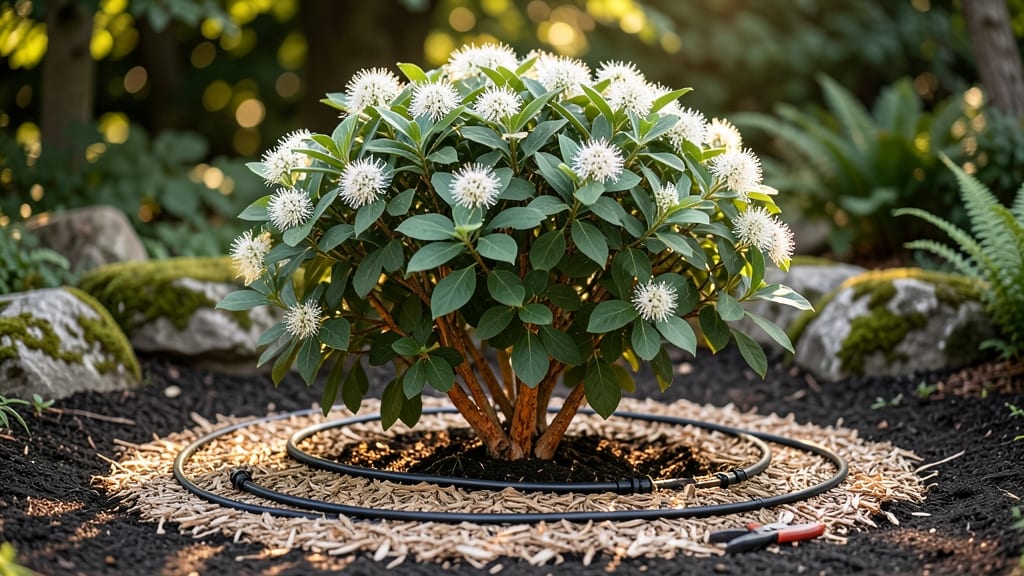
Finding shade-tolerant trees that thrive in small spaces has been my secret weapon for transforming dull corners into lush, layered gardens. 🌿 These trees don’t just survive in low light—they bring texture, color, and even fragrant blooms where sunlight barely reaches.
My favorite, the Japanese maple, stays under 10 feet tall while painting the understory in fiery autumn hues, and its delicate leaves filter light beautifully for plants below.
The best small shade trees balance size with impact: dwarf fothergilla tops out at 6 feet with bottlebrush blooms in spring, while serviceberry delivers edible berries and white flowers on a 12-foot frame. Root systems stay compact too, so you won’t battle invasive roots in tight spaces.
I’ve planted these along fences, under larger trees, and even in courtyard nooks where nothing else would grow—each time creating a mini ecosystem that feels intentional, not crowded.
What you’ll love most is how these trees work together: pair the airy foliage of a witch hazel with the glossy leaves of a dwarf rhododendron, and suddenly your shady spot has drama. The key is spacing them 5–8 feet apart so their canopies blend without competing.
In just two seasons, you’ll have a layered garden that feels mature, with year-round interest from bark, flowers, and foliage that changes with the weather.
Perfect for urban backyards, patios with partial shade, or even large containers on decks. The real magic happens when you let them grow naturally—no forced pruning, just occasional thinning to keep their shapes open.
Start with one or two, and watch how quickly they transform an overlooked space into a peaceful retreat.
📚 In This Guide
- What you need
- Instructions
- Tips and common mistakes
- Wrapping up and next steps
What you need
- ● Shade-tolerant tree seedlings or saplings: Choose from varieties like Dwarf Ficus (Ficus microcarpa), Japanese Maple (Acer palmatum), or Crepe Myrtle (Lagerstroemia). Quantity: 1–3 per planting area.
- ● High-quality potting mix or well-draining soil: Opt for a blend with peat moss, perlite, and compost (for containers) or amend garden soil with compost (for in-ground planting). Quantity: Enough to fill containers or a 3–4” top layer for in-ground planting.
- ○ Containers (optional but helpful): If planting in pots, use 15–20 gallon containers with drainage holes. Material: Terra cotta or fabric grow bags.
- ● Organic mulch: Shredded bark or wood chips to retain moisture and suppress weeds. Quantity: 2–3 inches spread around the base.
- ● Garden gloves (to protect your hands from soil and sap).
- ● Trowel or small shovel (for digging holes or container planting).
- ● Watering can or hose with a gentle spray nozzle (for delicate watering).
- ● Pruning shears (to trim dead branches or shape young trees).
- ○ Slow-release fertilizer (optional but recommended for potted trees). Type: Look for a balanced 10-10-10 or organic option.
- ○ Stakes or tree supports (optional, for young trees in windy areas).
Step-by-Step planting guide for small shade-tolerant trees
Here's how to plant four low-light trees that thrive in tight spaces.
🌱 Step 1: Choose and Prepare Planting Sites
Select spots with at least 3-4 hours of filtered light daily—these trees won't handle deep shade. I test locations by holding a white sheet under the tree for an hour; if it stays mostly white, the spot's too dark. For container planting, ensure pots are at least 18 inches deep with drainage holes.
Loosen the soil to 12 inches deep using a garden fork. Amend heavy clay with 2 inches of compost (from your materials list) to improve drainage. For containers, mix half potting mix with half garden soil—this prevents compaction while allowing roots to breathe.
🪴 Step 2: Dig Holes and Plant Carefully
Dig holes twice as wide as the root ball but no deeper—planting too deep suffocates roots. For container-grown trees, gently remove the pot and tease apart any circling roots with your fingers. Place the tree in the hole so the top of the root ball sits 1 inch above ground level—this prevents settling and rot.
Backfill with native soil, pressing lightly to remove air pockets. Water deeply until moisture reaches 6 inches down, then top with 1 inch of mulch (keeping it 3 inches away from the trunk). Mulch retains moisture but never let it pile against the bark—this traps dampness and invites disease.
☀️ Step 3: Water and Protect New Growth
Water twice weekly for the first month, checking soil moisture by sticking your finger 2 inches deep. If it feels dry, water slowly until it drains through the bottom. Avoid overhead watering—it spreads fungal spores. For containers, water until 10% runs out the drainage holes to ensure full root saturation.
Shade-tolerant trees still need protection from harsh winds. Stake only if necessary (you'll know if the tree leans after a week), using soft ties that won't girdle the trunk. Prune any broken branches immediately with sterilized shears, cutting just above a leaf node to encourage healing.
⏰ Step 4: Monitor and Maintain Through First Season
Watch for yellowing leaves—this usually means overwatering. Adjust to once-weekly watering after the first month, letting the top 1 inch of soil dry between sessions. Fertilize lightly in spring with balanced 10-10-10 (half-strength) to encourage root growth without burning tender foliage.
By late summer, you'll see new growth signaling success. If leaves scorch at the edges, move the tree 2-3 feet deeper into shade—it's telling you it needs less light. Container trees may need repotting in 2-3 years when roots circle the pot; choose a container 2-3 inches larger each time.
Tips & tricks for perfect small shade-tolerant trees
Let me share the hard-won wisdom that'll help your low-light trees thrive where others fail.
Light Testing Trick: That white sheet test in Step 1 is your secret weapon. I've seen gardeners overlook subtle light differences—hold the sheet for the full hour, even on cloudy days. Morning light behaves differently than afternoon light, and your trees will tell you which they prefer by how quickly they leaf out. If the sheet stays mostly white after an hour, that spot's too dim even for shade-tolerant varieties.
Root Ball Rescue: When dealing with container-grown trees in Step 2, don't just rip the pot off—gently squeeze the sides to loosen the root ball first. I've ruined three trees this way before learning to tease apart those circling roots with my fingers. This prevents root damage that could set back growth for months. For stubborn roots, soak the pot in water for 10 minutes first to make extraction easier.
Mulch Magic: That 1-inch layer in Step 2 isn't just decoration—it's your moisture insurance policy. I recommend using shredded hardwood mulch (not dyed varieties) because it breaks down slowly while improving soil structure over time. The key is keeping it 3 inches away from the trunk to prevent rot—this is where most well-intentioned gardeners go wrong. Think of it as creating a donut of protection around your tree's base.
Watering Wisdom: The twice-weekly schedule in Step 3 works perfectly in normal conditions, but don't treat it as gospel. Stick your finger 2 inches deep—if it feels damp, wait another day. I've seen trees drown just because someone followed a schedule without checking actual moisture levels. For containers, that 10% drainage rule is crucial—it tells you when you've given roots enough water to establish without waterlogging.
Pro Tips for Small Shade Tolerant Trees
- Let me share the hard-won wisdom that'll help your low-light trees thrive where others fail.
- Light Testing Trick: That white sheet test in Step 1 is your secret weapon.
- Root Ball Rescue: When dealing with container-grown trees in Step 2, don't just rip the pot off—gently squeeze the sides to loosen the root ball first.
Frequently asked questions
What are the best small shade-tolerant trees for urban gardens?
Top picks include Japanese maple (for vibrant foliage), dwarf flowering cherry (spring blooms), and inkberry holly (evergreen and low-maintenance). For containers, consider dwarf fern pine or crepe myrtle. Choose based on your climate zone and desired size (most stay under 10 feet).
How long does it take for these trees to establish in low-light conditions?
Most small shade-tolerant trees take 1–3 years to fully establish, depending on species and care. Slow growers like dogwood may take longer, while faster options like serviceberry adapt quicker. Monitor soil moisture and avoid overwatering—root development is key!
Can I grow shade-tolerant trees in containers?
Dwarf varieties like dwarf Korean lilac or miniature Japanese maple thrive in containers (15–25 gallons). Use well-draining soil, elevate pots for airflow, and rotate containers seasonally for even light exposure. Just ensure the pot’s depth matches the tree’s root system.
Why is my shade-tolerant tree turning yellow or dropping leaves?
Yellowing leaves often signal overwatering or nutrient deficiency. Check soil moisture (it should be slightly dry between waterings) and amend with compost. Dropping leaves may also mean stress from transplant shock or poor drainage. Prune damaged foliage and adjust care accordingly.
Are there shade-tolerant alternatives if I don’t want a tree?
Yes! Try ornamental grasses (like Japanese forest grass), fern varieties (e.g., Boston fern), or shrubs such as boxwood or hydrangea. These offer texture, color, and low-light adaptability without the long-term commitment of a tree.
Wrapping up and next steps
Small shade-tolerant trees are the perfect solution for transforming tight spaces into lush, inviting oases—even when sunlight is scarce! 🌿 From the delicate beauty of Japanese Maple to the hardy charm of Dwarf Ficus, these trees bring life, texture, and privacy without overwhelming your yard.
Whether you’re a beginner gardener or a seasoned green thumb, planting one of these low-light thrivers is a rewarding step toward creating a serene outdoor retreat.
Ready to green up your space? Start by sketching a simple layout of your yard, measuring sunlight spots, and picking a tree that matches your style and needs. Then, roll up your sleeves—your future shady sanctuary awaits! 🌱