
Trees
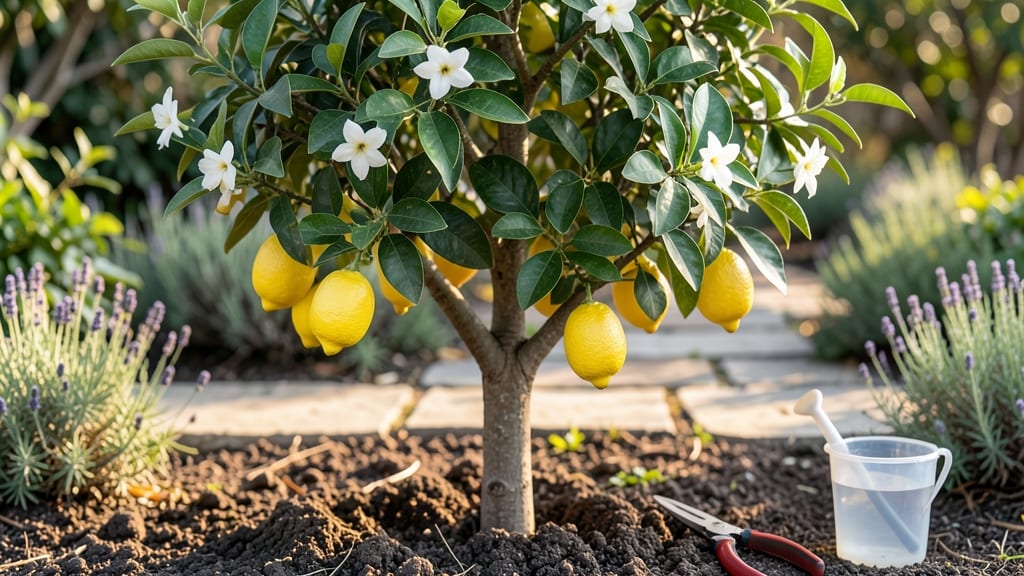
Nothing beats the zesty triumph of growing small lemon trees on your patio or in your backyard—imagine plucking fresh fruit for lemonade or baking in winter. 🌿 These compact citrus wonders thrive in containers, making them perfect for small spaces, balconies, or even sunny windowsills.
The Meyer lemon, in particular, is a crowd-pleaser: sweet, fragrant, and cold-hardy enough to survive mild winters if brought indoors.
You’ll need just a few basics: a 15-20 gallon container with drainage, well-draining potting mix, and a spot that gets 6-8 hours of sunlight daily. These trees love warmth but can handle temperatures down to 20°F if protected—though frost will still damage leaves.
Pruning keeps them tidy and encourages more fruit, while regular feeding with citrus-specific fertilizer ensures juicy harvests year-round.
Within 1-2 years, you’ll be picking lemons that smell like sunshine and taste sweeter than store-bought. The first harvest is magical—picture slicing one open for fresh lemonade while the tree’s glossy leaves shimmer in the light.
Even beginners succeed with these forgiving varieties, and the payoff is pure, homegrown citrus joy.
Whether you’re growing in Zone 8-11 or bringing pots indoors for winter, these trees adapt beautifully. The key is patience—lemon trees take time to mature, but every lemon you harvest makes the wait worthwhile. Ready to turn your patio into a citrus paradise?
📚 In This Guide
- What you need
- Instructions
- Tips and common mistakes
- Wrapping up and next steps
What you need
- ● Small lemon tree variety: 1–3 dwarf or Meyer lemon trees (e.g., Citrus × meyeri or Citrus × limon ‘Improved Meyer’)
- ● Choose container-friendly varieties (under 6–8 ft tall at maturity).
- ● Pot or container: 1–3 5–15 gallon pots (depending on tree size) with drainage holes.
- ○ Fabric grow bags (optional, for better root aeration).
- ● Well-draining potting mix: 50% cactus/succulent mix + 50% perlite or pumice (or pre-made citrus blend).
- ● Avoid garden soil—it compacts and causes root rot! 🚫💦
- ● Fertilizer: Balanced citrus fertilizer (e.g., 6-6-6 or 8-3-9 NPK ratio).
- ○ Slow-release osmocote pellets (optional, for convenience).
- ● Watering can or hose with gentle spray nozzle.
- ● Pruning shears or small bypass pruners (sterilized with rubbing alcohol).
- ● pH test kit (ideal soil pH: 6.0–7.0 for lemons).
- ● Humidity tray or pebble tray (to increase moisture in dry climates).
- ● Grow lights (LED, full-spectrum) if indoors (12–16 hrs/day).
- ● Mulch (gravel or bark) to retain moisture and regulate temperature.
- ● Citrus-specific insecticide (e.g., neem oil for pests like aphids).
- ● Support stake or trellis (for windy outdoor spots).
- ● Climate: USDA Zones 9–11 (outdoors year-round). Zones 8 or below? Grow in containers and bring indoors in winter! ❄️🌞
- ● Sunlight: 6–8+ hours of direct sun daily (south-facing window or outdoor spot).
- ● Water access: Consistent moisture (but never soggy soil).
- ● Patience: Dwarf lemons may take 2–5 years to bear fruit! 🍋⏳
Step-by-Step guide for growing compact lemon trees indoors
Here's how to nurture dwarf citrus varieties into thriving, fruit-bearing trees.
🪴 Step 1: Select the Right Container and Drainage System
Choose a 12-15 inch diameter pot with drainage holes—citrus roots rot quickly in soggy conditions. I use glazed ceramic for its thermal stability, but unglazed terra cotta works too if you live in a humid climate. The pot must be at least 18 inches deep to accommodate the root system while keeping the tree compact.
Place a 3-4 inch layer of gravel or expanded clay pebbles at the bottom before adding soil. This creates an air pocket that prevents waterlogging while allowing excess moisture to drain away. I always test drainage by filling the pot with water—it should empty completely within 10-15 minutes. If it drains too fast, add a 1 inch layer of coconut coir above the gravel to slow water flow without blocking roots.
🌱 Step 2: Prepare the Soil Mix for Optimal Citrus Growth
Use a blend of 60% well-draining potting mix, 20% perlite or pumice, and 20% compost to create a loose, aerated medium. I avoid garden soil—it compacts too easily and suffocates roots. Mix these components thoroughly until the texture resembles crumbly cake batter. The goal is a medium that holds moisture but never stays damp.
Adjust the pH to 6.0-7.0 using lime if your tap water tests acidic. I test mine with a simple soil pH meter before planting. Lemon trees are sensitive to alkalinity, so if your mix runs high, amend with elemental sulfur—just ½ teaspoon per gallon of mix does the trick. The soil should smell earthy, not sour or chemical.
☀️ Step 3: Plant and Position for Maximum Light Exposure
Remove the dwarf lemon tree from its nursery pot and gently tease apart the roots if they're circling. Position it in the center of your container so the graft union (the bump near the base) sits 1 inch above soil level. This prevents root rot while keeping the tree stable. Backfill with your prepared mix, pressing lightly to eliminate air pockets without compacting.
Place the pot in a location with 6-8 hours of direct sunlight daily. South-facing windows work best, but a grow light on a 14-hour timer becomes essential in winter. I notice leaves yellowing at the edges when light is insufficient—this is your first sign to adjust positioning. Water thoroughly after planting, letting excess drain completely before returning the pot to its saucer.
💧 Step 4: Establish a Consistent Watering and Fertilizing Routine
Water when the top 2 inches of soil feel dry—stick your finger in to check. Lemon trees hate soggy roots but also suffer from drought stress. I water deeply until it runs from the drainage holes, then empty the saucer immediately to prevent salt buildup. Over time, you'll notice the tree's water needs increase during fruiting seasons.
Fertilize every 4-6 weeks during growing months with a balanced citrus fertilizer (10-10-10 ratio). I halve the recommended dose to prevent salt burn—citrus trees are sensitive to over-fertilization. In winter, reduce to monthly applications. The key is consistency: healthy trees develop glossy, dark green leaves and produce flowers within 2-3 years.
✂️ Step 5: Prune and Maintain for Compact Growth
Prune in late winter or early spring before new growth begins. Remove any dead, diseased, or crossing branches with clean, sharp shears. I always cut just above a leaf node at a 45-degree angle to encourage outward growth. Never remove more than 25% of the canopy at once—this stresses the tree and reduces fruiting.
Pinch back new growth to encourage bushier habit. When branches reach 6-8 inches, trim the tips to promote lateral branching. This creates that perfect compact shape while maximizing fruit production. I also remove any suckers that grow below the graft union—they divert energy from the main tree and produce inferior fruit.
Tips & tricks for perfect small lemon trees
Took me years to figure out these small details that make all the difference with dwarf citrus varieties.
Drainage Test: That 10-15 minute drainage test in Step 1 is non-negotiable. I've seen too many citrus trees fail because people skipped this. If water pools after 15 minutes, add more gravel—not soil. The goal is complete drainage while maintaining moisture retention for roots. Think of it like a good plumbing system: proper flow prevents all kinds of problems down the line.
Soil Texture Secret: When mixing your 60-20-20 soil blend in Step 2, aim for the consistency of crumbly cake batter. Too dense? Add more perlite. Too loose? Mix in extra potting soil. I test by squeezing a handful—it should hold shape but crumble easily when pressed. This texture prevents both waterlogging and drought stress, which are the two biggest killers of indoor citrus.
Light Positioning: For that critical 6-8 hours of sunlight in Step 3, rotate your pot every 2-3 weeks. Trees grow toward the light, and uneven exposure causes lopsided growth. I place mine on a caster wheel so I can easily reposition it as the sun moves across my windows. In winter, supplement with a grow light on a timer—citrus trees need that consistent light cycle to fruit properly.
Fertilizer Timing: That 4-6 week fertilization window in Step 4 is a sweet spot. I start fertilizing in early spring when I see new growth begin and stop in late summer. The key is consistency—never miss a feeding once you start. I always fertilize right after watering to prevent root burn from the concentrated nutrients. And remember, half-strength is always better than full-strength when it comes to citrus.
Pro Tips for Small Lemon Trees
- Took me years to figure out these small details that make all the difference with dwarf citrus varieties.
- Drainage Test: That 10-15 minute drainage test in Step 1 is non-negotiable.
- Soil Texture Secret: When mixing your 60-20-20 soil blend in Step 2, aim for the consistency of crumbly cake batter.
Frequently asked questions
Got questions about growing small lemon trees?
You’re not alone! Here are answers to the most common queries—from care tips to troubleshooting—so you can enjoy year-round citrus with ease.
How fast do dwarf lemon trees grow?
Dwarf lemon trees grow slowly, typically adding 6–12 inches per year under ideal conditions. With proper care—sunlight, water, and nutrients—they’ll reach maturity (bearing fruit) in 3–5 years. Patience pays off with delicious lemons!
Can small lemon trees survive winter?
Most dwarf varieties (like Meyer or Improved Meyer) tolerate light frosts (25–30°F) but need protection below that. Move potted trees indoors or wrap the trunk with burlap. For in-ground trees, mulch heavily and cover with frost cloth.
How often should I water a dwarf lemon tree?
Water deeply 1–2 times per week in warm months, letting soil dry slightly between waterings. In winter, reduce to once every 2–3 weeks unless potted (they dry out faster). Overwatering causes root rot—always use well-draining soil!
Are lemons from small trees as tasty as grocery store ones?
Dwarf varieties like Meyer lemons are sweeter and more flavorful than commercial lemons. They’re perfect for juicing, baking, or garnishes. Plus, homegrown lemons are fresher and pesticide-free. Win-win!
Why aren’t my small lemon tree’s leaves turning green?
Yellow or pale leaves often signal overwatering, nutrient deficiency, or pests. Check soil moisture, fertilize with citrus-specific food, and inspect for aphids or spider mites. Adjust care and watch your tree bounce back!
Can I grow a lemon tree in a container?
Yes! Dwarf varieties thrive in 5–15 gallon pots with drainage holes. Choose a lightweight mix (like cactus soil) and repot every 2–3 years. Place near a sunny window or balcony—just ensure it gets 6+ hours of light daily.
Wrapping up and next steps
Growing small lemon trees is a rewarding way to bring fresh, zesty flavors to your home—no sprawling yard required! Whether you’re drawn to dwarf Meyer lemons or other compact varieties, these citrus gems thrive in containers, balconies, or sunny patios.
With the right care, you’ll enjoy year-round harvests and the joy of nurturing a living piece of sunshine.
Ready to take the next step? Start with a healthy plant, choose the perfect spot, and watch your tiny tree grow into a fragrant, fruit-bearing treasure. 🌱✨ Your citrus adventure begins now—happy planting!