
Flowers
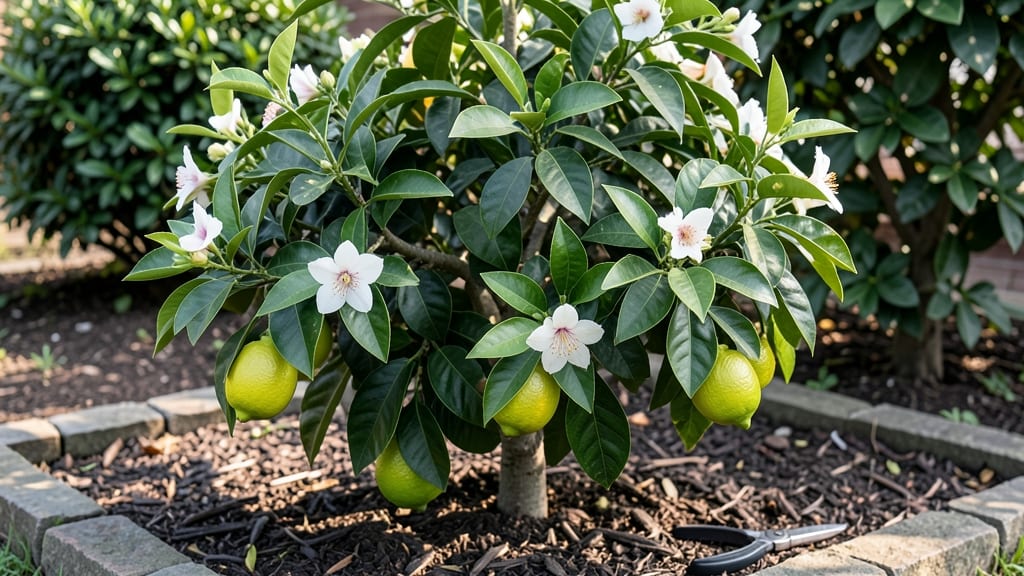
Meyer lemon tree flowers aren’t just pretty—they’re the promise of sweet, fragrant lemons to come. 🌸 I’ve watched my own tree transform from bare branches to a blushing canopy of blossoms, and each bloom feels like nature’s way of saying, "Trust me, the harvest is coming."
The secret to those showstopping flowers? Six hours of sunlight daily, soil that drains like a sandy loam, and temperatures between 60°F and 85°F—no hotter, no colder. Prune in late winter to open the canopy to light, and you’ll trigger a wave of blooms by spring.
My tree went from sparse flowers to a full, fragrant display after just one careful pruning session.
What you’re really after is that first fruit set—tiny green orbs forming after pollination. Hand-pollinate with a soft brush if bees are scarce, and soon you’ll have lemons so sweet they’ll make your neighbors ask for cuttings.
The scent alone is worth the wait, but the harvest? That’s the real magic.
Works in zones 9-11, but container growers in cooler climates can bring their trees indoors for winter and still coax blooms. The key is patience—first harvests take 1-2 years, but once established, your tree will reward you for years. Let’s get those flowers blooming!
📚 In This Guide
- What you need
- Instructions
- Tips and common mistakes
- Wrapping up and next steps
What you need
- ● Meyer lemon tree (Citrus × meyeri) – Choose a healthy, potted sapling (3–5 gallons) or a young tree (3–6 feet tall) from a nursery. Pro tip: Look for trees with buds or early blooms for a head start! 🌸
- ● Well-draining potting mix – A blend of 50% cactus/succulent mix, 30% perlite/pumice, and 20% compost (or a pre-mixed citrus soil). 💡 Avoid garden soil—it compacts and causes root rot!
- ● Container or garden space – Container growers: Pot with drainage holes (minimum 15–20 gallons for mature trees). ✨ Upgrade pots yearly to accommodate growth.
- ● Gardeners: Select a sunny, sheltered spot with 6+ hours of sunlight and well-draining soil (amend with sand or gravel if needed).
- ● Fertilizer – Balanced citrus fertilizer (e.g., 10-10-10 or 8-3-9) – Apply every 4–6 weeks during spring and summer (when flowering/fruiting).
- ○ Bloom booster (optional): Use a phosphorus-rich fertilizer (e.g., 5-10-10) 2 weeks before flowering season (late winter/early spring).
- ● Garden trowel or shovel – For planting or repotting.
- ● Pruning shears – Sterilized (rubbing alcohol wipe) to avoid disease. 🔪 Trim dead/diseased branches after flowering to redirect energy.
- ○ Watering can or hose with nozzle – Drip irrigation (optional) for consistent moisture.
- ● pH test kit – Ideal soil pH: 6.0–7.0. Adjust with lime (to raise pH) or sulfur (to lower pH) if needed.
- ○ Mulch (optional) – Organic mulch (e.g., straw or wood chips) to retain moisture and regulate temperature.
- ● Climate – USDA Zones 9–11: Can grow outdoors year-round.
- ● Zones 8 or below: Plant in containers and bring indoors when temps drop below 30°F (-1°C).
- ● Sunlight – 6+ hours of direct sun daily (partial shade in hot afternoons for container trees).
- ● Water access – Drip irrigation or consistent hand-watering (keep soil evenly moist but not soggy).
- ● Patience! – Meyer lemon trees take 2–3 years to flower and fruit from seed, but grafted trees may bloom in 1–2 years.
How to encourage abundant Meyer lemon tree flowers
Here's how I coax those fragrant blooms that lead to sweet, juicy fruit.
🌱 Step 1: Provide Proper Light for Blooming
Meyer lemon trees need 6-8 hours of direct sunlight daily to flower. Place your tree within 3-6 feet of a south-facing window or under a grow light for 12-14 hours per day. If leaves start stretching toward the light, your tree isn't getting enough—move it closer.
Here's the thing—you'll see new growth first, but flowers only appear when the tree gets consistent light. Watch for small, pale buds forming in leaf axils (where leaves meet stems). These are your first sign that light conditions are right.
If your tree is outdoors, position it where it gets morning sun and afternoon shade during hot summers. Too much midday heat can stress the tree and prevent flowering. You'll know it's happy when leaves stay glossy and dark green.
☀️ Step 2: Maintain Ideal Temperature and Humidity
Meyer lemon trees flower best in temperatures between 60-75°F. If your home dips below 55°F at night, the buds may drop before opening. Keep the tree away from drafts, especially cold windows or AC vents.
Humidity matters too—aim for 40-60%. In dry climates, mist the leaves lightly in the morning or place the pot on a tray of pebbles with water. You'll see the difference when leaves stay supple instead of crisping at the edges.
Real talk: If your home runs hot in summer, the tree might stop flowering until temperatures cool. That's normal—just be patient and keep those conditions steady once fall arrives.
💧 Step 3: Water Consistently Without Overdoing It
Water when the top 1-2 inches of soil feel dry. Overwatering causes root rot, which stresses the tree and prevents flowering. Stick your finger in the soil—if it's damp below your first knuckle, wait another day.
I like to water deeply but less frequently. Give the tree 1 gallon of water every 5-7 days in summer, adjusting for humidity. Yellowing leaves usually mean overwatering, while crispy edges signal underwatering—both will delay blooms.
Don't skip this (I learned the hard way): Let the tree dry out slightly between waterings. Meyer lemons hate soggy roots. A well-draining pot with drainage holes is non-negotiable for keeping them healthy enough to flower.
✂️ Step 4: Prune Strategically to Encourage Blooms
Prune in late winter or early spring before new growth starts. Remove any dead, diseased, or crossing branches first. Then cut back leggy growth by one-third to encourage bushier, more productive growth.
Focus on opening up the center of the tree for better airflow. This prevents fungal issues and helps buds develop. You'll see more flowers on younger wood, so avoid heavy pruning on old branches.
Here's where it gets fun—watch the new growth after pruning. The tree will put energy into recovering, and those new shoots are where you'll see the most flowers. Just don't overdo it—never remove more than 30% of the tree at once.
Tips & tricks for perfect Meyer lemon tree flowers
Your Meyer lemon tree's blooms are the gateway to those sweet, fragrant lemons—but getting them right takes a few key tricks.
Light Strategy: The 6-8 hours of direct sunlight in Step 1 should hit the tree's canopy evenly. Rotate your pot a quarter-turn every few days so all sides get equal light exposure. This prevents lopsided growth and ensures buds form all around the tree. I notice the most buds appear on branches closest to the light source—so if one side looks bare, that's your clue to reposition.
Temperature Timing: When your home dips below 55°F at night (Step 2), those buds will drop like they're in a race to the ground. Keep your tree near a warm wall or use a small space heater set to 60°F overnight if needed. I've seen trees that thrived in 75°F days but lost all their buds when nighttime temps plunged—don't let that happen to yours.
Watering Wisdom: That 1-2 inch soil dryness check in Step 3 is your golden rule, but here's the secret: water at the base, not the leaves. Wet foliage in hot weather can lead to fungal issues that stress the tree. I use a watering can with a narrow spout to deliver water right to the roots where it counts. Also, let the water drain completely—no one likes soggy socks, and your tree's roots feel the same way.
Pruning Payoff: When you cut back those leggy branches by one-third in Step 4, focus on the top growth first. This redirects energy to the lower branches where you'll see the most flowers. I always prune just above a leaf node (that little bump where leaves grow) to encourage new growth from that spot. Think of it like giving your tree a haircut—you want that fresh, healthy look to show off those blossoms.
Pro Tips for Meyer Lemon Tree Flowers
- Your Meyer lemon tree's blooms are the gateway to those sweet, fragrant lemons—but getting them right takes a few key tricks.
- Light Strategy: The 6-8 hours of direct sunlight in Step 1 should hit the tree's canopy evenly.
- Temperature Timing: When your home dips below 55°F at night (Step 2), those buds will drop like they're in a race to the ground.
Frequently asked questions
Got questions about those stunning Meyer lemon tree flowers? You’re not alone! Here are answers to the most common curiosities—from timing to troubleshooting—so you can enjoy your citrus tree’s beauty and bounty with confidence.
When do Meyer lemon tree flowers appear, and how long do they last?
Meyer lemon tree flowers typically bloom in early spring (February–April in most climates), with a second, lighter flush in late summer. Each delicate, fragrant blossom lasts just 2–3 days, but clusters keep appearing for 4–6 weeks. For optimal fruit, ensure daytime temps stay above 60°F (15°C)—cold snaps can shock buds off prematurely.
How soon after flowering will I see lemons?
After pollination (often by bees or wind), flowers drop within days, but fruit takes 6–9 months to ripen. If your tree isn’t producing, check for:
- Pollination issues: Hand-pollinate with a soft brush if bees are scarce.
- Over-fertilizing: Too much nitrogen = flowers, no fruit. Use a balanced citrus fertilizer (e.g., 6-6-6).
- Young trees: Wait 2–3 years for maturity.
Why aren’t my Meyer lemon flowers opening, or they’re falling off?
Dropping buds or closed flowers usually signal stress. Common culprits:
Issue
Fix
Cold drafts or temps <60°F (15°C)
Move indoors temporarily or protect with frost cloth.
Overwatering (soggy roots)
Let soil dry slightly between waterings; ensure pots have drainage.
Underwatering (dry soil)
Water deeply when top 1–2" of soil is dry.
Pests (aphids, spider mites)
Spray with neem oil or insecticidal soap.
Can I propagate Meyer lemon trees from flowers or cuttings?
Nope! Flowers won’t grow into new trees—but you can propagate from:
- Semi-hardwood cuttings: Take 4–6" tips in late spring/early summer, dip in rooting hormone, and plant in perlite/sand mix. Roots form in 4–8 weeks.
- Seeds: Slower (takes 2–3 years to fruit) but fun for kids! Plant seeds ½" deep in moist soil.
Are Meyer lemon flowers edible, and how can I use them?
These delicate, floral-scented blooms are edible and add a citrusy, slightly sweet flavor to:
- Garnishes for cocktails (think Meyer lemon margaritas!)
- Infused syrups or honey
- Salad toppings or desserts (like lemon curd)
Wrapping up and next steps
Watching your Meyer lemon tree flowers bloom isn’t just a treat for the senses—it’s a promise of the sweet, fragrant lemons to come! 🌸 These delicate blossoms aren’t just pretty; they’re the first step toward a bountiful harvest, and with the right care, you’re well on your way to enjoying homegrown citrus.
Whether you’re a seasoned gardener or a curious beginner, the key is patience, observation, and a little love for your leafy friend.
Ready to turn those blooms into lemons? Start by nurturing your tree—water consistently, protect it from pests, and give it plenty of sunlight. Then, celebrate every stage of its journey, from flower to fruit! 🍋 Happy growing!