
Pruning
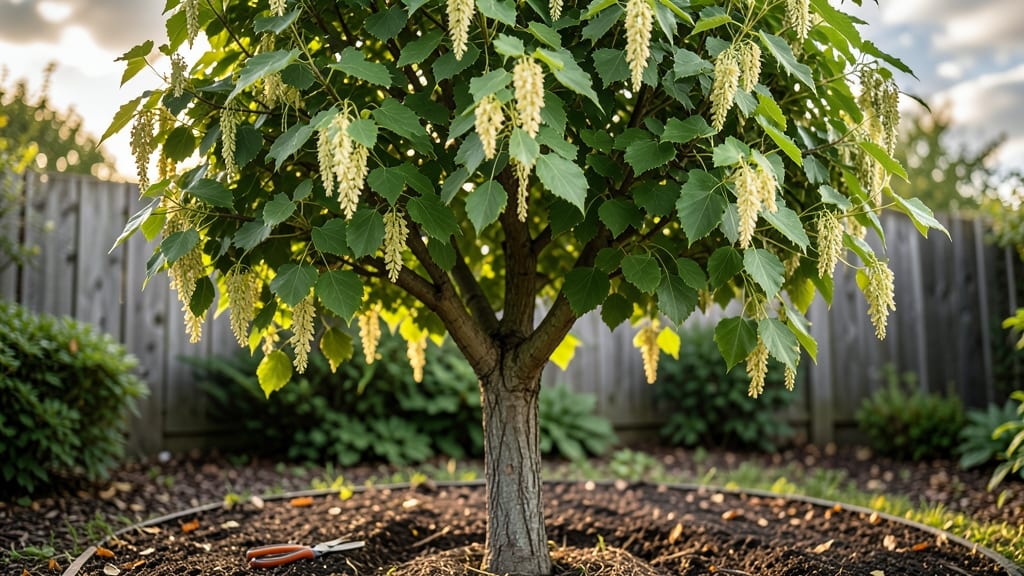
The small leaf linden tree thrives when you prune it strategically—its heart-shaped leaves and sturdy branches reward careful cuts all year long. I learned this after my first linden tree grew lopsided and sparse, despite good soil and sunlight.
The secret isn’t just when to trim but how to shape it for strength and beauty, even in harsh winters.
This tree loves full sun and tolerates most soils, but it hates soggy roots. Plant it in well-drained earth with 6-8 feet of space to spread, and water deeply for the first year.
Pruning isn’t just about aesthetics—it’s about keeping the canopy open so sunlight reaches the ground, where wildflowers and clover will soon follow. The right cuts also prevent those pesky weak branches from snapping in storms.
You’ll see the difference after just one season: a denser crown, fewer pests hiding in tight clusters, and that signature linden fragrance wafting through summer air when bees swarm its blossoms.
The tree’s shade becomes a cooler retreat by midsummer, and its fall colors—golden-yellow leaves—turn the yard into a postcard. Even winter pruning keeps it healthy for spring’s fresh flush of growth.
Whether you’re trimming for shape, removing deadwood, or thinning the center, this guide covers the timing and techniques that work. No fancy tools needed—just patience and a sharp pair of loppers. Let’s get started on cuts that’ll keep your linden thriving for decades.
📚 In This Guide
- What you need
- Instructions
- Tips and common mistakes
- Wrapping up and next steps
What you need
- ● Ready to give your small leaf linden tree the TLC it deserves? Here’s everything you’ll need to tackle pruning like a pro—whether you’re a seasoned gardener or just starting out! 🌿✂️
Instructions for pruning a small leaf linden tree
Pruning this graceful tree keeps it healthy and encourages lush foliage—here's how to do it right.
Time Your Cuts for Optimal Growth
Prune your small leaf linden in late winter or early spring, just before new growth begins. This timing gives the tree time to heal before summer heat arrives. Avoid pruning in fall—it stimulates tender new growth that won't survive winter cold.
If you must prune in summer, do so after the tree has finished flowering but before mid-August. Summer cuts should be minimal—focus only on removing dead or diseased branches. The tree's energy is better spent on leaf production than healing wounds.
Remove Dead, Diseased, or Damaged Branches First
Start by identifying branches that are dead, diseased, or broken. These are your priority cuts—they prevent pests and diseases from spreading to healthy wood. Look for branches with no leaves, hollow centers, or signs of fungal growth like black spots or oozing sap.
Use clean, sharp pruning shears to make a smooth cut just outside the branch collar—the swollen area where the branch meets the trunk. Cut at a 45-degree angle if the branch is larger than ½ inch in diameter. For smaller branches, a straight cut is fine.
Thin the Canopy for Better Airflow
Next, thin the tree's canopy by removing branches that cross or rub against each other. These create wounds that invite decay and weaken the tree's structure. Aim to open the center of the tree so light and air can circulate freely to the inner branches.
Remove no more than 25% of the tree's foliage in a single pruning session. Over-pruning stresses the tree and can lead to poor growth or even death. Focus on branches that are thinner than a pencil—these are easier to remove and less likely to cause shock.
Shape the Tree for Balance and Form
Finally, shape the tree by selectively pruning branches to encourage a natural, balanced form. Small leaf lindens respond well to light pruning, so avoid heavy shaping cuts. Instead, trim back overly long branches to maintain a rounded silhouette.
When pruning for shape, always cut back to a bud or lateral branch rather than leaving a stub. This promotes healthy regrowth and keeps the tree looking full. Step back frequently to check your progress—you want the tree to look balanced from all angles.
Clean Up and Monitor for Recovery
After pruning, collect and dispose of all debris, especially diseased branches. Burn or trash them—do not compost—to prevent spreading pathogens. Sterilize your pruning tools with rubbing alcohol or a 10% bleach solution to avoid cross-contamination.
Monitor the tree over the next few weeks for signs of stress, such as wilting leaves or oozing sap. If you see excessive dieback, you may have pruned too aggressively. Next time, stick to smaller cuts and focus on thinning rather than shaping.
Tips & tricks for pruning a small leaf linden tree
Here's what I've learned after years of keeping small leaf lindens thriving—these details make all the difference between a healthy tree and one that struggles to recover.
Timing is Everything: The late winter or early spring window isn't just about avoiding fall—it's about giving your tree the best chance to heal before summer stress. If you're pruning in summer, that mid-August deadline is critical. After that, the tree focuses on storing energy for winter, and new cuts won't have time to properly seal before cold arrives. I've seen trees pruned in September develop dieback the following spring because they couldn't close those wounds properly.
Branch Collar Respect: That swollen area where branches meet the trunk isn't just for show—it's nature's built-in sealant. Cutting too close to the collar creates permanent entry points for diseases. I always make my cuts just outside this area, even if it means leaving a tiny stub. The tree will eventually shed that stub naturally as it grows, and the wound will heal cleaner than if I'd cut flush. For branches larger than half an inch, that 45-degree angle isn't decorative—it helps rainwater run off rather than pool in the wound.
Canopy Thinning Strategy: When opening up the center, I focus on removing branches that are growing inward. These are the ones that will eventually rub against each other or block sunlight from reaching the inner branches. The 25% foliage limit might seem strict, but trust me—your tree will reward you with stronger growth if you stick to it. I've learned the hard way that removing too much at once can shock even the hardiest small leaf linden, especially in hot climates where water isn't abundant.
Recovery Monitoring: Those first few weeks after pruning are crucial for spotting problems early. I make it a habit to check my trees every 7-10 days after pruning, looking for anything unusual like sudden wilting or unusual sap flow. If you see excessive dieback, it's a sign you pruned too aggressively last time. Next time, focus on removing only the most problematic branches rather than trying to reshape the entire tree at once.
Pro Tips for Small Leaf Linden Tree
- Here's what I've learned after years of keeping small leaf lindens thriving—these details make all the difference between a healthy tree and one that struggles to recover.
- Timing is Everything: The late winter or early spring window isn't just about avoiding fall—it's about giving your tree the best chance to heal before summer stress.
- Branch Collar Respect: That swollen area where branches meet the trunk isn't just for show—it's nature's built-in sealant.
Frequently asked questions
Got questions about your small leaf linden tree?
You’re not alone! Whether you’re a pruning newbie or a seasoned gardener, these answers will help you keep your tree thriving year-round.
When is the best time to prune a small leaf linden tree?
The ideal time to prune is late winter or early spring (before buds swell) or summer after flowering. Avoid heavy pruning in fall—it stresses the tree before dormancy. For minor shaping, light trimming can happen anytime, but never prune during frost or extreme heat.
How much can I trim without harming the tree?
Small leaf lindens tolerate moderate pruning—up to 25% of the canopy in one season. Over-pruning weakens the tree. Focus on removing dead, diseased, or crossing branches first, then thin selectively. Never remove more than 1/3 of the foliage at once.
Why are my linden tree’s leaves yellowing after pruning?
Yellowing leaves post-pruning usually mean over-trimming or stress. If it’s mild, the tree will recover. For severe yellowing, check for underwatering, pests (like spider mites), or nutrient deficiencies. Apply a balanced fertilizer and monitor moisture—lindens prefer consistent soil dampness.
Can I replace a small leaf linden with a faster-growing alternative?
If you want faster growth, consider silver linden (Tilia tomentosa) or American basswood, but they may require more maintenance. For low-maintenance shade, hackberry (Celtis) or serviceberry (Amelanchier) are great substitutes. Note: Small leaf lindens excel in urban areas due to their pest resistance and air-purifying qualities.
Do I need to protect my linden tree in winter?
Small leaf lindens are hardy (USDA Zones 3-7) but benefit from mulch (2-3 inches) around the base to retain moisture. No need for wraps—their bark handles cold well. However, if your area gets extreme winds or heavy snow, gently support weak branches with stakes.
Pro Tip: Always sterilize pruning tools with rubbing alcohol between cuts to prevent disease spread (like anthracnose).
Wrapping up and next steps
The small leaf linden tree is a resilient and beautiful addition to any landscape, but its year-round health hinges on smart pruning. By mastering the right techniques—whether thinning, shaping, or addressing pests—you’ll ensure vibrant foliage, stronger growth, and minimal stress on your tree.
Remember, consistency and timing are your best allies! 🌿
Ready to give your linden tree the care it deserves? Grab your tools, review your notes, and schedule your next pruning session—your tree (and future shade lovers!) will thank you. Happy pruning! ✂️