
Planting
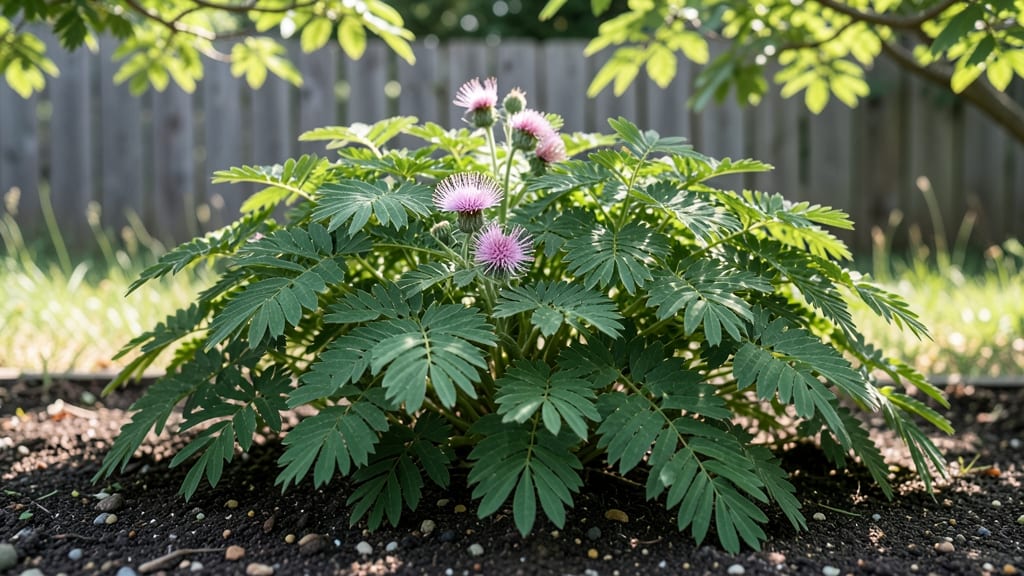
Growing a sensitive plant tree from seed is one of the fastest gardening thrills you’ll ever experience—those first leaves unfurl in just 3-5 days, and the plant’s famous touch-sensitive foliage adds a playful twist to any space. 🌱 I still remember the shock (literally) when mine first folded up at the slightest brush, like a tiny, leafy alarm system.
The secret to success starts with the right conditions: warm soil, bright but indirect light, and a soil mix that stays moist but never soggy.
This tropical wonder thrives in containers, making it perfect for patios, sunrooms, or even bright windowsills—just keep it above 60°F at all times.
The soil should be lightweight and well-draining (think cactus mix with added perlite), and watering is where most people stumble: too much moisture causes root rot, while dry spells make the leaves crisp. I’ve found that misting the soil lightly every 2-3 days works better than deep watering for seedlings.
Once established, your sensitive plant will reward you with velvety, fern-like fronds that retract at the slightest touch—a behavior that never gets old. The real magic happens when you propagate it: simply snip a healthy stem, dip it in rooting hormone, and place it in moist soil.
Within weeks, you’ll have a new plant, and the cycle begins again. The key is patience—this isn’t a fast-growing tree, but a slow-building conversation piece.
Outdoor gardeners in Zones 10-11 can grow it year-round, while cooler climates should treat it as an annual or overwinter it indoors. The plant’s sensitivity makes it finicky about drafts and temperature swings, so keep it stable.
With the right care, you’ll have a living curiosity that grows faster than you’d expect—and folds up at your command.
📚 In This Guide
- What you need
- Instructions
- Tips and common mistakes
- Wrapping up and next steps
What you need
- ● Seeds: 5–10 Mimosa pudica seeds (fresh seeds germinate faster—look for seed packets labeled "fast-growing" or "organic").
- ● Seed-starting mix: 1–2 gallons of sterile, well-draining potting soil (e.g., coco coir + perlite blend, or a seed-starting mix with added vermiculite).
- ● Containers: 1–2 small biodegradable pots (2–3 inches deep) for seedlings.
- ● 1 larger container (5–7 gallons) with drainage holes for mature plants (terracotta or fabric pots work great!).
- ● Watering can: With a fine rose nozzle to avoid disturbing seeds.
- ● Plastic wrap or humidity dome: To retain moisture during germination.
- ● Grow lights or sunny windowsill: A full-spectrum LED grow light (12–16 hours/day) or a south-facing window (6+ hours of direct light).
- ● Spray bottle: For gentle misting (especially during germination).
- ● Pruning shears: Small, sharp pair for trimming leggy growth.
- ● Fertilizer: Balanced liquid fertilizer (5-5-5 or 10-10-10, diluted to half-strength) or worm castings for organic growth.
- ○ Support stakes: 3–4 bamboo stakes or small trellises (optional, for climbing varieties).
- ● Thermometer/hygrometer: To monitor ideal temps (70–80°F) and humidity (50–70%).
- ○ Mulch: Orchid bark or shredded coconut fiber to retain moisture (optional for mature plants).
Step-by-step instructions for cultivating the sensitive plant tree in containers
Here's how to coax this fast-growing tropical into thriving, leaf-folding beauty.
🌱 Step 1: Select and Prepare Your Containers
The sensitive plant tree (Mimosa pudica) thrives in 4-6 inch diameter pots with drainage holes. I use terra cotta containers because they wick moisture away naturally—critical for preventing root rot. Each pot should have at least 3 drainage holes to avoid waterlogging, which this tropical hates.
Fill the bottom 1 inch with perlite or orchid bark mix to create air space. This prevents compaction and mimics the plant's native well-draining soil. Tap the pot gently to settle the layer without compacting it. Here's the thing—if you skip this air pocket, roots will suffocate when you water deeply later.
🌱 Step 2: Plant Seeds at the Right Depth and Temperature
Sow seeds ¼ inch deep—any deeper and they'll struggle to reach light. I plant 2-3 seeds per pot since germination rates vary. Use the sterile seed-starting mix (not garden soil) to prevent damping-off. The seeds need 75-85°F soil temperature to germinate, so I place pots on a seedling heat mat.
Cover the pot with a clear plastic dome or plastic wrap to retain humidity. Germination happens in 7-14 days—don't be impatient and dig them up early. Watch for the first tiny green sprouts breaking through the soil surface. That's your cue to remove the cover immediately to prevent fungal growth.
☀️ Step 3: Provide Bright, Indirect Light Immediately
Once sprouts emerge, move them to bright, indirect light—no direct sun yet. A south-facing window with sheer curtains works perfectly. The seedlings will grow fast, so rotate the pots quarter-turn weekly to prevent leaning toward the light. You'll see leggy growth if the light is too weak—thin, pale stems with leaves spaced far apart.
After 4-6 weeks, when seedlings have 3-4 sets of true leaves, you can introduce 2-3 hours of morning sun daily. This gradual acclimation prevents leaf scorch. The sensitive plant tree's famous leaf-folding response happens when touched, but it also reacts to sudden light changes—so transition slowly.
💧 Step 4: Master the Watering Routine
Water when the top inch of soil feels dry—this tropical doesn't like soggy roots. I use room-temperature water to avoid shocking the delicate roots. Water deeply until it drains freely from the bottom holes, then empty the saucer to prevent sitting water. Overwatering is the #1 killer of sensitive plant trees.
Increase humidity around the plants by placing the pots on a tray of moist pebbles (not standing water). The sensitive plant tree thrives in 60-70% humidity, so a humidifier nearby helps if your home is dry. You'll know you've got the moisture right when new leaves emerge plump and vibrant green—not wrinkled or yellowing.
✂️ Step 5: Prune and Encourage Bushy Growth
Pinch back the top set of leaves when the plant reaches 6 inches tall to encourage branching. This is where it gets fun—the plant will respond by sending out new shoots from the sides. Use clean, sharp scissors to make the cut just above a leaf node. Avoid tearing the stem.
After pruning, reduce water slightly for 3-5 days to let the wounds heal. The sensitive plant tree grows fast, so you'll be pruning again in 4-6 weeks. Regular pruning keeps it compact and bushy, not leggy. Watch for the leaf-folding response when you touch the leaves—this is normal and harmless, just part of its fascinating biology.
Tips & tricks for perfect sensitive plant tree cultivation
Real talk: The sensitive plant tree's speedy growth is its superpower—but only if you nail these foundational details first.
Container Selection: Terra cotta pots are non-negotiable for this tropical—they breathe moisture away naturally, preventing the root rot that claims so many sensitive plant trees. If you must use plastic, drill extra drainage holes (up to 5) to compensate. The 4-6 inch diameter range gives roots room to spread without becoming waterlogged, which is where most beginners go wrong. Pro tip: Avoid glazed ceramic—it traps moisture and creates the perfect storm for fungal issues.
Germination Environment: That 75-85°F soil temperature range is tighter than it sounds. If your home runs cooler, place pots on a seedling heat mat set to "warm" (around 80°F). I've seen germination times stretch to 3 weeks when soil temps dip below 70°F—patience wears thin, but rushing by digging up premature sprouts kills them instantly. The plastic dome isn't just about humidity—it creates a mini greenhouse effect that boosts soil temps by 5-10°F, which can make the difference between success and failure.
Light Transition Strategy: The 4-6 week window before introducing direct sun is your plant's critical acclimation period. I start with just 2-3 hours of morning sun because afternoon light is far more intense. Watch for the telltale signs of stress: leaves that curl inward when touched (normal) versus leaves that wilt permanently (too much sun). A simple test—if your fingers get sunburned after 30 minutes in that spot, your plant will too.
Pruning Precision: When you pinch back that top set of leaves at 6 inches, you're not just shaping the plant—you're triggering its natural branching hormones. I use my thumb and forefinger to make the pinch rather than scissors, which gives me more control over the exact leaf node to target. The 3-5 day water reduction after pruning might seem counterintuitive, but it forces the plant to focus its energy on healing rather than flushing out excess moisture through new growth.
Pro Tips for Sensitive Plant Tree
- Real talk: The sensitive plant tree's speedy growth is its superpower—but only if you nail these foundational details first.
- Container Selection: Terra cotta pots are non-negotiable for this tropical—they breathe moisture away naturally, preventing the root rot that claims so many sensitive plant trees.
- Germination Environment: That 75-85°F soil temperature range is tighter than it sounds.
Frequently asked questions
Got questions about growing the sensitive plant tree (Mimosa pudica)? You’re not alone—this quirky tropical wonder has a few tricks up its leafy sleeves! Here are answers to the most common queries to help you cultivate confidence (and thriving plants).
How fast does the sensitive plant tree actually grow?
The sensitive plant tree is famously fast—expect seeds to sprout in 7–14 days under ideal conditions (warmth + moisture). Once established, it can grow 1–2 feet per year in containers, though growth slows in cooler months. Pro tip: Keep it in bright, indirect light to maximize speed!
Why aren’t my leaves folding up when touched?
Don’t worry—this behavior is not a sign of stress! The "sensitive" response (thigmonasty) can weaken with age, overwatering, or low light. Try gently brushing leaves with a feather or moving the pot daily to stimulate it. If it’s still sluggish, check for pests or nutrient deficiencies.
Can I grow this indoors year-round, or do I need a greenhouse?
Yes! The sensitive plant tree thrives indoors with bright, indirect light (east/west windows) and humidity levels above 50%. Avoid drafts or cold windowsills (<60°F). For winter, a grow light or sunny spot near a humidifier works. Greenhouse? Only if you live in frost-prone zones—it’s tropical, not cold-hardy!
What’s the best alternative if my seeds won’t germinate?
Try these easy swaps for similar fast-growing, low-maintenance plants:
- Dwarf Mimosa (Mimosa pudica ‘Nana’) – Compact version with the same "touchy" leaves.
- Sensitive Plant (Mimosa pudica vine) – Slower-growing but equally fascinating.
- Touch-Me-Not (Impatiens) – Not related, but has a fun "sensitive" reputation.
- Peperomia – Hardy, colorful, and thrives in containers.
My leaves are yellowing—what’s wrong?
Yellow leaves usually mean overwatering or poor drainage. Let the top inch of soil dry out between waterings, and ensure the pot has drainage holes. Check for:
- Root rot (smelly, mushy roots? Repot in fresh soil!).
- Nutrient deficiency (use a balanced liquid fertilizer every 4–6 weeks).
- Pests (aphids or spider mites love sensitive plants—spray with neem oil if needed).
Wrapping up and next steps
The sensitive plant tree (Mimosa pudica) is a fascinating, fast-growing tropical gem that thrives in containers with minimal fuss! 🌱 Whether you're drawn to its playful leaf movements or its unique care needs, this plant rewards patience with lush, interactive foliage.
Start small—germinate seeds indoors, then transition to a sunny spot—and soon, you’ll have a thriving, conversation-starting houseplant.
Ready to dive in? Grab your supplies, follow the steps, and let your green thumb shine! 💚 Next up: Share your progress with fellow plant lovers or experiment with propagating cuttings for even more greenery. Happy growing!