Pruning
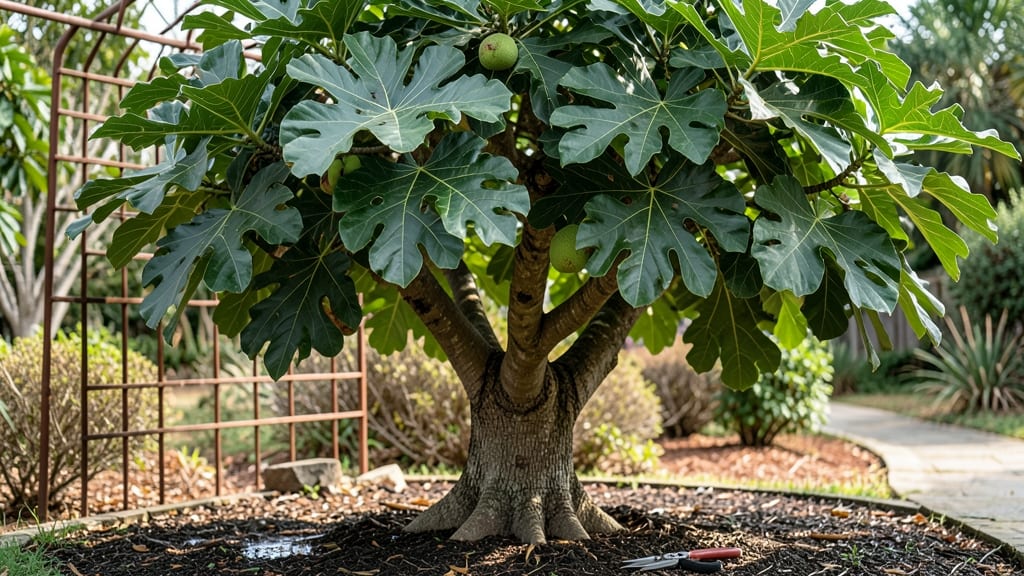
The breadfruit tree isn’t just another tropical plant—it’s a fast-growing, edible powerhouse that can feed families and shade your yard all at once. 🌿 I first saw one in Hawaii, where it’s been a staple for centuries, and its thick, glossy leaves and massive fruit immediately caught my eye.
This isn’t some fussy houseplant; it’s a hardy, sun-loving giant that thrives in warm climates and rewards patience with a bountiful harvest.
Native to the Pacific Islands, breadfruit grows best in USDA zones 10-12, where temperatures stay above freezing year-round. It’s not just about the fruit—this tree also provides shade, improves soil health, and even purifies the air.
The fruit itself is starchy, versatile, and can be cooked like potatoes, baked into bread, or even eaten fresh when young. Plus, it grows fast, reaching maturity in just 3-5 years with the right care.
What makes it special is how low-maintenance it is once established. Plant it in well-draining soil, give it plenty of space (they can grow 30-60 feet tall!), and water regularly until roots take hold.
The real magic happens when you harvest those massive, heart-shaped fruits—each one packed with nutrients and a texture that’s all its own. Imagine growing your own food and having a living shade structure in one go.
If you live in a warm climate, this tree could be your next big gardening project. It’s perfect for homesteads, large gardens, or even urban areas with enough space. Ready to grow one? Let’s dive into what it takes to keep this tropical giant happy and productive.
📚 In This Guide
- What you need
- Instructions
- Tips and common mistakes
- Wrapping up and next steps
What you need
- ● Breadfruit seed or sapling: 1-2 viable seeds (if starting from scratch)
- ● OR 1 healthy sapling (6–12 months old, 3–6 ft tall)
- ● Pro tip: 💡 Choose seeds from a mature, disease-free tree for the best results!
- ● Well-draining soil: Mix of 60% topsoil, 30% compost, and 10% perlite/sand (pH 6.0–7.5).
- ● Container or planting hole: For containers: 5–7 gallon pot (minimum 18" deep) with drainage holes
- ● For in-ground planting: Hole twice as wide as the root ball + 6" deeper
- ● Fertilizer: Balanced 10-10-10 NPK fertilizer (or organic options like composted manure).
- ● Watering can or hose: With a gentle spray nozzle for seedlings.
- ● Pruning tools: 1 pair of sterilized pruning shears (for shaping)
- ● 1 bypass pruner (for thicker branches)
- ● 1 hand saw (for mature trees, if needed)
- ● Mulch: 2–3 inches of wood chips or straw to retain moisture.
- ○ Support (optional but helpful): 1–2 stakes or bamboo poles (for young saplings in windy areas)
- ● Soft garden twine to tie the tree securely.
- ● Shade cloth: 30–50% coverage for young seedlings in hot climates.
- ● Slow-release fertilizer tablets: For container-grown trees.
- ● Tree collar: Protective barrier for the trunk (prevents pest damage).
- ● Soil moisture meter: To monitor watering needs (especially in dry climates).
- ● Gloves & long sleeves: For handling thorny branches (breadfruit can be prickly!).
Step-by-step guide to growing a breadfruit tree
Here's how to cultivate this tropical giant from seed to harvest—fast and rewarding.
🌱 Step 1: Start with Fresh, Viable Seeds
Breadfruit trees grow from seed, but not all seeds germinate. I always select seeds from fully ripe fruit—look for the deep brown, papery skin that splits open naturally. Remove the seeds, rinse off the sticky pulp, and let them dry in a shady spot for 3-5 days until the outer coating darkens further.
Here's the thing—breadfruit seeds lose viability quickly. Plant them within 2 weeks of harvest for best results. I like to soak the seeds in warm water for 24 hours before planting to soften the hard outer shell and speed up germination. This step cuts germination time in half, from 6-8 weeks to just 3-4 weeks.
🪴 Step 2: Plant in Well-Draining Tropical Soil
Use a mix of 60% garden soil, 30% compost, and 10% perlite to create the ideal airy, moisture-retentive medium. Breadfruit trees hate soggy roots, so ensure your planting site has excellent drainage or use raised beds. I dig a hole twice as wide as the seed and 3 inches deep, placing 2-3 seeds per hole since germination rates can be unpredictable.
Cover the seeds with 1 inch of soil and water gently until the surface feels moist but not saturated. The key is keeping the soil consistently damp—never waterlogged—during the germination period. You'll know it's right when condensation forms on the soil surface in the morning but disappears by afternoon.
☀️ Step 3: Provide Warmth and Bright Indirect Light
Breadfruit seedlings thrive in 75-85°F temperatures and need bright, indirect sunlight for the first 6 months. I place mine under a 50% shade cloth during the hottest part of the day to prevent scorching. Direct sun this early can cause the young leaves to yellow and crisp at the edges—a sure sign of too much intensity.
Once the seedlings reach 12 inches tall, you can gradually introduce more direct light. I start by moving them to a spot with 2-3 hours of morning sun and slowly increase exposure over 2 weeks. Watch for new growth—strong, glossy leaves mean they're adapting well.
🌿 Step 4: Transplant to Permanent Location
When seedlings are 3-4 feet tall and have 5-7 mature leaves, they're ready for their forever home. Choose a spot with full sun exposure and space them 20-25 feet apart—breadfruit trees grow large, with mature canopies reaching 30-40 feet wide. Dig a hole twice as wide as the root ball and mix in a shovelful of compost to enrich the soil.
Transplant on a cloudy day or late afternoon to reduce stress. Water deeply right after planting to settle the soil around the roots, then mulch with 3 inches of organic mulch to retain moisture and regulate soil temperature. The first few weeks are critical—keep the soil evenly moist but never soggy.
⏰ Step 5: Maintain with Minimal Care
Once established, breadfruit trees are low-maintenance. I water deeply once a week during dry spells, increasing to twice weekly in peak summer heat. The tree will tell you when it needs more—look for drooping leaves in the afternoon as a sign to water sooner.
Fertilize annually in early spring with a balanced 10-10-10 fertilizer applied around the drip line. Breadfruit trees respond well to organic matter, so I top-dress with 2 inches of compost every year. Pruning isn't usually needed unless you want to shape the tree or remove dead branches—just use clean, sharp shears to make the cuts.
Tips & tricks for growing a breadfruit tree
Fast growth doesn't mean rushing—these little details make all the difference with breadfruit trees.
Seed Selection: Look for seeds from fruit that's truly ripe—it should be soft to the touch and smell slightly sweet. The papery skin should split open naturally; if it's still tightly closed, the fruit wasn't fully mature. I've learned the hard way that seeds from underripe fruit often fail to germinate, so always wait for that telltale split. Once you've selected your seeds, don't rush the drying process—those 3-5 days in the shade are crucial for breaking down the outer shell and preventing rot.
Germination Boost: That 24-hour warm water soak before planting is your secret weapon. It doesn't just soften the seed—it jumpstarts the germination process, cutting weeks off your waiting time. Use water that's warm to the touch (around 85°F) to mimic tropical conditions. I like to place the seeds in a jar with a mesh cover so they get some air circulation while soaking. After soaking, plant immediately—the seeds are most viable right after this treatment.
Soil Science: The 60-30-10 soil mix isn't just random numbers—it's about balance. The 60% garden soil provides structure, 30% compost feeds beneficial microbes, and 10% perlite prevents compaction. I always test drainage before planting by filling a container with my mix and pouring water through it. If water pools at the bottom after 30 minutes, I add more perlite until it drains freely. That 1 inch of soil coverage after planting is perfect—too little exposes seeds, too much suffocates them.
Light Transition: Moving seedlings from indirect to direct light takes patience. Start with just 2-3 hours of morning sun and watch their leaves closely. If they develop yellow patches or crispy edges, you're moving too fast. I've seen seedlings go from thriving to stressed in just days when exposed to too much sun too soon. The 2-week gradual increase gives their chlorophyll time to adjust. Think of it like sunbathing—you wouldn't go from zero to full sun exposure either!
Pro Tips for What Is A Breadfruit Tree
- Fast growth doesn't mean rushing—these little details make all the difference with breadfruit trees.
- Seed Selection: Look for seeds from fruit that's truly ripe—it should be soft to the touch and smell slightly sweet.
- Germination Boost: That 24-hour warm water soak before planting is your secret weapon.
Frequently asked questions
Got questions about the breadfruit tree? You’re not alone—this tropical giant is as fascinating as it is practical! Below, we’ve rounded up the most common queries to help you grow, harvest, and enjoy your breadfruit tree with confidence.
How long does it take for a breadfruit tree to bear fruit?
A breadfruit tree typically takes 3 to 5 years to produce its first fruit, depending on climate, care, and variety. Patience is key—young trees focus on root and trunk growth before flowering. In ideal tropical conditions (warmth, humidity, and full sun), some varieties may fruit sooner, but don’t rush it!
Can I grow a breadfruit tree in a container?
While possible, breadfruit trees are not ideal for containers due to their massive size (some reach 60+ feet tall!). If you’re in a small space, opt for dwarf varieties like Artocarpus altilis ‘Ice Cream’ or ‘Ma’afala.’ Even then, plan for a large pot (20+ gallons) and regular pruning. For best results, plant in the ground where roots can spread freely.
Why aren’t my breadfruit tree’s leaves turning green?
Yellow or pale leaves often signal nutrient deficiencies (like nitrogen or magnesium) or overwatering. Check the soil—breadfruit trees prefer well-draining, slightly acidic soil (pH 5.5–6.5). Adjust care by:
- Adding compost or banana peels (rich in potassium) to the soil.
- Watering deeply but less frequently (let the top 2–3 inches dry out).
- Ensuring full sun (6+ hours daily) to boost chlorophyll production.
What’s the best way to cook breadfruit?
Breadfruit is versatile and starchy, similar to potatoes or plantains. Try these methods:
- Roasting: Cut into wedges, brush with oil, and roast at 400°F (200°C) for 25–30 mins until caramelized.
- Frying: Slice thinly and pan-fry for crispy “chips” or hash browns.
- Boiling/Mashing: Boil until tender, then mash with butter or coconut milk for a side dish.
- Baking: Use as a flour substitute (dried and ground) in bread or pancakes!
Are breadfruit trees invasive? Should I remove them?
Breadfruit trees are not considered invasive in their native tropical regions (Pacific Islands, Southeast Asia), but they can spread aggressively in warm, humid climates like Florida or Hawaii. If you’re in a restricted area, check local regulations before planting. Otherwise, their fast growth and edible fruit make them a valuable asset—just prune seeds to control propagation.
Wrapping up and next steps
The breadfruit tree is a tropical powerhouse—packed with nutritional benefits, fast growth, and versatile uses that make it a standout for gardeners and food lovers alike. Whether you’re drawn to its starchy fruit, eco-friendly potential, or low-maintenance care, this tree offers something for everyone.
Ready to take the next step? Start by choosing the right variety for your climate or planning your first harvest—your tropical oasis is just a seedling away! 🌱✨