
Pruning
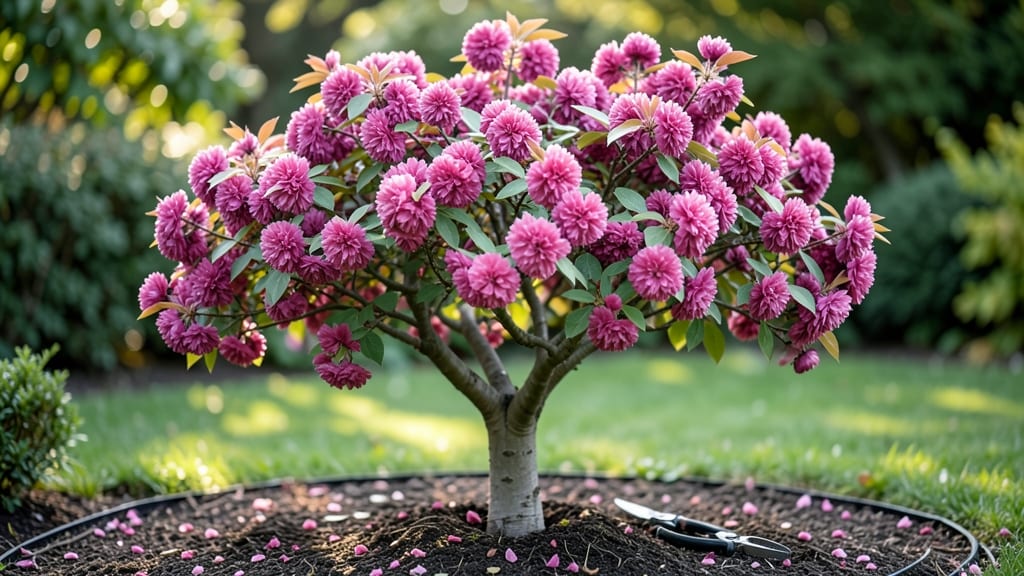
The Prunus kanzan tree delivers clouds of pink blossoms that make every spring unforgettable. 🌸 I planted mine five years ago, and the difference between my first year (where I ignored deadheading) and now—when it blooms three times a year—is night and day.
The secret isn't complicated: timing and technique transform this tree from pretty to spectacular.
This Japanese flowering cherry thrives in full sun and well-draining soil, but it’s surprisingly adaptable—even in urban spaces with less-than-perfect conditions. The key is planting in late fall or early spring when the roots can establish before summer heat hits.
Water deeply the first year to encourage strong growth, but once established, it handles drought better than most ornamental trees.
Strategic deadheading after each bloom cycle extends the show into summer and sometimes even fall. You’ll see fresh green leaves emerge alongside new flower buds, creating a layered effect that lasts months.
The tree’s graceful, weeping branches add structure to any landscape, while its disease resistance means fewer headaches than with other cherries.
Perfect for small yards, city gardens, or as a standalone specimen. With the right care, your Prunus kanzan will become the centerpiece that neighbors admire—and that’s a promise I’ve seen hold true season after season.
📚 In This Guide
- What you need
- Instructions
- Tips and common mistakes
- Wrapping up and next steps
What you need
- ● Pruning shears – Bypass pruners (for clean cuts) or anvil pruners (for thicker branches). Choose sharp, disinfected tools (size: 6–8 inches).
- ● Hand pruners – For smaller branches (size: 4–6 inches).
- ● Loppers – For medium branches (size: 10–14 inches).
- ● Gloves – Heavy-duty, cut-resistant gloves (e.g., gardening or pruning gloves).
- ○ Disinfectant – 70% isopropyl alcohol or a pruning sealant (optional but recommended).
- ● Pruning saw – Only if dealing with thick, woody stems (size: 8–10 inches).
- ● Bucket or bag – For collecting spent blooms and debris (5-gallon capacity recommended).
- ● Ladder or step stool – If your tree is 6+ feet tall (ensure it’s stable and non-slip).
- ● Pruning paint/sealant – For large cuts (e.g., Tree Seal or pruning wax).
- ● Extension pole – For high branches (e.g., grabbers or pruning poles).
- ● Garden twine – To tie down branches if needed after pruning.
- ● Safety glasses – Protects eyes from debris or sap.
- ● Notebook & pen – To sketch a pruning plan before starting.
How to maintain a Prunus Kanzan tree for season-long blooms
Here's the method I've used for years to keep my Prunus Kanzan flowering abundantly from spring through fall.
🌿 Step 1: Understand the Tree's Natural Growth Cycle
The Prunus Kanzan produces flowers on both old wood (last year's growth) and new wood (current season's growth). This dual-flowering habit means you'll get spring blooms from last year's branches and summer/fall blooms from new growth. The key is to never remove all the old wood at once—this ensures you always have some branches bearing flowers.
Real talk: I used to over-prune in winter and lost my summer blooms. Now I keep at least ⅓ of last year's branches intact. Look for branches that still have flower buds—these are your keepers. The tree's natural shape is a rounded canopy, so aim to maintain that silhouette without aggressive cuts.
✂️ Step 2: Deadhead Strategically After Spring Blooms
Once the spring flowers fade (usually by mid-May), remove only the spent blossoms—not the entire branch. Cut back to the first set of healthy leaves below the flower cluster. This encourages the tree to produce new growth that will flower again in summer. I use clean, sharp pruners to make 45-degree cuts just above a leaf node.
Here's the thing—don't remove more than 25% of the tree's canopy at this stage. The goal is to stimulate new growth, not shock the tree. You'll see fresh green shoots emerge within 2-3 weeks if you've done it right. These new shoots will produce your summer flowers, typically appearing in July.
🌱 Step 3: Encourage Summer and Fall Flowering
In late summer (around August), you'll notice new flower buds forming on the current year's growth. These will produce your fall blooms. At this point, focus on light shaping rather than heavy pruning. Remove only any branches that are crossing, rubbing, or growing inward—they compete with others for sunlight and nutrients.
Water deeply once a week during dry spells to support new growth. The tree's roots run deep, but consistent moisture helps maintain vigor. You'll see these new buds swell and open in September/October, giving you that stunning second flush of pink blossoms. This is the moment that matters—it's why Prunus Kanzan is called the "double-blooming" cherry.
⏰ Step 4: Prepare for Winter Dormancy
By late fall, the tree will naturally shed its leaves. Before winter sets in, do a final light pruning to remove any dead, diseased, or weak branches. Cut back to just above a bud or branch collar. Avoid heavy pruning now—the tree needs all its energy reserves for spring growth.
I like to apply a 2-inch layer of mulch around the base (using the organic mulch I have on hand) to protect roots from freezing temperatures. This also helps retain moisture and suppresses weeds. The tree's bark is naturally tough, so no special winter protection is needed unless you're in a zone with extreme cold snaps.
☀️ Step 5: Spring Maintenance for Next Year's Blooms
As soon as you see new growth in early spring (usually March), do a final check for any branches that need removal. The tree should look balanced with a good mix of old and new wood. Avoid any heavy pruning now—this is when the tree sets its flower buds for next year's blooms.
Apply a balanced fertilizer (like 10-10-10) in early spring to support new growth. I use about ½ cup per year of tree age, spread evenly around the root zone. Water thoroughly after applying. This timing ensures the tree gets nutrients when it needs them most for spring flowering and summer growth.
Tips & tricks for perfect Prunus Kanzan tree care
Keeping your Prunus Kanzan blooming year-round takes a few key insights that most gardeners miss. Here's what I've learned after years of perfecting the timing and technique.
Pruning Angle Matters: When you make those 45-degree cuts in Step 2, the angle isn't just about aesthetics—it's about directing growth. Cutting at this angle prevents water from pooling in the wound, which could lead to rot. I also recommend sterilizing your pruners with rubbing alcohol between cuts to prevent spreading disease between branches. This simple step keeps your tree healthier for longer blooming seasons.
Timing is Everything: The 2-3 week window after spring deadheading is critical for new growth. If you notice your tree isn't responding within this timeframe, check your watering schedule—Prunus Kanzan roots run deep but still need consistent moisture during this sensitive period. I've found that morning watering works best, as it gives the tree time to absorb moisture before the heat of the day.
Visual Cues for Flower Buds: In Step 3, when you're looking for those summer flower buds around August, focus on small, rounded swellings along the new growth. These buds will be slightly larger than regular leaf buds and often appear in clusters. I've learned to look for them on branches that grew after your spring pruning—they're your guarantee of fall blooms. If you see any buds that look shriveled or brown, they won't develop properly, so remove those early.
Mulch Depth Strategy: That 2-inch layer of mulch in Step 4 isn't just about insulation—it's about creating the right soil environment. I've found that organic mulch breaks down over time, gradually enriching the soil with nutrients. But here's the key: keep the mulch 2 inches away from the tree trunk to prevent moisture buildup that could cause rot. This balance supports root health without creating problems at the base.
Pro Tips for Prunus Kanzan Tree
- Keeping your Prunus Kanzan blooming year-round takes a few key insights that most gardeners miss.
- Pruning Angle Matters: When you make those 45-degree cuts in Step 2, the angle isn't just about aesthetics—it's about directing growth.
- Timing is Everything: The 2-3 week window after spring deadheading is critical for new growth.
Frequently asked questions
Got questions about the stunning Prunus kanzan tree? You’re not alone! Here are some of the most common queries—plus quick, practical answers to keep your tree thriving.
How often should I deadhead my Prunus kanzan?
Deadhead spent blooms immediately after they fade to encourage more flowers and prevent seed formation. For this tree, aim to prune lightly every 2–4 weeks during spring blooming. Avoid heavy pruning in late summer or fall, as it can reduce next year’s flowers. Pro tip: Use sharp pruners to make clean cuts just above a leaf bud.
Can I prune my Prunus kanzan in winter?
Winter is the best time for structural pruning (like removing dead or crossing branches), but avoid heavy cuts during dormancy. Limit winter pruning to 10–15% of the tree’s canopy to avoid stress. Spring is ideal for shaping, while summer pruning should be minimal to preserve flower buds for next year.
What if my Prunus kanzan stops blooming?
Lack of flowers often stems from over-pruning, poor nutrition, or shade. Check for these issues:
- Light: Ensure it gets 6+ hours of sun daily.
- Fertilizer: Apply a balanced, acidic fertilizer (like 10-10-10) in early spring.
- Pruning: Avoid cutting back old wood (flower buds form on last year’s growth).
Are there alternatives to Prunus kanzan for small gardens?
If space is tight, consider these low-maintenance, flowering alternatives:
Tree/Plant
Height
Bloom Time
Care Level
Prunus ‘Kwanzan’ (dwarf varieties)
10–15 ft
Spring
Moderate
Cercis canadensis ‘Forest Pansy’ (Redbud)
20–25 ft
Early spring
Low
Magnolia ‘Little Gem’
12–15 ft
Spring
Low
All three offer vibrant blooms with less aggressive growth than the classic Prunus kanzan.
How cold-hardy is the Prunus kanzan?
This tree is highly cold-resistant, thriving in USDA Zones 5–8. It can tolerate brief dips to -10°F (-23°C), but young trees may need winter protection (like burlap wraps) in Zone 5. Mulch the base in late fall to insulate roots. Pro tip: Avoid pruning in early spring if frost is forecasted—wait until after the last frost date.
Wrapping up and next steps
The Prunus Kanzan tree is a stunning addition to any garden, offering breathtaking blooms and year-round interest with the right care—especially through strategic deadheading. By mastering pruning techniques, you’ll keep its vibrant flowers thriving and maintain its health for decades. 🌸
Ready to transform your outdoor space? Start by observing your tree’s growth this season, then gradually apply the tips you’ve learned. With patience and practice, your Prunus Kanzan will reward you with seasonal splendor and become the centerpiece of your landscape! 🌿✨