
Pruning
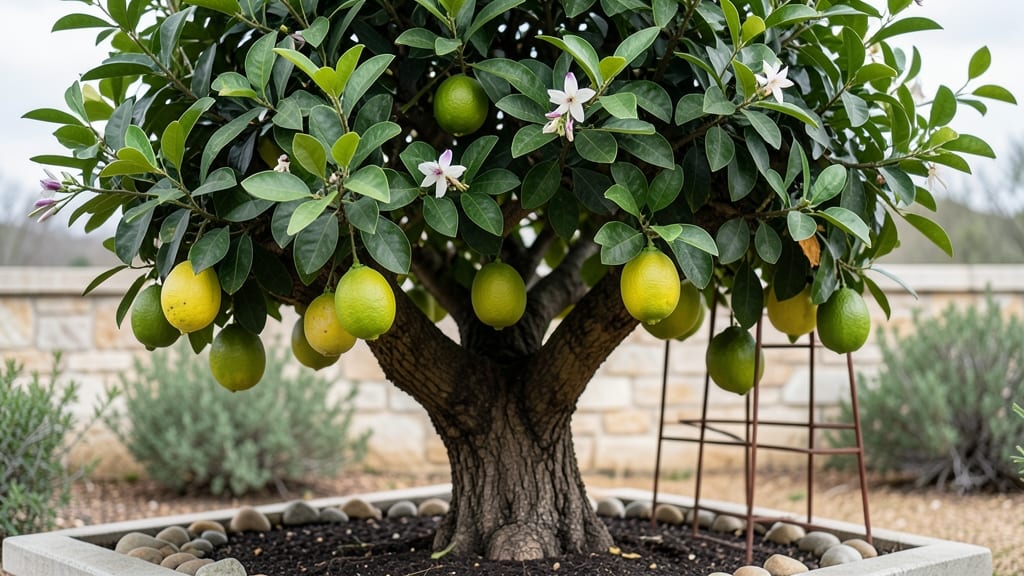
Growing a ponderosa lemon tree means waking up to glossy, evergreen branches heavy with fruit year-round—if you master the three precision trims that keep it productive. 🌿 I learned the hard way that skipping these cuts leads to leggy growth and sparse harvests, but once I dialed in the timing and technique, my tree went from ornamental to edible powerhouse.
The secret isn’t just pruning—it’s understanding when to encourage new growth and when to let the tree rest. Ponderosas thrive in full sun and well-draining soil, but they’re frost-sensitive, so container growing works beautifully in cooler zones.
With the right care, you’ll harvest lemons from fall through winter, plus enjoy fragrant blooms that attract pollinators. The ornamental value alone makes it worth growing, but the fruit? That’s the real game-changer.
You’ll end up with a tree that stays compact, produces abundant fruit without overpowering the landscape, and handles seasonal shifts like a pro. The first trim in early spring sets the stage, the summer trim controls growth, and the winter prune prepares it for next year’s bounty.
Even in containers, this tree delivers—just protect it from cold snaps, and you’ll have lemons for homemade preserves, fresh juice, or gifts to neighbors.
Works for backyard orchards, patio containers, or even as a striking indoor specimen in sunny rooms. The key is consistency—prune at the right times, watch for pests, and protect from frost.
Once you’ve got the rhythm down, your tree will reward you with year-round harvests and lush foliage that turns heads. Let’s get those shears ready!
📚 In This Guide
- What you need
- Instructions
- Tips and common mistakes
- Wrapping up and next steps
What you need
- ● Ponderosa Lemon Tree: A healthy, disease-free sapling (3–5 years old) from a reputable nursery. Pro tip: 💡 Choose a grafted variety for better fruit quality!
- ● Well-draining soil: Mix 50% potting soil with 30% perlite and 20% coarse sand (or use a citrus-specific blend).
- ○ Large container: Minimum 15–20 gallons (24" diameter) with drainage holes. Optional: 🌡️ Elevate pots for better drainage in rainy climates.
- ● Fertilizer: Citrus-specific fertilizer (e.g., 6-6-6 NPK ratio) – ¼ tsp per gallon of water every 4–6 weeks.
- ● Slow-release granules (e.g., Osmocote) for seasonal feeding.
- ● Pruning tools: Bypass pruners (for clean cuts on branches ¼" thick).
- ● Loppers (for branches ½"–1.5" thick).
- ● Saw (for thick branches 1.5"+ thick).
- ● Disinfectant: 70% isopropyl alcohol or bleach solution (1:9 ratio) to sterilize tools.
- ● Mulch: Wood chips or straw (2–3" layer) to retain moisture.
- ● Support stakes: Bamboo or metal stakes (if training the tree vertically).
- ● Growth regulator: Paclobutrazol (B-9) to control excessive growth (follow label instructions).
- ● Humidity tray: Pebble tray with water for dry climates.
- ● Tree ties: Soft cloth or rubber ties for securing branches during pruning.
Step-by-step instructions for cultivating a thriving Ponderosa Lemon tree
Here's how to coax maximum fruit production from this vigorous citrus variety—using strategic trims and care.
🌱 Step 1: Select and Prepare the Optimal Planting Site
Choose a location with full sun exposure (6+ hours daily) and shelter from harsh winds. Ponderosa lemons thrive in USDA zones 9-11, but with winter protection (like frost cloth), you can grow them in cooler zones too. The tree needs well-draining soil—amend heavy clay with 3-4 inches of compost mixed into the top 12 inches of soil.
Dig a hole twice as wide as the root ball but no deeper. Place the tree so the graft union sits 2-3 inches above soil level—this prevents root rot while allowing flexibility for future mulching. Water deeply before planting to settle the soil around roots.
☀️ Step 2: Implement the Three-Phase Pruning System for Year-Round Fruit
Start with light structural pruning in late winter (February-March) to remove dead wood and shape the tree. Focus on opening the canopy to improve airflow—this prevents fungal diseases that plague citrus. Cut back any crossing branches and thin out crowded growth to encourage stronger new shoots.
In early summer (June), perform your second trim to remove any suckers (shoots growing below the graft union) and lightly prune back any overly vigorous growth. This redirects energy toward fruit production rather than excessive foliage. Watch for new growth to appear within 4-6 weeks—this confirms the tree is responding well.
Finally, in late summer (August-September), do a minimal harvest trim—remove only fruit-laden branches that are overburdened. This prevents branch breakage and ensures the remaining fruit ripens properly. Never prune more than 25% of the tree's foliage in any single session.
💧 Step 3: Master Watering and Fertilizing for Heavy Fruit Loads
Water deeply 2-3 times per week during the first year, then taper to once weekly once established. The key is consistent moisture—never let the soil dry completely between waterings. Use a moisture meter to check 3-4 inches deep; if it reads dry, water thoroughly until it runs out the drainage holes.
Fertilize with a citrus-specific fertilizer (high in nitrogen early season, balanced 6-6-6 in fruit-bearing months) every 6-8 weekslight mulch of wood chips around the base helps retain moisture while keeping roots cool—just keep it 3-4 inches away from the trunk.
✂️ Step 4: Protect and Maintain Through Seasonal Shifts
In fall (October), reduce watering slightly as temperatures drop but keep the soil lightly moist. Remove any remaining fruit that hasn't ripened—this prevents the tree from expending energy on immature fruit over winter. Apply a thin layer of mulch around the base to insulate roots from temperature swings.
For winter care, if you're in a cooler zone, wrap the trunk with burlap or frost cloth and place a Christmas light string around the base for gentle heat. In spring (March), resume regular watering and fertilizing as new growth appears. The first flush of blossoms will arrive within 8-10 weeks of proper care.
Tips & tricks for perfect Ponderosa Lemon tree cultivation
Real talk: The difference between a lemon tree that barely survives and one that bursts with fruit comes down to these precision details.
Soil Science: The 3-4 inches of compost mixed into the top 12 inches of soil isn't just decorative—it creates the perfect air pockets citrus roots crave. I learned this the hard way after planting mine in pure clay soil, where the roots suffocated. If your soil drains poorly, consider building a raised bed instead of amending in place. The graft union's 2-3 inch elevation above soil level is equally critical—this prevents rot while allowing future mulch flexibility without smothering the tree.
Pruning Precision: When you perform that June trim to remove suckers, look for shoots growing at the base of the trunk—these steal energy from fruit production. The 4-6 week window for new growth to appear after pruning is your green light that the tree is thriving. Pro tip: Use sterilized pruning shears to prevent introducing fungal spores, especially when making those 25% or less cuts in any single session.
Watering Wisdom: That 2-3 times weekly watering for the first year might seem excessive, but citrus roots need consistent moisture to establish. The 3-4 inch soil depth check with a moisture meter becomes your best friend—if it reads dry at that depth, you're playing catch-up. I've found that watering in the morning prevents fungal issues that thrive in evening moisture. And that mulch ring? Keep it 3-4 inches from the trunk to prevent rot while still insulating roots.
Seasonal Strategy: The October fruit removal might seem counterintuitive, but unripe fruit left on the tree will compete with new blossoms for energy. That Christmas light string around the trunk in winter isn't just whimsical—it adds 5-10°F of protection during cold snaps. The 8-10 week window for spring blossoms gives you a clear timeline to anticipate your first harvest.
Pro Tips for Ponderosa Lemon Tree
- Real talk: The difference between a lemon tree that barely survives and one that bursts with fruit comes down to these precision details.
- Soil Science: The 3-4 inches of compost mixed into the top 12 inches of soil isn't just decorative—it creates the perfect air pockets citrus roots crave.
- Pruning Precision: When you perform that June trim to remove suckers, look for shoots growing at the base of the trunk—these steal energy from fruit production.
Frequently asked questions
Got questions about growing and maintaining your Ponderosa Lemon Tree? You’re in the right place! Here are some of the most common queries—plus expert answers to keep your citrus giant thriving.
How often should I prune a Ponderosa Lemon Tree?
A Ponderosa Lemon Tree thrives with three precision trims per year—once in early spring (to shape and encourage new growth), mid-summer (to control size and remove dead wood), and late fall (to prepare for winter dormancy). This schedule balances fruit production, airflow, and structural health. Pro tip: Always use sterilized tools to avoid disease!
Can Ponderosa Lemon Trees survive winter in cold climates?
While Ponderosa Lemon Trees are hardy to USDA Zone 9-11, they need protection in colder areas. If temps drop below 20°F (-7°C), wrap the trunk with burlap, move potted trees indoors, or plant in a sheltered microclimate. Pro tip: Mulch heavily around the base to insulate roots!
Why aren’t my Ponderosa Lemon Tree’s fruits ripening?
Underripe fruit often stems from inconsistent sunlight, overwatering, or nutrient deficiencies. Ensure your tree gets 6+ hours of direct sun daily and prune to improve airflow. Test soil pH (ideal: 6.0–7.0) and fertilize with citrus-specific feed in spring and summer. Pro tip: Yellow leaves? It’s time for a zinc or iron boost!
What’s the best alternative if I can’t grow a Ponderosa Lemon Tree?
If space or climate is an issue, consider dwarf Meyer Lemon Trees (compact, cold-hardy to Zone 8) or Eureka Lemon Trees (thornless, great for containers). For indoor growing, Lemon Limequats (a hybrid) are low-maintenance and productive. Pro tip: All thrive with well-draining soil and regular pruning!
How do I fix overgrown or leggy Ponderosa Lemon Trees?
Leggy growth happens from lack of light or pruning. Trim back 1/3 of the longest branches to encourage bushier growth, and move the tree to a sunnier spot. For severe cases, renewal pruning (cutting back to 12–18 inches from the ground) can rejuvenate the tree—just do this in early spring!
Wrapping up and next steps
Growing a ponderosa lemon tree is a rewarding journey that combines precision, patience, and a touch of citrus magic! 🍋 With the right year-round trimming schedule and care, you’ll enjoy a bountiful harvest of juicy, fragrant lemons—even in cooler climates.
Remember, healthy growth starts with sharp tools, proper timing, and a little love.
Ready to transform your garden or patio into a lemon paradise? Start small: pick one trim session this season, observe your tree’s response, and refine your technique. Before you know it, you’ll be sipping fresh-squeezed lemonade straight from your own homegrown treasure! 🌱✨