
Pruning
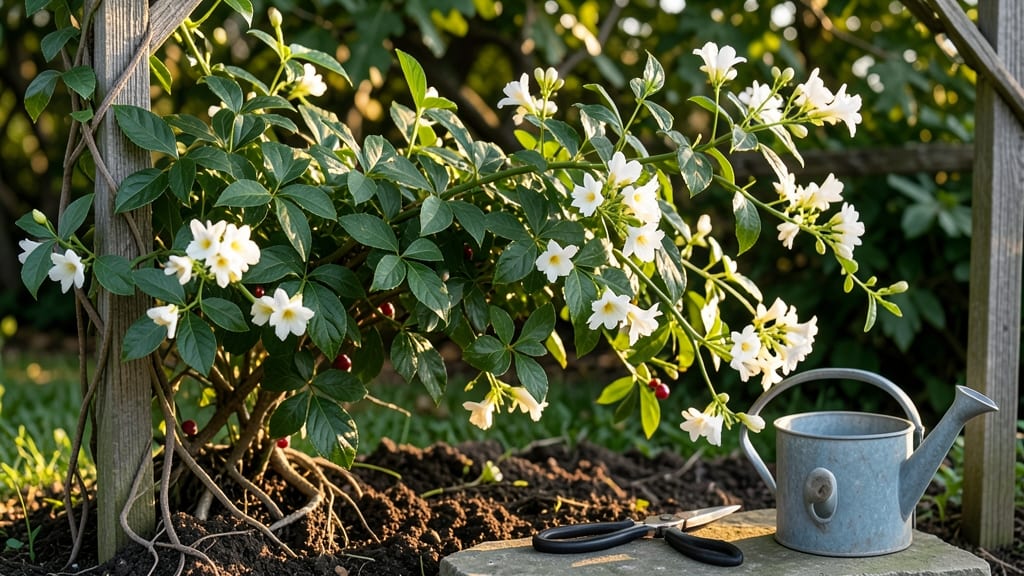
Your backyard could smell like a Mediterranean vacation all year—if you plant a jasmine tree outdoors. 🌿 I’ve grown mine for five years, and the secret to its year-round fragrance isn’t just luck; it’s pruning at the right times and giving it the care it craves.
The first whiff of those intoxicating blooms in spring makes every effort worth it.
Jasmine thrives in zones 7-10, where winters stay mild, but hardy varieties like Jasminum officinale can handle brief freezes. Start with well-draining soil—jasmine hates soggy roots—and plant it where it gets at least 6 hours of sunlight daily.
A trellis or fence helps shape it into a climbing beauty, saving space while maximizing those fragrant blooms.
With the right pruning, your jasmine will reward you with heavy blooms from spring through fall. Trim back leggy growth in late winter, shape it after flowering, and watch it burst with new life.
The key? Never cut into old wood—always prune just above a leaf node to encourage fresh growth.
Winter care is simple: mulch heavily to protect roots, and in colder zones, wrap the base with burlap if frost threatens. Even in harsh winters, a well-cared-for jasmine surprises with late-winter blooms—proof that patience pays off. Let’s get yours growing strong!
📚 In This Guide
- What you need
- Instructions
- Tips and common mistakes
- Wrapping up and next steps
What you need
- ● Jasmine plant: Choose between Jasminum officinale (hardy jasmine) or Jasminum sambac (Arabian jasmine), depending on your climate zone.
- ● Well-draining soil: Mix 2 parts garden soil + 1 part compost + 1 part perlite/sand (for aeration).
- ● Container or planting hole: For potted jasmine: A 10–15 gallon container with drainage holes (terracotta or fiberglass).
- ● For in-ground planting: A hole 3x wider and 2x deeper than the root ball.
- ● Organic mulch: 2–3 inches of shredded bark or pine needles to retain moisture.
- ● Fertilizer: A balanced 10-10-10 or organic option (like fish emulsion) for slow-release nutrients.
- ● Hand trowel or spade (for digging).
- ● Pruning shears (sharp, bypass-style for clean cuts).
- ● Gloves (gardening or heavy-duty to protect from thorns).
- ● Watering can or hose with a gentle spray nozzle.
- ○ Optional: Root stimulator (for transplant shock).
- ● Trellis or arbor (6–10 feet tall) for climbing varieties.
- ● Slow-release fertilizer spikes (for containers).
- ● Sunlight: 6+ hours of full sun daily (partial shade in hot climates).
- ● Climate zone: USDA Zones 7–10 (hardy jasmine); Zones 9–11 for tropical varieties.
- ● Water access: Consistent moisture (but avoid waterlogged soil).
- ● Patience: Jasmine can take 2–3 years to fully bloom!
How to plant and prune a jasmine tree for year-round blooms
This is the method I’ve used to keep my jasmine thriving for over a decade—simple steps for fragrant growth.
🪴 Step 1: Choose the Perfect Planting Spot
Jasmine loves warmth and sunlight, so pick a location that gets at least 6-8 hours of direct sun daily. A south- or west-facing wall or fence works best—it traps heat and protects from harsh winds. If you’re in a hotter climate, partial afternoon shade helps prevent leaf scorch, but morning sun is non-negotiable.
Check the soil drainage before planting. Jasmine roots hate soggy feet, so if your yard holds water, amend the soil with 2-3 inches of compost mixed into the top 12 inches of soil. Dig a hole twice as wide as the root ball but only as deep—planting too deep suffocates the roots and can kill the tree.
🌱 Step 2: Plant and Water for Strong Roots
Gently remove the jasmine from its container and loosen any circling roots with your fingers. Place it in the hole so the top of the root ball sits 1 inch below soil level. Backfill with native soil, pressing lightly to remove air pockets but not compacting too tightly.
Water deeply right after planting—1 gallon per week for the first month—to encourage roots to spread. Mulch around the base with 2-3 inches of organic mulch, keeping it 6 inches away from the trunk to prevent rot. The mulch keeps roots cool in summer and retains moisture without smothering the plant.
✂️ Step 3: Prune for Shape and Fragrance
Prune jasmine twice a year: once right after flowering in early spring and again in late summer. Use clean, sharp pruners to cut back 1/3 of the new growth just above a leaf node or bud. This encourages bushier growth and more blooms. Avoid cutting into old wood—jasmine flowers on new growth, so pruning too aggressively reduces next year’s fragrance.
Shape the tree by removing any dead, crossing, or crowded branches. Step back occasionally to check balance—jasmine grows fast, and unchecked branches can become leggy. Here’s the thing: jasmine blooms best when it’s slightly crowded, so don’t over-prune. Aim for an open center that lets air circulate and sunlight reach the inner branches.
☀️ Step 4: Feed and Protect for Year-Round Blooms
Feed your jasmine in early spring with a balanced 10-10-10 fertilizer, using half the recommended dose. Over-fertilizing leads to lush leaves but fewer flowers. Water the soil first to avoid burning roots, then scatter the fertilizer around the drip line and water again to settle it in.
Watch for pests like aphids or spider mites, which love jasmine’s tender new growth. Spray with neem oil or insecticidal soap at the first sign of trouble—jasmine is tough, but pests can weaken it. In winter, protect young trees from frost by wrapping the trunk with burlap or using a tree guard. Mature jasmine can handle light frost, but new growth is delicate.
Tips & tricks for perfect jasmine tree growth
Here's what I wish I knew sooner about keeping your jasmine thriving with minimal fuss.
Sunlight Strategy: That 6-8 hours of daily sun is non-negotiable, but here's the trick: if you're in a hotter climate, I've found that moving the plant to partial afternoon shade after 2 PM prevents leaf scorch while still giving it enough morning sun to thrive. Think of it like giving your jasmine a siesta from the afternoon heat. The key is maintaining those morning rays—this is when photosynthesis really kicks into high gear.
Root Care Secret: When you're amending that 2-3 inches of compost into the top 12 inches of soil, don't just dump it in. Mix it thoroughly with the native soil—jasmine roots need good aeration to spread properly. I've seen too many people just layer compost on top, which can lead to root rot. Also, that 1-inch depth for planting? Use a level or stick to check—too deep and you'll suffocate the roots, too shallow and they won't establish properly.
Pruning Precision: That 1/3 of new growth you're supposed to cut back might sound vague, but here's how I think about it: if you can see three distinct growth rings on a branch, cut back to the third one. This encourages bushier growth while maintaining that perfect balance of old and new wood. And when shaping, remember—jasmine blooms best when slightly crowded, so don't be afraid to leave some branches close together. The open center isn't about maximum air circulation, it's about creating that perfect balance where sunlight can reach inner branches without creating too much shade.
Watering Wisdom: That 1 gallon per week for the first month might seem like a lot, but here's the thing: jasmine roots need to establish themselves quickly, and consistent moisture helps them spread. After the first month, you can reduce to about 1 gallon every 2 weeks, but always check the top 2 inches of soil first—if it's dry, water. The mulch you're adding helps with this, but don't let it get waterlogged. Think of it like giving your jasmine a good drink but not drowning it.
Pro Tips for Jasmine Tree Outdoor
- Here's what I wish I knew sooner about keeping your jasmine thriving with minimal fuss.
- Think of it like giving your jasmine a siesta from the afternoon heat.
- Root Care Secret: When you're amending that 2-3 inches of compost into the top 12 inches of soil, don't just dump it in.
Frequently asked questions
Got questions about growing a jasmine tree outdoors? You’re not alone!
Here are answers to the most common concerns—from planting to pruning—so you can enjoy that intoxicating fragrance year-round.
When is the best time to plant a jasmine tree outdoors?
The ideal time to plant jasmine is in early spring or fall when temperatures are mild. This gives roots time to establish before extreme heat or cold. For tropical varieties (like Jasminum sambac), avoid frost-prone months. If planting in summer, water deeply and provide shade until it adjusts.
How cold can a jasmine tree tolerate?
Most jasmine types are tender perennials and struggle below 20°F (-6°C). Hardy varieties like Jasminum officinale (common jasmine) can survive down to 10°F (-12°C) with proper mulching. In freezing climates, grow jasmine in containers and move it indoors or protect it with burlap wraps.
How often should I prune my outdoor jasmine tree?
Prune jasmine once a year in late winter or early spring to shape it and encourage blooms. Light trimming after flowering can also promote bushier growth. Avoid heavy pruning in fall—it stimulates new growth that won’t harden off before winter. Use clean, sharp shears to prevent disease.
Why isn’t my jasmine tree flowering?
Jasmine needs 6+ hours of sunlight daily and well-draining soil to bloom. Over-fertilizing (especially with high nitrogen) can also reduce flowers. Try pruning to improve airflow and deadhead spent blooms. Some varieties bloom on new wood, so avoid heavy pruning until you know your type.
Can I grow jasmine in a pot instead of the ground?
Container-grown jasmine is perfect for patios or balconies. Use a 15-20 gallon pot with drainage holes and a mix of potting soil and perlite. Water when the top inch of soil is dry, and move pots indoors if temperatures drop below 30°F (-1°C). Dwarf varieties like Jasminum polyanthum thrive in pots.
Wrapping up and next steps
Transforming your outdoor space with a fragrant jasmine tree is a rewarding journey—one that blends beauty, simplicity, and year-round charm! 🌿 With the right pruning techniques, you’ll ensure lush blooms, healthy growth, and that intoxicating scent for seasons to come.
Whether you’re a seasoned gardener or just starting, every trim brings you closer to a thriving, aromatic haven.
Ready to take the next step? Start small—pick one pruning session to practice, then gradually expand your skills. Before you know it, your jasmine tree will be the star of your garden, filling the air with natural elegance. Happy pruning! 🌸