
Blooming
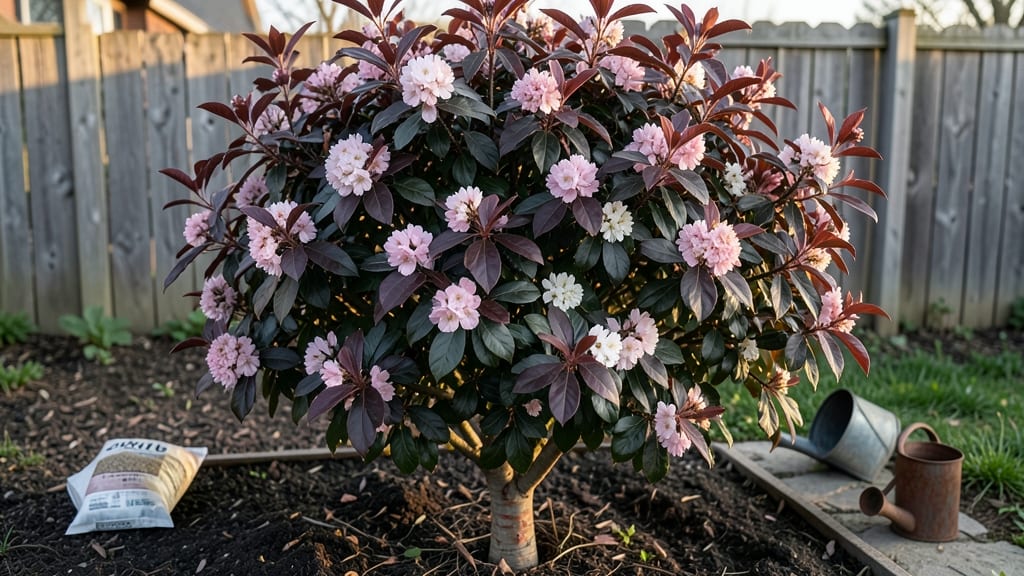
Nothing beats the sight of a double blooming plum tree covered in blossoms twice a year—once in spring and again in early summer. 🌸 I planted mine five years ago after seeing one in a neighbor's yard, and the difference in fragrance and fruit production has been staggering.
The secret lies in understanding its unique growth habits and pruning it just right to encourage those second flushes of flowers.
These trees thrive in full sun and well-draining soil, but they're not fussy about soil type. My tree does beautifully in regular garden soil mixed with a little compost—no need for fancy amendments.
The real magic happens with pruning: cutting back old wood in late winter and thinning out crowded branches in early summer. This keeps the tree open enough for light and air to reach all the blooms.
By summer's end, you'll have a tree loaded with fragrant blossoms and sweet fruit—if you can resist picking them all at once. The second bloom isn't as heavy as the first, but it still produces enough plums for jams and fresh eating.
Plus, the tree stays lush and healthy, with fewer disease issues because of better airflow from proper pruning.
Perfect for home gardens where you want both beauty and harvest. The only challenge is keeping birds from eating the fruit before you do—so plan to net a few branches if you're serious about saving some for yourself. Now let's get that tree blooming twice a year!
📚 In This Guide
- What you need
- Instructions
- Tips and common mistakes
- Wrapping up and next steps
What you need
- ● Double blooming plum tree: Choose a cold-hardy variety like Prunus cerasifera ‘Donbass’ or Prunus salicina ‘Santa Rosa’ (ensure it’s labeled for double blooms!)
- ● High-quality potting soil: 5–10 gallons (mix with compost for nutrients)
- ● Well-draining container or planting hole: Container: 15–20 gallon pot (if growing in pots)
- ● In-ground: Hole twice as wide as the root ball
- ● Organic mulch: 2–3 inches (shredded bark or pine straw)
- ● Pruning shears: Bypass pruners (sharp, 7–9” blades) for clean cuts
- ● Hand pruners: For smaller branches (bypass or anvil type)
- ● Loppers: 18–24” for thicker branches
- ● Gloves: Heavy-duty gardening gloves (protects from thorns)
- ● Trowel/spade: For digging and soil prep
- ● Watering can/hose: With adjustable nozzle for gentle watering
- ● Fertilizer: Balanced 10-10-10 or slow-release plum-specific formula
- ● Tree support: Stakes + ties for young trees (if needed)
- ● Drip irrigation system: For consistent moisture
- ○ Pruning sealant: (Optional) For large cuts to prevent disease
- ● Soil pH test kit: Ensure pH 6.0–7.0 (plums prefer slightly acidic soil)
- ● Bird netting: Protects blooms from pests (if in high-traffic areas)
Instructions for pruning a double blooming plum tree
Here's how to keep your tree flowering beautifully year after year.
✂️ Step 1: Time Your First Pruning for Late Winter
Prune your double blooming plum tree in late winter or early spring—right before buds begin to swell. This timing ensures you remove dead wood while preserving next season's blooms. I like to do this in February when the ground is still frozen, so pests are dormant and won’t attack fresh cuts.
Use clean, sharp pruning shears to make cuts at a 45-degree angle, about ¼ inch above a bud facing outward. This encourages new growth to branch outward instead of crowding the center. Avoid cutting into old wood—focus on removing dead, diseased, or crossing branches first.
Here's the thing—double blooming plums flower on both old and new wood, so be gentle. You don’t want to remove too many branches, or you’ll sacrifice summer blooms. Limit yourself to no more than 25% of the tree’s canopy in one session.
🌿 Step 2: Encourage Airflow and Light Penetration
Next, thin out the canopy to let sunlight and air reach the center of the tree. Look for branches that cross or rub against each other—these compete for resources and can create entry points for disease. Remove any that are thinner than a pencil, as they won’t support heavy blooms.
I always step back and imagine standing in the center of the tree. If I can’t see light filtering through, that’s a sign I need to prune more aggressively. Aim for an open, vase-like shape—this keeps the tree balanced and reduces the risk of storm damage.
Watch for suckers (shoots growing from the base or trunk) and remove them immediately. These drain energy from the main tree and can lead to a weak structure. Use your pruners to cut them at the base, and don’t worry—this won’t harm the tree.
☀️ Step 3: Summer Pruning for Summer Blooms
After the first flush of spring blooms fades, do a light pruning in early summer to shape the tree and encourage another round of flowers. This is where double blooming plums shine—with the right care, they’ll reward you with another burst of blossoms in late summer or early fall.
Focus on deadheading spent flowers (removing them at the base) and trimming any leggy growth. Leggy branches are a sign the tree isn’t getting enough light—either move it to a sunnier spot or prune nearby branches to open up the canopy.
This is also the time to fertilize lightly if your soil is nutrient-poor. A balanced 10-10-10 fertilizer in early summer gives the tree a boost without overwhelming it. Water deeply after pruning to help the tree recover.
⏰ Step 4: Light Winter Pruning for Health
In very late winter (just before buds swell again), do a quick check for any new dead or diseased branches. Double blooming plums are prone to silver leaf disease, so remove any branches with silvery, curled leaves or blackened bark immediately.
This final pruning keeps the tree healthy and sets it up for another spectacular blooming season. Avoid heavy pruning now—just tidy up and remove any weak or crossing branches. The goal is to maintain, not reshape at this stage.
Real talk: If you miss a year of pruning, don’t panic. Just start fresh the next season. Double blooming plums are forgiving, but they do reward consistent care with year-round fragrance and beauty—so keep those shears handy!
Tips & tricks for perfect double blooming plum tree care
A few simple tricks will help your double blooming plum tree thrive and keep those fragrant blooms coming all year.
Timing is Everything: That February late-winter pruning in Step 1 is your golden window. If you miss it, don't stress—just aim to prune before buds swell. I've seen trees bloom beautifully even with a slightly late pruning, but the key is to never prune after buds appear. The tree needs those old wood branches to produce spring flowers, so be patient and wait for the right moment.
Tool Prep Matters: Before you even touch your tree, clean your pruning shears with rubbing alcohol to prevent spreading disease between cuts. I sterilize them between every 3-4 branches, especially when dealing with diseased wood. Sharp tools make cleaner cuts that heal faster—dull shears tear wood, creating larger wounds that attract pests.
Visual Pruning Guide: When shaping your tree in Step 2, imagine looking at it through a donut—you want light to pass through the center like it's the hole. Hold your arms out wide and see if you can fit your head between branches. If you can't, it's time to thin out. For the vase-like shape, focus on removing branches that grow straight up or inward—they'll crowd the center and block sunlight.
Seasonal Checklist: Create a simple seasonal pruning calendar: late winter (heavy prune), early summer (light shaping), and very late winter (health check). I mark these dates on my calendar with sticky notes so I never miss them. Each season serves a purpose—late winter removes winter damage, summer encourages new blooms, and the final check catches any new problems before spring.
Pro Tips for Double Blooming Plum Tree
- A few simple tricks will help your double blooming plum tree thrive and keep those fragrant blooms coming all year.
- Timing is Everything: That February late-winter pruning in Step 1 is your golden window.
- Tool Prep Matters: Before you even touch your tree, clean your pruning shears with rubbing alcohol to prevent spreading disease between cuts.
Frequently asked questions
about double blooming plum trees—because growing these stunning beauties comes with its own set of curiosities!What makes a double blooming plum tree different from a regular plum tree?
A double blooming plum tree produces two distinct flower cycles in one season—typically spring and autumn—while regular plum trees bloom only once. This trait is often achieved through careful grafting or selecting specific cultivars like Ube or Methley varieties, ensuring year-round visual interest and fragrance.
How do I know when to prune a double blooming plum tree for maximum blooms?
Prune after the second bloom cycle (late summer/early fall) to avoid cutting off next year’s flower buds. Use sharp tools to make clean cuts just above a bud or branch collar. Avoid heavy pruning in late winter—double bloomers are sensitive to cold stress, and aggressive cuts can reduce spring blooms. Pro tip: Thin out crowded branches to improve airflow and sunlight exposure!
Can double blooming plum trees produce edible fruit?
Most ornamental double blooming varieties focus on showy flowers and fragrance rather than fruit quality, but some hybrids (like Santa Rosa) may yield small, tart plums. If fruit is your goal, opt for a dedicated fruit-bearing cultivar instead—these trees prioritize blooms and harvestable fruit.
Why aren’t my double blooming plum flowers lasting as long as expected?
Short-lived blooms could signal pests, disease, or environmental stress. Check for aphids or spider mites (common culprits) and treat with neem oil if needed. Ensure the tree gets 6+ hours of sunlight daily and well-draining soil. Overwatering or sudden temperature swings can also cause premature petal drop. Pro tip: Mulch around the base to retain moisture without soggy roots!
Are there dwarf double blooming plum tree varieties for small gardens?
Yes! Cultivars like Kanzan or Shirotae Nishiki stay compact (10–15 feet tall) while delivering abundant, repeat blooms. These work perfectly for patios or containers. Just ensure they’re planted in a spot with full sun and protection from strong winds—their delicate branches can bend under heavy snow or rain.
Wrapping up and next steps
Growing a double blooming plum tree is a rewarding journey that brings year-round beauty and fragrance to your garden with the right pruning techniques. 🌸 By understanding seasonal care, proper tools, and patience, you can transform your tree into a stunning, repeat-flowering masterpiece.
Whether you're a beginner or an experienced gardener, the key is consistency and attention to detail.
Ready to take the next step? Start small—prune just one branch this season and observe how it responds. Over time, you’ll build confidence and watch your plum tree thrive with two spectacular blooms per year! Happy gardening! 🌿✨