
Fertilization
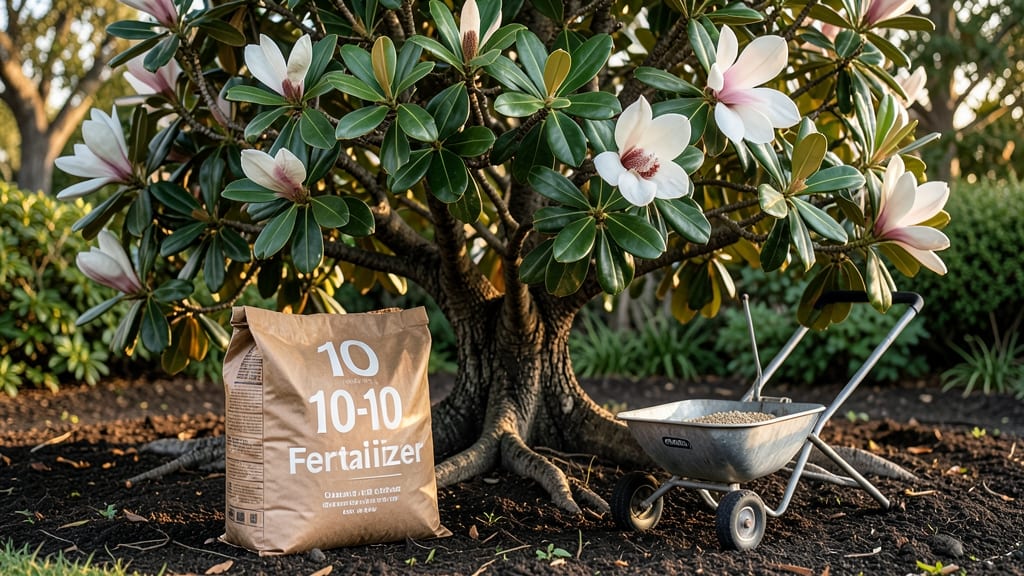
A 10-10-10 fertilizer for your magnolia tree isn’t just about feeding—it’s about unlocking that showstopping spring bloom you’ve been dreaming of. 🌸 I’ve used this balanced approach for years, and the difference in leaf vibrancy and flower size is nothing short of dramatic.
The key isn’t just dumping granules; it’s timing, soil prep, and knowing when to back off.
Most people overshoot with magnolias, thinking more fertilizer equals bigger blooms. But these trees are sensitive—too much nitrogen burns roots, while too little leaves them struggling to support those heavy blossoms.
Start with 1 pound per year of tree age (max 10 pounds for mature trees), spread evenly in early spring before buds swell. Think of it as a slow-release energy drink, not a sugar rush.
What you’ll notice after just one season is darker green foliage that stays lush through summer, and blooms that arrive earlier and last longer. The secret? Pairing the fertilizer with 2-3 inches of compost in the root zone to prevent salt buildup.
Your tree will thank you with fewer yellowing leaves and more dramatic spring displays than your neighbors’.
For regions with heavy clay soil or summer droughts, cut back to half the recommended dose—magnolias hate soggy feet. And if your tree’s been established for decades, it might not need annual feeding at all.
Always check the soil first: a simple finger-test for moisture and a sniff for that rich, earthy aroma tells you more than any label ever could.
📚 In This Guide
- What you need
- Instructions
- Tips and common mistakes
- Wrapping up and next steps
What you need
- ● 10-10-10 fertilizer: 1-2 pounds (adjust based on tree size—see application guide for specifics). Opt for slow-release granules or water-soluble powder for convenience.
- ● Garden hose with spray nozzle (for water-soluble fertilizer) or watering can (for granular).
- ● Gloves (nitrile or rubber—fertilizer can be gritty!).
- ● Measuring scoop or scale (to ensure precise fertilizer amounts).
- ○ Pruning shears (optional but helpful for trimming dead branches before fertilizing).
- ● Water: 5-10 gallons (for dissolving fertilizer or thorough watering post-application).
- ● Soil test kit (to check pH/nutrient levels before fertilizing—magnolias prefer slightly acidic soil (pH 5.0-6.0)).
- ● Mulch (pine bark or compost): 2-3 inches spread around the base (keep 6 inches away from the trunk).
- ● Slow-release fertilizer spikes (for low-maintenance feeding over time).
- ● Rain cover or tarp (if fertilizing just before rain to prevent runoff).
Step-by-Step guide to fertilizing magnolia trees with 10-10-10
Here’s how to use 10-10-10 fertilizer to keep your magnolia thriving—and blooming like crazy.
🌿 Step 1: Test Soil and Choose the Right Time
A soil test tells you exactly what your magnolia needs. Magnolias prefer slightly acidic soil (pH 5.5–6.5), and 10-10-10 is a balanced fertilizer, but your tree might need more phosphorus for flowers or potassium for root strength. Test your soil first—you can grab a kit at any garden center. The best time to fertilize is early spring, just as new growth begins, and again in late spring before blooming season.
If you’re fertilizing an established tree, apply it when the ground is thawed but not yet dry. Wet soil helps the granules dissolve evenly into the root zone. Avoid fertilizing in summer heat—it stresses the tree and can burn roots. Here’s the thing: magnolias are slow growers, so don’t overdo it. Too much fertilizer leads to weak wood and fewer blooms.
💧 Step 2: Spread Fertilizer Evenly in a Ring Pattern
Measure out 1/2 pound of 10-10-10 fertilizer per inch of trunk diameter (so a 3-inch trunk gets 1.5 pounds). Spread it in a 12-inch-wide ring around the tree, keeping it 6–12 inches away from the trunk. This prevents salt buildup that can harm the bark. I like to use a spreader for even distribution—just set it to a medium setting and go in slow circles.
Gently scratch the fertilizer into the top 1–2 inches of soil with a rake. This helps it dissolve faster and prevents it from washing away during watering. If you’re fertilizing a young magnolia, use half the amount—they don’t need as much to avoid root burn. Water the area deeply right after to help the nutrients soak into the soil.
☀️ Step 3: Water Deeply and Monitor for Signs of Health
After applying the fertilizer, water the tree slowly and deeply—about 1–1.5 gallons per square foot of soil. This ensures the nutrients reach the root zone without running off. You’ll know it’s working when you see new growth by mid-summer and stronger, more abundant blooms next spring. Healthy magnolias have dark green, glossy leaves and sturdy branches that don’t snap easily in wind.
Watch for yellowing leaves—this could mean too much nitrogen or poor drainage. If that happens, flush the soil with extra water and hold off on fertilizing for a few months. Magnolias are forgiving, but they hate soggy roots. In fall, you can do a light feeding with 10-10-10 if your tree looks tired, but most magnolias prefer a rest then. The key is consistency, not excess.
⏰ Step 4: Adjust Based on Your Tree’s Response
By late summer, check your magnolia’s leaves and branches. If growth is vigorous but blooms are sparse, you might need more phosphorus next year—switch to a 5-10-5 for flowers. If leaves are yellowing at the edges, it could mean too much salt from fertilizer. In that case, water deeply to leach out excess nutrients. Magnolias are slow to show stress, so pay attention to leaf color and growth rate—those are your best clues.
Here’s my rule: If it’s growing well and blooming, you’re doing it right. If not, tweak the timing or amount next season. I’ve seen magnolias go from sparse blooms to dramatic, fragrant flowers just by adjusting their fertilizer schedule. Patience is key—these trees reward steady care over quick fixes.
Tips & tricks for perfect magnolia tree fertilizing
These simple tricks will help you avoid common mistakes and get the most out of your 10-10-10 fertilizer application.
Timing is Everything: The early spring and late spring timing in Step 1 is crucial because that's when magnolias are naturally gearing up for growth and blooming. If you miss these windows, you might end up with weak wood or fewer flowers. I always mark my calendar for late April and early June—just as the buds start to swell. This aligns perfectly with the tree's natural growth cycles.
Precision Application: When measuring your 10-10-10 fertilizer in Step 2, don't guess—the half-pound-per-inch rule is your best friend. For a 3-inch trunk, that means exactly 1.5 pounds. I've seen people use too much fertilizer thinking "more is better," but this can actually burn the roots. Use a kitchen scale for accuracy if you're unsure about eyeballing it. The 12-inch ring pattern is also important—it keeps the fertilizer away from the trunk where it can cause salt damage.
Soil Prep Matters: Before applying fertilizer, check that your soil is moist but not soggy. Dry soil won't help the granules dissolve properly, while waterlogged soil can wash away nutrients. I like to water the area lightly the day before fertilizing to ensure even moisture distribution. This helps create the perfect environment for the nutrients to be absorbed by the roots.
Observation is Key: Pay attention to the visual cues mentioned in Step 3 and 4—they're your tree's way of communicating. Dark green, glossy leaves mean your magnolia is happy, while yellowing at the edges is a clear sign of too much salt. I've learned to check my trees every two weeks after fertilizing to catch any issues early. Remember, magnolias are slow to show stress, so don't wait until you see major problems before acting.
Pro Tips for 10-10-10 Fertilizer For Magnolia Tree
- These simple tricks will help you avoid common mistakes and get the most out of your 10-10-10 fertilizer application.
- Timing is Everything: The early spring and late spring timing in Step 1 is crucial because that's when magnolias are naturally gearing up for growth and blooming.
- Precision Application: When measuring your 10-10-10 fertilizer in Step 2, don't guess—the half-pound-per-inch rule is your best friend.
Frequently asked questions
Got questions about using 10-10-10 fertilizer for your magnolia tree? You’re not alone! Here are some of the most common concerns—and their straightforward answers—to help you fertilize with confidence.
When is the best time to apply 10-10-10 fertilizer to a magnolia tree?
Apply 10-10-10 fertilizer in early spring (just as new growth begins) and again in mid-summer (around July). Avoid fertilizing in fall or winter, as magnolias are dormant and won’t benefit. Pro tip: Water the tree thoroughly before and after applying to prevent root burn!
How often should I use 10-10-10 fertilizer on my magnolia?
For most magnolias, 2 applications per year (spring and summer) are ideal. Over-fertilizing can harm your tree, so stick to the recommended rate (usually ½ to 1 pound per inch of trunk diameter). If your soil is already nutrient-rich, you might only need one annual application in early spring.
Can I use 10-10-10 fertilizer on young magnolia trees?
Yes, but go easy! Young magnolias (under 3 years old) have delicate root systems. Use half the recommended dose and focus on organic alternatives like compost or a slow-release fertilizer. Once established, you can gradually introduce 10-10-10.
What if my magnolia tree isn’t blooming after using 10-10-10?
Poor blooming can stem from over-fertilizing (too much nitrogen) or stress (drought, pests, or improper pruning). Try switching to a low-nitrogen, high-phosphorus fertilizer (like 5-10-10) to encourage flowers. Also, check for sunlight exposure—magnolias need 6+ hours of sun daily to bloom well.
Is 10-10-10 fertilizer better than organic options for magnolias?
Both have pros! 10-10-10 provides quick, balanced nutrients for fast growth, while organic fertilizers (like compost or bone meal) improve soil health long-term. For best results, combine both: Use 10-10-10 in spring/summer and top-dress with compost in fall.
What are the signs of over-fertilizing a magnolia with 10-10-10?
Watch for yellowing leaves, leaf burn, or excessive new growth (with few blooms). If you suspect over-fertilization, flush the soil with water and reduce future applications. Always follow label instructions and test your soil every few years to adjust as needed.
Wrapping up and next steps
Using 10-10-10 fertilizer for your magnolia tree is a simple yet powerful way to promote vibrant blooms and healthy growth. Remember to apply it in the right seasons, monitor soil health, and adjust based on your tree’s needs—your magnolia will thank you with stunning flowers and lush foliage! 🌸
Ready to give your magnolia the care it deserves? Start by testing your soil this spring and plan your fertilization schedule. Happy gardening! 🌱