
Pruning
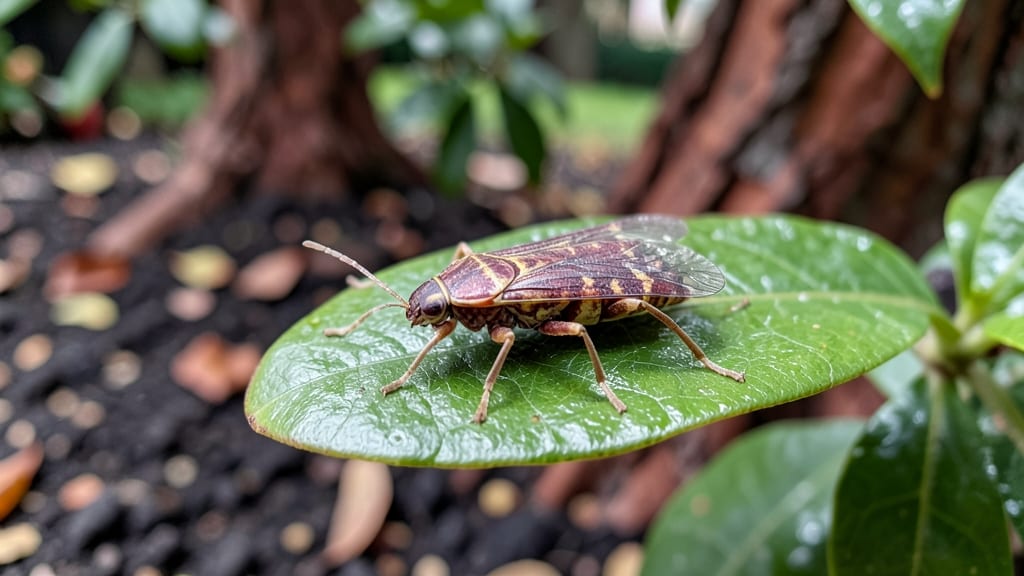
Even the hardiest pomegranate trees face their share of pomegranate tree bugs, but most can be outsmarted with simple, chemical-free tricks—here’s how I’ve kept my own tree thriving. 🌱 I’ve battled everything from sticky scale insects to voracious aphids on my own tree, and these natural remedies work faster than you’d expect—often within days of proper treatment.
The key is acting early when you spot signs like tiny holes in fruit, sticky sap on leaves, or clusters of tiny bugs on stems. Most infestations start small, so a quick response prevents them from spreading.
Neem oil, insecticidal soap, and even homemade sprays with garlic or pepper can turn the tide—no fancy equipment needed.
You’ll see a noticeable difference after just one treatment, especially if you combine sprays with preventive measures like pruning infested branches and introducing beneficial insects. The tree’s health improves fast, and those juicy pomegranates stay pest-free for harvest.
Works for both backyard trees and container-grown pomegranates, and the methods adapt to different climates. Let’s get those bugs out of your orchard for good!
📚 In This Guide
- What you need
- Instructions
- Tips and common mistakes
- Wrapping up and next steps
What you need
- ● Garden gloves (2 pairs): Nitrile-coated for chemical safety or heavy-duty leather for pruning.
- ● Pruning shears (1): Bypass-style, sharp, and sterilized (for trimming infested branches).
- ● Garden hose with nozzle (1): For rinsing off pests or diluting sprays.
- ● Spray bottle (1-2): 8-16 oz, with a fine-mist nozzle (for targeted natural sprays).
- ● Neem oil (16 oz): 100% cold-pressed, organic (for homemade sprays).
- ● Insecticidal soap (16 oz): Potassium salt-based, OMRI-listed.
- ● Diatomaceous earth (DE) (5 lb bag): Food-grade, 99% pure (for dusting).
- ● Yellow sticky traps (10-20): 12”x16” traps (to monitor and catch pests).
- ○ Spray pump or backpack sprayer (optional): 1-2 gallon capacity (for larger trees).
- ● Garlic or chili pepper spray: Blender, strainer, and 1 gallon water (for homemade repellents).
- ● Beneficial nematodes (5-10 million): For soil-dwelling pest control.
- ● Reflective tape or aluminum foil: To deter flying insects.
- ● Magnifying glass: For close-up pest ID.
- ● Label markers: To tag treated branches (if using multiple remedies).
How to identify and treat common pomegranate tree pests naturally
Fast action prevents these pests from ruining your harvest—here’s how I tackle them.
🌿 Step 1: Scout for Early Signs of Pests
Inspect your pomegranate tree weekly, focusing on new growth, undersides of leaves, and fruit. Look for tiny holes in leaves (aphids, mites), sticky residue (scale insects), or chewed edges (caterpillars). I use a 10x magnifying glass to spot mites or thrips—these pests are often invisible to the naked eye.
Check the bark crevices too. Mealybugs and scale insects love hiding there, especially in warm, dry conditions. If you see white, cottony clusters or brown bumps, act immediately—these pests multiply quickly and weaken the tree. The earlier you catch them, the easier they are to control.
💧 Step 2: Apply Homemade Sprays for Fast Pest Control
Mix 1 quart of water, 1 tablespoon of neem oil, and 1 teaspoon of dish soap in a spray bottle. Shake well and apply in the early morning or late afternoon to avoid harming bees. Neem oil disrupts pests’ life cycles, while dish soap smothers their protective coatings. Spray every 5-7 days until pests disappear.
For stubborn infestations, add 1 tablespoon of garlic juice to the mix. Garlic’s sulfur compounds repel aphids and mites effectively. Test the spray on a small leaf first—some pomegranate varieties are sensitive to strong solutions. Reapply after rain, as water washes away the treatment.
☀️ Step 3: Introduce Beneficial Insects for Long-Term Defense
Ladybugs, lacewings, and parasitic wasps are natural predators of pomegranate pests. Purchase them from a garden center and release them in the early evening when temperatures are below 85°F. Avoid releasing them on windy days—they won’t stay on the tree. Ladybugs target aphids, while lacewings eat mites and caterpillars.
Plant marigolds or dill nearby to attract these beneficial insects naturally. The flowers provide nectar, keeping the predators around long-term. Avoid pesticides, even organic ones, as they can harm these helpful allies. Within 2-3 weeks, you’ll see a noticeable drop in pest populations as the ecosystem balances itself.
✂️ Step 4: Prune and Clean Up Infested Areas
Remove heavily infested leaves, fruit, or branches with clean, sharp pruners. Drop them into a sealed plastic bag and discard them in the trash—not the compost. Pruning improves air circulation, which reduces humidity and deters fungal issues that pests exploit. Focus on dead or dying branches first, as these are hotspots for scale and mealybugs.
After pruning, sterilize your tools with 70% isopropyl alcohol to prevent spreading pests to healthy parts of the tree. Wipe down the trunk and major branches with a damp cloth to remove egg clusters or webbing. This step alone can cut pest populations by 50% or more if done thoroughly.
⏰ Step 5: Monitor and Prevent Future Infestations
Set up yellow sticky traps near the tree to catch flying pests like whiteflies and thrips. Check them weekly and replace as needed. These traps are passive but highly effective at reducing airborne threats. Place them 3-4 feet above ground level for best results.
Mulch the base of the tree with 2-3 inches of organic mulch to retain moisture and deter crawling pests. Avoid over-mulching, as this can create a damp environment that attracts fungus gnats. Water at the base of the tree in the morning to discourage pests that thrive in damp conditions.
Tips & tricks for natural pomegranate tree pest control
These strategies will help you tackle pests faster and protect your harvest without chemicals.
Timing is Everything: When applying your homemade sprays in Step 2, focus on the early morning or late afternoon when bees are less active. This timing protects pollinators while still giving the neem oil and dish soap mixture time to work effectively before evaporation. The 5-7 day spray schedule is critical—don't skip applications, as pests can rebound quickly if you pause treatment during their active periods.
Temperature Matters: The instructions mention releasing beneficial insects when temperatures are below 85°F, but here's the thing: even slight heat spikes above this can stress them. I've found that early evening releases work best because daytime temperatures often peak just before sunset. If you must release during hotter conditions, do it in shaded areas of the tree where temperatures might be 5-10°F cooler.
Visual Cues for Pest Identification: In Step 1, when inspecting for pests, look for these specific visual clues: aphids leave behind a shiny, honeydew residue that attracts ants, while mites create fine webbing between leaves. Mealybugs produce cottony white tufts that look like tiny clouds, and scale insects appear as brown, shell-like bumps. Using a 10x magnifying glass helps spot early signs before they become full-blown infestations—this is where most gardeners go wrong by waiting too long to act.
Pruning Strategy: When you're pruning in Step 4, focus on removing branches that show signs of stress first. These are often the most heavily infested. After pruning, don't just toss infested material in your compost—pests can survive and reinfest your tree. Instead, bag them and dispose of them in the trash. This single step can reduce pest populations by 50% or more, giving your other treatments a better chance of working.
Pro Tips for Pomegranate Tree Bugs
- These strategies will help you tackle pests faster and protect your harvest without chemicals.
- Timing is Everything: When applying your homemade sprays in Step 2, focus on the early morning or late afternoon when bees are less active.
- Temperature Matters: The instructions mention releasing beneficial insects when temperatures are below 85°F, but here's the thing: even slight heat spikes above this can stress them.
Frequently asked questions
about pomegranate tree bugs—because even the most patient gardeners need quick answers! Here’s what you’ve been wondering:What are the most common bugs that attack pomegranate trees?
Pomegranate trees often face pests like pomegranate fruit moths, aphids, scale insects, and whiteflies. These critters feast on leaves, flowers, and fruit, weakening your tree if left unchecked. Early identification is key—check for holes in fruit or sticky residue on branches!
When is the best time to treat pomegranate tree bugs?
Act fast! Treat in early spring (before buds swell) or late summer (after harvest) to catch pests early. For severe infestations, repeat treatments every 2–3 weeks. Pro tip: Monitor your tree weekly—tiny eggs or larvae are easier to spot (and squash!) before they multiply.
Are there natural remedies to get rid of pomegranate tree bugs?
Try neem oil (mix 1 tbsp with 1 quart water + a drop of dish soap), soapy water sprays, or beneficial insects like ladybugs. For fruit moths, wrap trunks in tree bands to trap crawling larvae. Bonus: Prune affected branches in dry weather to reduce hiding spots.
Will chemical pesticides harm my pomegranate tree or fruit?
Most synthetic pesticides (like pyrethrin) can harm beneficial pollinators and leave residues on edible fruit. Opt for organic-certified sprays or horticultural oil instead. Always follow label instructions—and avoid spraying when bees are active (morning or evening is safest).
Can I still harvest fruit if bugs are present?
Yes, but inspect fruit closely before eating! Remove any with holes, mold, or webbing. Cooking (like making jam) can kill lingering pests, but always wash pomegranates thoroughly. For heavy infestations, consider sacrificing some fruit to save the tree’s health long-term.
Wrapping up and next steps
Dealing with pomegranate tree bugs doesn’t have to be a daunting task—natural remedies like neem oil, insecticidal soap, and companion planting can effectively keep pests at bay while keeping your tree thriving. 🌱 By acting early and staying consistent, you’ll protect your harvest and promote a healthier garden. Ready to take action? Start with one remedy this week, monitor your tree, and adjust as needed.
Your pomegranate tree will thank you with vibrant blooms and juicy fruit! 🍇