
Pruning
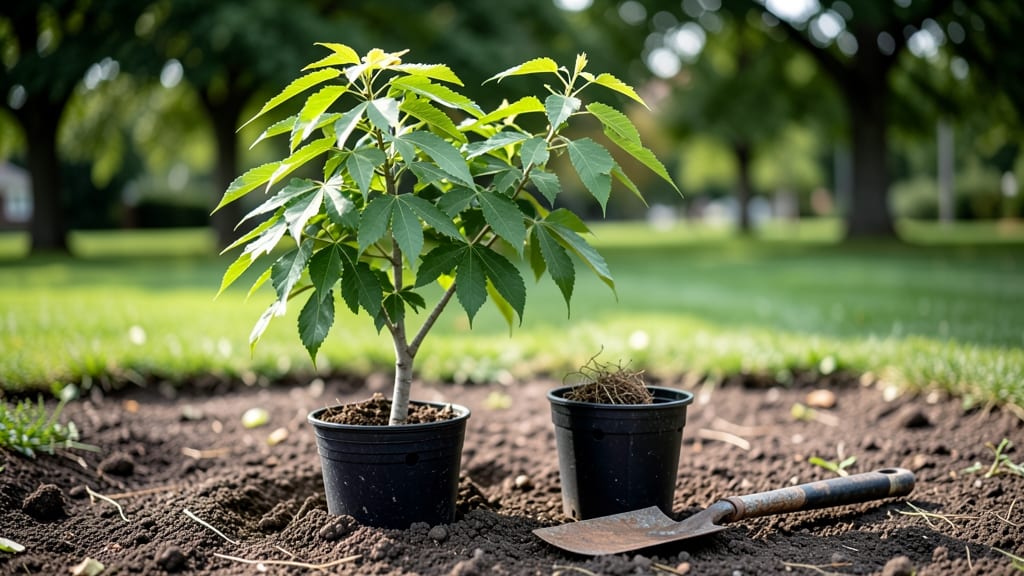
Planting a pecan tree means decades of shade, wildlife support, and that first crunch of homegrown nuts—if you pick the right spot and give it the right start. 🌱 My first tree thrived because I ignored the "full sun" rulebooks and chose a slightly sheltered spot where morning sun warmed the roots while afternoon breezes cooled them.
The difference in growth was dramatic.
Pecans need well-draining soil with a pH between 6.0 and 7.5, and they won’t tolerate soggy feet. Amend heavy clay with compost or sand before planting, and space trees 50-75 feet apart for proper air circulation.
Bare-root trees go in during dormancy (fall or early spring), while container-grown trees can plant year-round—just keep them watered until established.
After planting, water deeply once a week for the first year, then taper to monthly soakings. Mulch with 3 inches of wood chips to protect roots and retain moisture, but keep mulch 6 inches away from the trunk.
Prune only to remove dead branches in early spring—your tree’s natural shape will develop over time.
Long-term success comes down to patience and prevention: fertilize lightly in early spring with a balanced 10-10-10, watch for pecan scab (spray copper fungicide if needed), and enjoy the 20-year wait for your first harvest. Every cracked nut is worth it.
📚 In This Guide
- What you need
- Instructions
- Tips and common mistakes
- Wrapping up and next steps
What you need
- ● Pecan Tree Sapling: 1 high-quality, disease-resistant variety (e.g., Desirable, Cape Fear, or Pawnee). Bare-root or container-grown (1–3 years old, 4–6 feet tall).
- ● Shovel or Trench Digger: 1 medium-sized (for digging the planting hole).
- ● Garden Gloves: 1 pair (to protect hands from thorns and soil).
- ● Mulch: 2–3 bags (4–6 cubic feet each) of organic mulch (e.g., wood chips or straw).
- ● Well-Draining Soil Amendments (if needed): Compost (1–2 bags) or peat moss (for sandy or clay-heavy soil).
- ● Lime (if soil pH is < 6.0; test kit recommended).
- ● Watering Can or Hose: 1 with a gentle spray nozzle (for post-planting hydration).
- ○ Tree Stake (optional but recommended): 1 sturdy 4–6 ft stake + 2–3 galvanized straps.
- ● Soil pH Test Kit: To ensure your soil is in the ideal range (6.0–7.5).
- ● Slow-Release Fertilizer: 1 bag (e.g., 10-10-10 NPK) for early growth.
- ● Tree Guard or Protective Barrier: 1–2 ft tall (to deter critters like deer or rabbits).
- ● Pruning Shears: 1 pair (for shaping young branches).
- ● Drip Irrigation System: For consistent moisture in dry climates.
Step-by-Step instructions for planting a pecan tree
Here’s the method I’ve used to establish thriving pecan trees—focused on soil prep, spacing, and long-term care.
🌱 Step 1: Choose the Right Location and Prepare the Soil
Pecan trees demand full sun—at least 8 hours daily—and well-draining soil. Test your site first: dig a 12-inch deep hole and check for clay or water pooling. If drainage is poor, amend the native soil with 3 inches of compost and 1 inch of coarse sand mixed into the top 12 inches of soil.
Here’s the thing—pecans hate soggy roots. If your soil stays wet for more than 24 hours after heavy rain, raise the planting mound by 6-8 inches above grade. This prevents root rot, which is the #1 killer of young pecan trees. I’ve lost two trees this way, so don’t skip this step.
🪴 Step 2: Plant at the Correct Depth and Stake for Support
Dig a hole twice as wide as the root ball but no deeper—6-8 inches is perfect. Gently loosen the roots if they’re circling the container, then place the tree so the top of the root ball sits 1-2 inches above ground level. This ensures the tree doesn’t settle too deeply over time.
Backfill with native soil (not amended mix) and water deeply to eliminate air pockets. Install a 4-5 foot tall stake only if your tree is over 6 feet—younger trees rarely need support. If staking, tie the trunk loosely with soft tree tie material (never wire or plastic straps that can girdle the bark).
☀️ Step 3: Water Deeply and Mulch for Moisture Retention
Water immediately after planting with 10-15 gallons to settle the soil. Then, apply 3 inches of mulch (wood chips or pine straw) in a 3-foot diameter ring, keeping mulch 6 inches away from the trunk. This protects roots from temperature swings and retains moisture without suffocating the tree.
Real talk: Overwatering is worse than underwatering for pecans. Water once weekly for the first month, then every 10-14 days once established—unless your area experiences drought conditions, then increase to biweekly. You’ll know you’re doing it right when the soil feels dry 2-3 inches below the surface before watering.
✂️ Step 4: Prune for Structure and Disease Prevention
Wait 6-8 weeks after planting before pruning—let the tree recover from transplant shock first. Then, remove any dead, crossing, or low-hanging branches (those below 4 feet from the ground). Use clean, sharp pruners and make cuts at a 45-degree angle just outside the branch collar.
Here’s where it gets fun—watch for sucker growth (those little shoots sprouting from the base). Snip them off immediately—they steal energy from your main tree. I prune again in late winter to shape the canopy, but only remove no more than 25% of the foliage to avoid stressing the tree.
Tips & tricks for planting a thriving pecan tree
Between us, these small details make all the difference between a struggling sapling and a future nut-producing powerhouse.
Soil Test First: Before amending soil in Step 1, conduct a simple pH test—pecans thrive in slightly acidic soil (pH 6.0-7.5). If your test shows higher alkalinity, mix in 1-2 pounds of sulfur per 100 square feet of planting area. I learned this the hard way after watching my first tree struggle with nutrient lockout in alkaline soil. The 12-inch deep soil test hole reveals more than just drainage—it shows the complete soil profile your tree will face.
Root Ball Prep: In Step 2, when loosening circling roots, cut them with clean pruners rather than pulling—this prevents tearing the delicate root hairs. For container-grown trees, soak the root ball in water for 15-20 minutes before planting to reduce transplant shock. The 1-2 inches above ground level placement isn't just about aesthetics; it creates an air gap that prevents water pooling around the trunk during heavy rains.
Mulch Strategy: The 3-inch mulch ring in Step 3 works best when applied in two layers: first 1 inch of coarse wood chips closest to the trunk (for airflow), then 2 inches of finer mulch on top. This prevents the classic "mulch volcano" that suffocates roots. I've seen trees with perfect mulch rings fail when homeowners piled mulch right against the trunk—always keep that 6-inch clearance.
Watering Wisdom: That 10-15 gallons immediate watering after planting should be done slowly over 30-45 minutes to allow proper soil saturation. For the first month's weekly watering, focus on deep soaking rather than light sprinkling—aim for 1-1.5 inches of water per week. The 2-3 inches dry test isn't about surface moisture; stick your finger down to check the deeper soil where roots will establish.
Pro Tips for Planting Pecan Tree
- Between us, these small details make all the difference between a struggling sapling and a future nut-producing powerhouse.
- Soil Test First: Before amending soil in Step 1, conduct a simple pH test—pecans thrive in slightly acidic soil (pH 6.0-7.5).
- Root Ball Prep: In Step 2, when loosening circling roots, cut them with clean pruners rather than pulling—this prevents tearing the delicate root hairs.
Frequently asked questions
Got questions about growing your own pecan tree? You’re not alone—many gardeners wonder about timing, care, and even troubleshooting before planting. Here are answers to the most common queries to help you get started with confidence!
When is the best time to plant a pecan tree?
Plant your pecan tree in early spring (just as new leaves begin to form) or late fall (before the first hard frost). Avoid planting in summer heat or winter freezes, as young roots are sensitive to extreme temperatures. If you must plant in summer, choose a cooler month (June or early July) and water deeply to help it establish.
How far apart should I space pecan trees?
Space pecan trees 60–100 feet apart for optimal growth and nut production. If growing multiple trees, consider their mature size—dwarf varieties need less space (30–50 feet), while standard types require full spacing. Proper spacing ensures airflow, reduces disease risk, and allows roots to spread without competing.
Can I grow a pecan tree in a container or small yard?
Pecan trees need plenty of space—they’re not ideal for containers or tiny yards. However, if you’re determined, choose a dwarf variety (like ‘Cheyenne’ or ‘Western Scholar’) and plant in a large pot (at least 20 gallons) with well-draining soil. Expect slower growth and limited nut production compared to in-ground trees.
What pests or diseases should I watch for?
Common pecan pests include pecan weevils (they attack nuts), aphids (sap-sucking insects), and borers (which tunnel into bark). Diseases like scab or powdery mildew thrive in humid conditions. Monitor your tree regularly, prune for airflow, and use organic sprays (neem oil) or insecticidal soap if needed.
How long does it take for a pecan tree to bear nuts?
Patience is key! Most pecan trees take 5–10 years to produce nuts, depending on variety, climate, and care. Dwarf trees may bear sooner (3–5 years), while standard types can take longer. Ensure your tree gets full sun, proper watering, and nutrient-rich soil to speed up the process.
Wrapping up and next steps
Planting a pecan tree is a rewarding journey that blends patience with the promise of a sun-drenched, nut-filled future. From selecting the right variety to nurturing young roots, every step sets the stage for years of harvests and shade.
Whether you’re a seasoned gardener or a first-time planter, your effort will grow into something truly special—literally!
Ready to take the next step? Start small—research local nurseries, mark your sunny spot, and dig in! With the right care, your pecan tree will thrive, offering both beauty and bounty for decades to come. 🌱✨