
Pruning
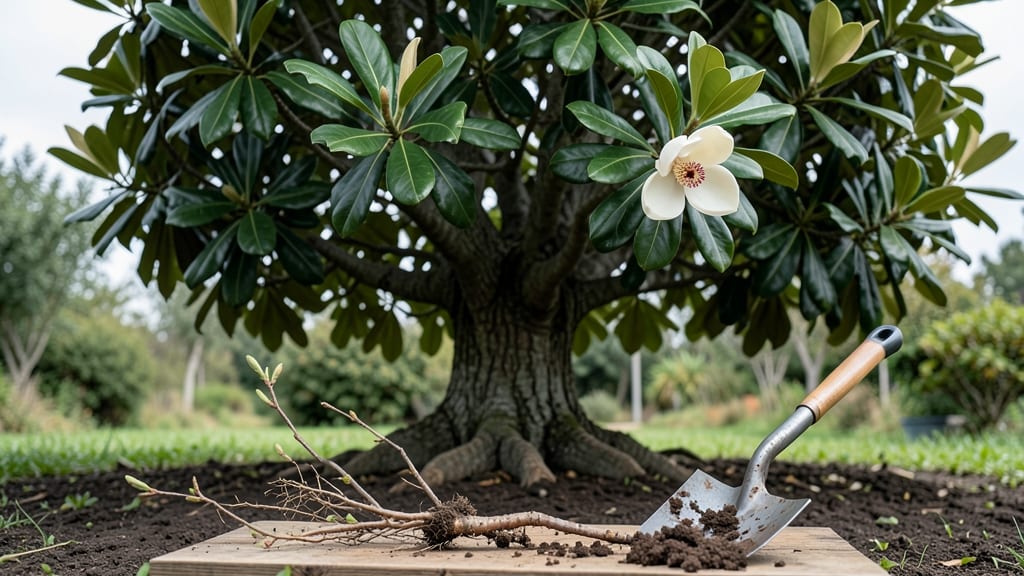
Planting a pet memorial tree turns grief into growth—literally. 🌳 The right tree becomes a living tribute that grows stronger with each passing year, its leaves whispering memories as the seasons change.
I chose a weeping willow for my dog after realizing how its graceful branches mirrored his playful spirit, and now it's become our quietest conversation piece.
The perfect tree balances beauty with meaning—fast-growing varieties like cherry blossoms offer quick comfort, while long-lived oaks or dogwoods promise decades of reflection. Consider placement too: a sunny spot where you'll sit often, or a shady corner where the breeze carries pet memories.
Pair it with lavender for fragrance or wildflowers to attract butterflies, creating a space that feels alive with love.
What you'll create is more than a garden feature—it's a sanctuary where every visit becomes a moment of peace. The tree's growth marks time in a way words can't, and the surrounding plants soften the space with color and movement.
Start small with just the tree, then layer in companions as your connection to the space deepens over time.
This isn't just about planting—it's about creating a legacy that grows with you. Whether you choose a flowering crabapple for vibrant color or a sturdy maple for enduring strength, the tree will become a quiet witness to the love you shared.
The right species, thoughtful placement, and personal touches make all the difference in turning an empty space into a place of healing.
📚 In This Guide
- What you need
- Instructions
- Tips and common mistakes
- Wrapping up and next steps
What you need
- ● Tree or Plant: A young sapling (3–6 feet tall) or a small potted tree (e.g., dogwood, maple, or cherry blossom for symbolic beauty).
- ○ Optional: Pre-planted memorial trees or engraved wooden plaques from specialty nurseries.
- ● Soil & Fertilizer: High-quality potting soil (5–10 gallons, depending on pot size).
- ● Slow-release fertilizer (1–2 lbs for young trees).
- ● Decorative Elements: Personalized plaque or engraved stone (e.g., granite or slate, 6"x6" or larger).
- ● Waterproof sealant (for outdoor plaques).
- ○ Optional: Paint, stencils, or non-toxic markers for custom designs.
- ● Planting Tools: Trowel or small shovel.
- ● Garden gloves (1 pair).
- ● Measuring tape (for spacing).
- ● Safety & Extras: Watering can or hose (with gentle spray nozzle).
- ● Mulch (2–3 inches, organic or decorative).
- ○ Optional: Solar-powered garden lights or wind chimes for ambiance.
- ● Location Prep: Sunlight assessment (6+ hours/day for most trees).
- ● Drainage check (avoid low-lying areas).
Step-by-step instructions for planting a pet memorial tree
Here's how to create a meaningful tribute that honors your pet's memory while bringing life to your garden.
🌱 Step 1: Choose a Tree With Meaningful Symbolism
Select a tree species that reflects your pet's personality or your relationship with them. A sturdy oak might symbolize strength, while a delicate cherry blossom could represent fleeting beauty. I always opt for native species—they thrive in local climates and support local wildlife, making the tribute even more meaningful.
Consider the tree's mature size too. A 10-foot maple fits well in suburban yards, while a 20-foot pine needs space for its branches to spread. Visit a local nursery and ask to see the tree planted in its container—this gives you a real sense of its scale. If your pet loved water, a willow tree with its graceful, weeping branches could be perfect.
🪴 Step 2: Select the Planting Location With Care
Find a spot that feels special to you—perhaps where your pet loved to play or where you shared quiet moments together. The site should receive the right amount of sunlight for your chosen tree. Most memorial trees need at least 6 hours of sunlight daily, but check your species' needs—some shade-tolerant varieties like dogwoods do well in partial shade.
Ensure the area has enough space for the tree's mature size. Measure at least 10 feet away from structures like houses or fences, and 15-20 feet away from sidewalks or driveways. Dig a hole twice as wide as the tree's root ball but no deeper—this encourages roots to spread outward rather than settling in a deep, confined space.
☀️ Step 3: Plant the Tree With Intention
Gently remove the tree from its container and loosen any circling roots at the bottom with your fingers—this prevents roots from growing in a tight circle, which can strangle the tree over time. Place the tree in the hole so the top of the root ball sits 1-2 inches above ground level. This prevents water from pooling around the trunk and causing rot.
Backfill the hole with the native soil you removed, tamping down gently as you go to eliminate air pockets. Water deeply right after planting—about 10 gallons for a small tree—to help settle the soil around the roots. Create a 2-3 inch deep watering basin around the tree to direct water where it's needed most. Mulch with 2-3 inches of organic mulch, keeping it 3-4 inches away from the trunk to prevent moisture buildup.
💧 Step 4: Establish Care Routines for Long-Term Growth
Water the tree deeply once a week for the first year, providing 10-15 gallons depending on the tree's size and your climate. You'll know it's getting enough water when the soil feels moist 6 inches below the surface—stick your finger in to check. Overwatering is just as harmful as underwatering, so avoid soggy soil.
Fertilize lightly in the first year—too much fertilizer can stress a young tree. Use a slow-release, balanced fertilizer (like 10-10-10) in early spring and again in early summer. Prune only to remove dead or broken branches in the first year. Avoid heavy pruning, which can stress the tree. As the tree grows, you can shape it gently, but always use clean, sharp pruners to make smooth cuts just above a leaf node.
⏰ Step 5: Create a Personal Touch to Honor Your Pet
Add a small plaque or engraved stone near the tree with your pet's name and a short message or date. I like to include a handwritten note with the tree's planting date and a few words about my pet's spirit. Plant a few wildflowers or ground cover around the base to create a natural, inviting space—this adds beauty and supports pollinators.
Consider adding a bench or a small garden feature nearby where you can sit and reflect. Over time, the tree will grow into a living monument, its leaves rustling with memories of your pet. Visit it regularly to water, prune, and simply enjoy the connection. This isn't just a tree—it's a tribute that will grow and thrive alongside your love for your pet.
Tips & tricks for perfect pet memorial tree planting
Creating a meaningful tribute takes thoughtful preparation—here's how to ensure your memorial tree grows into a lasting symbol of love.
Symbolism Selection: Consider your pet's personality when choosing a tree species. A 10-foot maple symbolizes endurance, while a 20-foot pine represents strength and longevity. For a more delicate touch, cherry blossoms represent fleeting beauty—perfect for pets with short lives. Native species are ideal as they support local ecosystems and require less maintenance once established.
Location Wisdom: The planting spot should receive at least 6 hours of sunlight daily, but check your specific tree's needs—some shade-tolerant varieties like dogwoods thrive with partial shade. I always mark the mature size of the tree on the ground before digging to ensure proper spacing. For a 10-foot maple, maintain 10 feet from structures, while a 20-foot pine needs 15-20 feet clearance to prevent root conflicts later.
Planting Precision: When placing your tree, position the root ball so its top sits 1-2 inches above ground level—this prevents water pooling around the trunk. After backfilling, create a 2-3 inch deep watering basin to direct moisture to the roots. Use organic mulch, but keep it 3-4 inches away from the trunk to avoid moisture buildup that can cause rot. This simple step makes all the difference in early root establishment.
Long-Term Care: In the first year, water deeply once a week—10-15 gallons depending on tree size—until the soil feels moist 6 inches below the surface. Avoid soggy soil, which can suffocate roots. For fertilizer, stick to a slow-release, balanced 10-10-10 formula applied lightly in early spring and summer. Over-fertilizing stresses young trees, so less is more during this critical growth phase.
Pro Tips for Pet Memorial Tree
- Creating a meaningful tribute takes thoughtful preparation—here's how to ensure your memorial tree grows into a lasting symbol of love.
- Symbolism Selection: Consider your pet's personality when choosing a tree species.
- Location Wisdom: The planting spot should receive at least 6 hours of sunlight daily, but check your specific tree's needs—some shade-tolerant varieties like dogwoods thrive with partial shade.
Frequently asked questions
What’s the best type of tree to plant as a pet memorial?
A fast-growing, symbolic tree like a dogwood, cherry blossom, or weeping willow works beautifully. Choose native species for easier maintenance and ecological benefits. Avoid invasive plants—opt for hardy, low-maintenance options that thrive in your climate. If your pet loved flowers, consider a memorial rose bush instead!
How long does it take for a pet memorial tree to grow?
Growth varies by species, but most memorial trees take 1–3 years to reach maturity. Dwarf varieties (like ornamental cherries) may grow faster, while larger trees (like maples) take decades. Regular watering and care speed up growth—think of it as a living tribute that evolves over time, just like your memories.
Can I plant a memorial tree anywhere on my property?
Yes, but consider sunlight, soil, and space. Avoid planting near power lines, septic systems, or structures. A visible spot—like a garden, yard edge, or near a favorite walking path—makes it easier to visit and honor your pet. Check local regulations if planting near streets or public areas.
What if I don’t have outdoor space? Are there alternatives?
Plant a memorial tree in a community garden, park, or wildlife preserve with permission. Urban dwellers can try bonsai trees (miniature memorials) or donate to tree-planting organizations in your pet’s name. Even a potted herb or flower with a plaque works as a meaningful indoor tribute.
How do I care for a pet memorial tree long-term?
Start with regular watering (deep but infrequent) and mulch to retain moisture. Prune dead branches annually, and fertilize in spring. Watch for pests—aphids or fungal issues are common. A healthy tree honors your pet’s legacy; treat it like the living monument it is!
Wrapping up and next steps
A pet memorial tree isn’t just a plant—it’s a living testament to love, healing, and the enduring bond between you and your beloved companion. 🌱 Whether you choose a fast-growing sapling, a fragrant herb, or a hardy native species, every step honors their memory while nurturing nature.
Let this act of care become a source of comfort and connection.
Ready to plant your tribute? Start small: research local species, gather your tools, and pick a meaningful spot. Then, watch as your memorial grows—rooted in love and hope. 💚