Blooming
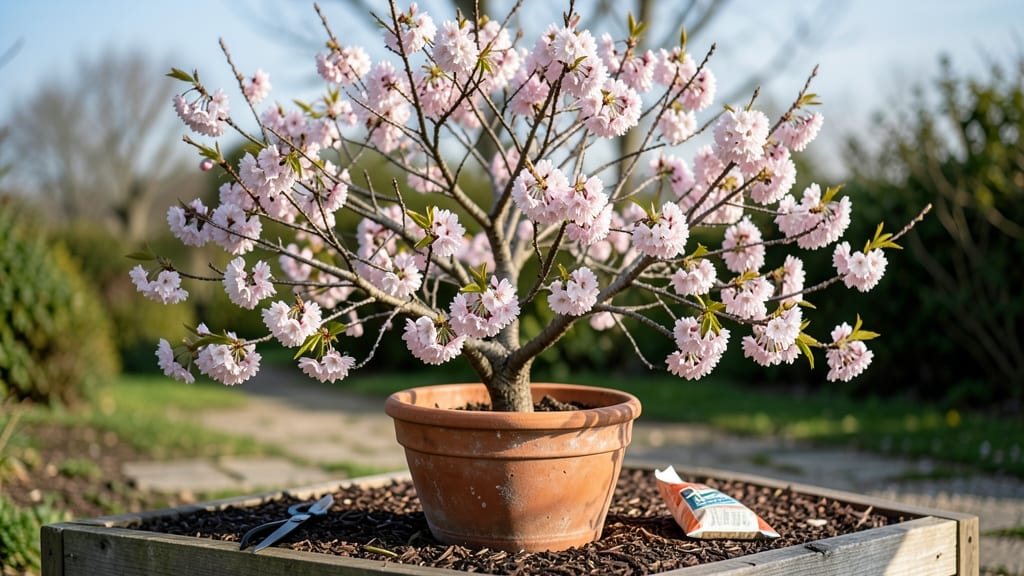
Growing a cherry blossom tree in the USA means waking up to pink clouds every spring—and it’s simpler than you think. 🌸 I planted mine in my front yard five years ago, and now neighbors stop to take photos during peak bloom.
The secret isn’t just picking the right variety (like the cold-hardy ‘Kwanzan’ or drought-tolerant ‘Autumn Royal’), but understanding how to shape it for year-round interest, not just fleeting flowers.
The first step is matching your tree to your climate: Zone 5 gardeners need ‘Stella Compact’ (disease-resistant), while Zone 8’s can try ‘Shirofugen’ for its burgundy foliage. All need full sun—at least 6 hours daily—and well-draining soil, or you’ll fight root rot before the blossoms even appear.
Once planted, water deeply twice a week for the first year to establish roots, then taper off as the tree matures.
Here’s where the magic happens: those 4 simple pruning tips I’ve perfected. Prune in late winter to remove crossing branches, shape the canopy, and encourage strong growth—never during bloom season, or you’ll sacrifice next year’s flowers.
Thin out crowded branches to improve airflow, which cuts back on pests like borers. With consistent care, your tree will reward you with vibrant blooms for 3-5 weeks and stunning fall foliage that lasts until frost.
Perfect for urban gardens, college campuses, or suburban yards—just pick a spot where its mature height (20-40 feet) won’t cause power line drama. The payoff? A tree that turns heads in spring, provides shade in summer, and keeps your landscape stunning all year. Let’s get yours growing strong!
📚 In This Guide
- What you need
- Instructions
- Tips and common mistakes
- Wrapping up and next steps
What you need
- ● Cherry blossom tree: Choose between Prunus serrulata (Japanese cherry) or Prunus avium (autumn-blooming). Buy a 2–3 gallon container sapling (for young trees) or a bare-root tree (for dormant planting in fall/winter).
- ● Planting hole: Dig a hole 2–3 times wider than the root ball and as deep as the container.
- ● High-quality planting soil: Mix 1 part native soil with 1 part compost (or use a 50/50 blend of garden soil and peat moss for poor drainage areas).
- ● Mulch: 3–4 inches of organic mulch (wood chips, bark, or straw) to retain moisture and regulate soil temperature.
- ● Fertilizer: Balanced 10-10-10 granular fertilizer (apply ½ cup per year of the tree’s age, up to 1 cup max).
- ● Shovel & spade (for digging).
- ● Garden trowel (for breaking up soil clumps).
- ● Pruning shears (sharp, bypass-style for clean cuts).
- ● Watering can or hose (with a gentle spray nozzle).
- ● Gloves & knee pads (because comfort matters!).
- ● Tree stake & ties (if planting in windy areas).
- ● Soil pH test kit (cherry blossoms prefer slightly acidic soil, pH 5.0–6.5).
- ● Drip irrigation system (for consistent moisture in dry climates).
- ● Fungicide (copper-based) (prevents black knot or powdery mildew).
- ● Bird netting (to protect blossoms from hungry critters!).
Step-by-step instructions for planting and pruning cherry blossom trees
Here's how I keep these iconic trees thriving with minimal fuss—just four key moves each season.
🌱 Step 1: Plant in the Right Spot With Proper Soil Prep
Cherry blossoms need full sun—at least 6 hours daily—and room to grow. I dig a hole twice as wide as the root ball but only as deep as the container's base. The reason? Too-deep planting suffocates roots and invites rot.
Amend the native soil with 3 inches of compost mixed into the bottom of the hole. This improves drainage and gives roots a nutrient boost right away. Water the hole thoroughly before planting to settle the soil and eliminate air pockets.
☀️ Step 2: Prune Newly Planted Trees for Strong Structure
After planting, remove any broken or crossing branches with clean, sharp pruners. I cut just above a bud that faces outward—this encourages growth away from the center. The goal is an open vase shape that lets light and air circulate.
Wait 3-4 weeks before any major pruning. Newly planted trees need time to establish roots. If you prune too soon, you stress the tree when it's already vulnerable. Watch for new leaf growth as your signal that the tree is settling in.
✂️ Step 3: Annual Late-Winter Pruning for Best Blooms
This is the most important step—prune just as buds swell in late winter (around February-March in most U.S. zones). Remove dead, diseased, or weak wood first. Then cut back last year's bloom stems by ⅓ to encourage stronger growth.
I thin out crowded branches to improve airflow—this prevents fungal diseases like powdery mildew. Never prune after blooms appear; you'll sacrifice next year's flowers. A 10% reduction in overall canopy is ideal for mature trees.
🌿 Step 4: Light Summer Maintenance to Keep Trees Healthy
After blooming, remove spent flowers to redirect energy into next year's buds. I also check for suckers (shoots at the base) and remove them immediately. These compete with the main tree for nutrients and weaken growth.
Water deeply once a week during dry spells, aiming for 1-2 inches of moisture. Mature trees develop deep roots, but young ones need consistent moisture. Mulch with 2-3 inches of organic mulch (like shredded bark) to retain moisture and regulate soil temperature.
Tips & tricks for perfect cherry blossom tree care
These simple but game-changing strategies will help your cherry blossom thrive with minimal effort—just like the pros do.
Sunlight Strategy: While the instructions call for at least 6 hours of daily sun, I've found that positioning your tree where it gets morning sun and afternoon shade (especially in hot climates) actually extends bloom life. The key is avoiding the harsh afternoon heat that can stress the tree. Look for areas where the tree gets dappled light—this mimics their natural forest-edge habitat.
Pruning Timing Secret: The 3-4 week waiting period after planting might feel long, but trust me on this—it's worth it. During this time, focus on watering deeply once a week (1-2 inches of moisture) to encourage root establishment. You'll know you're ready to prune when you see new leaf growth, which signals the tree has started photosynthesizing properly and can handle the stress of pruning.
Late-Winter Pruning Pro Tip: When you're cutting back last year's bloom stems by ⅓ in Step 3, make your cuts just above a bud that faces outward and is at a 45-degree angle. This creates a larger surface area for water absorption and directs growth away from the center. I also like to sterilize my pruners with rubbing alcohol between cuts to prevent spreading any potential diseases hiding in the tree.
Mulching Mastery: That 2-3 inches of organic mulch isn't just for looks—it's a game-changer for moisture retention and temperature regulation. I use shredded hardwood bark because it breaks down slowly, providing nutrients over time. Just keep the mulch 2-3 inches away from the trunk to prevent rot. In winter, add an extra inch of mulch to insulate roots from freezing temperatures.
Pro Tips for Cherry Blossom Tree Usa
- These simple but game-changing strategies will help your cherry blossom thrive with minimal effort—just like the pros do.
- The key is avoiding the harsh afternoon heat that can stress the tree.
- Pruning Timing Secret: The 3-4 week waiting period after planting might feel long, but trust me on this—it's worth it.
Frequently asked questions
Got questions about growing cherry blossom trees in the USA? You’re not alone! Here are answers to the most common concerns—from timing to troubleshooting—to help your tree thrive with minimal stress.
When is the best time to plant a cherry blossom tree in the U.S.?
Plant your tree in early spring or fall (3–4 weeks before the first frost) for optimal root establishment. Avoid extreme heat or cold—spring lets roots grow before summer stress, while fall gives them time to settle before winter. Pro tip: Water deeply after planting to reduce transplant shock!
How long does it take for a cherry blossom tree to bloom?
Most cherry blossoms (like Prunus serrulata) take 3–5 years to bloom after planting, depending on variety and care. Dwarf cultivars may flower sooner (2–3 years), while standard trees can take up to a decade. Patience pays off—healthy soil, sunlight, and pruning speed up the process!
Can cherry blossom trees survive cold U.S. winters?
Yes! Hardy varieties like ‘Kwanzan’ or ‘Autumnalis’ tolerate zones 5–8. For colder climates (zones 3–4), choose Prunus avium (sour cherry) or mulch heavily to protect roots. Young trees benefit from burlap wraps in harsh winters.
What if my cherry blossom tree isn’t blooming? Troubleshooting tips
- Age: Young trees (under 3 years) may not bloom yet—give them time!
- Sunlight: Ensure 6+ hours of direct sun daily; shade reduces flowering.
- Pruning: Over-pruning or cutting in late winter can delay blooms. Prune after flowering.
- Nutrients: Test soil for low phosphorus (key for blooms) and amend with bone meal.
- Pests/Disease: Check for aphids or bacterial canker—treat promptly.
Are there low-maintenance alternatives to traditional cherry blossoms?
If you want easy-care blooms, consider:
- Yoshino cherry (disease-resistant, fast-growing)
- Japanese tree lilac (fragrant, drought-tolerant)
- Crabapple trees (hardy, minimal pruning needed)
Wrapping up and next steps
Growing a cherry blossom tree in the USA is a rewarding journey that brings fleeting beauty and lasting joy to your landscape. With the right location, care, and pruning techniques, you’ll enjoy stunning blooms year after year—whether you’re a seasoned gardener or just starting out. 🌸
Ready to transform your outdoor space? Start by selecting the perfect spot—sunny, well-drained, and spacious—and follow the pruning tips shared here to keep your tree thriving. Now’s the time to roll up your sleeves and plant that dream tree! 🌱