
Propagation
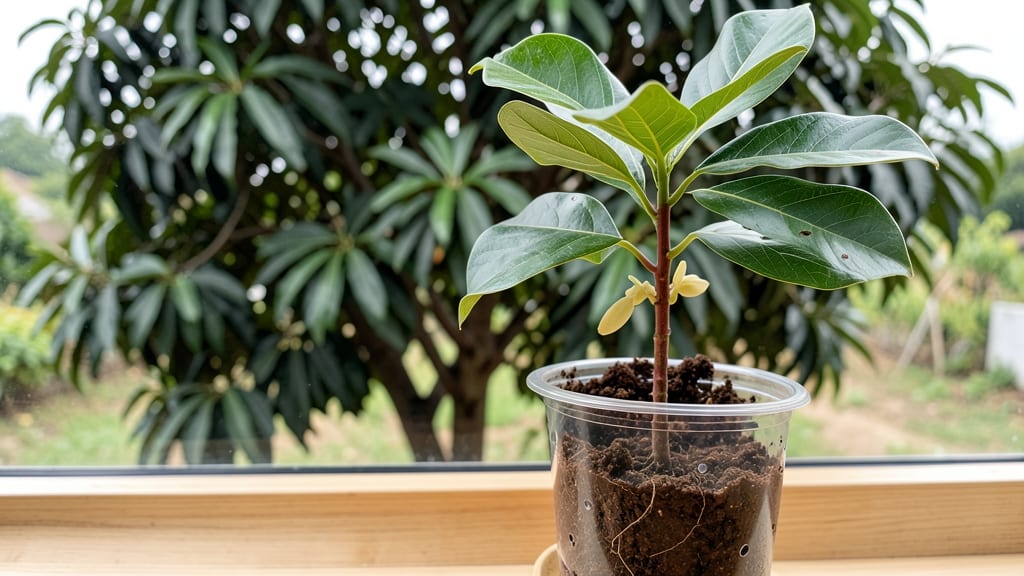
To plant a mango tree from seed, start with the pit from your favorite fruit—because patience pays off with a tropical surprise. 🌱 The process takes 6 months just to get that first sprout, but once it begins, you're on your way to a plant that could bear fruit in 5-10 years.
I've tried this three times, and the third attempt finally broke through with the right soil warmth and moisture balance.
The secret isn't complicated: you need a warm spot (75-85°F), a slightly damp paper towel to keep the seed hydrated, and a container with well-draining soil. Most people rush the germination phase, but mango seeds need consistent warmth—like a sunny windowsill or a heat mat—to wake up.
Once sprouted, it grows slowly at first, so don’t expect rapid progress.
By month 6, you’ll have a sturdy seedling with real leaves, ready to transplant into a larger pot. The first year focuses on root development and strong stems, not fruit—so resist the urge to harvest anything.
With proper care, your tree could reach 6-10 feet tall by year 3, though it’ll need winter protection if you’re not in a tropical zone.
Here’s the kicker: even if your tree never fruits, the journey teaches you patience and the joy of nurturing something from a single seed. For those in cooler climates, bring it indoors during winter and watch it thrive year after year. Let’s get that pit sprouting!
📚 In This Guide
- What you need
- Instructions
- Tips and common mistakes
- Wrapping up and next steps
What you need
Ready to grow your own mango tree from seed? Here’s everything you’ll need to kickstart your tropical adventure! Gather these essential materials and optional extras to ensure a smooth and successful germination process.
🌱 Required Materials & Tools
- Fresh mango seed – One ripe, organic mango (preferably a variety like Alphonso, Kent, or Haden).
- Paper towel or damp cloth – For pre-germination soaking (1-2 sheets or a small towel).
- Small plastic bag or container – With a zip-top to hold the seed while it germinates (e.g., a gallon-sized bag).
- Potting mix – A well-draining, seed-starting mix (e.g., coco coir or peat-based mix with perlite, ~2 cups).
- Small pots or seed trays – 3-4 inch pots or a seed tray with drainage holes (2-4 pots).
- Spray bottle – For gentle watering (avoid over-saturating).
- Clear plastic wrap or dome – To create a mini greenhouse effect (optional but helpful).
- Sunlight or grow lights – A warm, bright spot (60-80°F) for germination (south-facing window or artificial light).
- Fertilizer (optional but recommended) – A balanced, water-soluble fertilizer (e.g., 10-10-10) diluted to half-strength for seedlings.
🌿 Optional (But Helpful!) Extras
- Seedling heat mat – Speeds up germination if your space is cool (70-85°F ideal).
- Humidity dome or cloche – Keeps moisture levels high during early growth.
- pH testing kit – Ensures your soil is slightly acidic (pH 6.0-6.5).
- Epsom salt – A pinch (1 tsp per gallon of water) can boost magnesium for healthy leaves.
- Mulch (e.g., straw or bark) – Helps retain moisture once transplanted outdoors.
- Pruning shears – For trimming leggy seedlings later.
Pro tip: 💡 Label your pots! Mango seeds can take 3-6 months to sprout—stay patient and keep track of your progress. If you’re in a cooler climate, consider starting indoors in late winter for a head start.
Step-by-step instructions for growing a mango tree from seed
Here's how to turn a mango pit into a thriving tropical tree—with patience and the right care.
🌱 Step 1: Extract and Prepare the Seed
Start with a fresh, ripe mango. Cut the fruit open and carefully remove the large, flat seed inside. Rinse it under cool water to remove any remaining fruit residue—this prevents mold and rot. The seed's outer shell is tough, but it needs to stay intact for germination. Place the seed on a paper towel and let it dry completely for 24 hours at room temperature. This step is crucial because damp seeds can develop harmful bacteria during storage.
Here's the thing—mango seeds need a warmth trigger to germinate. After drying, wrap the seed in a damp paper towel and place it inside a sealed plastic bag. Store the bag in a warm spot, like on top of your refrigerator or near a sunny window. Check it daily to ensure the towel stays moist but not soggy. You'll know it's ready when you see a tiny crack appear in the seed coat—this usually happens within 1-2 weeks. Don't rush this process; the seed needs time to soften and prepare for sprouting.
💧 Step 2: Plant the Germinated Seed in Soil
Once the seed cracks and a small root emerges, it's time to plant. Fill a 4-inch diameter pot with well-draining potting mix—avoid garden soil, as it can compact and suffocate young roots. Make a small hole in the center of the pot, about 1 inch deep, and gently place the seed with the cracked side facing downward. Cover it lightly with soil, pressing down just enough to secure it without compacting.
Water the soil until it's evenly moist but not waterlogged. A good rule of thumb is to water until you see moisture seep from the drainage hole at the bottom. Place the pot in a warm, bright location with indirect sunlight—direct sun can scorch the delicate seedling. Keep the soil consistently moist by watering every 2-3 days, but avoid overwatering. You'll notice the first true leaves appear within 4-6 weeks, signaling that the seedling is establishing itself.
☀️ Step 3: Transition to Larger Containers and Sunlight
When the seedling reaches 6 inches tall and has developed 3-4 true leaves, it's time to repot it into a slightly larger container—6 inches in diameter. Use the same well-draining potting mix and gently remove the seedling from its current pot, being careful not to damage the roots. Place it in the new container, fill in around the roots with soil, and water thoroughly. This step encourages stronger root growth and prepares the plant for more sunlight.
After repotting, gradually introduce the seedling to direct sunlight over the course of 1-2 weeks. Start by placing it in a spot with morning sun and afternoon shade, then slowly increase the exposure. Mango trees love warmth and need at least 6 hours of sunlight daily to thrive. You'll see new leaves emerge with a glossy, dark green color—this is a sign the plant is adapting well. If the leaves start to yellow or drop, it's a sign of too much sun or water stress. Adjust the light exposure or watering schedule accordingly.
🌿 Step 4: Maintain Growth and Prepare for Outdoor Transplanting
Continue growing your mango tree indoors for 6-12 months, gradually increasing the pot size as it outgrows its container. Aim for a 12-inch diameter pot by the time the tree reaches 2-3 feet tall. During this phase, fertilize the plant every 2 months with a balanced, water-soluble fertilizer diluted to half strength. This ensures steady growth without overwhelming the young roots. Prune any yellow or damaged leaves to redirect the plant's energy toward healthy growth.
Once your mango tree has outgrown its indoor space and the weather in your area stays consistently above 50°F, it's time to transplant it outdoors. Choose a location with full sun exposure and well-draining soil. Dig a hole twice as wide as the pot but no deeper, place the tree in the hole, and backfill with soil. Water deeply to help the roots settle into their new home. Mulch around the base with 2-3 inches of organic mulch to retain moisture and regulate soil temperature. This step is critical for the tree's long-term health and fruit production.
Tips & tricks for perfect mango tree germination
A few simple tricks will help you turn that mango pit into a thriving tropical tree with fewer hiccups along the way.
Warmth is Everything: The 24-hour drying period isn't just about preventing mold—it's about preparing the seed for germination. I've found that placing the wrapped seed on top of your fridge (not inside) provides the perfect warm, humid environment without overheating. If your home stays below 70°F, consider using a seedling heat mat set to low—this can cut the 1-2 week germination time by about 30%. Just don't let the towel get soggy, or you'll risk rot instead of roots.
Soil Selection Matters: When planting that cracked seed in your 4-inch pot, don't skimp on drainage. I've had the best success with a mix that's 60% potting soil, 30% perlite, and 10% coconut coir—this prevents the delicate roots from sitting in water. The 1-inch depth planting is critical too; planting too deep can smother the emerging sprout while too shallow means the seed might dry out before it's ready. Tap the soil gently around the seed to eliminate air pockets without compacting it.
Light Transition Strategy: That gradual 1-2 week move to direct sunlight is where most seedlings fail. Start with just 1-2 hours of morning sun while keeping the seedling in indirect light the rest of the day. Watch for leaves that look slightly curled at the edges—that's your plant's way of saying "too much sun, slow me down." If you notice this, move it back to indirect light for a day or two before trying more sun exposure. The goal is to get those leaves to that glossy, dark green stage without burning them.
Patience Pays Off: The 6-12 month indoor phase might seem long, but rushing it leads to weak trees. I've seen people try to transplant too soon, and their mango trees just... give up. Wait until you see strong, dark green leaves with visible veins before considering outdoor transplanting. And that 50°F minimum temperature? It's not just about frost—mango trees are tropical and need consistent warmth to establish their root systems properly. If you're in a cooler climate, wait until late spring when nighttime temps stay above 55°F.
Pro Tips for Plant Mango Tree From Seed
- A few simple tricks will help you turn that mango pit into a thriving tropical tree with fewer hiccups along the way.
- Warmth is Everything: The 24-hour drying period isn't just about preventing mold—it's about preparing the seed for ge...
- Soil Selection Matters: When planting that cracked seed in your 4-inch pot, don't skimp on drainage. I've had the bes...
Frequently asked questions
about growing a mango tree from seed—because every gardener has questions! Here are answers to the most common ones to set you up for success.How long does it take for a mango seed to germinate?
A mango seed typically takes 4 to 8 weeks to germinate indoors, depending on warmth and moisture. Keep the soil consistently damp (not soggy) and maintain temperatures between 70–85°F (21–29°C). Patience is key—some seeds may take longer, especially if stored for months.
Can I plant a mango seed directly in the ground?
While possible in warm climates (USDA Zones 10–11), direct outdoor planting is risky. Young seedlings are fragile and may not survive frost or poor soil. Start indoors for 6–8 months to harden off the plant before transplanting. If you must plant outside, choose a sheltered spot and use mulch for insulation.
Will my mango tree from seed bear fruit?
Probably not for many years—if ever! Seed-grown mangoes are not true to the parent tree and may produce small, inferior fruit (or none at all). For reliable fruit, graft a known variety onto your seedling. Even then, it takes 3–5 years before a tree bears fruit.
Why did my mango seed rot instead of sprouting?
Overwatering or poor drainage are the top culprits. Mango seeds need moisture but not soggy conditions. Ensure your pot has drainage holes and use a well-draining mix (like perlite + coconut coir). If the seed feels mushy or smells foul, it’s rotting—start fresh with a new seed!
What’s the best time of year to plant a mango seed?
Anytime indoors works, but spring (March–May) is ideal for outdoor planting. Start seeds in warmth (70°F+) 4–6 weeks before your last frost. If you’re in a tropical zone, plant seeds outdoors year-round, but avoid heavy rains, which can wash them away.
Pro Tip:
Label your seedling! Mango trees from seeds can look identical, but grafted varieties need special care. Use a plant marker to track progress and avoid confusion later.
Wrapping up and next steps
Growing a mango tree from seed is a rewarding journey filled with tropical promise! 🌱 With patience, the right techniques, and a little care, you can nurture a seed into a thriving plant—and maybe even fruit in a few years. Your next step? Start with that seed today, and watch your green thumb grow stronger with every watering.
- Pro tip: Keep a growth journal to track milestones—it’s the best way to stay motivated!
- Ready to plant? Grab your supplies and begin your mango adventure now!