
Trees
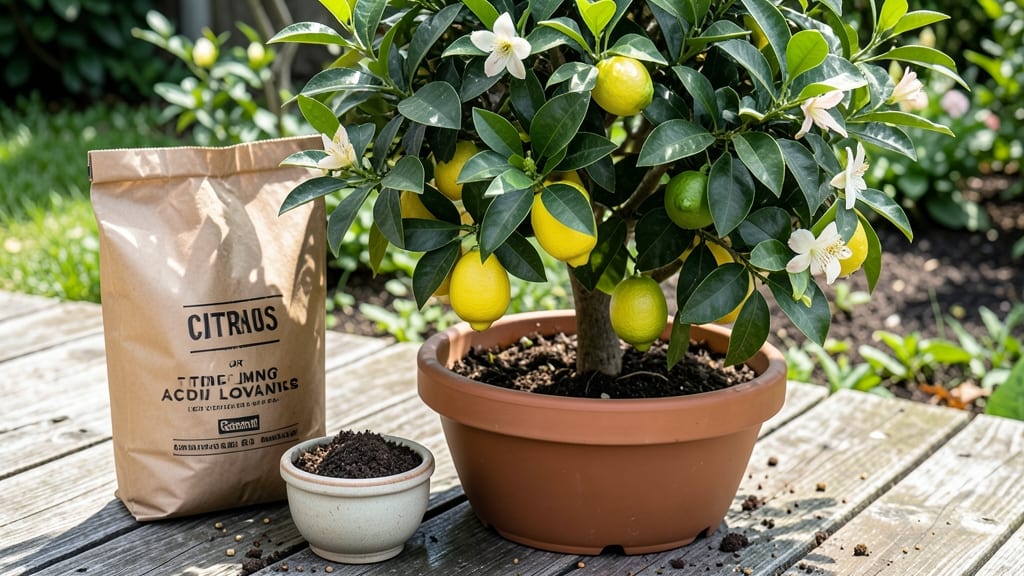
Your citrus trees deserve a potting soil mix that drains like a desert riverbed—not a swamp. 🌱 After years of watching lemon and lime trees struggle in soggy blends, I perfected a mix that keeps roots oxygenated while holding just enough moisture.
The secret lies in the ratio: 70% inorganic (like perlite or pumice) to 30% organic (compost or coconut coir), with a pinch of sand for grit.
Most pre-mixed soils are too dense, causing root rot before your tree even sets fruit. My blend uses equal parts peat moss, perlite, and composted bark, amended with a handful of horticultural sand per cubic foot.
The result? A crumbly, airy medium that mimics the well-drained Mediterranean soils citrus trees crave in nature. You’ll see new growth within 4-6 weeks if the mix is right.
What you’ll end up with is a tree that thrives—not just survives. Leaves stay glossy and vibrant, and the roots grow outward instead of suffocating. The best part?
This mix works for dwarf Meyer lemons, full-sized oranges, and even calamondins in containers. Just avoid garden soil (it compacts) and peat-heavy mixes (they hold too much water).
For container citrus, refresh the top 2 inches of soil every 3-4 months to replenish nutrients. If your tree’s leaves yellow or drop, it’s a sign the mix is too dense—fluff it with extra perlite.
The payoff? Trees that fruit 2-3 times a year instead of struggling through one weak flush. Let’s get your citrus growing like it’s on vacation in Florida.
📚 In This Guide
- What you need
- Instructions
- Tips and common mistakes
- Wrapping up and next steps
What you need
- ● 50% Potting Soil: A high-quality, well-draining peat-free or coconut coir-based mix (e.g., Miracle-Gro Potting Mix or FoxFarm Ocean Forest). Use 1 part per 2 parts of the total mix.
- ● 25% Perlite or Pumice: Adds aeration and prevents compaction. Aim for 1 part per 4 parts of the total mix (e.g., 1 cup perlite per 4 cups soil).
- ● 25% Coarse Sand or Grit: Enhances drainage. Use 1 part per 4 parts of the total mix (e.g., builder’s sand or horticultural grit). ⚠️ Avoid fine sand—it clumps!
- ○ Optional Slow-Release Fertilizer: A citrus-specific blend (e.g., Osmocote Smart-Release Citrus) for a nutrient boost. Mix in 1–2 tbsp per gallon of soil.
- ● A large container or wheelbarrow for mixing (at least 5 gallons for small pots, more for larger trees).
- ● A sturdy trowel or garden shovel for blending ingredients evenly.
- ● A measuring cup or scale for precise ratios (especially for sand/perlite).
- ○ A pH testing kit (optional but helpful—citrus thrives in slightly acidic soil, pH 6.0–7.0).
- ● A pot with drainage holes (at least 12–18 inches deep for dwarf citrus, larger for standard trees).
How to create a fast-draining potting mix for citrus trees
Citrus thrive when their roots stay aerated and never soggy—here’s how to mix a blend that delivers.
🌱 Step 1: Combine the Base Components
Start with 2 parts peat moss or coconut coir—this provides moisture retention without compacting. Add 1 part perlite or pumice to create air pockets; this prevents root rot, which citrus hate. Mix these thoroughly in a wheelbarrow or large container until the texture feels light and crumbly, like a dry cake batter.
Here’s the thing—citrus roots need oxygen as much as water. If your mix feels dense when squeezed, add another ½ part perlite. You’ll know it’s right when a handful crumbles easily between your fingers.
🌿 Step 2: Add Organic Matter for Nutrients
Incorporate 1 part compost or well-aged manure to feed the roots gradually. Citrus are heavy feeders, but too much fresh compost can burn tender roots. Sift the compost to remove large chunks—you want a fine, homogeneous texture. Mix it in until the blend looks uniformly dark with flecks of perlite.
I like to add a handful of bark fines or orchid bark (about ½ part) for extra drainage. This mimics the sandy, well-draining soil citrus grow in naturally. The bark also helps retain moisture without suffocating roots.
✂️ Step 3: Adjust for Drainage and pH
Citrus prefer slightly acidic soil, around pH 6.0–7.0. If your tap water is alkaline, mix in 1 tablespoon of elemental sulfur per gallon of mix to lower the pH slightly. For every 4 gallons of blend, use 1 tablespoon of sulfur—this is enough to create the ideal environment without over-acidifying.
Test the drainage by filling a container with your mix, then pouring water until it’s saturated. It should drain completely within 10–15 minutes. If water pools at the bottom, add more perlite. If it drains too fast (like sand), blend in another ½ part peat moss or coconut coir to slow it down.
🪴 Step 4: Sterilize and Store for Use
To kill any pathogens, spread the mix in a thin layer on a baking sheet and bake at 200°F for 30 minutes. This step is non-negotiable—citrus are susceptible to fungal diseases, and sterilization prevents issues before they start. Let the mix cool completely before using.
Store the finished blend in a sealed container or plastic bag for up to 3 months. Label it clearly—citrus mixes don’t last as long as general potting soil because the organic matter breaks down faster. When repotting, use the entire bag to ensure consistency in drainage and nutrients.
Tips & tricks for perfect citrus potting soil
Common pitfalls—and how to sidestep every one—when crafting the ideal citrus-friendly blend.
Texture Test: The 10–15 minute drainage test in Step 3 is non-negotiable for citrus health. Fill a container with your mix, add water until saturated, then time it. If water pools after 15 minutes, add another ½ part perlite—this prevents the dreaded root rot that citrus trees fear most. Think of it like testing a sponge: it should wring out completely, not drip.
Sterilization Secret: That 200°F for 30 minutes in Step 4 isn't just about killing pathogens—it's also about activating the peat moss or coconut coir. The heat opens up the fibers for better moisture retention later. Spread your mix in a thin layer (about 1 inch deep) on the baking sheet, or you risk uneven heating. Pro tip: Use a fan to circulate air and speed up the process by 5 minutes.
Organic Matter Upgrade: For Step 2, if you're using well-aged manure, let it sit in the sun for a week before mixing—this pasteurizes it naturally. I've found that composted chicken manure works wonders for citrus, but avoid fresh horse or rabbit manure (too alkaline). For an extra boost, mix in a handful of worm castings—they're packed with beneficial microbes that citrus roots adore.
pH Precision: The 1 tablespoon of elemental sulfur per 4 gallons in Step 3 is your safety net for alkaline water. But here's what nobody tells you—test your tap water first! If it's already acidic (below pH 6.0), skip the sulfur entirely. You can test with a simple soil pH kit from your garden center, or use red cabbage juice (yes, really!) as a DIY indicator. The mix should smell fresh, not like sulfur fumes.
Pro Tips for Potting Soil For Citrus Trees
- Common pitfalls—and how to sidestep every one—when crafting the ideal citrus-friendly blend.
- Texture Test: The 10–15 minute drainage test in Step 3 is non-negotiable for citrus health.
- Sterilization Secret: That 200°F for 30 minutes in Step 4 isn't just about killing pathogens—it's also about activating the peat moss or coconut coir.
Frequently asked questions
Got questions about potting soil for citrus trees? You’re not alone! Here are answers to the most common concerns—so you can keep your citrus thriving with confidence.
What’s the best ratio for a DIY citrus potting mix?
A balanced mix typically includes 60% potting soil, 20% perlite or pumice (for aeration), and 20% coarse sand or orchid bark (for drainage). Adjust based on your citrus type—dwarf varieties need slightly finer texture, while robust trees like Meyer lemons thrive with extra grit. Pro tip: Add a handful of worm castings for nutrients!
How often should I repot my citrus tree?
Repot every 2–3 years or when roots circle the pot’s bottom (a sign of root-bound stress). Spring is ideal—citrus trees recover faster during active growth. Use a pot just 1–2 inches larger in diameter to avoid soggy soil. Warning: Over-potting delays fruiting!
Can I use regular garden soil for citrus in pots?
No! Garden soil compacts easily, trapping moisture and suffocating roots. Citrus needs a fast-draining, slightly acidic mix (pH 6.0–7.0). If you’re short on time, blend 50% potting soil + 50% coconut coir as a quick fix. Bonus: Avoid peat moss—it’s eco-unfriendly and holds too much water.
Why are my citrus leaves yellowing after repotting?
Yellowing leaves often signal overwatering, nutrient deficiency, or root shock. Check soil moisture—citrus prefers slightly dry soil between waterings. Fertilize lightly with a citrus-specific blend (high in nitrogen early, potassium later). If roots look mushy, trim damaged ones and repot with fresh mix.
Are there affordable alternatives to premium citrus mixes?
Skip pricey specialty blends and use:
- 60% potting soil (any good brand)
- 20% perlite (dollar stores sell it!)
- 20% coarse sand (from a hardware store)
Wrapping up and next steps
Choosing the right potting soil for citrus trees is the secret to their vibrant growth and bountiful harvests! 🌱 A well-draining, nutrient-rich blend—like the one we’ve explored—ensures your citrus thrives while preventing root rot.
With the right mix, you’re not just planting a tree; you’re nurturing a future full of zesty lemons, sweet oranges, and tangy limes.
Now that you’re armed with the knowledge, roll up your sleeves and get planting! Start by gathering your materials, follow the steps, and watch your citrus tree flourish. Happy gardening—your future fruit salad awaits! 🍊🍋