
Pruning
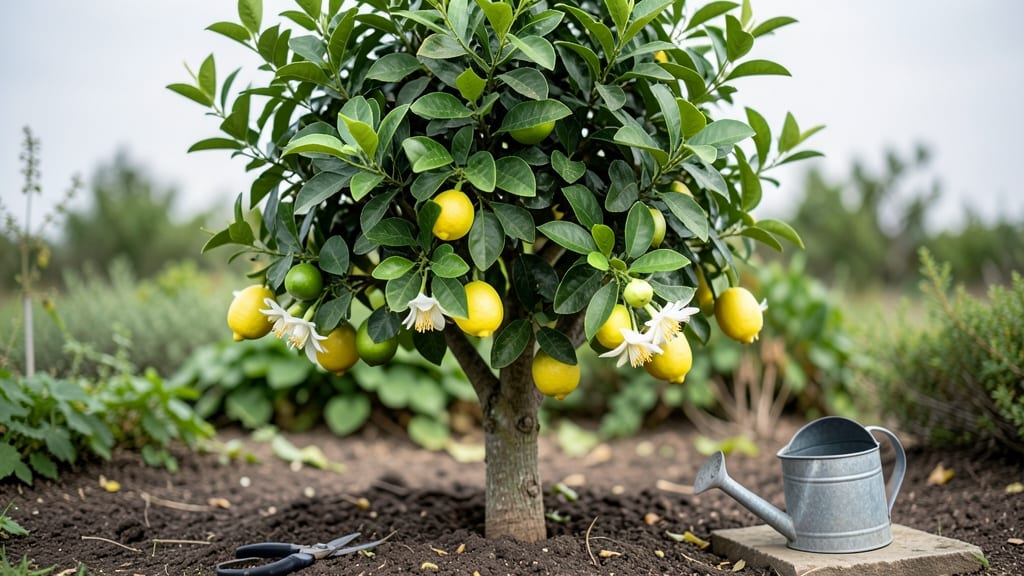
A lemon lime orange tree in your kitchen isn't just a dream—it's a fragrant, fruit-bearing reality with the right care.
I've grown mine from a tiny seedling to a productive dwarf tree that gives me fresh citrus year-round, and the secret starts with those three pruning cuts that make all the difference. The first time I saw actual fruit forming on my second-year tree, I knew I'd cracked the code.
Here's the deal: these trees thrive in USDA Zones 9-11, but dwarf varieties like 'Meyer' lemon or 'Calamondin' orange adapt beautifully to containers and even cooler climates with winter protection.
You'll need well-draining soil, 6+ hours of sunlight daily, and a watering routine that keeps soil moist but never soggy. The pruning? It's simpler than it looks—just focus on removing dead wood, shaping for airflow, and encouraging new growth where you want fruit to form.
By summer's end, you'll be harvesting bright, juicy fruit that tastes fresh off the tree—nothing beats the flavor or the satisfaction. The tree stays compact enough for patios or sunny windowsills, and with proper care, it produces harvests for a decade or more.
The best part? Those first few fruits arrive faster than you'd expect, especially when you nail the pruning timing in early spring.
Whether you're starting from seed or buying a sapling, the principles stay the same. We'll cover everything from soil prep to pest control, so you avoid the common pitfalls that turn citrus trees into leafy decorations instead of fruit producers.
Let's get your tree growing the right way from day one.
📚 In This Guide
- What you need
- Instructions
- Tips and common mistakes
- Wrapping up and next steps
What you need
- ● Citrus Tree: A Citrus × aurantium (lemon lime orange hybrid) sapling or mature tree (3–5 gallons pot for young trees, 15+ gallons for established ones).
- ● Well-Draining Soil: 50% potting mix, 30% perlite, 20% coarse sand (or pre-mixed citrus blend).
- ● Pot with Drainage Holes: Terracotta or fabric pots (12–18" diameter for young trees, 24"+ for mature ones).
- ● Fertilizer: Balanced citrus fertilizer (6-6-6 or 8-3-9 NPK ratio) + micronutrients (iron, zinc).
- ● Pruning Tools: Bypass pruners (for small branches, <1" thick).
- ● Loppers (for medium branches, 1–2" thick).
- ● Saw (for thick branches, >2" thick).
- ● Disinfectant (70% isopropyl alcohol or bleach solution).
- ● Mulch: Organic mulch (straw, bark chips) to retain moisture.
- ● Growth regulator (e.g., Paclobutrazol to control size).
- ● pH test kit (ideal range: 6.0–7.0).
- ● Humidity tray or pebble tray for dry climates.
- ● Tree support stakes (for young, top-heavy trees).
- ● Citrus-specific pest control (neem oil, horticultural oil).
How to prune a lemon lime orange tree for maximum fruit production
Citrus trees thrive when pruned strategically—here's how to shape yours for abundant harvests.
Identify the Three Key Pruning Zones
Start by examining your tree's structure. Focus on three critical areas: the central leader (main upward stem), scaffold branches (main horizontal limbs), and water sprouts (fast-growing vertical shoots). The central leader should remain dominant, while scaffold branches should form a V-shape to support fruit weight. Water sprouts, though vigorous, compete with fruit production and should be removed first.
Use sharp, clean pruning shears to make cuts just above outward-facing buds. This ensures new growth will follow the branch's natural outward direction, improving light penetration to the center. Avoid cutting into old wood—citrus trees heal poorly from deep wounds. If you're unsure which branches to remove, look for thin, spindly growth with no fruit potential.
Remove Water Sprouts and Dead Wood First
Water sprouts are the easiest cuts to make—they're the fast-growing, vertical shoots that appear between branches or along the trunk. These shoots divert energy from fruit production, so remove them entirely at their base. Use your pruners to cut cleanly at a 45-degree angle, about ¼ inch above a leaf node or outward-facing bud.
Next, inspect the tree for dead, diseased, or crossing branches. Dead wood is brittle and snaps easily when bent—remove it immediately. Crossing branches rub against each other, creating wounds that invite fungal infections. If two branches grow toward each other, remove the weaker of the two, cutting back to a healthy bud or lateral branch. This step prevents long-term structural damage and improves airflow.
Thin the Canopy for Light Penetration
The goal here is to create an open, airy canopy that allows sunlight to reach the inner branches. Start by thinning overcrowded areas, particularly where branches grow too close together. Aim to remove 20-30% of the foliage in dense sections, focusing on the outer edges of the tree first. This encourages light to penetrate deeper, where fruit develops.
Look for branches that grow inward—these shade the center and reduce fruit production. Cut these back to a lateral branch or bud that points outward. Avoid "lion-tailing," or cutting back to a bare stem, as this stresses the tree. Instead, make cuts just above a bud or small branch to promote new growth in the right direction. After thinning, step back and visualize sunlight streaming through the canopy—this is your target.
Shape the Tree for Balance and Fruit Load
Now, refine the tree's shape by pruning back overgrown scaffold branches to maintain balance. The ideal citrus tree has a rounded, vase-like shape with branches spaced 12-18 inches apart. If a scaffold branch grows too long or heavy with fruit, cut it back to a lateral branch or outward-facing bud to encourage bushier growth. This redistribution of energy leads to more fruit-bearing wood.
Pay special attention to the lower third of the tree. If branches grow too low, they can touch the ground, inviting disease. Remove these entirely and redirect energy to higher branches. After shaping, water the tree deeply to help it recover. You'll notice new growth emerging within 4-6 weeks, signaling the tree is responding well to the pruning.
Clean Up and Apply Protective Measures
After pruning, sterilize your tools with rubbing alcohol to prevent spreading disease. Collect all clippings and dispose of them in the trash—not the compost—since citrus prunings can harbor pests. Next, apply a copper fungicide spray to any open wounds to prevent infection. This step is critical, especially in humid climates where fungal diseases thrive.
Finally, spread a 2-3 inch layer of mulch around the base of the tree, keeping it 6 inches away from the trunk to prevent rot. Mulch retains moisture and regulates soil temperature, which is especially helpful during the tree's recovery period. Avoid over-mulching, as this can suffocate roots. Within 2-3 months, you should see stronger branches, better light exposure, and a noticeable increase in fruit production.
Tips & tricks for pruning lemon lime orange trees
Here's what nobody tells you about transforming your citrus tree into a fruit-bearing powerhouse—these are the secrets that separate a struggling tree from one loaded with harvests.
Tool Preparation: Before you even touch a branch, sterilize your pruning shears with rubbing alcohol. I've seen too many gardeners skip this step and end up with fungal infections spreading through their trees. A quick wipe between cuts prevents cross-contamination, especially when dealing with citrus which is particularly vulnerable to diseases like anthracnose. Keep a small bottle of alcohol in your toolkit for on-the-go sanitization during pruning sessions.
Seasonal Timing: The instructions mention pruning at the right time, but here's the real secret: late winter or early spring is ideal because the tree is just waking up from dormancy. This timing lets you see the tree's structure clearly while avoiding summer stress when the tree is already working hard to produce fruit. If you must prune during other seasons, do it on an overcast day to reduce stress on the tree.
Visual Pruning Cues: When thinning branches in Step 3, step back frequently to visualize the tree's shape. The goal is to create a "light tunnel" effect where sunlight can reach all parts of the canopy. Look for branches that create dense pockets of shade—these are your targets. You'll know you're doing it right when you can see the sky through the center of the tree from multiple angles. This open structure prevents disease by improving airflow while maximizing fruit production.
Recovery Care: After pruning, the tree needs proper recovery support. While the instructions mention watering deeply, here's what I've learned: citrus trees actually prefer slightly drier conditions after pruning. Water thoroughly immediately after pruning, then reduce to normal watering levels. The stress of pruning makes trees more susceptible to root rot if kept too wet. Monitor the soil moisture—it should dry out between waterings to prevent over-saturation.
Pro Tips for Lemon Lime Orange Tree
- Here's what nobody tells you about transforming your citrus tree into a fruit-bearing powerhouse—these are the secrets that separate a struggling tree from one loaded with harvests.
- Tool Preparation: Before you even touch a branch, sterilize your pruning shears with rubbing alcohol.
- Seasonal Timing: The instructions mention pruning at the right time, but here's the real secret: late winter or early spring is ideal because the tree is just waking up from dormancy.
Frequently asked questions
Got questions about growing a lemon lime orange tree or keeping it thriving?
Here are answers to the most common ones—so you can prune with confidence and enjoy year-round citrus!
How often should I prune my lemon lime orange tree?
Prune your tree 3 times a year: late winter (before new growth), mid-summer (to shape and encourage fruiting), and early fall (to remove dead or overcrowded branches). This keeps it healthy and productive while avoiding stress during extreme weather.
Can I grow a lemon lime orange tree in a pot, or does it need to be planted in the ground?
Lemon lime orange trees thrive in pots—just use a large container (at least 15-20 gallons) with drainage holes. Repot every 2-3 years, and place it in full sun (6+ hours daily). Dwarf varieties are ideal for containers!
What should I do if my lemon lime orange tree’s leaves turn yellow?
Yellow leaves usually mean overwatering, nutrient deficiency, or pests. Check soil moisture (it should be slightly dry between waterings), fertilize with citrus-specific food, and inspect for aphids or mites. If the issue persists, test soil pH (ideal: 6.0-7.0).
Do lemon lime orange trees need cross-pollination to produce fruit?
Nope! These trees are self-pollinating, meaning they’ll produce fruit even if planted alone. However, planting two nearby can boost yield and diversity. Just ensure they get plenty of sunlight and consistent watering for best results.
What’s the best way to prune dead or diseased branches?
Use clean, sharp pruners and cut just outside the branch collar (the swollen area where the branch meets the trunk). Sterilize tools with rubbing alcohol between cuts to prevent spreading disease. Remove only 20-30% of the tree’s foliage at once to avoid shocking it.
Wrapping up and next steps
Growing a lemon lime orange tree is a rewarding journey that brings vibrant citrus to your table year-round—with the right pruning, it’s easier than you think! 🍋✨ By mastering the three key cuts (structural, fruiting, and maintenance), you’ll ensure a healthy, productive tree while keeping it compact and beautiful.
Whether you’re a beginner or a seasoned gardener, a little patience and precision go a long way.
Ready to harvest the fruits of your labor? Start by scheduling your next pruning session—spring or early summer is ideal! Grab your tools, take a deep breath, and enjoy the process. Your future breakfast smoothies (or homemade limoncello!) will thank you. 🌱💛