
Size
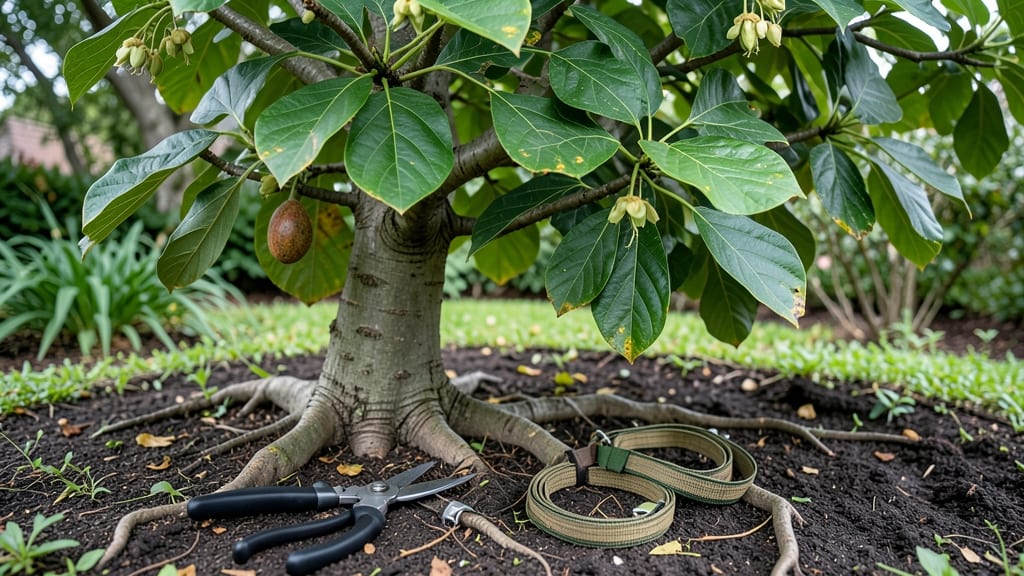
Learn how to stop your paw paw tree from growing too tall without sacrificing its health—master these simple pruning tricks for a lush, manageable shape. I’ve wrestled with this myself after my first overzealous pruning session left the tree looking like a sad, lopsided sculpture.
You’ll need sharp pruning shears, rubbing alcohol for sterilization, and a clear day to assess the tree’s structure. The goal is to remove 1/3 of the tallest branches in late winter or early spring, just as buds begin to swell.
This timing gives the tree energy to recover before summer heat arrives—and prevents those awkward regrowth spikes that turn pruning into a never-ending battle.
What you’ll end up with is a tree that stays 6-8 feet tall (or your preferred height) while producing more fruit along its branches. The secret? Cutting just above outward-facing buds and avoiding the center of the tree to improve airflow.
With patience, your paw paw will reward you with juicy, custard-like fruit at a height you can actually enjoy.
Works for both young saplings and established trees—just adjust the intensity based on how aggressive the growth is. Here’s how to do it without turning your tree into a stump with a few branches.
📚 In This Guide
- What you need
- Instructions
- Tips and common mistakes
- Wrapping up and next steps
What you need
- ● Pruning shears or loppers – Use bypass pruners (for clean cuts) or loppers (for thicker branches, 1–2 inches in diameter). Quantity: 1 pair of each (if needed).
- ● Hand pruners – For smaller branches (¼-inch diameter). Quantity: 1 pair.
- ● Pruning saw – For branches over 2 inches thick. Quantity: 1.
- ● Gloves – Garden or work gloves (thick, cut-resistant) to protect hands from thorns and sap.
- ● Disinfectant (70% isopropyl alcohol or bleach solution) – To sterilize tools between cuts and prevent disease spread.
- ● Rope or twine – For temporary support if training young trees. Quantity: 1–2 rolls (½-inch width).
- ● Tree ties or soft cloth strips – To secure branches if pruning for shape. Quantity: 5–10 pieces.
- ● Ladder or step stool – For reaching higher branches safely. Height: At least 8–10 feet (adjust based on tree height).
- ● Heavy-duty trash bags – To collect pruned branches. Quantity: 2–3 bags.
- ● Pruning sealant – To coat larger cuts and prevent disease (e.g., tree wound paint).
- ● Pole saw – For very tall branches (if ladder access is limited).
- ● Safety glasses – To shield eyes from debris.
- ● Knee pads – For comfort if pruning near the base.
- ● Notebook & pen – To sketch a pruning plan or track growth progress.
How to prune a paw paw tree for controlled height
Here’s my foolproof method for keeping your paw paw tree manageable without sacrificing fruit production.
Identify the Right Time to Prune
Late winter or early spring, just before new growth begins, is the best time to prune. This is when the tree is still dormant but about to wake up—perfect for shaping without stressing it. Look for bare branches with no leaves or buds; these are the ones you’ll focus on first. Avoid pruning in fall, as fresh cuts can invite disease before winter.
If you miss the dormant season, you can still prune in summer, but do it on a cool, overcast day to reduce stress. Just be gentle—summer pruning stimulates new growth that might not harden off before frost. I always check the moon phase calendar for my region; pruning during a waxing moon encourages stronger regrowth.
Remove Problem Branches with Precision
Start by cutting back any suckers—those vigorous shoots sprouting from the base or along the trunk. These compete with the main tree for nutrients and will make it grow taller faster. Use clean, sharp pruners to make a 45-degree cut just above a bud or lateral branch. Avoid leaving stubs; they invite rot and weak growth.
Next, target vertical branches growing straight up from the main trunk. These are the culprits that make paw paws tower. Cut them back to a side branch or outward-facing bud to encourage a bushier shape. If a branch is too thick for hand pruners, use a pruning saw—but only if necessary. The goal is to redirect energy into horizontal branches that produce fruit.
Thin the Canopy for Airflow and Light
Step back and look at the tree’s overall shape. Paw paws need good airflow to prevent fungal diseases like anthracnose. Remove any crossing branches or those growing inward—they’ll rub against each other and create wounds. Cut these at the base, not mid-branch. You’ll also want to thin out crowded areas in the canopy to let sunlight reach the center.
For height control, focus on the upper third of the tree. Prune back the tallest branches by one-third to slow vertical growth. This encourages the tree to put energy into lateral branches instead. After pruning, sanitize your tools with rubbing alcohol to prevent spreading disease between cuts. Watch for new growth in 4-6 weeks—that’s your sign the tree is responding well.
Tips & tricks for pruning a paw paw tree to control height
Took me a while to figure these out, so here goes—these tricks will help you shape that towering paw paw without sacrificing its fruit production.
Timing is Everything: The late winter/early spring window is ideal because the tree is dormant but about to wake up. If you must prune in summer, do it on a cool, overcast day to minimize stress. I've learned the hard way that pruning in fall invites disease before winter sets in. Also, check your moon phase calendar—pruning during a waxing moon can encourage stronger regrowth, which is especially helpful for young trees.
Precision Cuts Matter: When targeting vertical branches in Step 2, make your cuts just above a bud or lateral branch at a 45-degree angle. This redirects energy to where you want it—horizontal branches that produce fruit. I've seen too many pruning jobs fail because of sloppy cuts that leave stubs or create wounds. Take your time here; it's worth it for long-term tree health.
Canopy Strategy: Focus on the upper third of the tree to control height. Cutting back the tallest branches by one-third encourages bushier growth. Remember to thin out crowded areas for better airflow—this prevents fungal diseases like anthracnose that can plague paw paws. After pruning, always sanitize your tools with rubbing alcohol between cuts to prevent spreading disease between branches.
Visual Growth Cues: Watch for new growth in 4-6 weeks after pruning. This is your sign the tree is responding well. If you don't see new buds forming on lateral branches within this timeframe, you may have pruned too aggressively. Start with smaller cuts and gradually adjust in subsequent years—patience is key with paw paws.
Pro Tips for Stop Paw Paw Tree From Growing Too Tall
- Took me a while to figure these out, so here goes—these tricks will help you shape that towering paw paw without sacrificing its fruit production.
- Timing is Everything: The late winter/early spring window is ideal because the tree is dormant but about to wake up.
- Precision Cuts Matter: When targeting vertical branches in Step 2, make your cuts just above a bud or lateral branch at a 45-degree angle.
Frequently asked questions
Got questions about managing your paw paw tree’s height? You’re not alone! Here are some of the most common concerns—and straightforward answers—to help you keep your tree under control without stress.
When is the best time to prune a paw paw tree to control its height?
The ideal time to prune for height control is late winter or early spring, just before new growth begins. This ensures you’re cutting back dormant branches while avoiding the stress of summer pruning. Avoid heavy pruning in fall, as it can stimulate tender new growth that may not survive winter.
Can I cut the main trunk of a paw paw tree to stop it from growing taller?
Yes, but do it carefully! You can top the central leader (the main upward-growing branch) to redirect energy into lateral branches. However, avoid cutting more than 25-30% of the trunk’s height at once, as this can shock the tree. Use a clean, sharp saw and seal the cut with pruning sealant if needed.
What if my paw paw tree keeps growing tall even after pruning?
If your tree seems determined to reach for the sky, it might be due to over-fertilization or poor pruning technique. Try these fixes:
While growth regulators (like paclobutrazol) can slow down some trees, they’re not recommended for paw paws. These chemicals can stress the tree, reduce fruit production, or even harm beneficial insects. Stick to pruning and cultural practices for the safest, most effective results. With consistent pruning, you can maintain a paw paw tree at 6–10 feet tall, depending on the variety and your climate. Dwarf cultivars (like ‘Sunflower’) stay naturally shorter, while standard types may need annual topping. Just remember: never prune below the first set of strong lateral branches, or you risk weakening the tree’s structure.
Are there any chemical methods to stop a paw paw tree from growing tall?
How short can I keep a paw paw tree with regular pruning?
Wrapping up and next steps
Managing your paw paw tree’s height doesn’t have to be overwhelming—with the right tools, timing, and technique, you can keep it lush and compact while enjoying its delicious fruit!
Remember, consistent pruning (like trimming in late winter or early spring) and proper cutting methods (clean cuts at the right angles) are key. Don’t forget to reward your efforts by savoring those sweet paw paws once they’re ready!
Ready to take action? Grab your pruners, mark your calendar, and start shaping your tree today! 🌿✂️ Your future self (and your yard) will thank you!