
Pruning
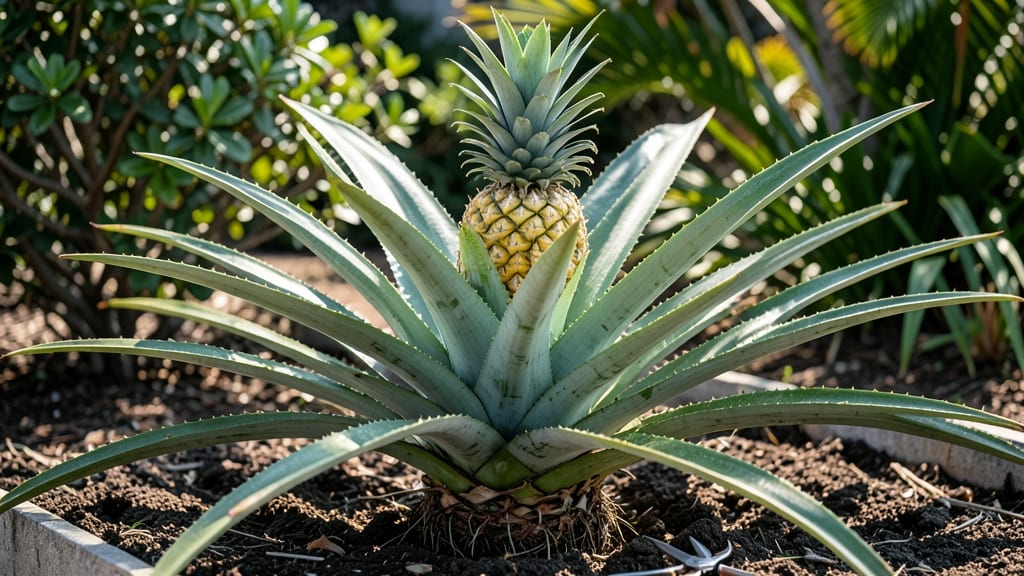
Your pineapple tree or bush could produce fruit year-round with just three strategic cuts—yes, even in containers. 🌱 I’ve been growing pineapples for years, and the difference between a pruned plant and one left to its own devices is staggering.
One plant might give you one fruit in two years, while a pruned one can deliver a steady harvest every six months.
The secret lies in timing and technique: cut back old growth after fruiting, shape the plant for sunlight access, and remove spent leaves to redirect energy. You don’t need fancy tools—just sharp pruners and a clear understanding of where to trim.
Even dwarf varieties respond beautifully, making this method perfect for patios or small spaces.
What you’ll end up with is a bushier, more productive plant that keeps flowering and fruiting instead of putting all its energy into one giant pineapple. The fruit may be smaller but far more frequent, and the plant stays compact and manageable.
This works for both tropical trees and bush varieties, so let’s get those pruners ready.
Whether you’re dealing with a full-size pineapple tree or a dwarf bush, the same principles apply. The key is consistency—prune at the right time, and you’ll see results within months. Ready to transform your pineapple plant into a fruit-producing machine?
📚 In This Guide
- What you need
- Instructions
- Tips and common mistakes
- Wrapping up and next steps
What you need
- ● Pruning shears or bypass pruners – Sharp, sterilized, and with a 5-7 inch blade (for small branches).
- ● Loppers – For thicker stems (1-2 inches in diameter).
- ● Hand pruners (felco or equivalent) – For precision cuts on delicate growth.
- ● Disinfectant (70% isopropyl alcohol or bleach solution) – 1 part bleach to 9 parts water (to sterilize tools between cuts).
- ○ Gloves (cut-resistant) – Optional but recommended for thorny varieties like Ananas comosus.
- ● Pruning saw (if needed) – For stubborn, woody stems.
- ● Rubbing alcohol (70% or higher) – For quick tool sterilization between cuts.
- ● Weather check – Prune on a dry, overcast day (avoid rain for 24 hours post-cut).
- ● Sunny workspace – Ensure good airflow to prevent fungal issues.
- ○ Compost or mulch – Optional: For disposing of small clippings.
- ○ Plant growth regulator (optional) – Like seaweed extract or diluted hydrogen peroxide (to promote healing).
- ● Labeling tags (if grafting) – For tracking new growth.
How to prune your pineapple tree or bush for continuous fruit
Here's the simple system I use to keep my pineapple plants productive all year.
🌿 Step 1: Identify and Remove Old Fruit Stems
Start by locating the oldest fruit stems on your pineapple plant. These are the ones that have already produced fruit and are now brown or drying out. I look for stems that feel woody and have no green growth remaining—these are the first to go. Use sharp pruning shears to cut them cleanly at the base, about ½ inch above the plant's main stem.
Don't worry about timing here—you can do this anytime, but I like to tackle it right after harvesting. Removing these old stems redirects the plant's energy to newer, more productive growth. You'll notice the plant looks cleaner and more open after this step, which helps air circulate better around the remaining fruit.
✂️ Step 2: Prune Back Overcrowded Leaves
Next, focus on the leaves. Pineapple plants produce fruit from the center, so you want to keep the crown open and unobstructed. I start by removing any leaves that are yellowing, damaged, or growing inward toward the center. Use your hands to gently pull out any weak or dead leaves—no need for shears here. For thicker leaves that won't budge easily, make a clean cut with your pruning shears about 2 inches below the base of the leaf.
Real talk: Don't go overboard here. You're not trying to turn your pineapple into a bonsai—just enough to let light and air reach the center. If you see new growth emerging from the base of the plant, leave those leaves alone. The goal is to encourage the plant to focus its energy on producing new fruit, not just more foliage.
🌱 Step 3: Encourage New Growth with Strategic Cuts
This is where the magic happens. Look for healthy, mature leaves that are growing outward from the center. Select 2-3 of the strongest leaves and make a clean cut about ⅓ of the way down from the base. This might seem drastic, but trust me—it works. The plant will respond by sending out new shoots from the cut area, which can eventually produce more fruit.
I like to do this cut in the early morning when the plant is well-hydrated. Water the plant thoroughly the day before to help it recover faster. After cutting, keep an eye on the plant for the next few weeks. You'll see new growth emerging from the base of the cut leaves within 2-4 weeks, and that's your signal that the plant is putting its energy where you want it—to produce more fruit.
☀️ Step 4: Maintain Year-Round with Seasonal Adjustments
Pineapple plants thrive in warm climates, but even in cooler seasons, you can keep them productive with a few tweaks. In the fall and winter, reduce watering slightly but keep the soil moist. Prune any leaves that turn yellow or brown during this time, as they won't recover. If you're in a cooler climate, consider moving your pineapple plant indoors near a sunny window or under a grow light during the colder months.
Here's the thing—pineapple plants are tough, and they'll bounce back from almost anything. If you notice new growth slowing down, give the plant a light fertilizer with a higher nitrogen content to encourage leafy growth, then switch to a balanced fertilizer once you see new shoots forming. The key is consistency: prune regularly, keep the plant healthy, and you'll enjoy a steady supply of fruit all year long.
Tips & tricks for pruning pineapple trees or bushes
Here's what nobody tells you about keeping your pineapple plant thriving after the initial pruning steps.
Tool Prep: Sterilize your pruning shears with rubbing alcohol before and after each use. I learned this the hard way after my pineapple plant developed a fungal infection from contaminated tools. Clean cuts heal faster and reduce the risk of disease, which is especially important when you're working with a plant that's already stressed from fruit production.
Seasonal Timing: While pruning can technically happen anytime, I find the best time is in late winter or early spring when the plant is entering its active growth phase. This aligns perfectly with Step 3's strategic cuts, giving your plant plenty of warm weather to recover and produce new shoots before winter sets in again. The 2-4 week window mentioned for new growth works best when temperatures are consistently above 60°F.
Visual Cues for Healthy Cuts: When making those strategic cuts in Step 3, look for leaves that are at least 12 inches long and have a healthy green color throughout. The cut should expose a fresh, pale green stem underneath—this is where the new growth will emerge. If you see brown or yellow at the base, skip that leaf and choose another. I've found that selecting the strongest leaves makes all the difference in getting reliable new shoots.
Post-Pruning Care: After your pruning session, give your pineapple plant a deep watering that reaches down to the roots. I use a slow drip system for about 20 minutes to ensure proper hydration without waterlogging. This helps the plant recover faster from the stress of pruning, especially important after the more aggressive cuts in Step 3. Keep the soil consistently moist (but not soggy) for the first two weeks after pruning.
Pro Tips for Pineapple Tree Or Bush
- Here's what nobody tells you about keeping your pineapple plant thriving after the initial pruning steps.
- Tool Prep: Sterilize your pruning shears with rubbing alcohol before and after each use.
- Seasonal Timing: While pruning can technically happen anytime, I find the best time is in late winter or early spring when the plant is entering its active growth phase.
Frequently asked questions
Got questions about growing and pruning your pineapple tree or bush? You’re not alone! Here are some of the most common concerns—plus quick, actionable answers to keep your plant thriving and fruiting year-round.
Is a pineapple plant a tree or a bush?
A pineapple plant is technically a bush (or herbaceous perennial), not a tree! It grows from a rosette of leaves with a short, stout stem. While it may look like a small tree, it lacks woody growth and relies on its leaf structure for support. Think of it as a compact, tropical powerhouse—perfect for containers or small gardens!
How long does it take for a pineapple plant to fruit?
Patience is key! Under ideal conditions (warmth, sunlight, and proper care), a pineapple plant can take 18–36 months to produce its first fruit. Younger plants focus on leaf growth, so don’t rush—pruning too early can delay fruiting. Once it flowers, harvest in 4–6 months. Pro tip: Use a pineapple plant grown from a crown (the leafy top) for faster results than seeds!
Can I prune a pineapple plant while it’s flowering or fruiting?
Timing matters! Avoid heavy pruning during flowering or fruiting—this stresses the plant and can reduce yield. Instead, focus on light maintenance pruning (removing dead or yellowing leaves) and save major cuts (like suckers or old leaves) for early spring or late fall. If you must prune, do it gently and avoid cutting into the flower stalk.
Why isn’t my pineapple plant fruiting? Troubleshooting tips
No fruit? Check these common culprits:
- Lack of sunlight: Pineapples need 6+ hours of direct sun daily. Move it to a sunnier spot or supplement with grow lights.
- Temperature stress: They thrive in 70–85°F. Cold drafts or temps below 50°F can stall growth.
- Overwatering: Let soil dry 2–3 inches deep between waterings. Soggy roots = no fruit!
- Nutrient deficiency: Feed with a balanced fertilizer (like 10-10-10) every 2–3 months.
Still stuck? Try stress-inducing methods (like withholding water slightly) to trigger flowering in mature plants.
What can I do with pineapple plant suckers?
Suckers are baby pineapple plants that grow from the base or stem! You’ve got options:
- Remove them: Snip off suckers to encourage fruit production on the main plant.
- Repot them: Plant suckers in soil to grow new pineapples (they take 1–2 years to fruit).
- Propagate in water: Place the sucker in water until roots form, then transplant.
Pro tip: The best suckers are the ones closest to the base—they’re genetically identical to the parent plant!
Wrapping up and next steps
Growing a thriving pineapple tree or bush is all about strategic pruning—and now you’ve got the know-how! 🌱 By mastering the three key cuts (flower removal, suckers, and dead leaves), you’ll unlock year-round fruit production while keeping your plant healthy and vibrant.
Remember, patience and consistency are your best tools, so don’t rush the process.
Ready to take the next step? Grab your pruning shears, schedule your cuts, and watch your pineapple plant reward you with sweet, tropical bounty! 🍍✨ Start small, stay consistent, and enjoy the fruits of your labor—literally!