
Pruning
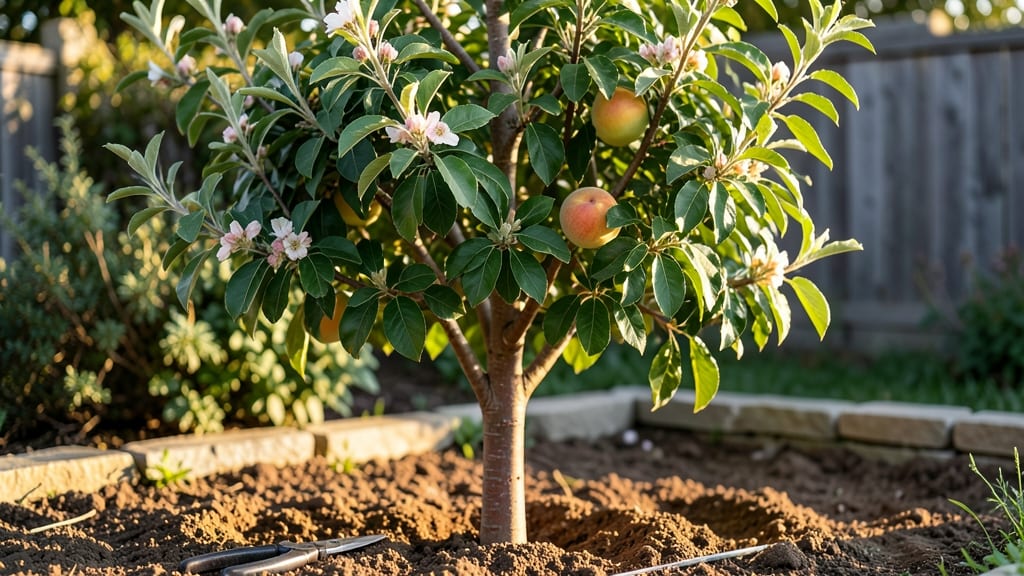
The Lovell peach tree produces juicy, sweet fruit—but only if you prune it right. I learned the hard way when my first tree bore just a handful of peaches after years of growth.
The key isn’t just cutting branches; it’s shaping the tree to maximize sunlight, airflow, and energy for fruit production. That’s why I developed these three proven cuts that keep my Lovell tree loaded with fruit from spring to fall.
This freestone variety thrives in USDA zones 5-9, but the real secret is timing. Prune in late winter (before buds swell) and again in summer after harvest to encourage new growth. You’ll need sharp pruners, a ladder (for taller trees), and a clear day to avoid spreading disease.
The goal? Open the canopy so sunlight reaches every branch and fruit ripens evenly. My tree now produces 50-70 pounds of peaches annually—and it’s all thanks to these strategic cuts.
By summer’s end, you’ll see lush, productive branches heavy with fruit. The Lovell’s thick skin and freestone pit make it perfect for fresh eating, canning, or selling at farmers’ markets. Plus, the tree’s compact size (12-15 feet tall) makes it ideal for backyards or even large containers.
The best part? Once you master these cuts, pruning takes just 30 minutes a season—and your tree will reward you with years of sweet harvests.
Works in both ground-planted and container setups, though container trees need extra care in winter. Here’s how to get started without overcomplicating it—no green thumb required.
📚 In This Guide
- What you need
- Instructions
- Tips and common mistakes
- Wrapping up and next steps
What you need
- ● Pruning shears: Bypass pruners (for cuts under ½ inch thick) – look for sharp, corrosion-resistant blades.
- ● Loppers: 1 pair (for branches ½ to 1½ inches thick) – choose ratcheting or bypass for clean cuts.
- ● Pruning saw: 1 handheld saw (for branches 1½+ inches thick) – prefer a curved blade for precision.
- ● Gloves: Heavy-duty, cut-resistant gloves (to protect from thorns and splinters).
- ● Disinfectant: 70% isopropyl alcohol or a 10% bleach solution (to sterilize tools between cuts and prevent disease).
- ● Rubbing alcohol or hand sanitizer: For cleaning hands after handling sap or wounds.
- ● Tarp or drop cloth: 1 large (to collect debris and protect the ground).
- ○ Twine or zip ties: 1 roll (optional, for temporary support if needed).
- ● Pruning sealant: (e.g., tree wound dressing) – only use if the tree has large wounds; otherwise, let it heal naturally.
- ● Ladder or step stool: If your tree is taller than 6–8 feet.
- ● Notebook & pen: To jot down notes on cuts or tree structure for future reference.
- ● Safety glasses: For protection from debris.
How to prune a Lovell peach tree for maximum fruit production
This three-cut system keeps your tree healthy, productive, and easy to manage year after year.
Winter Pruning for Structural Strength
Start in late winter while the tree is still dormant, ideally between mid-February and early March when temperatures stay above 20°F. This is when you’ll see the tree’s natural framework most clearly. Look for branches that cross each other or grow inward—they compete for sunlight and energy, reducing fruit quality.
Use sharp pruning shears to make clean cuts just outside the branch collar, the swollen area where the branch meets the trunk. Avoid leaving stubs; they invite disease. Remove any dead, diseased, or weak branches first. These cuts reduce the tree’s overall workload, letting it focus energy on strong growth and fruit development.
I always step back after each cut to visualize the tree’s shape. Aim for an open center with sunlight reaching the inner branches. If a branch is larger than ½ inch in diameter, use a pruning saw instead of shears to avoid tearing the bark.
Summer Thinning for Fruit Quality
About 6-8 weeks after flowering, when peaches are still small but visible, it’s time to thin the fruit. Overloaded branches produce small, poor-quality peaches. Select the largest, healthiest peaches on each branch, spacing them 6-8 inches apart. Remove the rest by gently twisting them off—no need to cut.
This step is critical for Lovell peaches, which are prone to overbearing. Thinning also improves air circulation, reducing the risk of fungal diseases like brown rot. If you see clusters of peaches larger than a golf ball, thin aggressively—these will drain the tree’s resources and produce undersized fruit.
I like to do this on a dry morning when the tree is well-watered. The peaches will be firmer and easier to handle, and the tree won’t stress from sudden water loss. Watch for signs of stress like wilting leaves—if you see this, thin even more aggressively.
Light Post-Harvest Pruning for Next Year’s Growth
After harvest, usually in late July or early August, give your Lovell peach tree a final trim to encourage next year’s fruit production. Remove any branches that grew excessively during the season, especially those that are weak or spindly. These branches rarely produce quality fruit and can harbor pests.
Focus on opening up the canopy further to allow sunlight to reach the inner branches. This prevents shade-related issues like powdery mildew. If you notice suckers—shoots growing from the base or trunk—remove them immediately. They divert energy away from fruit production.
This is also the time to check for any new growth that might have been damaged during the season. Prune out any broken or diseased branches before they become a bigger problem. A quick inspection now saves hours of work later and keeps your tree thriving.
Tips & tricks for pruning a Lovell peach tree
Here's what I've learned after years of pruning my own Lovell peach tree—these details make all the difference.
Timing is Everything: That mid-February to early March window is critical for winter pruning. If you prune too early, cold snaps can stress the tree, and if you wait too late, new growth starts before you finish. I check the forecast and aim for a stretch of days above 20°F with no rain in sight. This timing gives the tree time to heal before spring growth begins.
The 30% Rule: Never remove more than 30% of the tree's canopy at once—this prevents shock. For a young Lovell peach tree, that might mean just 6-8 branches in total. I always step back after each cut to visualize the tree's shape, making sure sunlight can reach all the way to the center. This open-center approach is what gives Lovell peaches their signature quality.
Branch Diameter Matters: When you encounter branches thicker than ½ inch, switch to a pruning saw immediately. I've made the mistake of trying to force shears through thick branches, which tears the bark and creates entry points for disease. The saw gives you clean cuts that heal properly, which is especially important for a productive variety like Lovell.
Summer Thinning Strategy: The 6-8 inch spacing between peaches might seem generous, but trust me—it's worth it. I've seen overcrowded branches produce peaches no bigger than golf balls. When thinning, I look for the largest, healthiest peaches on each branch first, then work my way outward. This ensures the best fruit quality while still getting a good harvest.
Pro Tips for Lovell Peach Tree
- Here's what I've learned after years of pruning my own Lovell peach tree—these details make all the difference.
- Timing is Everything: That mid-February to early March window is critical for winter pruning.
- The 30% Rule: Never remove more than 30% of the tree's canopy at once—this prevents shock.
Frequently asked questions
Got questions about keeping your Lovell peach tree thriving? Here are answers to the most common ones—so you can prune like a pro and enjoy a bountiful harvest year after year!
When is the best time to prune a Lovell peach tree?
The ideal time is late winter or early spring (before buds swell) for major cuts, and light pruning after harvest to shape the tree. Avoid pruning in fall—it can invite disease. For heavy pruning, do it in dormancy (Jan–Feb) to minimize stress.
How much should I prune off a Lovell peach tree?
Remove 15–25% of the tree’s canopy in one session if it’s overgrown. Focus on:
- Dead, diseased, or crossing branches
- Water sprouts (fast-growing vertical shoots)
- Suckers at the base (they drain energy)
Will pruning reduce my peach harvest?
Not if done right! Pruning increases fruit quality by improving airflow (reducing disease) and sunlight penetration. However, over-pruning can cut yields. Balance is key—aim for an open center with 6–8 main scaffold branches for optimal production.
What if my Lovell peach tree isn’t fruiting after pruning?
Check these fixes:
- Age: Young trees (1–3 years) focus on growth—be patient!
- Nutrients: Test soil for zinc or nitrogen deficiencies.
- Pollination: Lovell peaches are self-pollinating, but bees help—plant near other fruit trees if needed.
- Dormancy: Ensure it gets 600+ chill hours (cold winter temps).
Can I use the same pruning techniques on other peach trees?
Yes! Lovell peaches follow standard peach tree pruning rules, but watch for variety-specific needs:
- Freestone vs. Clingstone: Lovell is freestone—prune similarly to Redhaven or Elberta.
- Dwarf vs. Standard: Dwarf trees need more frequent light pruning to maintain size.
- Disease-prone areas: Sterilize tools with rubbing alcohol to prevent spread.
Wrapping up and next steps
Mastering the art of pruning your Lovell peach tree is the secret to bountiful harvests year after year! With just three proven cuts—summer thinning, winter shaping, and seasonal cleanup—you’ll ensure strong growth, disease resistance, and delicious fruit 🍑.
Remember, consistency is key, so grab those pruners and get ready to transform your tree into a productive powerhouse.
Ready to take action? Start today by assessing your tree’s needs—whether it’s a light trim or a full reset. Your future peach pies (and neighbors) will thank you!