
Pruning
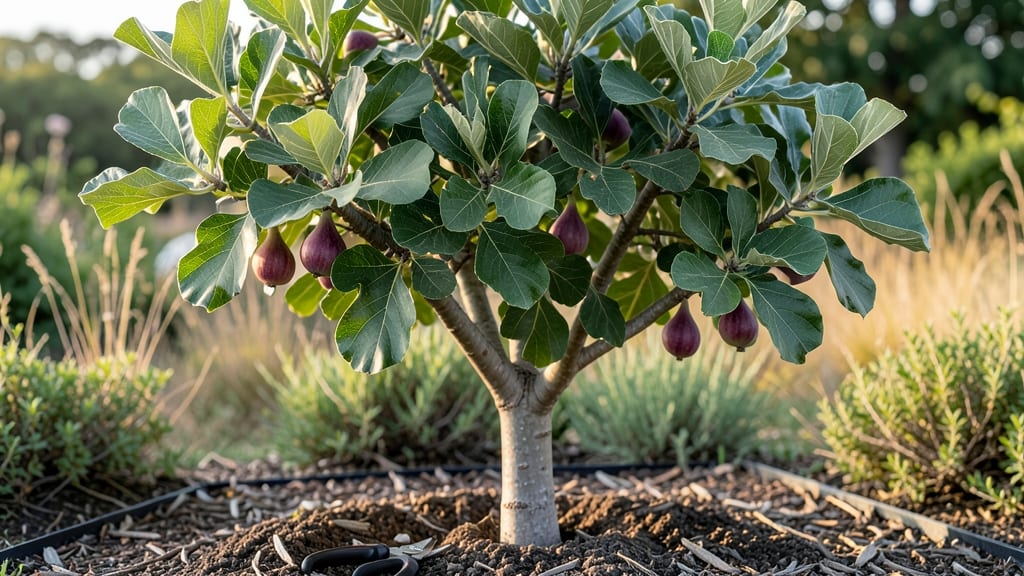
When you prune your Little Ruby fig tree just right, you unlock a harvest that lasts from summer through fall—and sometimes even winter in warm climates. I learned this the hard way after my first pruning session left me with a sparse, leggy tree that barely fruited.
The key isn’t just cutting back; it’s timing those three strategic trims to balance growth and fruit production.
Fig trees like Little Ruby thrive in zones 7-11, where they can handle heat and occasional drought once established. They love well-draining soil and at least 6-8 hours of sun daily, though they’ll tolerate light shade in hotter regions.
The real magic happens when you prune: late winter to shape the tree, early summer to encourage new growth, and after harvest to clean up and redirect energy for next season’s crop.
What you’ll end up with is a compact, bushy tree loaded with sweet, deep-red figs that ripen in waves. The first pruning opens up the center for airflow, the second trim boosts fruit production, and the final cleanup keeps the tree tidy and healthy.
Even in small spaces, this method works—my Little Ruby in a 15-gallon container produces enough figs to share with neighbors.
Here’s the game-changer: fig trees reward patience. A well-pruned Little Ruby can fruit year-round in mild climates, with minimal effort after the initial setup. The worst that can happen is a few missed cuts—but even then, your tree will bounce back with its signature resilience.
Let’s get those shears ready!
📚 In This Guide
- What you need
- Instructions
- Tips and common mistakes
- Wrapping up and next steps
What you need
- ● Pruning shears: Sharp, bypass-style shears (4–6" blades) for clean cuts—sterilize with rubbing alcohol before and after use!
- ● Loppers: 8–10" for thicker branches (up to 1.5" diameter). Bypass blades only!
- ● Hand pruners: For precision trims on small branches (2–3" blades).
- ● Gloves: Heavy-duty, gardening gloves (nitrile-coated for grip and protection).
- ● Disinfectant: 70% isopropyl alcohol or bleach solution (1 part bleach : 9 parts water) to prevent disease spread.
- ● Twine or zip ties: For temporary support if you’re training new growth.
- ○ Marking twine or paint: Optional but helpful—use to tag branches for future reference (e.g., "Remove in Spring").
- ● Pruning saw: For stubborn, thick wood (rare in Little Ruby figs, but handy for older trees).
- ● Ladder or step stool: If your tree is taller than 6 feet—safety first!
- ● Compost bin: To recycle pruned branches into nutrient-rich mulch.
- ● Plant food: Balanced 10-10-10 fertilizer to give your tree a post-prune boost (apply 4–6 weeks after trimming).
How to prune a Little Ruby fig tree for continuous fruit production
Here's the simple, three-cut approach I've used to keep my Little Ruby figs bearing fruit from spring through fall.
Late Winter Cleanup Trim (Before Bud Break)
Start in late February or early March when the tree is still dormant but just before buds begin to swell. This first cut removes last year's dead or weak growth, making room for new, vigorous shoots that will produce fruit. I grab my pruning shears and look for branches that are thinner than a pencil, crossing stems, or those growing inward toward the center.
Cut these back to an outward-facing bud or branch junction—this encourages growth in the right direction. I always make cuts at a 45-degree angle just above a bud, about 1/8 inch above it. This prevents water from pooling and rotting the stem. Remove any branches that are diseased, broken, or rubbing against others—these won't produce fruit and can spread problems.
After trimming, step back and admire the shape. You want an open center that lets sunlight reach the inner branches. Figs need light to set fruit, so don’t be shy about thinning out crowded areas. If your tree is young, you might only have a few branches to work with—just focus on keeping the strongest ones.
Summer Lightening Trim (After First Fruit Set)
This is the mid-July trim, and it’s all about balancing fruit load with the tree’s energy. By now, your Little Ruby should be heavy with figs, but too many can weaken the branches or delay next year’s crop. I start by looking for clusters where the figs are smaller than a golf ball—these are the ones that didn’t get enough resources to grow properly.
Thin these clusters back to one or two of the largest, healthiest figs per branch. You’re not cutting the branch itself—just removing the extra fruit. This might feel wasteful, but it ensures the remaining figs grow bigger and sweeter. I also check for branches that are overloaded (bending under the weight) and lightly prune some of the fruit to lighten the load.
While you’re at it, look for suckers—those little shoots growing at the base of the tree or along the trunk. These are energy vampires, stealing nutrients from your fruit. Snip them off at the base with your shears. This trim keeps the tree productive and prevents it from getting too top-heavy.
Post-Harvest Renewal Trim (Late Fall)
After the last figs are picked, usually in October or November, give your Little Ruby a final trim to prepare for winter. This isn’t about heavy pruning—it’s about tidying up and encouraging next year’s growth. Start by removing any dead, diseased, or weak branches that didn’t produce well. Cut these back to healthy wood or a strong bud.
Next, look for branches that grew too long or leggy during the season. Shorten these by about one-third, cutting back to a lateral branch or outward-facing bud. This encourages bushier growth next spring. I also check for any water sprouts—those fast-growing, vertical shoots that didn’t produce fruit. These are low-value growth and can be pruned back.
Finish by giving the tree a light sanitizing spray with a 1:10 bleach-water mix on your shears to prevent disease spread. This is the time to also mulch around the base with 2-3 inches of organic mulch (like shredded bark) to protect the roots over winter. Your tree will thank you with even more fruit next season.
Bonus: Year-Round Maintenance Tips
Figs are forgiving, but a little extra care keeps them thriving. After each trim, water deeply to help the tree recover—this is especially important after the late winter cleanup when the roots are waking up. I also keep an eye out for aphids or spider mites, which love fig trees. A strong spray of water usually knocks them off, but if they persist, a neem oil spray works well.
Here’s the thing—don’t over-prune. Figs are heavy producers, and if you cut too much, you’ll sacrifice next year’s crop. Stick to these three trims, and your Little Ruby will reward you with sweet, sun-ripened figs from early summer through fall. The key is balance: enough pruning to keep the tree healthy, but not so much that it struggles to recover.
Tips & tricks for perfect Little Ruby fig tree pruning
These simple strategies will help you maintain your Little Ruby fig tree's productivity while avoiding common pruning mistakes that can reduce fruit yield.
Timing is Everything: The late February or early March window for your first trim is critical—this is when your tree is still dormant but just before buds begin to swell. If you prune too early, you risk damaging new growth that hasn't emerged yet. I've learned this the hard way after seeing trees struggle when pruned too late in winter. The mid-July and October/November trims follow nature's growth cycle perfectly, giving your tree time to recover between each pruning session.
Cutting Technique Matters: Always make your cuts at a 45-degree angle just above a bud, about 1/8 inch above it. This simple technique prevents water from pooling and rotting the stem, which I discovered after noticing several branches develop black spots after my first attempts. When cutting back branches, aim for outward-facing buds to encourage growth in the right direction and maintain an open center that lets sunlight reach all parts of the tree.
Visual Cues for Pruning: In Step 2, when thinning fruit clusters, look for figs smaller than a golf ball—these are the ones that didn't get enough resources to grow properly. For the late fall trim, focus on removing branches that are too long or leggy by about one-third of their length. These visual cues help you make decisions without over-pruning, which can significantly reduce next year's fruit production. Remember, you're not just cutting branches—you're shaping the tree's future harvest.
Equipment Maintenance: After each pruning session, give your pruning shears a light sanitizing spray with a 1:10 bleach-water mix. This prevents disease spread between cuts and keeps your tools in good working condition. I've found that clean, sharp shears make a world of difference in the quality of your cuts and the health of your tree. Store your shears in a dry place when not in use to prevent rust and maintain their sharpness for future pruning sessions.
Pro Tips for Little Ruby Fig Tree
- These simple strategies will help you maintain your Little Ruby fig tree's productivity while avoiding common pruning mistakes that can reduce fruit yield.
- Timing is Everything: The late February or early March window for your first trim is critical—this is when your tree is still dormant but just before buds begin to swell.
- Cutting Technique Matters: Always make your cuts at a 45-degree angle just above a bud, about 1/8 inch above it.
Frequently asked questions
When is the best time to prune my Little Ruby fig tree for maximum fruit?
The Little Ruby fig tree benefits from three key pruning sessions: late winter (before buds swell), post-harvest (summer), and light shaping in early fall. Late winter is critical—it removes dead wood and encourages new growth, while summer pruning redirects energy to fruit production. Avoid heavy pruning in fall, as it can stress the tree before winter.
How much can I trim back my Little Ruby fig tree without harming it?
For young trees (under 3 years), limit pruning to 20-30% of the canopy per session to avoid shock. Mature trees can handle up to 30-40% removal in late winter, but focus on selective trimming—cut back to healthy buds or branches (never leave stubs). Over-pruning risks reducing next year’s fruit load, so prioritize shape and airflow over aggressive cuts.
Will pruning my Little Ruby fig tree reduce its fruit production?
Not if done correctly! Strategic pruning boosts fruit quality and quantity by improving airflow and sunlight penetration. However, over-pruning or cutting too late in the season can delay or reduce harvests. The key is timing: prune after the tree bears fruit to avoid removing next year’s potential crop.
Can I grow a Little Ruby fig tree in a container, and does pruning differ?
Yes! Little Ruby figs thrive in containers (use a 15+ gallon pot with drainage). Pruning rules stay the same, but container-grown trees need more frequent trimming—up to 4 times a year—to control size and encourage fruiting. Root-bound trees may produce fewer figs, so repot every 2-3 years and prune roots gently if needed.
My Little Ruby fig tree has brown leaves after pruning—what’s wrong?
Brown leaves post-pruning are usually normal, especially if you cut into old wood. However, if large patches turn brown or wilt, it could signal over-pruning, fungal issues, or pests. Check for sap-sucking insects (like aphids) or root rot (if soil stays soggy). Water deeply after pruning, but avoid overwatering—Little Ruby figs prefer well-draining soil.
What’s the difference between heading back and thinning out branches?
| Heading Back | Thinning Out |
|---|---|
| Cutting a branch back to a bud or lateral branch to encourage bushier growth. | Removing an entire branch back to the trunk or main stem to improve airflow. |
| Best for: Shaping, rejuvenating old wood, or promoting fruit clusters. | Best for: Opening up the canopy, reducing disease risk, or removing dead/crossing branches. |
Pro tip: Use thinning to remove weak or vertical branches (they rarely fruit) and heading back to stimulate horizontal fruiting wood.
Wrapping up and next steps
The Little Ruby fig tree thrives when you embrace a year-round pruning routine—three strategic trims can unlock bountiful fruit loads and a healthier, more manageable tree! 🌿 By mastering spring cleanup, summer shaping, and winter pruning, you’ll encourage strong growth, better air circulation, and delicious harvests.
Remember, patience and precision are key—your tree will reward you with vibrant foliage and sweet, plump figs.
Ready to transform your pruning game? Grab your tools, dust off your gloves, and schedule your first trim this season! Start small, observe your tree’s response, and adjust as you go. Happy pruning—your Little Ruby is waiting for its next boost! 🍇✨