
Pruning
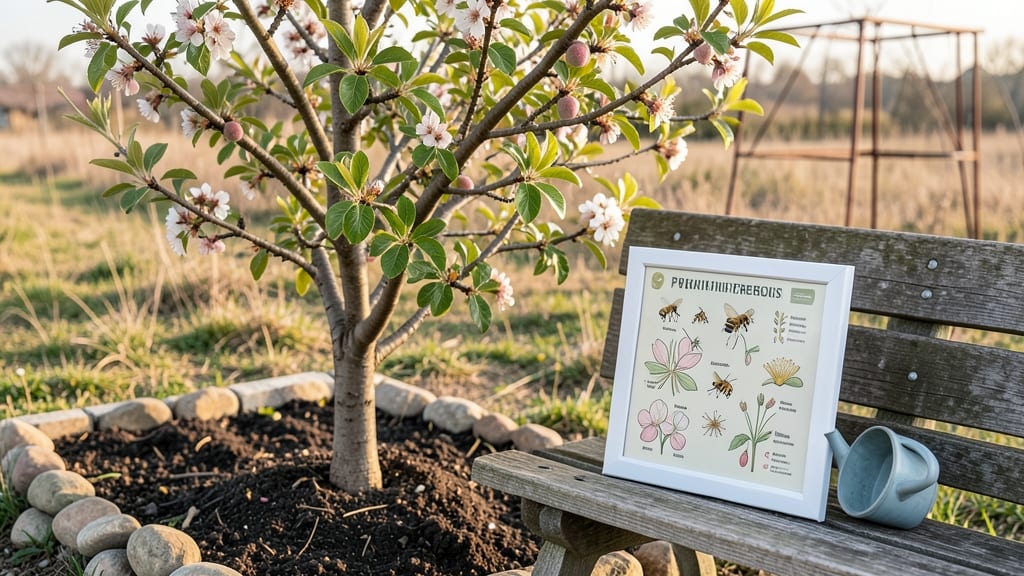
This peach tree pollination chart will save you from empty blossoms—match the right varieties, and you’ll go from flowers to fruit in no time. Some trees pollinate themselves, while others absolutely require a neighbor (or two) to set fruit properly.
Most peach trees fall into two main pollination groups: Group 1 blooms earliest in late winter, while Group 2 follows a few weeks later. Planting at least one tree from each group ensures cross-pollination, but some varieties—like ‘Redhaven’ or ‘Elberta’—are self-fruitful and don’t need help.
The trick is knowing which is which before you buy, because a single tree won’t produce much without the right match.
When done right, you’ll see fruit set within 6-8 weeks of full bloom, with peaches swelling on the branches by early summer. The payoff? A harvest that’s 3-4 times heavier than a single tree could manage alone.
Even better, you’ll spot the difference early—poor pollination means small, misshapen fruit or none at all.
This works for backyard orchards, small farms, or even container-grown dwarf peach trees. The chart breaks down compatible pairings so you can plan ahead—no more guessing whether your tree will bear or not. Let’s get those blossoms working for you.
📚 In This Guide
- What you need
- Instructions
- Tips and common mistakes
- Wrapping up and next steps
What you need
- ● Peach tree variety guide: Printed or digital list of your peach tree varieties (e.g., Elberta, Redhaven, or Reliance).
- ● Pollination chart template: A blank grid (Excel, Google Sheets, or printed graph paper) with: X-axis: Bloom stages (bud swell, petal fall, fruit set)
- ● Y-axis: Seasonal weeks (e.g., Week 1–12)
- ● Permanent markers or colored pencils: 4–6 colors to differentiate varieties, pollinators, and stages.
- ● Ruler: 12-inch metal or plastic for precise grid lines.
- ● Local bee/pollinator data: USDA Plant Hardiness Zone map or county agricultural extension reports.
- ○ Digital camera: Optional but helpful for documenting bloom stages.
- ● Field notebook: For jotting down observations (e.g., weather, pollinator activity).
- ● Pollinator attractants: Native wildflower seeds (e.g., clover, lavender) to boost bee traffic.
- ● Hand lens (10x magnification): To inspect flower anatomy and pollen transfer.
- ● Weather app alerts: For tracking frost or rain that may delay pollination.
How to understand peach tree flowering and fruit set timing
Mastering this chart means better harvests—here's how to read the seasonal cues.
Identify Your Peach Tree's Flowering Type
Peach trees fall into two main categories: late-freeze and early-blooming. Late-freeze varieties like 'Redhaven' or 'Elberta' wait until after spring frosts pass to open flowers, while early types such as 'Sanguine' bloom weeks sooner. Check your tree's label or observe when buds swell—late-freeze trees show tight, green buds in early spring, while early types have pink-tipped buds by late winter.
Here's the thing—mixing types in your orchard can improve pollination. If you only have one variety, consider planting a second tree 20-30 feet away to ensure cross-pollination. Early bloomers need a partner that flowers within 5-7 days of their peak. For example, 'Redhaven' (late-freeze) pairs well with 'Sanguine' (early), but not with another 'Redhaven'.
Track Bloom Stages for Optimal Pollination
Peach flowers progress through three critical stages: bud swell, full bloom, and petal fall. Bud swell begins when buds double in size and turn pink—this is when bees first visit. Full bloom occurs when 50% of petals open, marking peak pollination. Petal fall happens 3-5 days later, signaling successful fertilization. Use a magnifying glass to check for pollen tubes in stigma (tiny white threads) if fruit set seems low.
Timing matters most during full bloom. If rain washes away pollen, hand-pollinate by gently shaking branches to release pollen onto neighboring flowers. Early morning is best—before 10 AM—when humidity is lowest and bees are most active. Avoid spraying pesticides during bloom; even "organic" sprays can kill pollinators for up to 72 hours after application.
Monitor Fruit Set and Thin for Quality
After petal fall, watch for fruitlets—tiny peaches forming on spurs. Thin aggressively when they're 1 inch in diameter, leaving 6-8 inches between fruits on mature branches. Overcrowded fruit leads to small, poor-quality peaches. Use clean pruning shears to make cuts at a 45-degree angle just above a bud or leaf. Drop thinned fruit on a tarp—never compost diseased specimens.
If fruit set is light (fewer than 30% of flowers), your tree may need more pollinators. Hang bee houses near blooms or plant clover or dill nearby to attract native bees. For commercial growers, hive placement within 100 feet of orchards during bloom boosts fruit set by 20-30%. Keep records of bloom dates—consistent late frosts can delay flowering by 10-14 days each year.
Adjust Care Based on Seasonal Cues
Peach trees signal their needs through growth patterns. After petal fall, new leaves should emerge within 7-10 days—if not, check for fire blight (blackened, oozing cankers) or aphid infestations. Apply copper fungicide preventively if your region has fire blight history. During summer, shoot growth slows as the tree focuses energy on fruit—this is normal, but water deeply every 7-10 days to prevent sizing.
Fall is when trees prepare for next year's blooms. By October, leaves should turn yellow before dropping. If they stay green past frost, your tree is stressed—likely from over-fertilization or poor drainage. Reduce nitrogen in late summer to encourage flower bud formation. Prune dormant branches in late winter, cutting back to outward-facing buds to improve air circulation and sunlight penetration.
Tips & tricks for perfect peach tree pollination timing
These practical insights will help you maximize fruit set and avoid common pitfalls in your orchard.
Pollinator Strategy: If your area lacks native bees, consider placing hives within 100 feet of your trees during bloom. Commercial growers report a 20-30% increase in fruit set when proper hive placement coincides with the 3-5 day full bloom window. For home gardens, plant clover or dill nearby to attract solitary bees that work efficiently in smaller orchards.
Visual Cues for Critical Stages: During bud swell, look for buds that have doubled in size and show pink coloring—this is your first signal that pollinators will soon be active. At full bloom (when 50% of petals open), examine flowers with a magnifying glass to check for pollen tubes in the stigma. These tiny white threads confirm successful fertilization before you even see fruitlets. This microscopic check can save you from missing early signs of poor pollination.
Thinning Technique: When thinning fruitlets at 1 inch in diameter, focus on spacing them 6-8 inches apart on mature branches. Use clean pruning shears and make cuts at a 45-degree angle just above a bud or leaf to promote proper healing. The key is to thin aggressively—overcrowded fruit leads to small, poor-quality peaches. Drop thinned fruit on a tarp rather than composting it, as diseased specimens can spread pathogens.
Seasonal Care Adjustments: After petal fall, monitor for new leaf emergence within 7-10 days. If leaves don't appear, check for fire blight (blackened cankers) or aphid infestations. In late summer, reduce nitrogen fertilization to encourage flower bud formation for next year's blooms. This adjustment prevents over-fertilization stress that can keep leaves green past frost, signaling your tree's need for better balance.
Pro Tips for Peach Tree Pollination Chart
- These practical insights will help you maximize fruit set and avoid common pitfalls in your orchard.
- Pollinator Strategy: If your area lacks native bees, consider placing hives within 100 feet of your trees during bloom.
- Visual Cues for Critical Stages: During bud swell, look for buds that have doubled in size and show pink coloring—this is your first signal that pollinators will soon be active.
Frequently asked questions
Got questions about peach tree pollination? You’re not alone! Here are some of the most common concerns—plus straightforward answers to help you maximize your harvest.
When do peach trees bloom, and how long does it take for fruit to set?
Peach trees typically bloom in early spring (March–April in most U.S. zones), with fruit setting within 4–6 weeks after full bloom. However, cold snaps or rain can delay pollination. Use a peach tree pollination chart to track your tree’s specific variety and local climate for better timing!
What if my peach tree isn’t getting pollinated naturally?
If bees are scarce, hand-pollinate by gently transferring pollen with a small brush between flowers. For self-pollinating varieties (like ‘Redhaven’), this is rarely needed—but cross-pollination (planting two compatible trees) boosts yields. Pro tip: Plant trees 20–40 feet apart for optimal cross-pollination.
How do I know if my peach blossoms are pollinated successfully?
Pollinated flowers will drop petals and develop tiny green fruits (called “peaches”) within 2–3 weeks. If blossoms fall off without fruit, it could signal poor pollination, frost damage, or disease. Check for fruit set guidelines in your pollination chart to compare progress.
Can I force pollination in cold or rainy weather?
Yes! On dry, sunny days (50°F+), hand-pollinate between 9 AM–2 PM when flowers are open. Avoid rainy days—pollen washes away. For extreme cold, wrap young trees in frost cloth to protect blooms until temperatures rise. Bonus: Plant bee-friendly flowers nearby to attract pollinators!
Why are my peaches small or misshapen?
Small/misshapen peaches often stem from poor pollination, uneven sunlight, or over-thinning. Ensure your tree gets 6+ hours of sun daily and thin fruit to 6–8 inches apart once set. If issues persist, check for pests (like peach tree borers) or nutrient deficiencies (add phosphorus-rich fertilizer in early spring).
Wrapping up and next steps
Mastering your peach tree pollination chart is the first step toward a bountiful harvest! By understanding seasonal flowering patterns and fruit set, you’re well on your way to nurturing a thriving orchard. Don’t stop here—put your new knowledge into action this season and watch your peach trees flourish.
Ready to take the next step? Start by monitoring your tree’s progress and adjusting care as needed—whether it’s pruning for better airflow or hand-pollinating if bees are scarce. Happy gardening! 🌸🍑