
Pruning
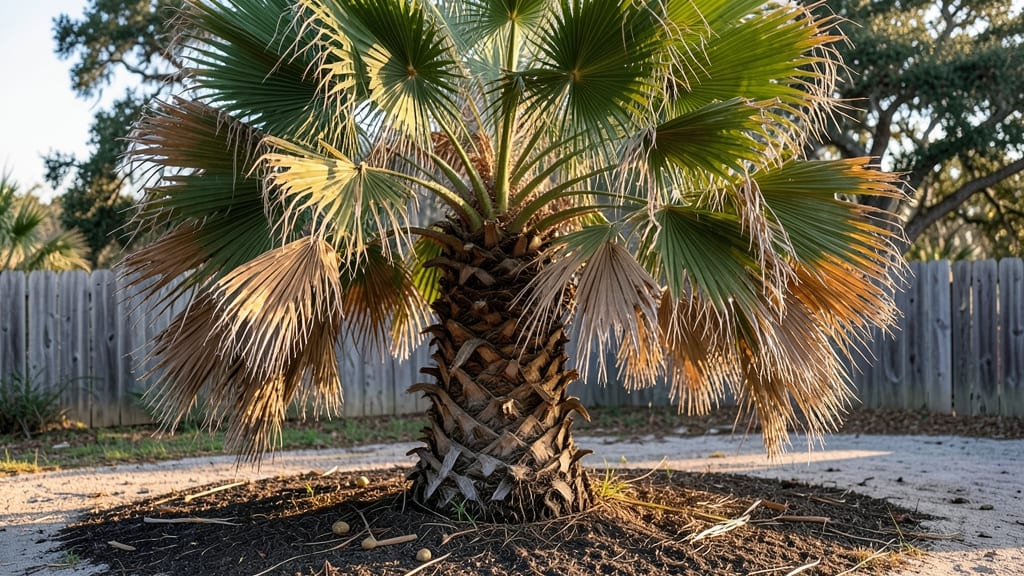
An overgrown palm tree can look majestic one minute and dangerous the next—especially when dead fronds weigh down branches or sharp fronds threaten your roof. I’ve trimmed palms from towering 40-foot specimens to small patio varieties, and these three strategic cuts keep them safe year-round without sacrificing their beauty.
The key isn’t just hacking away fronds; it’s understanding which ones to remove, when, and how to avoid stressing the tree.
Most people focus only on dead fronds, but healthy growth depends on removing the right ones first: the brown, dry ones at the bottom (they’re dead weight), the yellowing ones halfway up (they’re dying), and the fronds blocking sunlight from the crown (they’re stealing energy).
You’ll need sharp pruners, a sturdy ladder, gloves, and a tarp—and always work on a dry day when the tree isn’t stressed by heat or wind. One wrong cut can leave scars that invite pests or disease, so precision matters more than speed.
After trimming, your palm will look dramatically lighter and healthier within hours, with new fronds unfurling in as little as two weeks. The crown will open up to sunlight, encouraging stronger growth, and you’ll eliminate the tripping hazard of dead fronds.
Just avoid cutting into the trunk or bud—that’s a death sentence for palms. With the right technique, you’ll revive even the most unruly specimens without professional help.
This method works for all palm types, from Mediterranean dwarfs to California fan palms, and adapts to seasonal timing. In warm climates, you can trim year-round, but in colder zones, wait until spring or early summer when new growth is already underway.
The goal isn’t perfection—it’s sustainable health, and these cuts deliver that every time.
📚 In This Guide
- What you need
- Instructions
- Tips and common mistakes
- Wrapping up and next steps
What you need
- ● Pruning saw or palm tree saw: A curved blade (12–18 inches) designed for palm fronds—avoid regular pruners!
- ● Heavy-duty gloves: Cut-resistant (e.g., Mechanix or palm-specific gloves) to protect hands from jagged fronds.
- ● Safety goggles: ANSI-rated to shield eyes from debris (think 3–5 pairs if working in teams).
- ● Ladder or lift (if needed): Extension ladder: 20–30 ft (rated for 250+ lbs capacity).
- ● Or aerial lift: For trees over 25 ft—rent or hire a pro if unsure.
- ● Sharp pruning shears: For smaller cuts (e.g., dead fronds or suckers).
- ● Disposable work boots: Steel-toe or waterproof for stability on uneven ground.
- ● Heavy-duty trash bags: 30–50 gallon (line a wheelbarrow for easy disposal).
- ● Rope or harness: Only if climbing—use a fall-arrest system rated for arborist work.
- ● Pole saw: Extends reach for high fronds (10–15 ft).
- ● Leaf blower: Clears debris post-cut (save time and sweat!).
- ● Disinfectant (70% isopropyl alcohol): Wipe tools between cuts to prevent disease.
- ● First-aid kit: Include tweezers (for thorn removal) and sterile pads.
- ● Camera/phone: Snap before/after pics—great for tracking growth!
How to restore an overgrown palm tree through strategic pruning
Reviving a palm that’s outgrown its space takes precision—not brute force. Here’s my method for cutting back safely while keeping the tree healthy.
Assess the Tree’s Structure and Identify Dead or Damaged Fronds
Start by examining the palm from top to bottom, looking for fronds that are brown, yellowed, or hanging limp. These are either dead or dying and should be removed first. Healthy fronds have a vibrant green color and stand upright or curve naturally. Use a sharp pruning saw or lopper to make clean cuts at the base of each frond, just above the point where it meets the trunk.
I always prune dead fronds first because they weigh the tree down and can attract pests. If you see any fronds with blackened or mushy tissue, that’s a sign of disease or rot—remove those immediately. Never leave dead material on the tree; it only invites further problems. Work methodically from the outside in, so you don’t accidentally damage healthy fronds while reaching for the problematic ones.
Thin Out Excessive Fronds to Improve Airflow and Light Penetration
Once the dead fronds are gone, focus on thinning out the remaining growth to restore balance. A palm’s ideal shape depends on its species, but as a general rule, you want to remove fronds that are overcrowding the center or blocking sunlight from reaching the lower trunk. I aim to leave about one-third of the fronds on the tree after pruning—this ensures the palm can still photosynthesize efficiently while reducing stress.
Use your pruning tool to cut fronds at their base, making sure to avoid the growing point at the top of the trunk. If you’re unsure which fronds to remove, prioritize the oldest ones near the base. These are the least productive and often contribute to a messy, unkempt appearance. After thinning, step back and observe the tree’s silhouette—it should look more open and symmetrical, with light able to reach the lower fronds.
Prune the Crown to Encourage New Growth and Maintain Shape
The crown is where the palm’s future growth originates, so this step requires caution. If the tree has developed a dense, unruly top, you can carefully trim the outermost fronds to reshape it. Use a long-handled pruning saw to reach the higher branches safely. Cut just above a healthy joint or bud, never into the trunk itself. This encourages the palm to redirect its energy toward new, stronger fronds.
I like to make small, incremental cuts rather than removing large sections at once. Over-pruning the crown can shock the tree and stunt its growth. After trimming, inspect the cuts for any signs of damage to the growing point—this is critical, as harming it can kill the palm. If you’re working with a very tall palm, consider hiring a professional for this part to avoid accidents. Once finished, the tree should look more refined, with a clear path for sunlight to nourish the lower fronds.
Clean Up and Monitor for Recovery
After pruning, remove all cut fronds from the ground around the tree. Leaving debris can attract pests and diseases, undoing all your hard work. I also like to apply a balanced, slow-release fertilizer around the base of the trunk to support the palm’s recovery. Water deeply but avoid overwatering, as pruned palms are more susceptible to root rot. Monitor the tree closely in the weeks following pruning—new fronds should begin to emerge within 4-6 weeks, signaling that the palm is healing.
If you notice any signs of stress, such as yellowing leaves or wilting, adjust your care routine. A lightly shaded area with consistent moisture (but not soggy soil) is ideal during recovery. Over time, your palm will regain its strength and produce fresh, vibrant growth. This isn’t just about making the tree look better—it’s about giving it the best chance to thrive for years to come.
Tips & tricks for reviving an overgrown palm tree
Precision matters more than speed when restoring a palm's health—these key insights will help you avoid common pitfalls while maximizing your tree's recovery potential.
Tool Selection Matters: Never use dull pruning tools on palm fronds—they tear fibers instead of making clean cuts. I recommend a sharp bypass pruner for smaller fronds and a heavy-duty pruning saw for thicker stalks. The cleaner your cuts, the faster the tree can seal wounds and begin healing. For tall palms, consider renting an extendable pole saw to avoid ladder accidents.
Season Timing: The best time to prune palms is during their natural dormancy period, which varies by species but generally falls in late winter or early spring before new growth begins. Avoid pruning during extreme heat or drought—these conditions stress an already vulnerable tree. If you must prune outside this window, do it on a cloudy day to reduce water loss through exposed cuts.
Visual Cues for Healthy Cuts: When making cuts in Step 3, look for the small circular growth rings where fronds attach to the trunk. These indicate healthy joints where you should cut just above. If you accidentally cut into the trunk itself, the tree may never recover from that section. For particularly stubborn fronds, I find gently rocking the frond side-to-side helps identify the clean separation point before cutting.
Post-Pruning Care: The 4-6 week recovery window mentioned in Step 4 is your critical observation period. During this time, avoid fertilizing with high-nitrogen products—these can burn newly exposed tissue. Instead, focus on consistent watering (about 1 inch per week) and mulching with organic matter to retain moisture. I've seen palms recover faster when given this gentle support during their most vulnerable phase.
Pro Tips for Overgrown Palm Tree
- Precision matters more than speed when restoring a palm's health—these key insights will help you avoid common pitfalls while maximizing your tree's recovery potential.
- Tool Selection Matters: Never use dull pruning tools on palm fronds—they tear fibers instead of making clean cuts.
- Season Timing: The best time to prune palms is during their natural dormancy period, which varies by species but generally falls in late winter or early spring before new growth begins.
Frequently asked questions
Got questions about tackling an overgrown palm tree? You’re not alone—these giants can be tricky to manage! Here are answers to the most common concerns, from safety to timing and everything in between.
When is the best time of year to trim an overgrown palm tree?
The ideal window is late winter to early spring (just before new growth starts), but palms can be pruned year-round in mild climates. Avoid heavy pruning during extreme heat or cold—think of it like giving your palm a spa day—but light trimming for safety (like removing dead fronds) can happen anytime. Just check local frost dates!
Is it safe to trim a palm tree myself, or should I hire a pro?
Small palms or minor trims (like removing dead fronds) are DIY-friendly with the right tools. But for towering palms, electrical lines, or structural concerns, call a certified arborist. Falls from heights or improper cuts can damage the tree—or worse, hurt you. When in doubt, play it safe and hire help!
What happens if I cut too much off my palm tree at once?
Over-pruning weakens the tree, stresses its crown, and can even kill it—no one wants a sad, brown palm! Stick to the 1/3 rule: Never remove more than 1/3 of the fronds in a single session. Focus on dead or damaged fronds first, then gradually shape the tree over time. Patience is key!
How much does professional palm tree trimming cost?
Costs vary widely based on size, location, and labor rates, but here’s a rough estimate:
Palm Height
Estimated Cost Range
10–20 ft
$150–$400
20–40 ft
$400–$900
40+ ft (or near power lines)
$900–$2,500+
Always get quotes from licensed pros and ask about permits if your tree is near utilities. Investing in a pro now saves headaches (and dollars) later!
Can I revive a palm tree that’s been neglected for years?
Maybe! Start by removing all dead fronds and diseased tissue to prevent rot. Improve drainage, fertilize with palm-specific nutrients (like magnesium), and water deeply but infrequently. Think of it like a detox—your palm might need time to bounce back. If the trunk is hollow or the crown is irreparably damaged, consult an arborist for next steps.
Pro Tip:
Always disinfect your pruning tools with rubbing alcohol or bleach between cuts to prevent spreading disease. And wear gloves—palm fronds can be spiky!
Wrapping up and next steps
An overgrown palm tree doesn’t have to be a headache—with the right cuts and care, it can thrive year-round! 🌴 By mastering three strategic pruning techniques (frond removal, dead palmette trimming, and crown cleaning), you’ll restore health, safety, and beauty to your tree while avoiding costly mistakes.
Remember: patience and precision are key—your palm will reward you with lush, vibrant growth.
Ready to take action? Grab your tools, schedule a sunny day, and start pruning! If you’re unsure about a tricky cut, don’t hesitate to consult a local arborist for expert guidance. Your palm’s revival journey starts now—let’s make it happen!