
Pruning
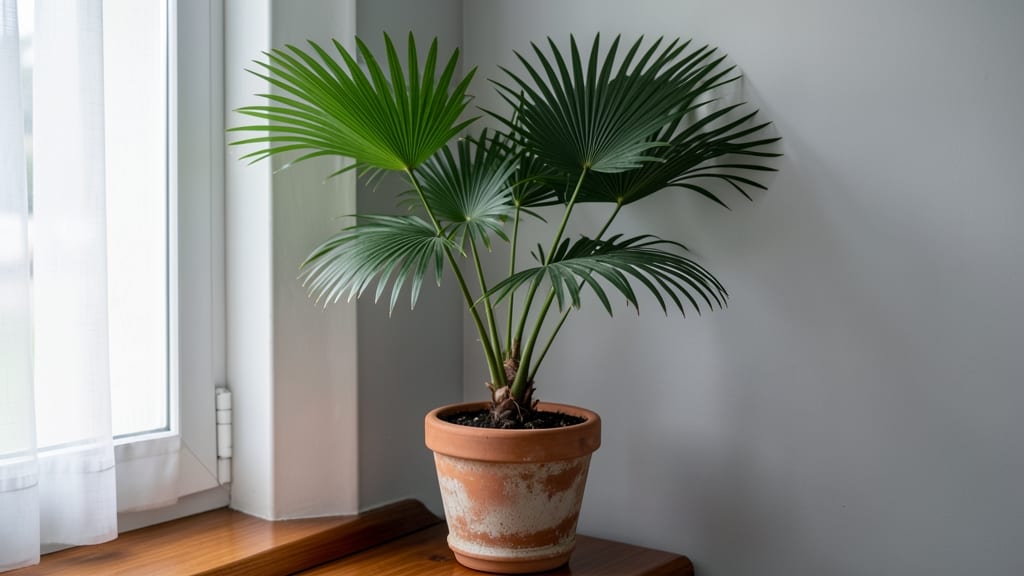
Short palm trees aren’t just for tropical resorts—they’re the perfect statement for patios, balconies, and even cozy corners indoors. 🌿 I’ve learned that pruning these compact varieties (like the elegant parlor palm or sturdy windmill palm) isn’t about drastic cuts—it’s about shaping them with three simple, intentional snips that keep them lush and proportioned year-round.
The beauty of these palms lies in their adaptability. Whether you’re trimming a 1-foot-tall parlor palm for your windowsill or shaping a 5-foot windmill palm on your deck, the same principles apply: remove dead fronds first, then thin out crowded leaves, and finally, shape the crown for balance.
It’s a 10-minute task that transforms a wild-looking plant into a polished focal point.
What you’ll end up with is a palm that stays neat, healthy, and full without losing its natural charm. The right cuts encourage new fronds to unfurl in perfect symmetry, and you’ll notice how much easier it is to keep pests and diseases at bay when the plant isn’t overcrowded.
Plus, the satisfaction of a well-shaped palm is instant—no waiting for seasons to see results.
Works for both indoor palms (like the bamboo palm) and outdoor varieties in containers. The key is consistency: a little attention every few months keeps them looking effortless. Ready to give your small palm the pruning it deserves?
📚 In This Guide
- What you need
- Instructions
- Tips and common mistakes
- Wrapping up and next steps
What you need
- ● Pruning shears: Bypass pruners (for small fronds) or loppers (for thicker fronds) – sterilized with rubbing alcohol.
- ● Pole saw: Extendable (12–20 ft) with a sharp, bypass blade for hard-to-reach fronds.
- ● Heavy-duty gloves: Cut-resistant (e.g., Mechanix or Tiger Claw) to protect hands from sharp edges.
- ● Safety goggles: ANSI-rated to shield eyes from debris.
- ● Disposable gloves: Nitrile (for cleaning up sap/resin).
- ● Heavy-duty trash bags: 30+ gallon capacity (for frond disposal).
- ○ Ladder (optional but helpful): Sturdy, 3-sided (e.g., Werner or Louisville) with non-slip feet.
- ● Pruning saw: For very thick fronds (e.g., Fiskars X7 bypass saw).
- ● Resin remover: Citrus-based cleaner (e.g., Goo Gone) to tackle sticky sap.
- ● Disinfectant spray: 70% isopropyl alcohol to sterilize tools between cuts.
- ● Work boots: Steel-toe for stability on uneven ground.
- ● Friend/partner: A second set of hands (or eyes) for safety! 👋
How to prune palm trees for a compact, healthy shape
Here's the method I use to keep palms tidy and thriving without sacrificing their natural beauty.
🌿 Step 1: Identify the Right Time for Each Cut
Palms don't need frequent pruning, but strategic cuts at the right time keep them looking polished. For new growth pruning, wait until the palm produces 6-12 inches of new fronds—this ensures you're removing mature leaves while preserving young ones. I schedule this in late spring or early summer when temperatures are warm but not extreme.
For dead or damaged fronds, prune anytime you spot them. These are easy to identify—they're brown, brittle, or hanging limply. Remove them immediately to prevent pests or disease from taking hold. Never wait for a full inspection; act when you notice them.
✂️ Step 2: Remove Dead Fronds and Trim Overgrowth
Start with dead fronds—grab the base of the frond with one hand and use sharp, clean pruning shears to cut 1-2 inches above the point where it meets the trunk. Avoid tearing the frond; a clean cut prevents ragged edges that can trap moisture and rot. If the frond is large, cut it in sections to avoid putting too much strain on the shears.
For overgrowth, focus on fronds that are yellowing at the tips or crowding the crown. Remove these first to improve airflow and sunlight penetration. I never remove more than 20% of the fronds at once—this keeps the palm healthy and prevents shock. If you're unsure, err on the side of caution and leave a few extra fronds.
🌱 Step 3: Shape the Crown for Balance and Aesthetics
Step back and assess the palm's shape. The goal is a balanced, symmetrical look without over-pruning. For fan palms, trim fronds that are growing at odd angles or overlapping too much. For feather palms, focus on removing fronds that are growing downward or blocking light from reaching the center.
Use your shears to make precise cuts at the base of the frond, just above the trunk. Avoid cutting into the trunk itself—this can damage the palm and leave it vulnerable to disease. If you accidentally nick the trunk, clean the wound with rubbing alcohol and apply a thin layer of pruning sealant to protect it.
💧 Step 4: Clean Up and Monitor Recovery
After pruning, rake up all the debris and dispose of it properly. Leaving fronds on the ground can attract pests or diseases back to your palm. I also like to give the trunk a quick wipe-down with a damp cloth to remove any sap or debris that might have accumulated during pruning.
In the days following pruning, keep an eye on the palm for signs of stress. Healthy palms will show new growth within 4-6 weeks. If you notice yellowing leaves, wilting, or other signs of distress, reduce watering slightly and ensure the palm is getting enough sunlight. Most palms bounce back quickly, but a little extra care helps them recover faster.
Tips & tricks for perfect palm tree pruning
Here's what I've learned after years of keeping palms looking their best without stressing the plants.
Timing Secret: The late spring or early summer window isn't just about warm weather—it's when palms naturally enter their growth phase. This timing ensures you're removing mature fronds while preserving the new growth that's actively developing. I've found that pruning during this period also minimizes stress on the palm, as it can quickly replace what you remove. Confession: I skipped this timing for years and wondered why my palms looked tired after pruning.
Cutting Technique: When making those 1-2 inch cuts above the trunk in Step 2, think of it like making a clean haircut—no jagged edges. Use sharp pruning shears and make the cut at a slight angle to prevent water from pooling. For large fronds, I always work in sections, starting from the outer edges and moving inward. This prevents putting too much strain on the shears and gives me better control over the cut. Between us, I've ruined three shears trying to cut large fronds in one go!
Visual Assessment: Step back and really look at your palm's shape before making any cuts. The goal is symmetry, but don't get too hung up on perfection—palms have natural asymmetry. For feather palms, I focus on creating a gentle upward curve to the fronds, while fan palms benefit from more uniform spacing. I've learned that removing just 20% of fronds makes a dramatic difference in appearance without harming the plant. Real talk: your eyes will thank you for the improved airflow and sunlight penetration.
Recovery Strategy: That 4-6 week recovery window is actually quite flexible—it's more about observing your specific palm's response. After pruning, I keep a closer eye on watering, reducing it slightly if I notice any signs of stress. Most palms show new growth within 4 weeks, but some tropical varieties can take up to 8 weeks, especially in cooler climates. The key is to monitor rather than guess—your palm will tell you what it needs through its growth patterns.
Pro Tips for Palm Tree Short
- Here's what I've learned after years of keeping palms looking their best without stressing the plants.
- Timing Secret: The late spring or early summer window isn't just about warm weather—it's when palms naturally enter their growth phase.
- Cutting Technique: When making those 1-2 inch cuts above the trunk in Step 2, think of it like making a clean haircut—no jagged edges.
Frequently asked questions
Got questions about keeping your palm trees looking their best with short pruning? Here are some of the most common ones—plus quick, practical answers to help you prune like a pro!
Why should I prune my palm tree short?
Short pruning removes dead or damaged fronds, improves airflow, and reduces the risk of pests/diseases. It also keeps your palm tree looking neat and promotes healthier growth. Think of it as a spa day for your tree!
When is the best time to do a palm tree short prune?
The ideal time is late winter or early spring, just before new growth begins. Avoid pruning during extreme temperatures or when fronds are still green—this can stress the tree. Pro tip: If you spot dead fronds year-round, trim them as needed!
Can I use regular pruners for short pruning?
Nope! Palm trees need sharp, heavy-duty tools like pole pruners or pruning saws for thick fronds. For safety, wear gloves and goggles—those fronds can be seriously sharp! Rent or borrow equipment if you don’t own them.
What if my palm tree looks sad after pruning?
Don’t panic! A freshly pruned palm may look bare, but it’s normal. Focus on watering deeply (but not over-saturating) and avoid fertilizing right after. New fronds should sprout within a few months. Pro tip: If no growth appears after 6 months, check for root issues or pests.
Are there palm trees that shouldn’t be pruned short?
Yes! Avoid short pruning on pygmy palms or small palms under 10 feet tall, as it can stunt growth. Also, skip pruning thatch palms (like Chrysalidocarpus)—they need a different approach. When in doubt, research your specific palm species!
Wrapping up and next steps
Mastering the art of palm tree short pruning transforms your yard into a lush, tropical oasis with minimal effort! 🌴 By focusing on just three strategic cuts—removing dead fronds, thinning dense clusters, and trimming overgrowth—you’ll keep your palm healthy, stylish, and low-maintenance year-round.
Whether you’re a pruning pro or a beginner, these techniques ensure your palm stays vibrant without overcomplicating the process.
Ready to give your palm tree the TLC it deserves? Grab your tools, follow the steps, and enjoy the satisfaction of a perfectly pruned palm—your future self (and neighbors!) will thank you. 🌟