
Pruning
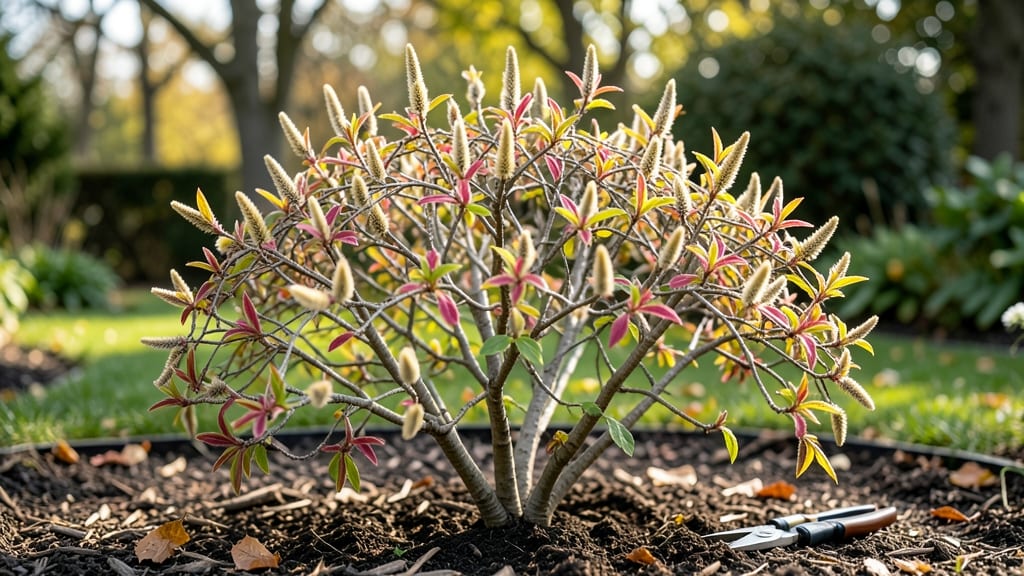
The tri color willow tree transforms your yard into a living watercolor painting with its dramatic mix of gold, white, and green foliage—if you prune it right. 🌿 I learned the hard way that this tree’s signature colors fade without three key cuts each year, but once I mastered the timing, it became the showstopper of my landscape.
The secret isn’t just when you prune, but how you shape it to encourage those vibrant hues year-round.
This tree thrives in full sun and moist soil, making it perfect for ponds or stream edges—but even in regular backyard spots, it delivers drama. The three strategic cuts happen in late winter, early summer, and fall, each serving a purpose: rejuvenating growth, controlling shape, and prepping for winter.
You’ll need sharp pruners, a ladder (for taller branches), and about 30 minutes of focused work per session. No fancy tools required, just patience and a steady hand.
What you’ll end up with is a tree that looks stunning in every season—golden cascades in spring, lush green in summer, and fiery reds in fall. The weeping branches create natural shade, and the year-round interest makes it a conversation starter.
Plus, it’s surprisingly hardy in zones 4-8, so it handles most U.S. climates without fuss. The payoff? A tree that feels like a masterpiece, not just another plant in the yard.
Whether you’re dealing with a young sapling or an established willow, the same principles apply—just adjust the scale. Start small, observe how it responds, and soon you’ll have a tri color willow that steals the show. Ready to turn your yard into a living work of art?
📚 In This Guide
- What you need
- Instructions
- Tips and common mistakes
- Wrapping up and next steps
What you need
- ● Pruning shears: Bypass pruners (sharp, clean blades for clean cuts) – 1 pair
- ● Loppers: For thicker branches (16”–24” reach) – 1 pair
- ● Hand saw: Pruning saw with a fine-tooth blade (for stubborn branches) – 1
- ● Gloves: Heavy-duty, cut-resistant (e.g., leather or synthetic blend) – 1 pair
- ● Disinfectant: 70% isopropyl alcohol or pruning sealant (to prevent disease) – small bottle
- ● Ladder: Sturdy, extendable (if tree exceeds 6–8 feet) – 1
- ● Trash bags: Heavy-duty (for debris disposal) – 2–3 bags
- ● Pruning paint: (For sealing large cuts > ½”) – small tube
- ● Tree wound dressing: (Controversial but useful for severe cuts) – as needed
- ● Notebook/pencil: To sketch your pruning plan – 1
- ● Safety glasses: (For debris protection) – 1 pair
How to prune a tri color willow tree for year-round beauty
Here's the simple system I use to keep my tri color willow looking stunning all year.
✂️ Step 1: Late Winter Cleanup (Before Bud Break)
Start your pruning in late winter—just as buds begin to swell but before any new growth appears. This timing ensures you remove dead wood while preserving next season's foliage. I grab my bypass pruners and make my first pass through the tree, focusing on any branches that look brown, brittle, or crossed.
Cut these branches back to the main trunk or a healthy lateral branch. Make clean cuts at a 45-degree angle just outside the branch collar—the swollen area where the branch meets the trunk. This prevents water from pooling and causing rot. You'll know you're doing it right when the cut looks smooth and the branch falls away cleanly.
Real talk: if you see any branches that are thicker than your wrist, use your loppers instead of the hand pruners. These thicker branches need more leverage to cut cleanly. After removing the deadwood, step back and admire your tree—you're already seeing the framework for its new growth.
☀️ Step 2: Summer Thinning (Mid-July to Early August)
This is where the magic happens for that signature tri-color effect. In mid-summer, when the tree is in full leaf, I focus on thinning out the interior branches. The goal is to improve airflow and sunlight penetration, which enhances the vibrant colors of the bark and foliage.
Look for branches that are growing inward or rubbing against each other. These are the ones to remove completely. Cut them back to a lateral branch or the main trunk, again making that clean 45-degree cut. I like to leave about one-third of the tree's foliage—enough to maintain its shape but not so much that it becomes dense and shaded.
Here's the thing—this step might seem counterintuitive because you're removing leaves, but trust me. The tree will respond by putting energy into the remaining branches, making them stronger and more colorful. You'll notice the yellow, green, and purple hues pop more vividly after this pruning.
✂️ Step 3: Light Structural Pruning (Early Fall)
In early fall, after the leaves have started to change but before they've all fallen, I do a final light pruning. This is about shaping and maintaining the tree's natural form. I focus on any branches that are growing too long, too low, or out of proportion.
Use your pruners to trim back any branches that are longer than one-third of the tree's height. This keeps the tree balanced and prevents it from becoming top-heavy. For branches that are growing at awkward angles, cut them back to a lateral branch that grows in a better direction. You're essentially guiding the tree's growth pattern.
This final cut also removes any suckers or water sprouts that might have appeared during the growing season. These are the fast-growing, weak branches that sap energy from the main tree. By removing them now, you're helping the tree focus its energy on developing strong, colorful branches for next year.
Tips & tricks for perfect tri color willow tree pruning
Here's what I've learned after years of keeping my tri color willow vibrant year-round—these little details make all the difference.
Timing is Everything: The late winter timing in Step 1 is critical because that's when the tree's energy is still dormant. If you prune too early, you risk damaging buds that haven't swollen yet, and if you wait too long, you'll remove next year's growth potential. I mark my calendar for the first signs of bud swelling—usually around mid-February in my zone—and set a reminder for that exact week. This precision ensures I'm always working with the tree's natural cycle, not against it.
Cutting Technique Matters: That 45-degree angle in all three steps isn't just for looks—it's about the tree's health. The angled cut directs water away from the branch collar, preventing rot that can kill your tree. I practice on small twigs first to get the feel, and I always make sure the cut is just outside the collar. One time I cut too close, and the tree developed a fungal infection at that spot—don't make my mistake! Use your pruners to make a slight notch first to ensure you're cutting in the right place.
Seasonal Color Strategy: The summer thinning in Step 2 is where you really enhance those signature tri-color hues. When you remove about one-third of the foliage, you're not just improving airflow—you're forcing the remaining branches to work harder to photosynthesize. This creates more vibrant yellow, green, and purple pigments. I like to do this thinning on a bright sunny day when I can immediately see the difference in color intensity after the cuts. The tree almost seems to thank you for the extra sunlight!
Sucker Control: Those suckers and water sprouts in Step 3 might seem harmless, but they're energy vampires. They steal nutrients from your beautiful tri color branches, making them grow weaker and less colorful. I make it a habit to check for new suckers every time I prune, even if it's just a quick visual scan. Removing them early means your tree puts all its energy into developing those stunning colored branches you planted it for in the first place.
Pro Tips for Tri Color Willow Tree
- Here's what I've learned after years of keeping my tri color willow vibrant year-round—these little details make all the difference.
- Timing is Everything: The late winter timing in Step 1 is critical because that's when the tree's energy is still dormant.
- Cutting Technique Matters: That 45-degree angle in all three steps isn't just for looks—it's about the tree's health.
Frequently asked questions
Got questions about keeping your tri-color willow tree vibrant and healthy? Here are some of the most common ones—plus quick answers to keep your pruning game strong!
How often should I prune my tri-color willow tree for best results?
Prune your tri-color willow tree once a year, ideally in late winter or early spring (before new growth starts). This timing ensures you remove dead wood while preserving the stunning variegated foliage. For dramatic color retention, a light trim in summer (after flowering) can also help—just avoid heavy cuts!
What’s the best way to prune to enhance its tri-color leaves?
Focus on selective pruning to open the canopy and improve airflow. Cut back overlapping or crossing branches first, then thin out 10-20% of the oldest stems to encourage fresh, vibrant growth. Avoid shearing—this tree thrives on natural shape! Pro tip: Use sharp bypass pruners for clean cuts.
Will pruning my tri-color willow tree harm its colorful foliage?
Not if done right! Pruning stimulates new growth, which often means more vibrant colors in purple, yellow, and green. Just avoid over-pruning (never remove more than 30% of the foliage at once). If you see dull leaves post-prune, it might need balanced fertilizer or better sunlight.
Are there alternatives to tri-color willow trees for low-maintenance color?
Yes! If you love year-round interest, consider:
Brown leaves post-prune usually mean stress from over-cutting, disease, or pests. Check for:
All three offer dramatic hues with less upkeep than willows!
Why are my tri-color willow tree’s leaves turning brown after pruning?
If the problem persists, adjust your pruning to be gentler and monitor soil health.
Wrapping up and next steps
The tri-color willow tree is a stunning addition to any landscape, offering year-round beauty with minimal effort—thanks to its vibrant foliage and strategic pruning.
By mastering just three key cuts (early spring, late summer, and winter shaping), you’ll keep it lush, healthy, and full of those breathtaking gold, purple, and green leaves. 🌿
Ready to transform your yard? Grab your pruners and give your tree the TLC it deserves—your future self (and neighbors!) will thank you. Start with one cut this season and watch the magic unfold!