
Orchid Care
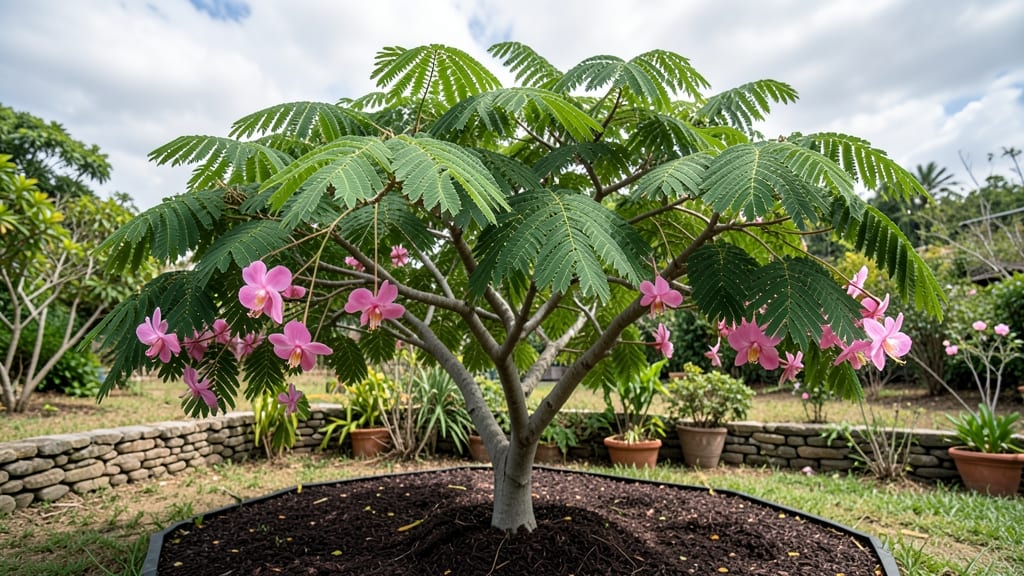
Orchid trees (Bauhinia spp.) thrive in Florida’s warm climate, but they demand specific care to keep those showstopping blooms coming year-round. 🌺 I’ve watched mine transform from bare branches to a canopy of pink and white flowers—all thanks to a few key adjustments for our humid, sunny state.
The biggest lesson? Florida’s heat and humidity aren’t the enemy—they’re just different from what most care guides assume.
Start with well-draining soil (think sandy loam mixed with compost) and a spot that gets at least 6 hours of direct sun daily—but protect them from harsh afternoon rays if your tree is young.
Watering’s where most Florida gardeners trip up: deep soaks once a week in summer, but let the top 2 inches dry out between waterings. Overwatering in our sticky climate leads to root rot faster than you’d think.
By mid-spring, you’ll see those iconic orchid-shaped blooms appear, and with proper pruning after flowering, your tree will stay bushier and more productive. The secret weapon? A light trim right after blooms fade—it encourages new growth and keeps the shape manageable.
Even in Florida’s mild winters, a little extra attention prevents pests like scale or spider mites from moving in.
This tree isn’t just for big yards—container-growing works too, as long as the pot drains well and you’re ready to move it indoors if temperatures dip below 30°F.
The payoff? A tree that looks like a tropical vacation in your own backyard, with minimal fuss once you get the basics right.
📚 In This Guide
- What you need
- Instructions
- Tips and common mistakes
- Wrapping up and next steps
What you need
- ● Orchid Tree: 1 healthy nursery-grown plant (3–5 ft tall for faster blooms) or seeds (if starting from scratch). Pro tip: 💡 Choose Bauhinia variegata or Bauhinia purpurea for Florida’s climate!
- ● Well-draining soil: 3–5 bags of cactus/succulent mix (or amend native soil with 50% perlite/sand for aeration).
- ○ Container (optional for pots): 1 large pot (15–20 gallons) with drainage holes or a raised bed (4’x4’ minimum for in-ground planting).
- ● Mulch: 2–3 bags of pine bark fines or organic mulch to retain moisture.
- ● Garden tools: 1 trowel or transplant spade
- ● 1 pair of pruning shears (sterilized with rubbing alcohol)
- ● 1 watering can or hose with a gentle spray nozzle
- ● Fertilizer: 1 bag of balanced 10-10-10 fertilizer (or slow-release orchid fertilizer for potted trees).
- ○ Support (optional): 1–2 bamboo stakes or a small trellis (for climbing varieties like Bauhinia blakeana).
- ● Sunlight access: Full sun (6+ hours/day) or partial shade (for younger plants in extreme heat).
- ● Florida-friendly pesticides (if needed): Neem oil or insecticidal soap (for aphids/mealybugs).
Step-by-step guide for planting and maintaining orchid trees in Florida
Florida’s climate is perfect for orchid trees—here’s how to set yours up for vibrant, year-round blooms.
🌱 Step 1: Choose the Right Location and Prepare the Soil
Orchid trees thrive in full sun to partial shade, with at least 6 hours of sunlight daily. In Florida’s heat, afternoon shade helps prevent leaf scorch. Pick a spot with well-draining soil—orchid trees hate soggy roots. If your soil is heavy clay, mix in 2-3 inches of organic matter (like compost or aged pine bark) to improve drainage.
Here’s the thing—orchid trees grow best in slightly acidic to neutral soil (pH 6.0-7.0). Test your soil with a simple kit if you’re unsure. Amending with sulfur or peat moss can lower pH if needed. Avoid fresh mulch near the trunk—keep it 3-4 inches away to prevent rot.
☀️ Step 2: Plant Your Orchid Tree at the Right Time and Depth
Plant in early spring or fall when temperatures are mild—60-80°F is ideal. Dig a hole twice as wide as the root ball but no deeper. Gently remove the tree from its container and loosen any circling roots. Place it in the hole so the top of the root ball sits level with the ground—burying too deep suffocates the roots.
Backfill with native soil mixed with 1 part compost, then water deeply to settle everything. You’ll know it’s right when the soil looks slightly damp but not muddy. Mulch with 2-3 inches of pine bark or wood chips, keeping it clear of the trunk. This helps retain moisture while preventing weeds.
💧 Step 3: Water Consistently Without Overdoing It
Orchid trees need regular moisture but hate soggy soil. Water deeply once a week (or more in extreme heat) until water runs out the drainage holes. Check soil moisture by sticking your finger 2 inches deep—if it’s dry, water again. In Florida’s humidity, you might need every 5-7 days during summer.
Real talk: Overwatering is the #1 killer of orchid trees. Yellowing leaves or mushy stems mean you’re watering too much. If this happens, let the soil dry out completely before watering again. Fertilize lightly with a balanced, water-soluble fertilizer (10-10-10) every 4-6 weeks during growing season (spring-fall). Skip fertilizer in winter when growth slows.
✂️ Step 4: Prune and Shape for Healthy Growth and Blooms
Prune after flowering to encourage new growth. Cut back 1/3 of the oldest stems to the nearest leaf node in early spring. This keeps the tree bushy and promotes fresh blooms. Remove any dead, diseased, or crossing branches with clean, sharp pruners—always sterilize tools with rubbing alcohol first.
Watch for pests like scale or aphids, which love orchid trees. Spray infested areas with neem oil or insecticidal soap if you spot sticky residue (honeydew) or tiny bugs. Prune lightly in summer to shape the tree, but avoid heavy cuts—this stresses the plant during Florida’s heat. A well-pruned orchid tree will reward you with bold, tropical blooms year-round.
Tips & tricks for perfect orchid tree care in Florida
Florida’s tropical climate is ideal for orchid trees—but a few key adjustments make all the difference for those vibrant blooms.
Sunlight Strategy: While orchid trees love full sun, Florida’s afternoon heat can scorch leaves. I’ve found the sweet spot is morning sun with afternoon shade—position your tree where it gets those 6 hours of sunlight but moves into partial shade after 12 PM. If you notice crispy leaf edges, it’s a clear sign to adjust the shade.
Soil Testing Tip: Don’t guess about your soil’s pH—test it! I’ve seen orchid trees struggle in Florida’s alkaline soils (common in limestone areas). If your test shows pH above 7.0, mix in 1 part sulfur to 10 parts soil when planting. This small adjustment prevents nutrient deficiencies that cause yellow leaves.
Watering Wisdom: That "once a week" guideline can be tricky in Florida’s humidity. I check soil moisture every 3-4 days during summer—if the top 2 inches feel dry, water deeply. The key is letting water drain completely; orchid trees can’t handle soggy roots. A moisture meter makes this easier, but even a finger test works if you’re consistent.
Pruning Precision: When cutting back those 1/3 of oldest stems in early spring, make clean cuts just above a leaf node. I use sterilized pruners and cut at a 45-degree angle to prevent water from pooling on the wound. This simple technique reduces disease risk and encourages faster regrowth. Avoid pruning in summer—your tree needs all its energy to handle Florida’s heat.
Pro Tips for Orchid Tree Florida
- Florida’s tropical climate is ideal for orchid trees—but a few key adjustments make all the difference for those vibrant blooms.
- Sunlight Strategy: While orchid trees love full sun, Florida’s afternoon heat can scorch leaves.
- Soil Testing Tip: Don’t guess about your soil’s pH—test it!
Frequently asked questions
Got questions about growing orchid trees (Bauhinia spp.) in Florida’s warm climate? You’re not alone! Here are answers to the most common concerns—from planting to troubleshooting—so you can keep your tropical beauty blooming year-round.
Can orchid trees survive Florida’s hurricanes and storms?
Orchid trees are tropical tough but need protection during storms. Plant them in well-draining soil and stake young trees to prevent wind damage. In hurricane-prone zones, consider container growing and moving pots indoors during severe weather. Mature trees with strong roots often bounce back with minimal harm!
How often should I fertilize my orchid tree in Florida?
Feed your orchid tree every 4–6 weeks during spring and summer (growing season) with a balanced, water-soluble fertilizer (10-10-10 or 20-20-20). Reduce feeding in fall/winter to once every 2–3 months. Pro tip: Avoid over-fertilizing—yellow leaves or leaf drop can signal too much nutrients!
Why aren’t my orchid tree leaves turning green, and what can I fix?
Yellow or pale leaves usually mean overwatering, poor drainage, or nutrient deficiency. Check soil moisture—orchid trees hate soggy roots! Amend soil with perlite or sand for better drainage. If leaves stay yellow, test soil pH (ideal: 6.0–7.5) and apply iron supplement if needed.
Are there Florida-friendly alternatives to orchid trees?
If orchid trees seem too high-maintenance, try these low-maintenance Florida natives with similar tropical vibes:
- Royal Poinciana (Delonix regia) – Drought-tolerant, fiery orange blooms.
- Gumbo Limbo (Bursera simaruba) – Heat-resistant with peeling bark.
- Firebush (Hamelia patens) – Bright red flowers, attracts hummingbirds.
- Jacaranda (Jacaranda mimosifolia) – Purple blooms, thrives in well-drained soil.
What pests should I watch for on orchid trees in Florida?
Keep an eye out for:
- Scale insects – Sticky residue on leaves? Scrape off or use neem oil.
- Aphids – Clustered on new growth? Blast off with water or apply insecticidal soap.
- Spider mites – Tiny webs on undersides? Increase humidity and spray with water.
Wrapping up and next steps
Growing an orchid tree in Florida is a rewarding journey that brings vibrant tropical beauty to your landscape—and you’ve got all the tools to succeed! 🌺 With the right soil, sunlight, and seasonal care, your Bauhinia or Cassia will thrive year-round.
Remember, consistency is key, whether it’s pruning, fertilizing, or protecting against pests.
Ready to take the next step? Plant your orchid tree today and enjoy its stunning blooms while sharing your green thumb success with fellow Florida gardeners. Happy gardening! 🌿