
Propagation
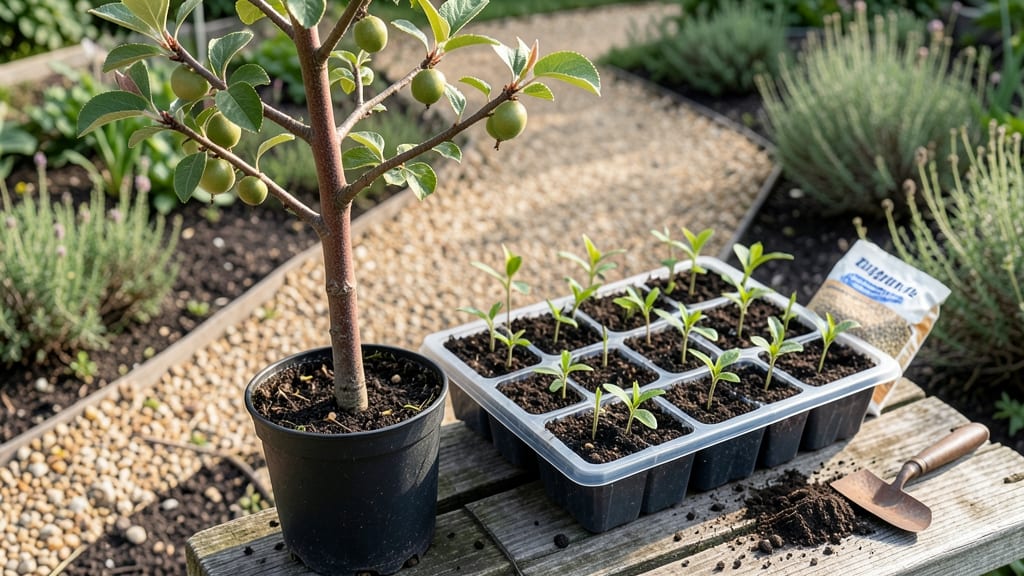
Growing a nectarine tree from seed is the ultimate long-game gardening project—one that rewards patience with a tree bearing fruit unlike anything you’d find at the grocery store. 🌱 The catch?
Those sweet, juicy nectarines you dream of might not look exactly like the parent tree, thanks to nature’s unpredictable ways. But the journey—from seed to sapling—is where the real magic happens.
You’ll need a ripe nectarine (organic, if possible), a warm spot, and a little time—think 2-3 years before you even see flowers, and 5-7 years for potential fruit. The process starts with scarifying the pit, then nurturing the seedling through its fragile early months.
It’s not a quick harvest, but the satisfaction of growing something from scratch? That’s a flavor no store-bought fruit can match.
Expect challenges: some seeds won’t sprout, and the tree might grow into something entirely different from the parent. But that’s part of the adventure.
With the right care—sunlight, water, and a little luck—you’ll end up with a tree that’s uniquely yours, standing tall in your yard, proving that good things truly come to those who wait.
Perfect for gardeners who love a challenge and don’t mind waiting for rewards. Here’s how to turn that pit into a tree—and maybe, just maybe, a nectarine worth bragging about.
📚 In This Guide
- What you need
- Instructions
- Tips and common mistakes
- Wrapping up and next steps
What you need
- ● Fresh nectarine seeds: 2–5 fully mature, firm seeds (avoid soft or shriveled ones). Pro tip: 💡 Use seeds from organic fruit for better germination!
- ○ Small pots or seed trays: 4–6 (3–4 inches deep) with drainage holes. Optional: Biodegradable peat pots for easy transplanting.
- ● Well-draining potting mix: 1–2 bags of seed-starting mix (sterile, lightweight, and peat-based).
- ● Plastic wrap or humidity dome: To maintain moisture during germination.
- ● Spray bottle: For gentle watering (avoid over-saturating seeds).
- ● Grow lights or sunny windowsill: A south-facing window or LED grow lights (12–16 hours/day).
- ● Scissors or knife: For carefully removing seeds from fruit pulp.
- ● Paper towels or damp cloth: To clean seeds before planting.
- ● Patience (5+ years!) 🌱 Nectarine trees from seed take years to bear fruit—plan ahead!
- ○ Outdoor space: A permanent planting spot in full sun (6+ hours/day) with well-draining soil (pH 6.0–7.0). Optional: Soil test kit to check pH.
- ● Mulch: Organic mulch (e.g., straw or wood chips) to retain moisture and regulate soil temp.
- ● Store-bought seeds (often treated or hybridized—low germination rates).
- ● Overcrowded pots (thin seedlings to 1 per pot at the 2-leaf stage).
- ● Cold drafts or temperature fluctuations (keep seeds warm, ~70–75°F for germination).
Step-by-step guide to growing a nectarine tree from seed
Here's how to nurture a nectarine from seed to sapling—with patience and care.
🌱 Step 1: Extract and Prep the Seed
Start by selecting a ripe, organic nectarine—conventional fruit often has seeds treated to prevent germination. Cut the fruit open and remove the large, flat seed. Rinse it thoroughly to remove any fruit residue, which can cause mold. The seed’s outer shell is tough, so I like to use a small nail or knife to gently score one side without piercing all the way through. This helps water penetrate later.
Place the scored seed between two damp paper towels, then fold the towels to encase it completely. Store in a sealed plastic bag and refrigerate for 60-90 days. This stratification mimics winter conditions and breaks seed dormancy. Check the towels weekly—they should stay moist but not soggy. You’ll know it’s ready when a tiny root (radicle) emerges from the scored side.
💧 Step 2: Germinate the Seed Indoors
Once the radicle appears, transfer the seed to a small pot filled with sterile seed-starting mix. Plant it ½ inch deep, with the scored side facing down. Water lightly until the soil is evenly moist but not waterlogged. Place the pot in a warm spot (70-75°F) with bright, indirect light—like a south-facing windowsill with sheer curtains. A heat mat can speed germination if your home runs cooler.
Germination can take 2-6 weeks. Be patient—nectarine seeds are slow to sprout. Keep the soil consistently moist by misting daily, but avoid overwatering, which causes rot. Once the first true leaves appear (not the initial seed leaves), move the seedling to a slightly larger pot with well-draining potting mix. This is the moment that matters: strong roots mean better survival later.
☀️ Step 3: Transition to Outdoor Conditions
After 4-6 weeks of indoor growth, when the seedling has 3-4 true leaves and sturdy stems, it’s time to harden it off. Start by placing the pot outside in a shaded, sheltered spot for 1-2 hours the first day. Gradually increase exposure over 10-14 days, moving it to sunnier locations and leaving it out overnight as temperatures warm. Watch for signs of stress—yellowing leaves or wilting mean it’s adjusting too quickly.
By late spring, when nighttime temperatures stay above 50°F, transplant the sapling into the ground in a sunny, well-draining location. Dig a hole twice as wide as the root ball but no deeper. Mix the excavated soil with compost to improve fertility, then place the seedling in, backfilling gently to eliminate air pockets. Water deeply to settle the soil and encourage root spread.
🌿 Step 4: Nurture the Young Sapling
For the first year, focus on root and leaf growth—not fruit. Keep the soil consistently moist (about 1 inch of water per week), but avoid soggy conditions. Mulch around the base with 2-3 inches of organic mulch to retain moisture and suppress weeds. A balanced fertilizer (like 10-10-10) applied lightly in early spring encourages strong development, but don’t overdo it—young trees are sensitive to excess salts.
Real talk: A nectarine grown from seed may not produce fruit for 5-7 years, and the fruit won’t match store-bought quality. However, the process is rewarding. Prune in late winter to remove dead or crossing branches, and train the tree to a strong central leader. If you’re lucky, you might get a few small, tart fruits—but the joy is in watching the tree mature.
Tips & tricks for perfect nectarine tree growth from seed
These insider tricks will help you navigate the delicate journey from seed to sapling with confidence.
Stratification Insight: The 60-90 day cold treatment isn't just about time—it's about creating the perfect winter simulation. Place your sealed bag in the crisper drawer of your refrigerator where temperatures hover around 35-40°F for more consistent conditions. I've found that checking weekly isn't just about moisture—it's your chance to verify the seed's progress without disturbing the delicate radicle development. This patience pays off when you finally see that first tiny root emerge.
Germination Environment: While 70-75°F is ideal, don't stress if your home runs cooler. A simple heat mat ($15 at garden centers) placed under your seedling pot can make all the difference in stubborn germination cases. Position it so the heat source is below the pot, not touching the soil directly—this prevents overheating while encouraging root development. The key is maintaining that consistent warmth without creating a sauna effect.
Hardening Off Strategy: That gradual 10-14 day transition is where most seedlings fail. Start with just 1-2 hours of shade on day one, then increase by 30 minutes each subsequent day. I've seen gardeners rush this process and end up with crispy, sunburned leaves. Watch for the plant's natural responses—if it wilts slightly but recovers within minutes, it's adjusting fine. If leaves stay droopy for hours, it's getting too much sun too soon.
Transplanting Technique: When you're ready to move your sapling outdoors, focus on the root ball rather than the hole depth. The hole should be twice as wide as the root ball but never deeper—this prevents root suffocation. Mix your native soil with compost at a 3:1 ratio for best results. The compost adds beneficial microbes while the native soil provides familiar textures that reduce transplant shock. Water deeply after planting to eliminate air pockets and encourage immediate root contact with moist soil.
Pro Tips for Nectarine Tree From Seed
- These insider tricks will help you navigate the delicate journey from seed to sapling with confidence.
- Stratification Insight: The 60-90 day cold treatment isn't just about time—it's about creating the perfect winter simulation.
- Germination Environment: While 70-75°F is ideal, don't stress if your home runs cooler.
Frequently asked questions
Growing a nectarine tree from seed is a rewarding but patient process—here are answers to the most common questions to help you succeed!
How long does it take for a nectarine seed to sprout?
A nectarine seed typically sprouts within 2–4 weeks when soaked and planted in warm, moist soil. Cold stratification (chilling for 4–8 weeks) can speed this up. If no sprouts appear after 6 weeks, check moisture levels or try replanting the seed—patience is key!
Will a nectarine grown from seed taste the same as the parent fruit?
Probably not! Seeds produce unpredictable fruit—often smaller, less sweet, or even bitter. For consistent flavor, graft nectarine varieties onto rootstock or buy a young tree. If you’re okay with surprises, seed-grown trees can still yield unique (and fun!) results!
Do I need to stratify nectarine seeds before planting?
Yes! Stratification mimics winter and breaks seed dormancy. Soak seeds in water for 24 hours, then mix with damp sand or peat moss. Store in the fridge for 4–8 weeks before planting. Skip this step, and germination rates drop dramatically.
Can I grow a nectarine tree indoors or in a container?
Young nectarine seedlings can start indoors but need outdoor conditions to thrive long-term. Containers work for dwarf varieties, but ensure they’re at least 15–20 gallons and get full sun. Move potted trees outside after the last frost for pollination and fruit development.
Why isn’t my nectarine seedling growing fast?
Slow growth is normal! Seedlings focus on roots first—expect 1–2 inches per month in ideal conditions. Check for:
- Sunlight: 6+ hours daily
- Water: Keep soil moist but not soggy
- Nutrients: Use balanced fertilizer in spring
- Pests: Inspect for aphids or mites
When can I expect fruit from a seed-grown nectarine tree?
Be patient! Seedlings take 5–10 years to bear fruit, and even then, it may not be true to the parent variety. For faster results, consider grafting a known cultivar onto your seedling’s rootstock. Prune regularly to encourage strong growth.
Wrapping up and next steps
Growing a nectarine tree from seed is a rewarding journey that blends patience, care, and a touch of gardening magic.
While it may take years before you enjoy that first juicy fruit, the process itself is a fascinating adventure in nurturing life from something as small as a pit. Celebrate every tiny milestone—sprouting, transplanting, and even your first blossoms!
Ready to take the next step? Once your seedling matures, consider grafting for faster fruit production or researching local climate needs to ensure your tree thrives. Happy growing—your future nectarines are waiting! 🌱🍑