
Pruning
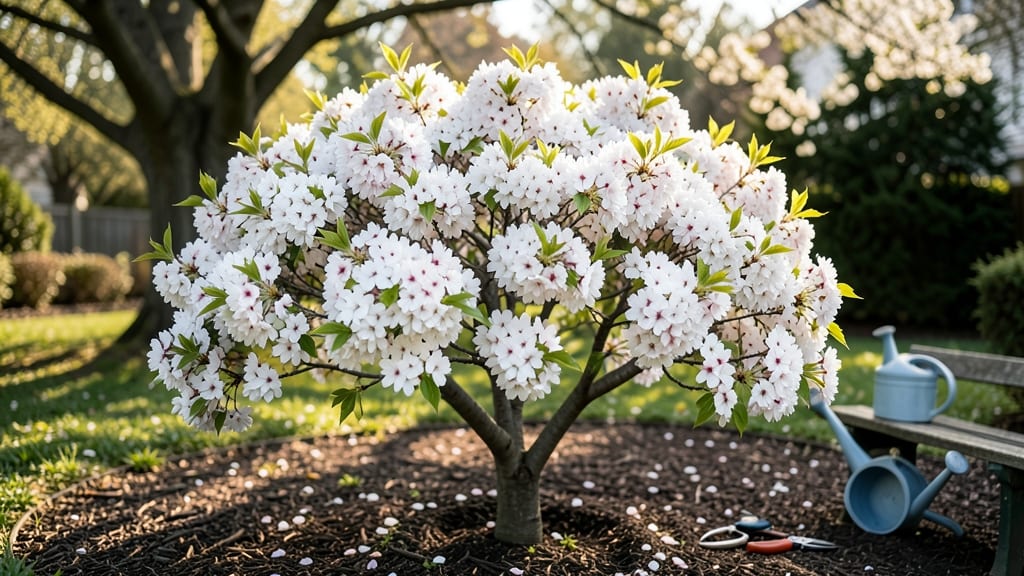
The Mt. Fuji cherry tree transforms any garden into a dreamy springtime scene with its double-pink blossoms that look like they’ve been dusted with cherry blossom powder. 🌸 I’ve pruned mine for eight seasons now, and the key to keeping it both stunning and productive lies in a year-round approach that balances blooms and fruit—because this isn’t just an ornamental tree, it’s a dual-purpose star.
Here’s the thing—most people prune cherry trees once in late winter, but the Mt. Fuji variety thrives when you adjust your timing. Light pruning after each bloom cycle (spring and summer) keeps the shape open for air circulation, which prevents fungal issues and lets those signature blossoms shine.
And yes, I know that sounds counterintuitive—you want more flowers, but you also want fruit. The secret is in the cuts: focus on thinning out crowded branches in early summer to encourage next year’s buds.
By following this schedule, you’ll end up with a tree that bursts with vibrant pink blooms in spring and still produces small, edible cherries later in the season.
The tree stays compact enough for small yards but dramatic enough to anchor a landscape, with glossy green foliage that turns a rich bronze in fall. The best part? You’ll spend less time fighting pests or diseases because proper pruning keeps the tree healthy year-round.
Whether you’re working with a young sapling or an established tree, the principles stay the same—just adjust the intensity. And if you’ve ever struggled with cherry trees dropping blossoms or producing sparse fruit, this method changes everything. Let’s get those pruners ready!
📚 In This Guide
- What you need
- Instructions
- Tips and common mistakes
- Wrapping up and next steps
What you need
- ● Pruning shears: Bypass pruners (sharp, clean, and sterilized with rubbing alcohol between cuts to prevent disease). Quantity: 1 pair (or 2 if working with large branches).
- ● Loppers: For thicker branches (½"–2" diameter). Quantity: 1 pair.
- ● Pruning saw: For branches >2" in diameter. Quantity: 1.
- ● Gloves: Heavy-duty, cut-resistant gloves (cherry trees have thorns!). Quantity: 1 pair.
- ● Disinfectant: 70% isopropyl alcohol or a blank">tree-pruning spray (to sterilize tools). Quantity: Small bottle.
- ○ Sealing wax: Optional but helpful for large cuts (>½") to prevent disease. Quantity: Small tube.
- ● Pruning sealant: (e.g., blank">Tanglefoot Tree Wound Pruning Seal) for only major cuts. Quantity: Small bottle.
- ● Ladder or step stool: For reaching higher branches. Height: Adjustable to 8–12 ft.
- ● Trash bags: For collecting pruned branches. Quantity: 2–3 large bags.
- ● Notebook & pen: To track pruning notes (dates, cuts, growth observations). Quantity: 1.
- ● Extension pole pruners: For hard-to-reach branches without a ladder. Reach: 6–10 ft.
- ● Tree growth regulator: (e.g., Bonide Fruit Tree Spray) to promote balanced blooms and fruit. Quantity: 1 spray bottle.
- ● Hand lens/magnifier: For inspecting buds and small cuts closely. Magnification: 10x.
- ● Work apron: With pockets for tools and supplies. Style: Adjustable, breathable fabric.
- ● Safety glasses: To protect eyes from debris. Quantity: 1 pair.
How to prune your Mt Fuji cherry tree for stunning blooms and fruit
Here’s how I keep my Mt Fuji cherry tree thriving—balancing breathtaking flowers with delicious fruit all year.
⏰ Step 1: Late Winter Pruning (Before Bud Break)
Start in late winter (just before buds swell) to shape your tree and encourage strong growth. Remove dead, diseased, or crossing branches first—they’ll compete with new blooms. I always cut at a 45-degree angle just above an outward-facing bud to promote healthy regrowth.
Thin out overcrowded branches to improve airflow, which prevents fungal issues. Aim to open the center of the tree so sunlight reaches all branches. If you see suckers (shoots growing from the base or trunk), snip them off immediately—they drain energy from fruit and flowers.
Here’s the thing—Mt Fuji cherries bloom on last year’s wood, so avoid heavy pruning. Just light shaping keeps the tree balanced without sacrificing next year’s flowers.
🌿 Step 2: Summer Pruning (After Flowering)
After the spring bloom fades, focus on fruit-bearing branches. Remove any damaged or weak growth that’s blocking light from the center. I look for branches growing straight up—these often bear fewer cherries and can be thinned to redirect energy.
Watch for water sprouts (fast-growing, vertical shoots) and prune them back to a lateral branch. These shoots steal nutrients from fruit production. A good rule: Never remove more than 25% of the tree’s foliage in one go—this keeps the tree strong for fall fruit ripening.
Real talk: If your tree is young (<5 years), skip heavy pruning entirely. Focus on removing only the worst offenders—let it build its structure naturally.
✂️ Step 3: Light Fall Cleanup (Before Dormancy)
In late fall, do a final sweep to remove diseased leaves or twigs that could harbor pests over winter. Sterilize your pruners with rubbing alcohol between cuts to prevent spreading pathogens. I also trim any deadheading (spent blossoms) left on the tree—though Mt Fuji cherries don’t need deadheading, removing stragglers keeps the tree tidy.
This is the moment that matters: Shape the tree for winter wind resistance. Rounded canopies handle snow better than sharp angles. If branches are rubbing together, prune one slightly to prevent bark damage.
Stop pruning by mid-October—new growth won’t harden off in time for winter. You’ll see fresh buds forming by spring, signaling you’ve done it right.
☀️ Step 4: Year-Round Maintenance Checks
Every 2-3 months, scan your tree for suckers, dead wood, or pest damage. Mt Fuji cherries are prone to silver leaf disease—if you spot discolored leaves, prune infected branches immediately and dispose of them in the trash (not compost).
Adjust pruning based on fruit yield: If cherries are small or sparse, lighten up on summer pruning. The goal is balance—enough structure for airflow, but not so much that the tree struggles to produce blooms and fruit.
Don’t skip this (I learned the hard way): If you prune too late in fall, new growth won’t mature before winter. Wait until buds are dormant but before hard frost.
Tips & tricks for perfect Mt Fuji cherry tree pruning
A few simple tricks will help you keep your Mt Fuji cherry tree thriving year after year.
Timing is Everything: The late winter pruning in Step 1 should happen when buds are just starting to swell—this is the sweet spot for shaping without damaging next year's blooms. I always check by gently pressing a bud; if it feels firm but not hard, it's ready. This precise timing ensures you're cutting only dead wood while preserving the branches that will produce flowers on last year's growth.
Pruning Angle Matters: When you make those 45-degree cuts in Step 1, imagine you're creating a tiny roof over the outward-facing bud. This angle directs water and nutrients away from the cut, preventing rot. I use a sharp pruner and make clean cuts just above the bud—no jagged edges that could invite disease. This small detail makes a huge difference in how quickly the tree heals.
Summer Pruning Strategy: In Step 2, focus on those vertical water sprouts—they're like weeds stealing energy from your cherries. Cut them back to a lateral branch, not just any old cut. I look for branches growing straight up like arrows; these rarely produce fruit and often create shade in the center of the tree. Removing just 25% of foliage keeps the tree strong while improving airflow and fruit quality.
Fall Preparation Secret: That mid-October deadline in Step 3 isn't just arbitrary—it's when new growth needs about 6 weeks to harden off before winter. I always check by looking at the buds: if they're still soft, wait a few more days. This timing ensures your tree enters dormancy fully prepared, with no vulnerable new growth to freeze damage. Shape those rounded canopies now to protect against winter winds too.
Pro Tips for Mt Fuji Cherry Tree
- A few simple tricks will help you keep your Mt Fuji cherry tree thriving year after year.
- Timing is Everything: The late winter pruning in Step 1 should happen when buds are just starting to swell—this is the sweet spot for shaping without damaging next year's blooms.
- Pruning Angle Matters: When you make those 45-degree cuts in Step 1, imagine you're creating a tiny roof over the outward-facing bud.
Frequently asked questions
Got questions about nurturing your Mt. Fuji cherry tree for stunning blooms and fruit? Here are some of the most common queries—plus clear, actionable answers to keep your tree thriving year-round!
When is the best time to prune my Mt. Fuji cherry tree for blooms?
The ideal window is late winter to early spring (February–March), just before buds swell but before they break. This timing ensures you remove dead wood while preserving next year’s flower buds. Avoid pruning in fall—it can stimulate late growth vulnerable to frost damage.
How do I balance blooms and fruit production?
Mt. Fuji cherries are self-pollinating, but pruning plays a key role! Focus on:
- Open the canopy: Thin dense branches to improve airflow and sunlight penetration.
- Remove "water sprouts": These fast-growing vertical shoots steal energy from fruit development.
- Limit aggressive thinning: Never remove more than 25% of foliage—cherries need leaves to fuel fruit growth!
What should I do if my tree isn’t blooming?
Lack of blooms often signals over-pruning, poor nutrition, or stress. Try these fixes:
- Check your pruning: Avoid cutting back old wood—flower buds form on 1-year-old wood.
- Fertilize in early spring: Use a balanced 10-10-10 or low-nitrogen formula to avoid excessive leafy growth.
- Inspect for pests: Spider mites or aphids can stress the tree—treat with neem oil if needed.
Can I prune Mt. Fuji cherries in summer?
Summer pruning is possible but risky—only do it to:
- Remove diseased/damaged branches immediately.
- Lightly shape for aesthetics (avoid heavy cuts).
Pro tip: If pruning in summer, sterilize tools with rubbing alcohol to prevent bacterial infections. Always prioritize late-winter pruning for best results.
Are there alternatives to traditional pruning for small spaces?
Yes! If your tree is in a tight urban garden, try:
- Espalier training: Grow the tree flat against a fence/wall to save space while maintaining pruning needs.
- Dwarf varieties: Some Mt. Fuji grafts (like ‘Shirofugen’) stay smaller—ask your nursery!
- Renewal pruning: Gradually replace old wood by cutting back 1/3 of the oldest branches every 3 years.
Warning: Avoid topping the tree—it encourages weak, dense growth and reduces fruit quality.
Wrapping up and next steps
Mastering the art of year-round pruning for your Mt. Fuji cherry tree ensures stunning blooms and bountiful fruit—without sacrificing the tree’s health. 🌸 Whether you’re trimming in winter for structure or summer for fruit management, consistency is key.
With the right tools, timing, and techniques, you’ll create a thriving tree that rewards you with beauty and harvests for years to come.
Ready to take the next step? Start small—pick one season to refine your skills, then gradually expand your routine. Before you know it, your Mt. Fuji cherry tree will be the star of your garden! 🌿