
Trees
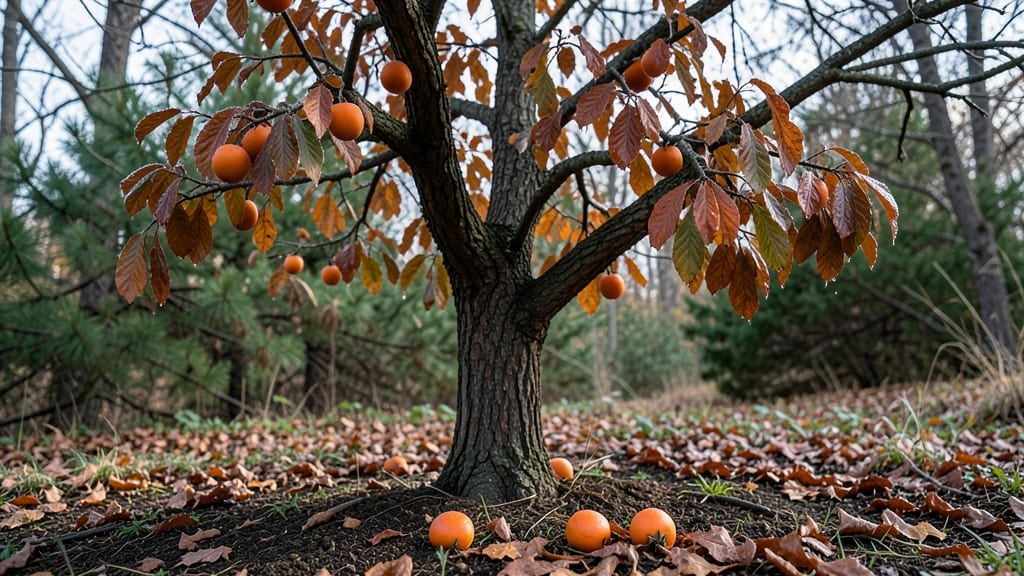
Those stubborn late drop persimmon trees can turn a golden harvest into a frustrating wait—ripe fruit clinging long after you’ve packed away your basket. to trees long after neighbors’ harvests were packed away.
The good news? Some varieties naturally resist early dropping, and a few simple tricks can keep your fruit where you want it—on the tree until you’re ready.
Late drop happens for reasons beyond your control—cold snaps, heavy rain, or pests can all delay the natural process. But certain disease-resistant varieties like ‘Fuyu’ or ‘Hachiya’ are bred to handle these challenges better, ripening later and staying put longer.
The key is balancing patience with action: hand-pick fruit when it’s soft enough to eat raw (for Fuyus) or wait for frost to sweeten Hachiyas, then harvest before critters get to them first.
What you’ll gain is a harvest window tailored to your schedule, not the weather. Store ripe persimmons in a cool, dry spot for weeks, or turn them into jam, bread, or even wine—no more rushed harvesting or wasted fruit.
The secret? Prune strategically in late winter to improve airflow, and monitor for pests that love clinging fruit like aphids or stink bugs.
Works for backyard orchards, small urban lots, or even container-grown trees in warmer climates. Here’s how to turn late drop from a headache into a harvest highlight—without losing a single sweet fruit to the birds.
📚 In This Guide
- What you need
- Instructions
- Tips and common mistakes
- Wrapping up and next steps
What you need
- ● Late-drop persimmon tree varieties: 2–5 disease-resistant cultivars (e.g., Fuyu, Hachiya, or Izu), purchased from a reputable nursery. Choose grafted trees (1–3 years old) for faster fruiting.
- ● Well-draining soil: Test your soil’s pH (ideal: 6.0–7.0). Amend with compost (1–2 cubic yards per tree) if needed.
- ● Planting hole: Dig a hole 3x wider and just as deep as the root ball. Loosen soil at the bottom to encourage root spread.
- ● Organic mulch: 4–6 inches of wood chips or straw to retain moisture and suppress weeds.
- ● Watering supplies: Hose with a gentle spray nozzle (avoid high pressure).
- ○ Drip irrigation kit (optional but recommended for young trees).
- ● Fertilizer: Balanced 10-10-10 or organic compost tea (apply in early spring and mid-summer).
- ● Pruning tools: Bypass pruners (for small branches).
- ● Loppers (for thicker branches).
- ● Sterilizing solution (70% isopropyl alcohol or bleach water).
- ● Pest/disease control: Neem oil spray (for aphids/mites).
- ● Copper fungicide (preventative for anthracnose).
- ● Tree supports: Stakes or cages (for young trees in windy areas).
- ● Soil moisture meter: To monitor watering needs (especially in drought-prone climates).
- ● Pollination aid: A small brush or bee-friendly plants nearby (if cross-pollination is needed).
- ● Harvesting tools: Pruning shears or a fruit picker for late-season drops.
- ● Shade cloth: For young trees in hot climates (30–50% coverage).
How to choose and plant late-drop persimmon trees
Here's the straightforward approach I use to select and establish these hardy, disease-resistant fruit trees.
Select the Right Variety for Your Climate
Late-drop persimmons like 'Fuyu' and 'Hachiya' thrive in zones 5-9, with 'Fuyu' maturing 120-140 days after bloom and 'Hachiya' taking 140-160 days. Check your last frost date—these varieties need 100-150 frost-free days to produce fruit. I always pick non-astringent types first if you want eatable fruit straight off the tree.
Look for disease-resistant rootstock like 'Tana' or 'Hana Fuyu' when shopping. These hybrids resist powdery mildew and root rot better than traditional varieties. Avoid trees labeled "semi-dwarf" unless you have space—persimmons need 20-30 feet of air circulation to prevent fungal issues.
Prepare the Planting Site
Choose a location with full sun exposure (at least 6-8 hours daily) and well-draining soil. Persimmons hate soggy roots, so avoid low spots where water pools. I dig a hole twice as wide as the root ball but only as deep—planting too deep suffocates the graft union.
Test your soil pH—persimmons prefer slightly acidic to neutral (6.0-7.0). If your soil is heavy clay, mix in 2-3 inches of compost from your materials list into the bottom of the hole. This improves drainage while adding organic matter. Tap the tree gently to settle soil around roots before watering.
Plant and Establish Young Trees
Remove the tree from its container and loosen any circling roots with your fingers. Position it so the graft union sits 2-3 inches above soil level—this prevents rot while allowing the tree to develop strong roots. Backfill with native soil mixed with 1 part compost to encourage root spread.
Water deeply right after planting to eliminate air pockets. Use 1-2 gallons for small trees, soaking the root zone until water runs out the drainage holes. Mulch with 3-4 inches of wood chips, keeping it 6 inches away from the trunk to prevent rot. This mulch layer retains moisture while protecting roots from temperature swings.
Prune and Care for First Two Years
Wait 3-4 weeks after planting before pruning—let the tree establish new roots first. Then remove any dead, crossing, or inward-growing branches using clean, sharp pruners. I cut just outside the branch collar where it meets the trunk to prevent wounds from healing poorly.
Fertilize lightly in early spring with balanced 10-10-10 fertilizer—persimmons are heavy feeders but over-fertilizing causes excessive leaf growth at the expense of fruit. Water deeply every 7-10 days during dry spells, checking that the soil feels dry 2-3 inches down before watering again. Young trees need consistent moisture to develop strong root systems.
Monitor for Pests and Diseases
Inspect leaves weekly for signs of powdery mildew (white powdery coating) or aphids (sticky residue on leaves). Persimmons rarely have serious pests, but Japanese beetles occasionally target young leaves. I spray affected areas with neem oil at the first sign of trouble—it's organic and won't harm beneficial insects.
Thin fruit when they're golf-ball sized to improve size and quality. Leave 6-8 inches between remaining fruits—overcrowding leads to small, poor-quality persimmons. Harvest 'Fuyu' when skin turns orange and firm, while 'Hachiya' must soften completely before eating. Both varieties ripen late fall, often after first frost.
Tips & tricks for perfect late-drop persimmon trees
These simple strategies will help you avoid common pitfalls and set your persimmon trees up for success from day one.
Variety Selection: When choosing between 'Fuyu' and 'Hachiya', consider your specific needs. 'Fuyu' is ready to eat when firm and orange, making it ideal for fresh eating, while 'Hachiya' must soften completely before consumption—perfect for baking. Both varieties need the full 100-150 frost-free days, but 'Fuyu' matures slightly earlier (120-140 days) compared to 'Hachiya's 140-160 days. Check your local climate data to ensure you're selecting the right variety for your growing season.
Planting Depth: The 2-3 inches above soil level for the graft union is critical—this prevents rot while allowing proper root development. I've seen many gardeners plant too deep, which can suffocate the tree and lead to poor growth. After backfilling, gently tap the soil around the roots to eliminate air pockets, then water deeply to help settle everything in place.
Watering Wisdom: Those 1-2 gallons of water immediately after planting are essential for eliminating air pockets in the soil. I recommend using a garden hose with a gentle spray nozzle to apply water slowly around the root zone, allowing it to soak in completely. This initial deep watering helps establish strong root systems right from the start, which is crucial for young persimmon trees.
Pruning Timing: Waiting 3-4 weeks before pruning gives the tree time to establish new roots after transplant shock. When you do prune, focus on removing dead, crossing, or inward-growing branches—these are the ones that can create weak spots or compete with each other for nutrients. Always cut just outside the branch collar where it meets the trunk to promote proper healing and prevent disease entry points.
Pro Tips for Late Drop Persimmon Trees
- These simple strategies will help you avoid common pitfalls and set your persimmon trees up for success from day one.
- Variety Selection: When choosing between 'Fuyu' and 'Hachiya', consider your specific needs.
- Planting Depth: The 2-3 inches above soil level for the graft union is critical—this prevents rot while allowing proper root development.
Frequently asked questions
about late-drop persimmon trees—because every gardener deserves clarity! Whether you're a first-timer or a seasoned grower, these answers will help you navigate planting, care, and harvest with confidence.What makes late-drop persimmon varieties different from early-ripening ones?
Late-drop persimmons stay firm and astringent on the tree longer, delaying their natural "drop" until late fall or even winter. This extends your harvest window and reduces fruit loss to pests or weather. Varieties like Fuyu or Hachiya are bred to resist early splitting or cracking, making them ideal for colder climates or unpredictable seasons.
How do I know when my late-drop persimmons are truly ripe?
For non-astringent varieties (like Fuyu), ripeness is easy—just pick when the skin turns deep orange and feels slightly soft. For astringent types (like Hachiya), wait until the fruit drops naturally or turns mushy when gently squeezed. Pro tip: A color change to deep red-orange is your best indicator!
Can late-drop persimmons survive frost before harvest?
Most late-drop varieties tolerate light frost (20°F/-7°C) once fully ripe, but unripe fruit is vulnerable. Protect trees with frost cloth or mulch the base. If frost threatens before ripening, harvest early and ripen indoors (store at 50–70°F/10–21°C for 1–2 weeks). Warning: Frost on leaves won’t harm the tree, but fruit may soften prematurely.
What should I do if my persimmon tree drops fruit too early?
Early drops often signal overproduction, disease (like anthracnose), or poor pollination. Fix it:
- Thin fruit in summer to reduce stress.
- Apply copper fungicide if spots appear.
- Hand-pollinate with a paintbrush if bees are scarce.
Are late-drop persimmons good for baking or eating raw?
Fuyu persimmons are crisp and sweet raw, perfect for snacking or salads. Hachiya types must soften first (try roasting or baking into bread, pudding, or persimmon butter). Bonus: Late drops concentrate sugars—ideal for desserts!
Can I grow late-drop persimmons in containers?
Yes, but choose dwarf varieties like Tane-no-Nishiki and use a 15-gallon+ pot with drainage. Place in full sun and prune regularly. Container-grown trees may fruit 1–2 years later than ground-planted ones, but they’re great for patios or small yards!
Wrapping up and next steps
Late drop persimmon trees are a game-changer for gardeners seeking disease-resistant, late-ripening fruit—and now you’ve got the know-how to grow them successfully! From selecting the right variety to mastering care techniques, every step brings you closer to a bountiful harvest. 🌱
Ready to take the next step? Start by researching local nurseries or reputable online sellers to source your trees, then mark your calendar for planting season. With patience and care, your late drop persimmon trees will reward you with juicy, sweet fruit year after year!